Correcting Bowlegs: 9 Exercises for Healthy Legs

Want to stabilize your leg alignment and correct bowlegs? Get started now with our 9 exercises for healthy legs.
Time
- 20 minutes
- 9 exercises
What Can You Do About Bowlegs?
Do you have bowlegs? With these exercises as part of your routine, you can work to correct your bowlegs. These exercises can be particularly helpful if your knees collapse inward when you move. In anatomy, this is referred to as a valgus alignment.
Our goal is to release the muscles that pull our knees inward and to activate the muscles that stabilize our leg axis. This helps us prevent pain and injuries. In the following video, our master trainer Stefan shows you some simple exercises you can use to achieve this.
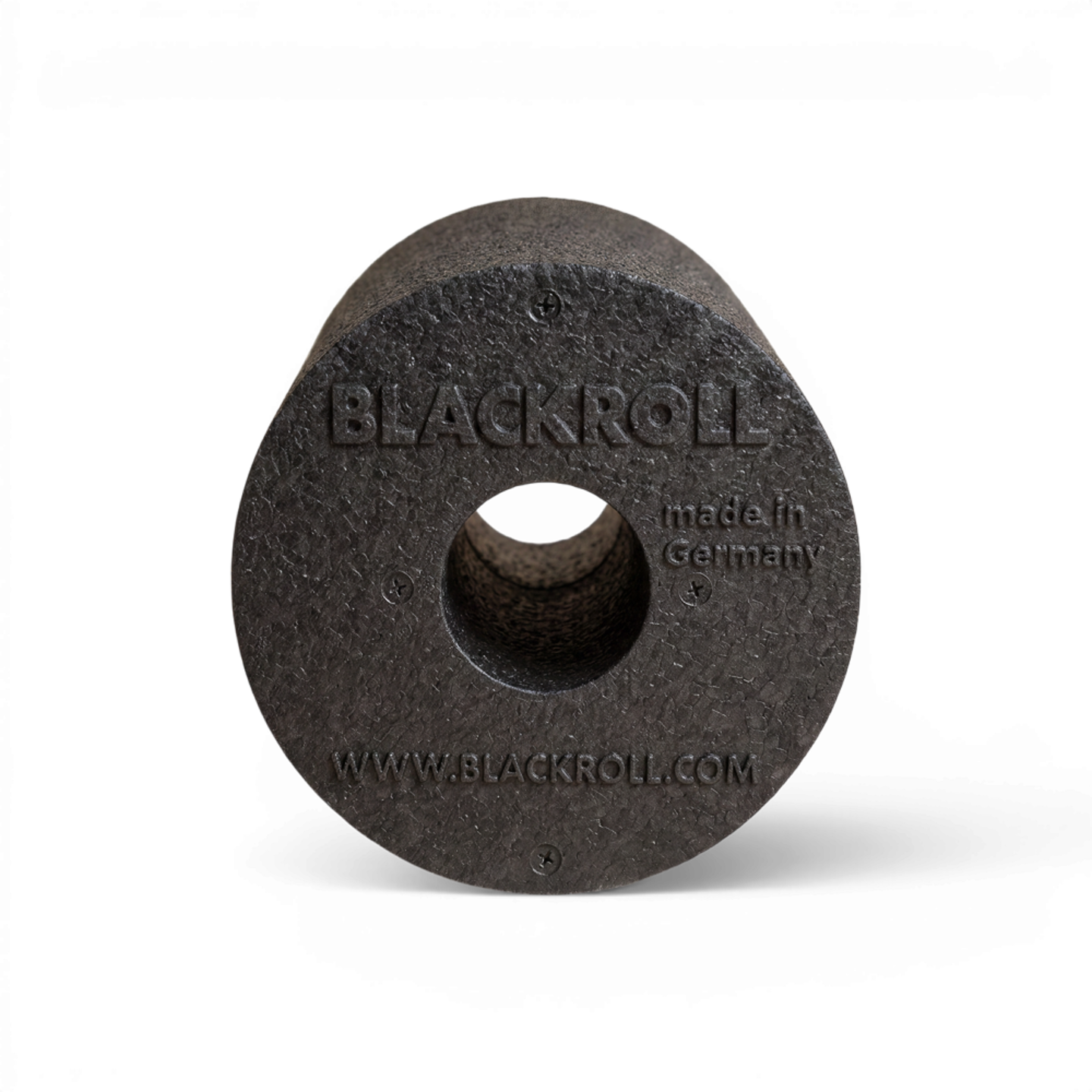
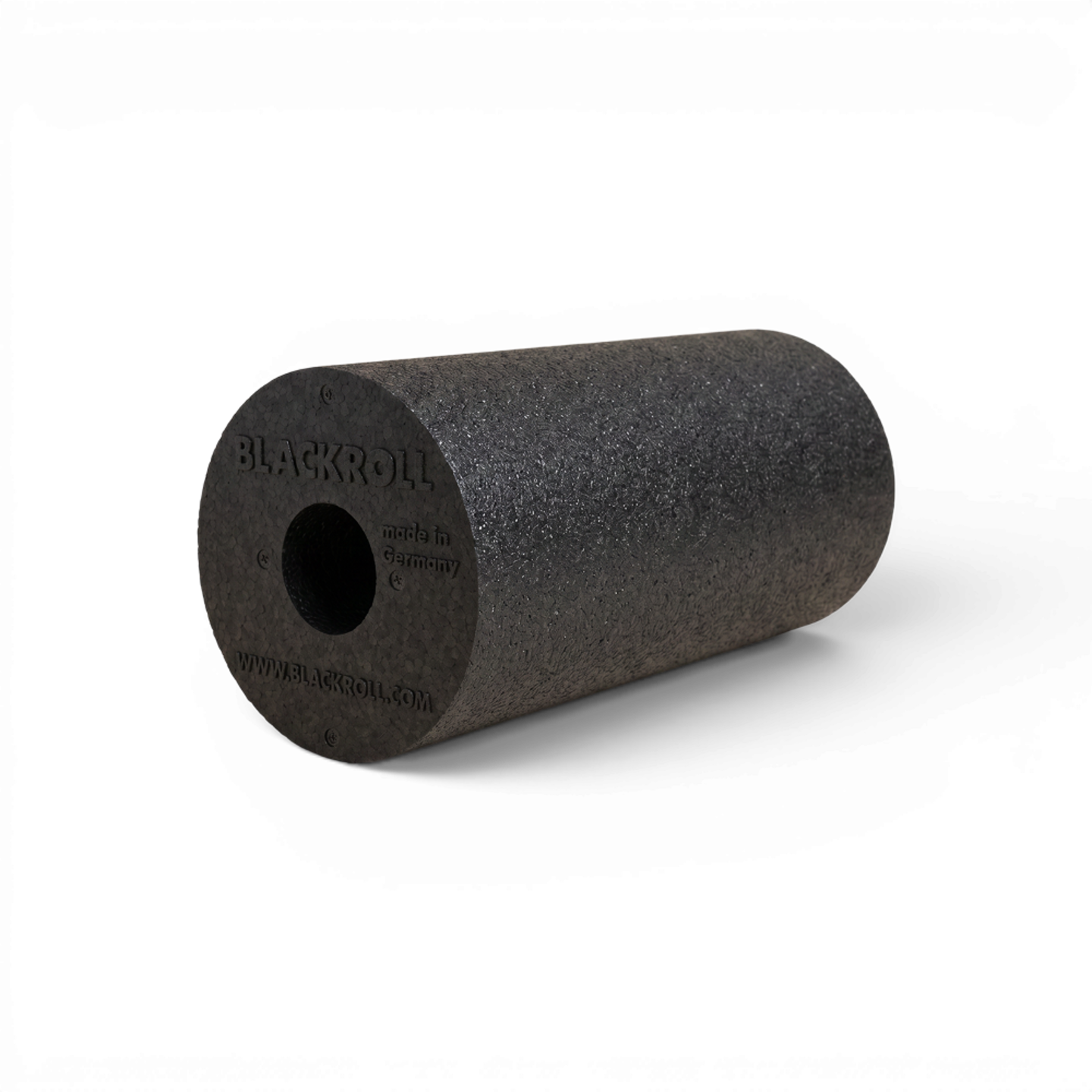
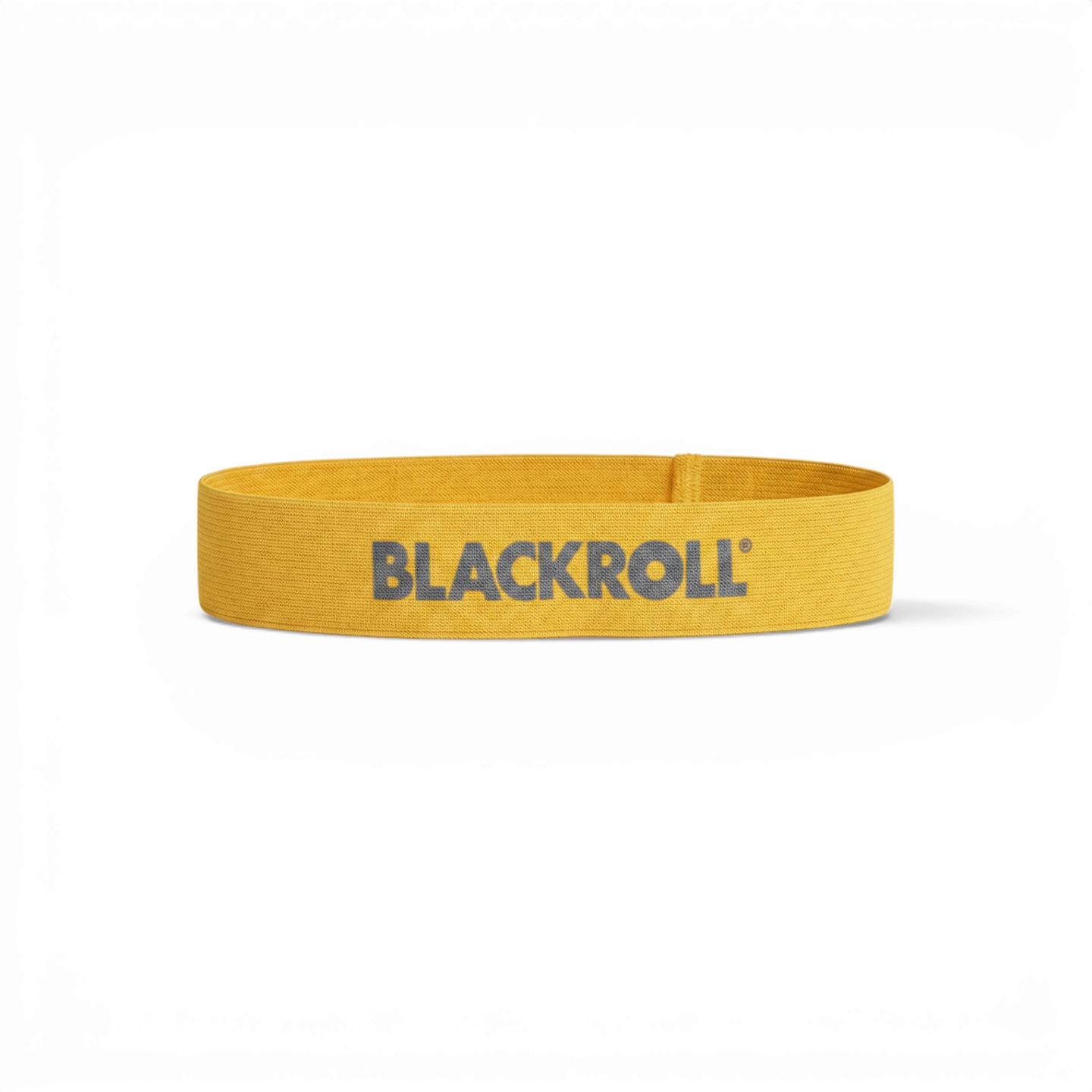
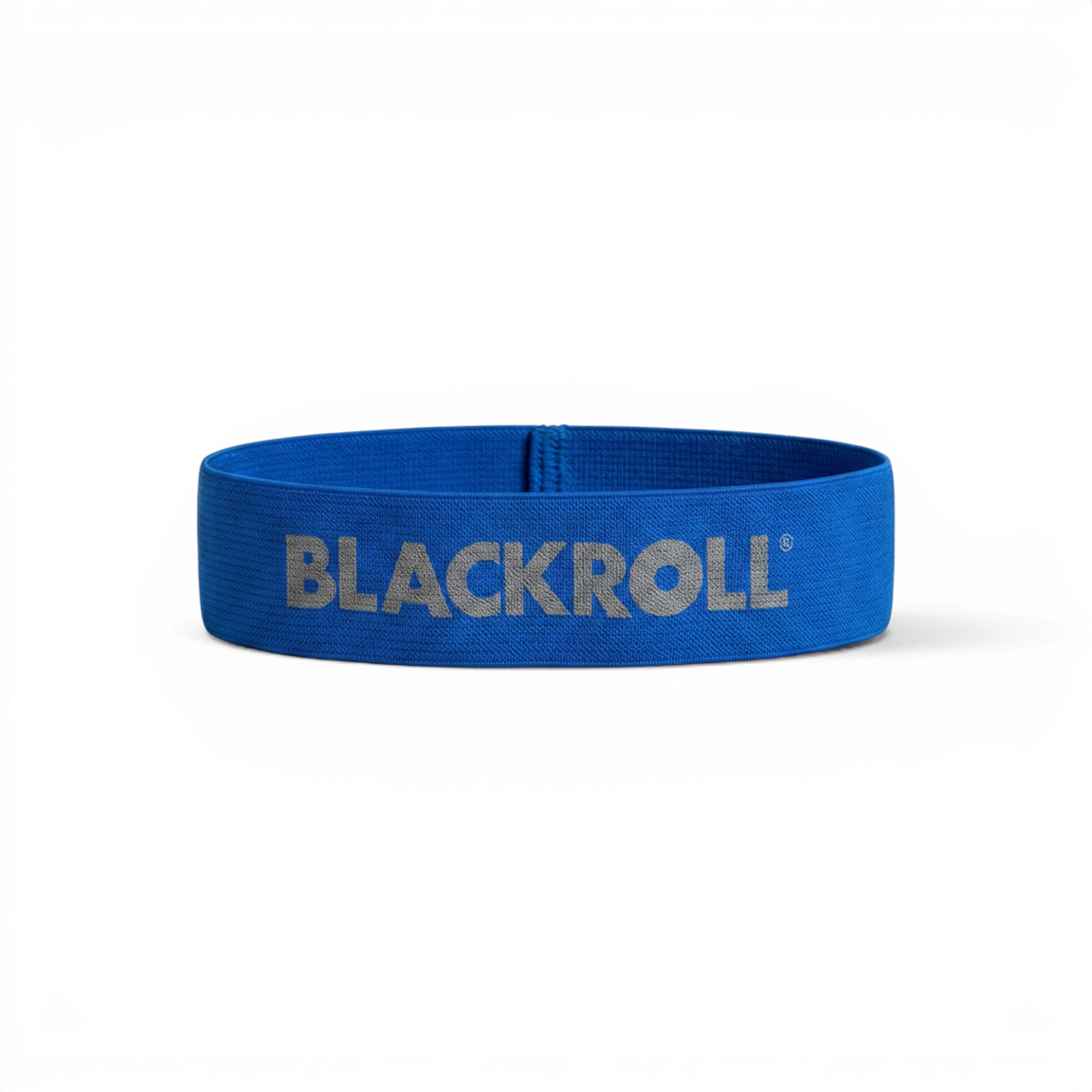
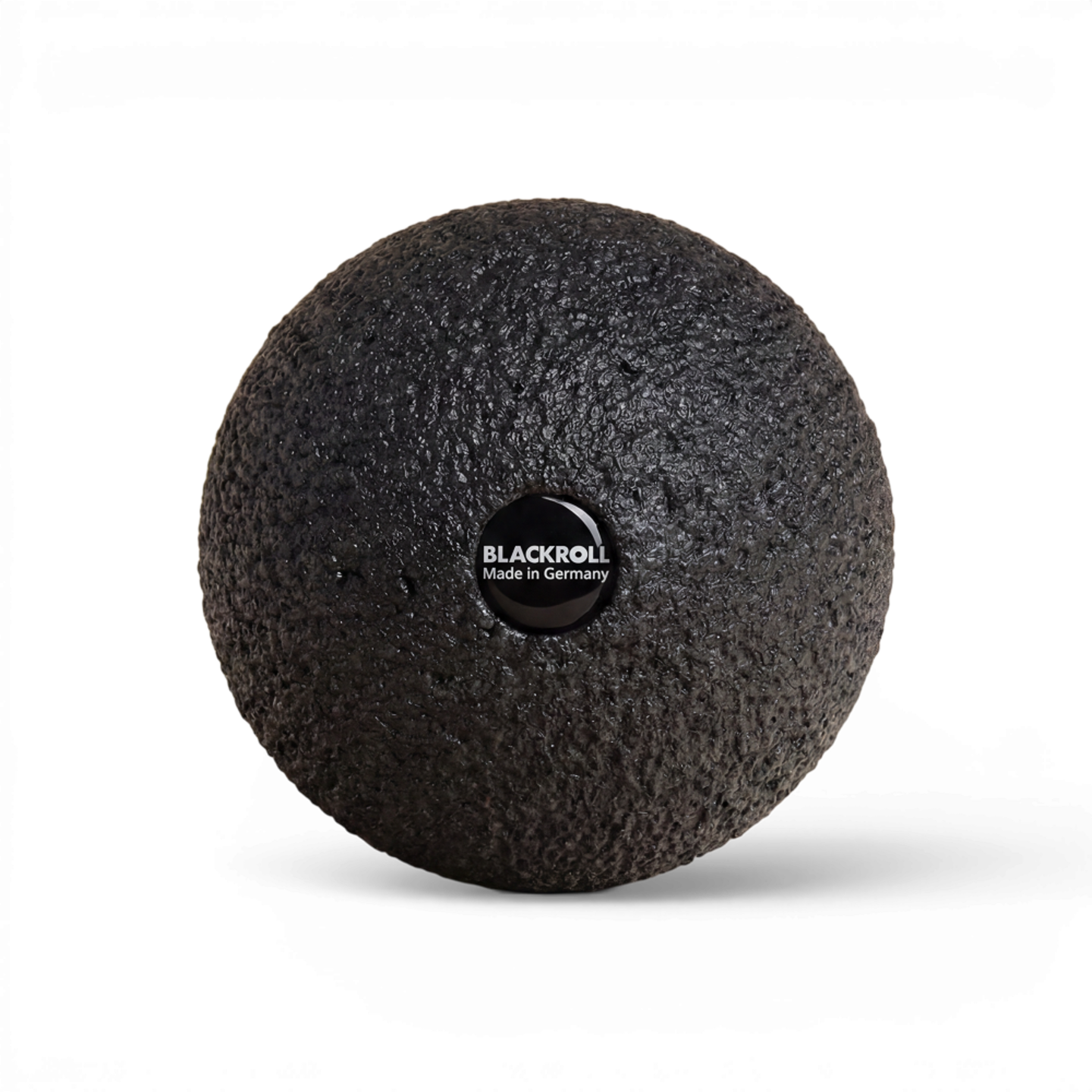
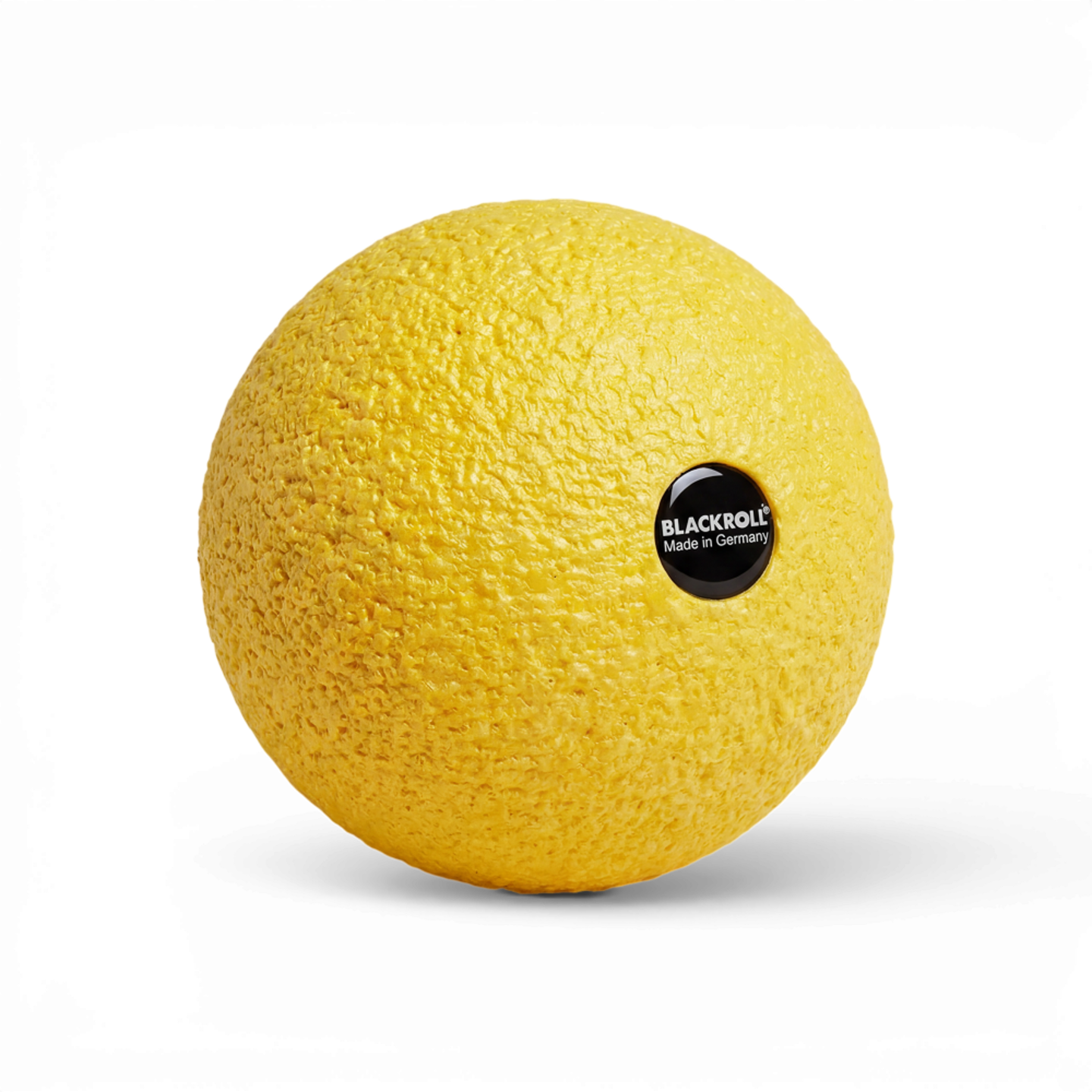
For this “How to Fix Bowlegs” video, have a BALL 08 and a LOOP BAND ready. Have fun!
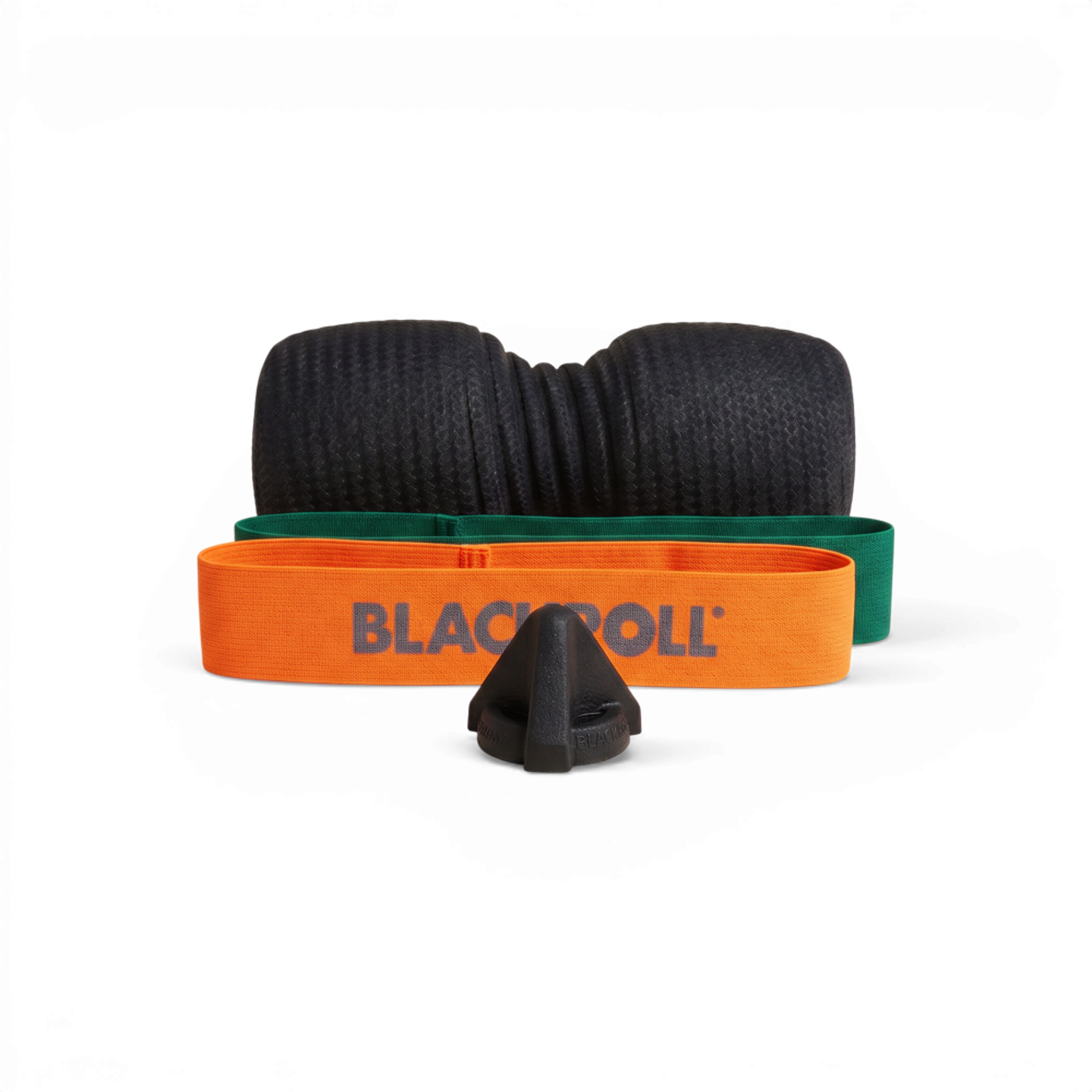
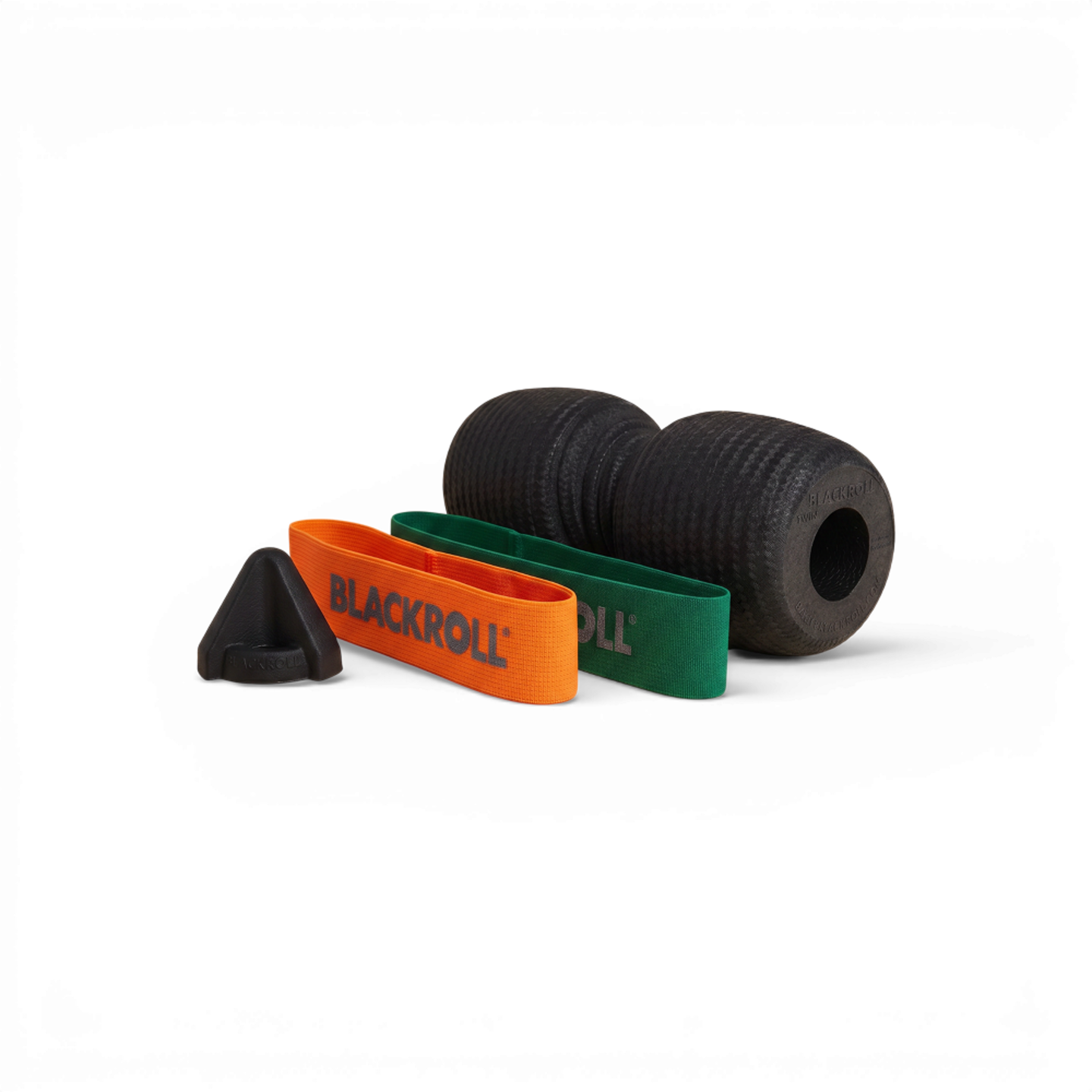
Your Tools for Knee Pain
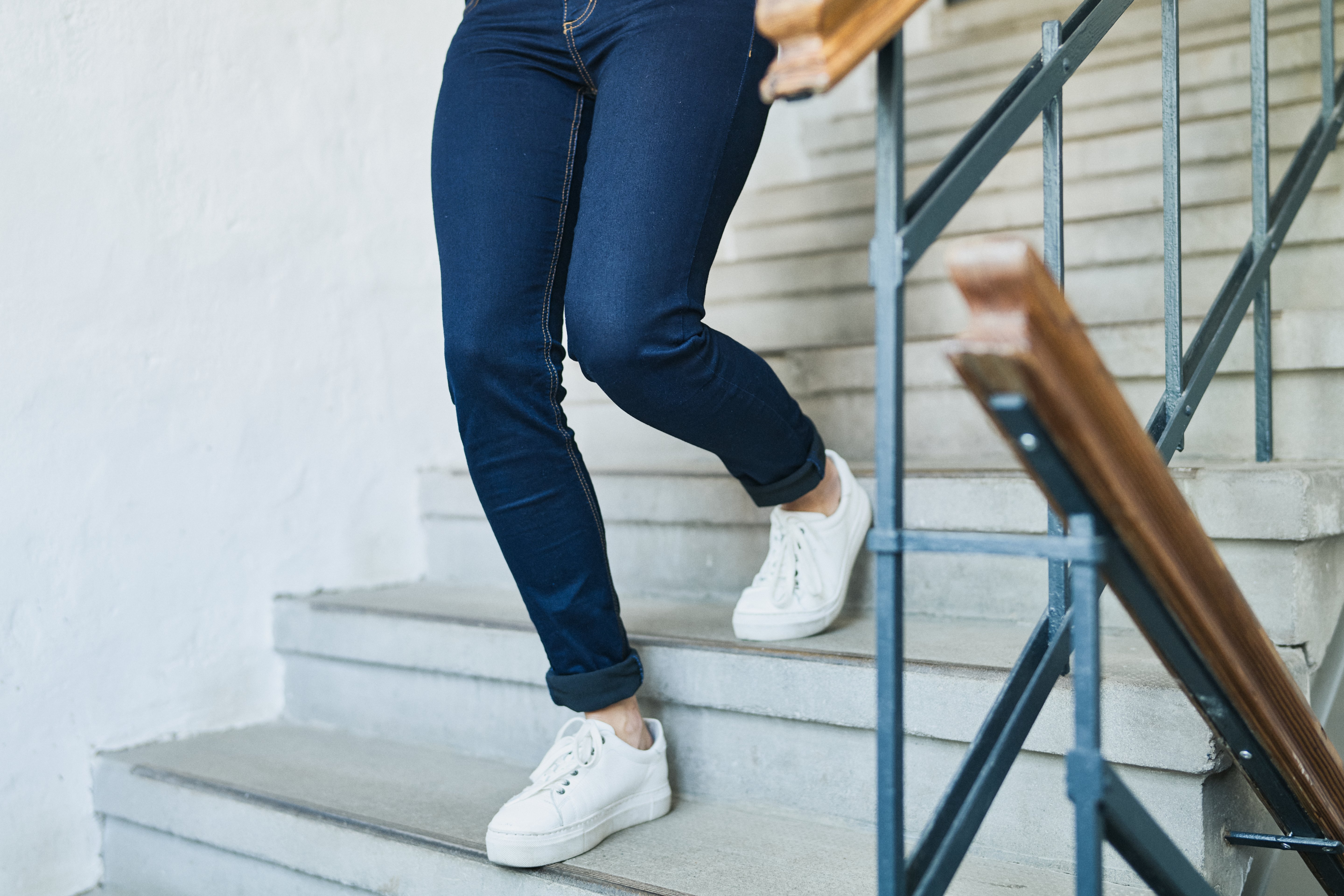
What’s causing your knee pain?
Learn more about the causes, symptoms, and treatment options for knee pain.
Which muscles should you train for bowlegs?
Are you wondering which muscles to work out if you have bowlegs? When the knees collapse inward, it simply means that the shinbone (tibia) rotates outward while the thighbone (femur) rotates inward. This movement is usually caused by problems in the ankle or hip area, and often by a combination of both.
There are muscles that become tense and functionally shortened in this context. These should be loosened and stretched using self-massage techniques.
The following muscles should be stretched and loosened in cases of bowlegs:
- TFL (tensor fasciae latae)
- Outer thigh (m. vastus lateralis)
- Thigh flexor (biceps femoris)
- Lateral head of the gastrocnemius (m. gastrocnemius lateralis)
- Gluteus minimus
- Adductors (m. adductor)
Other muscles tend to be weakened and contribute to bowlegs. These should be specifically activated and strengthened.
The following muscles should be activated and strengthened in cases of bowlegs:
- Medial gluteal muscle (m. gluteus medius)
- Gluteus maximus
- Posterior tibial muscle (m. tibialis posterior)
- Anterior tibial muscle (m. tibialis anterior)
Exercises for Bowlegs at Home – Self-Massage & Stretching
Doing exercises for bowlegs at home isn’t that hard if you stick to a few basic principles. First, let’s massage and stretch the tight and shortened muscles. You don’t need much equipment to do this.
Massage or stretch each muscle group for at least 60 seconds. Roll out your yoga mat and get started right away.
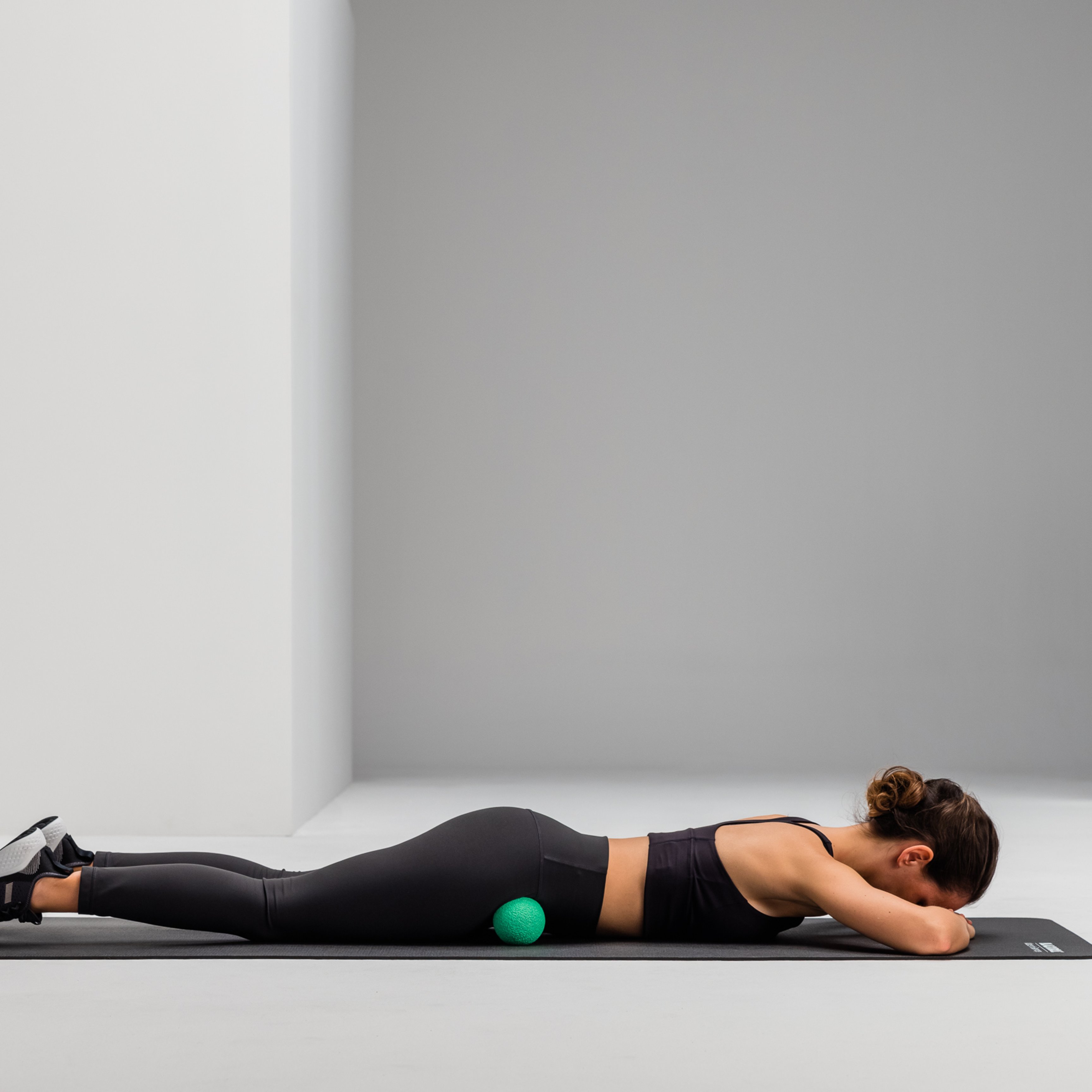
TFL Massage
Lie on your stomach. Position your hips on the BALL08 at the level of your back pocket. Hold this position.
Focus on your breathing. Consciously relax your muscles.
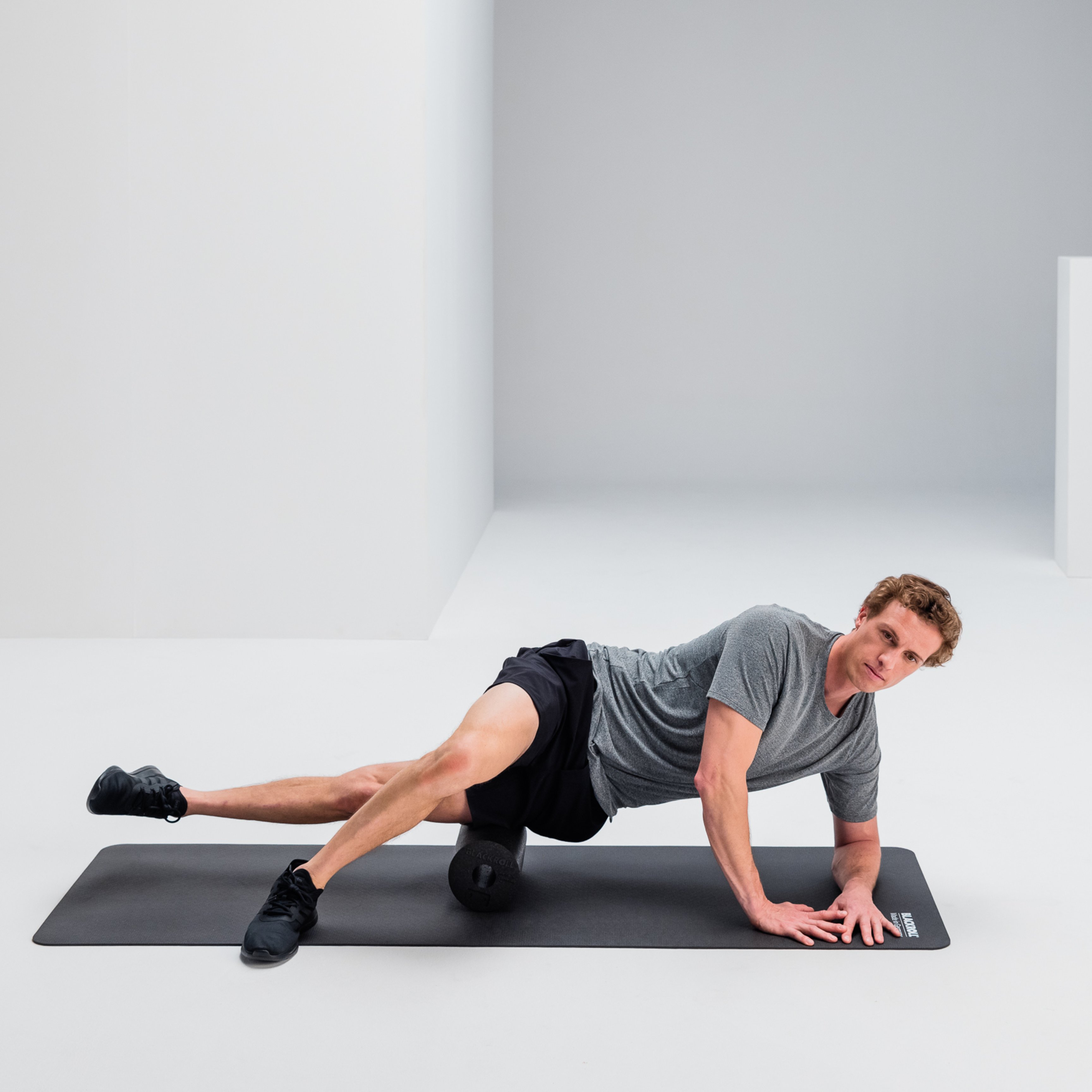
Massage of the Outer Thighs
Place the outer side of your thigh on the BLACKROLL. Place your other leg in front of your body. Support yourself with your hands. Lift your buttocks. Slowly roll out your thigh. As you roll, turn to both sides to work on even more areas of your thigh.
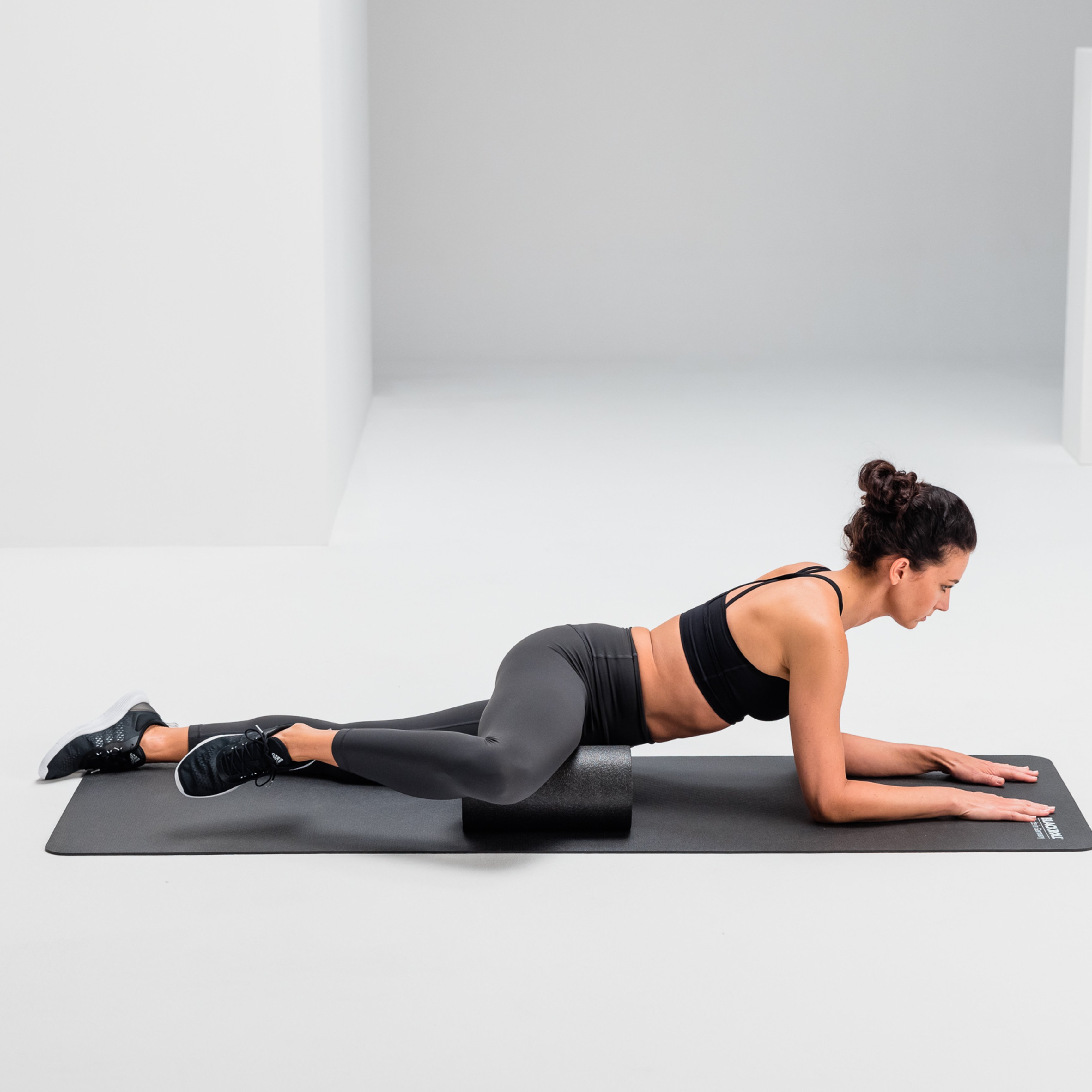
Massage the inner thigh
Start in a prone position. Support yourself on your forearms. Bend one knee to a 90-degree angle. Place the BLACKROLL under your thigh. Slowly roll your thigh sideways from the hip to the knee.
Calf Massage
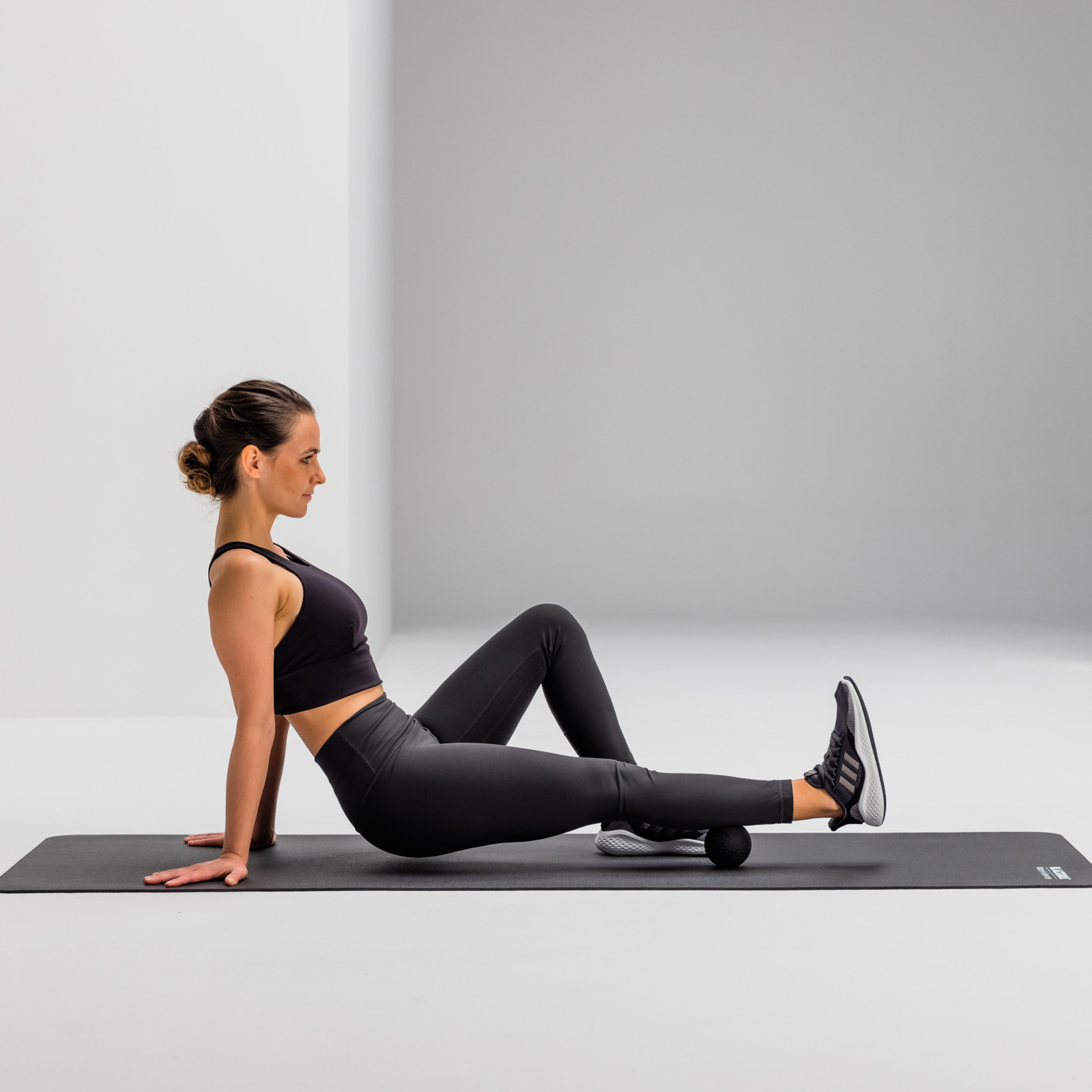
While seated, bend one leg. Place the calf of your straight leg on the BALL 08. Support yourself with your arms behind your body. Locate a tender spot. Hold this position. Vary the position of the ball. As soon as the pain subsides, flex and extend your ankle.
ITB Stretch
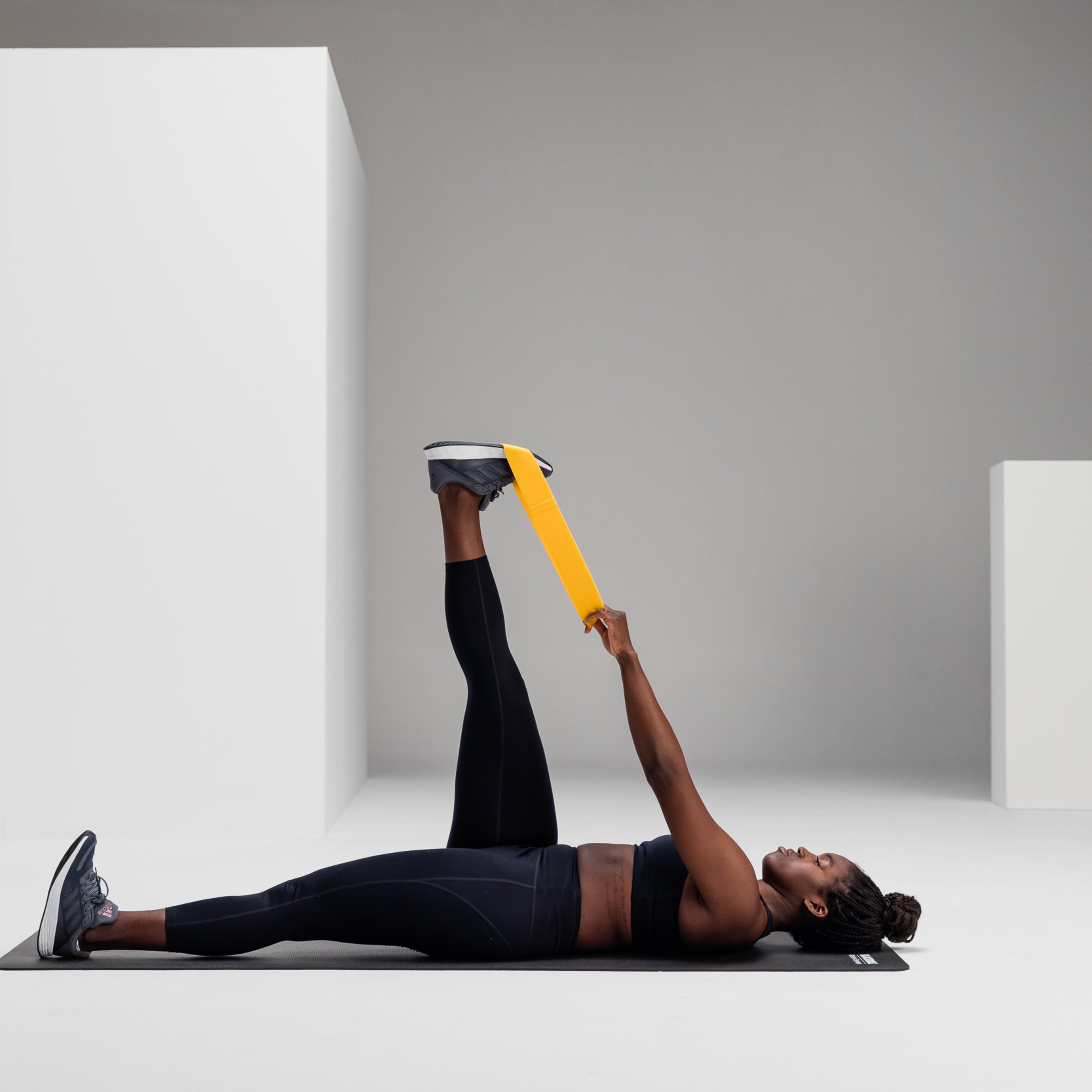
Start in an upright seated position. Place the LOOP BAND around your foot. Hold the other end of the band firmly. Lie on your back. Actively lift the leg with the band. Let it lower toward the floor over your extended leg. You can intensify the stretch further by increasing the tension on the band. To increase mobility, you can gently circle your leg in the end position or slightly bend and straighten your knee.
Calf Stretch
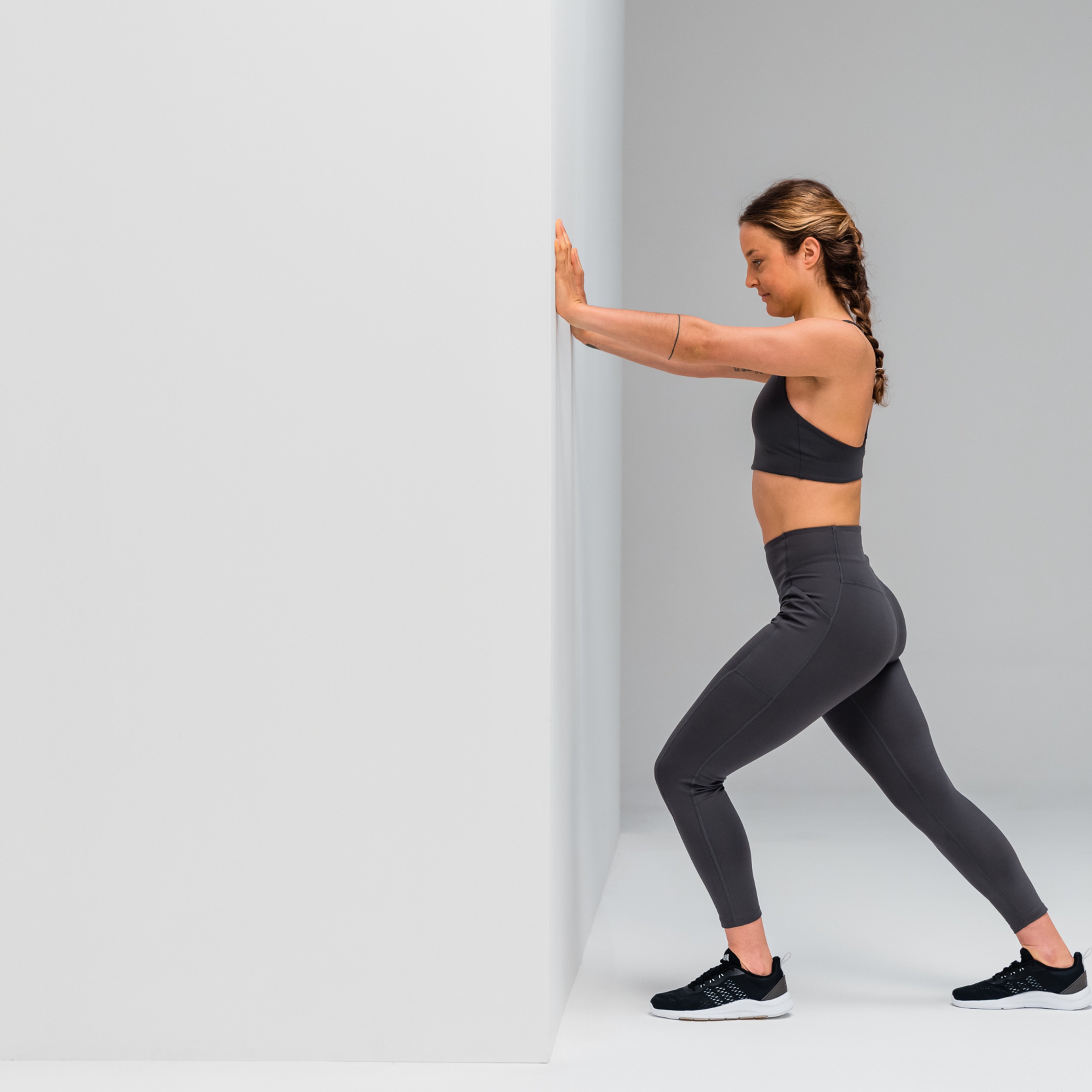
Stand in a lunge position facing a wall. Support yourself with your hands. Shift your body weight onto your front leg. Make sure the entire sole of your back foot is flat on the floor. Keep your knee straight. This exercise improves flexibility in your calves.
Frog Stretch
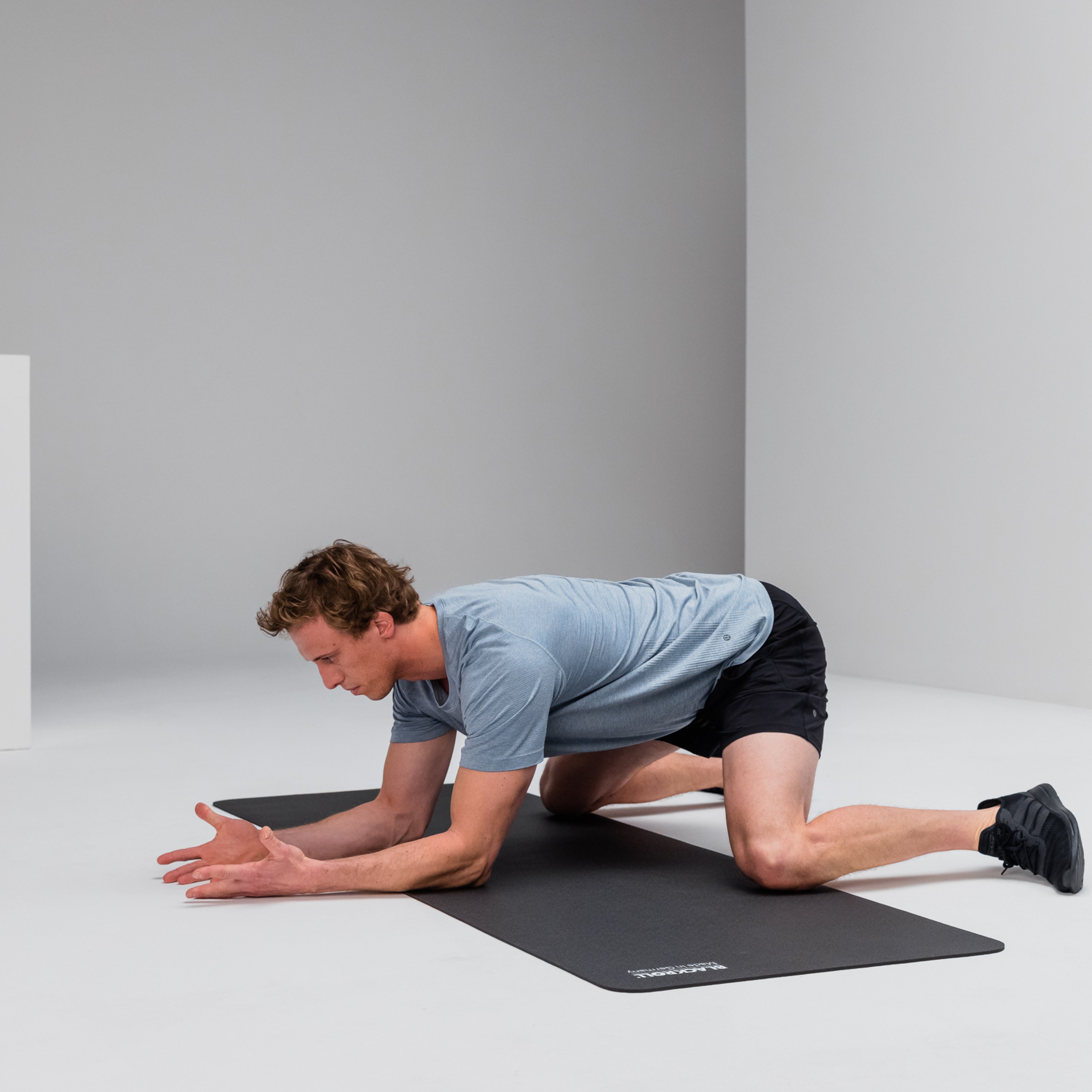
Start on all fours. Push your knees and lower legs further apart. Push your hips back. Hold this position.
Exercises to Correct Bowlegs - Strengthening
Now that we’ve loosened up and stretched the muscles, we want to specifically strengthen weakened muscles. Our goal is to stabilize the leg axes and reduce the strain on the lateral meniscus.
For these exercises to correct your bowlegs and train specific muscles, all you need is our LOOP BAND:
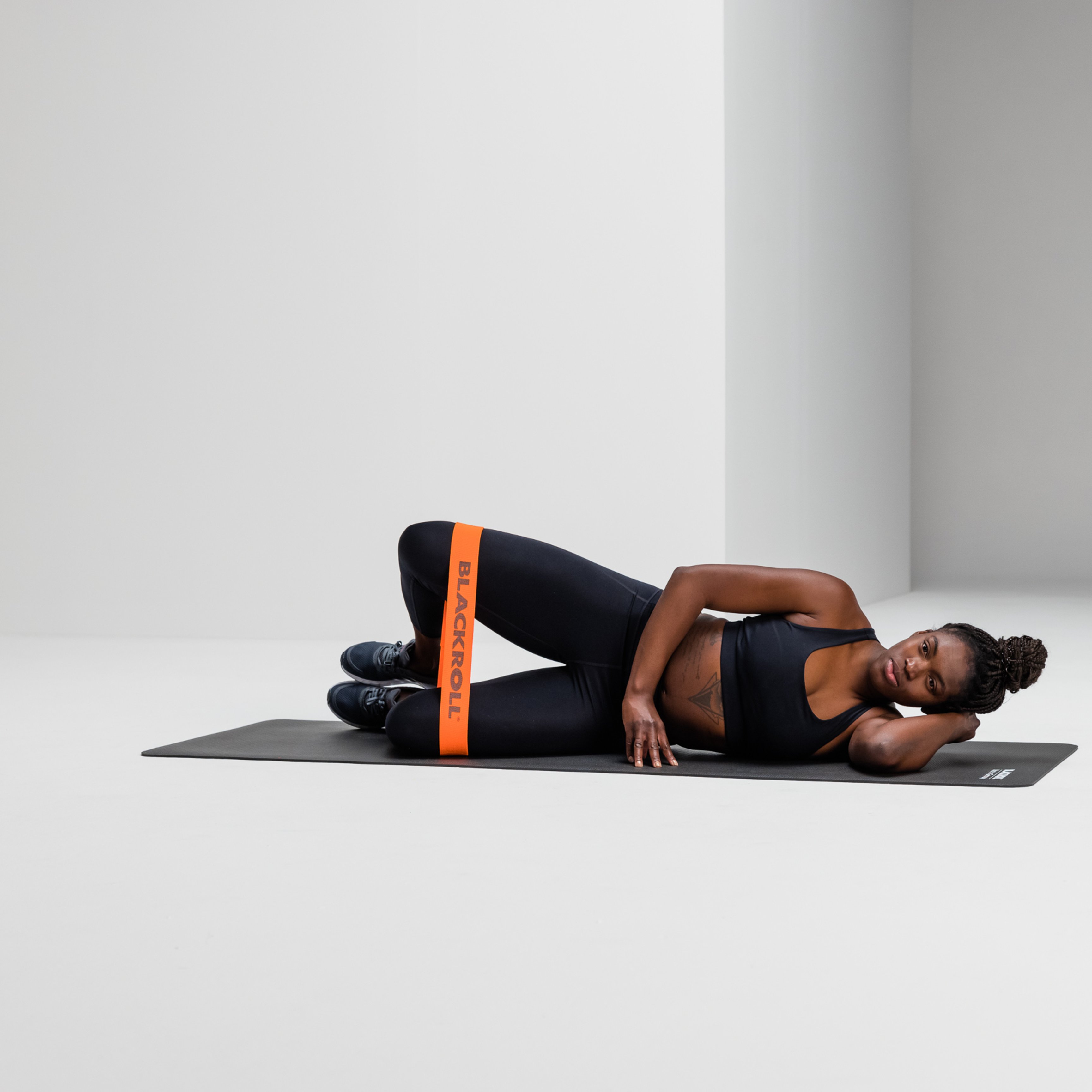
Clamshell
Lie on your side and place the LOOP BAND around your knees. Bend your knees slightly. Lift your top knee upward. Return to the starting position. Keep your feet touching throughout the entire exercise. You can rest your upper body comfortably on the ground. Make sure you don’t rotate your upper body during the exercise.
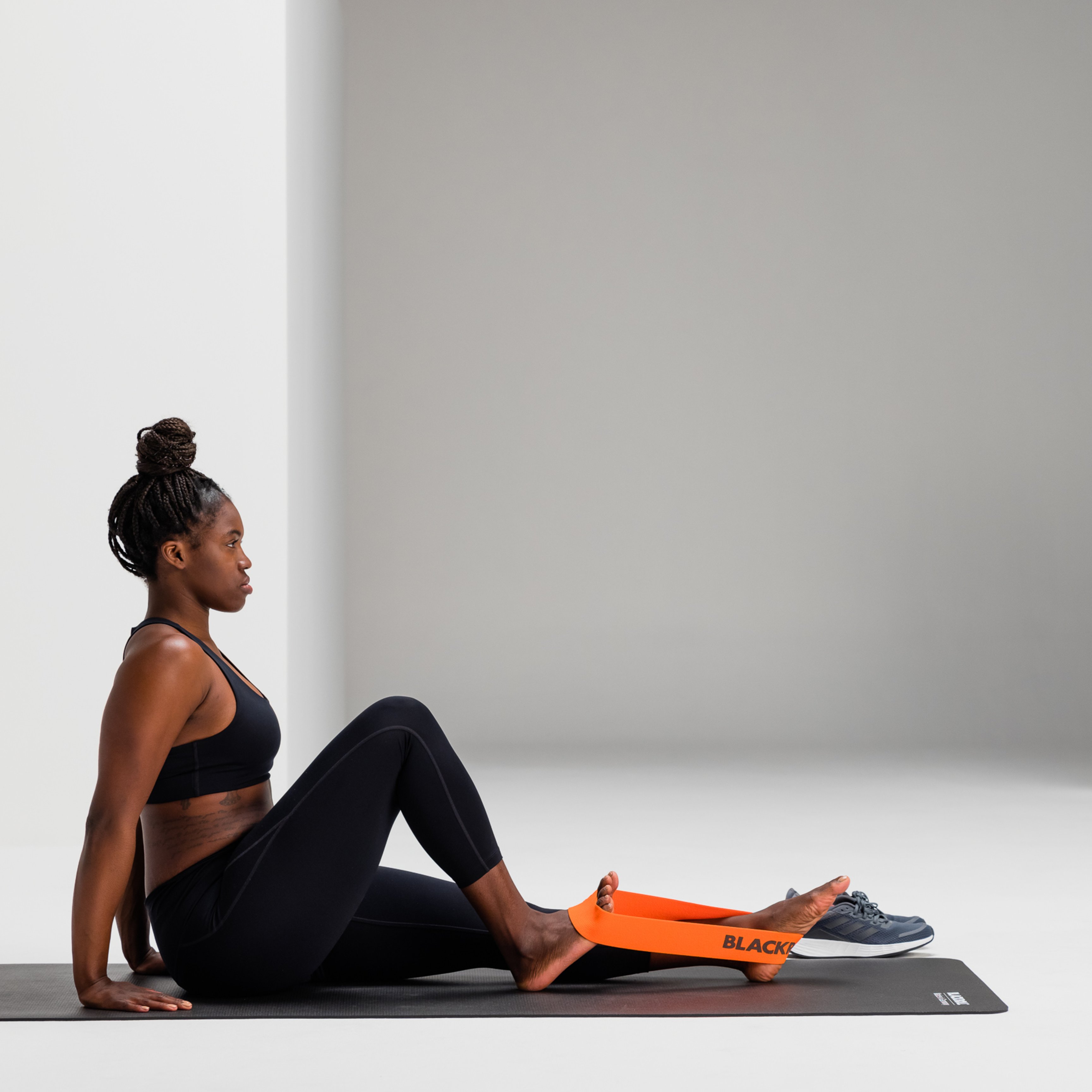
Shin Activation
While seated, place the LOOP BAND around your feet. Bend one leg at the knee. Keep the other leg straight. Move the foot of the bent leg up and down.
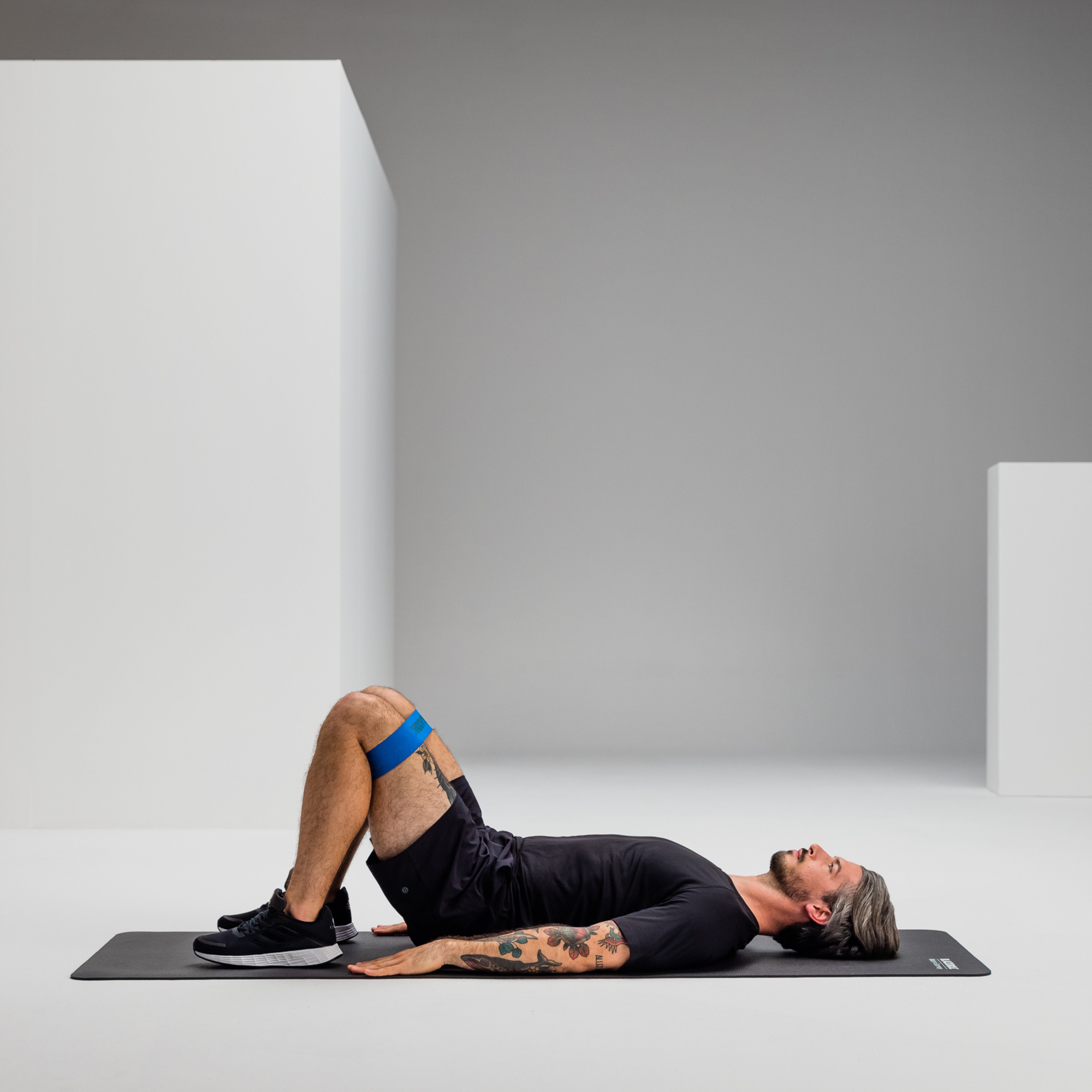
Pelvic Lift
Lie on your back and place the LOOP BAND around your knees. Bring your legs up. Slowly lift your pelvis. Your thighs and upper body should form a straight line. Return to the starting position.
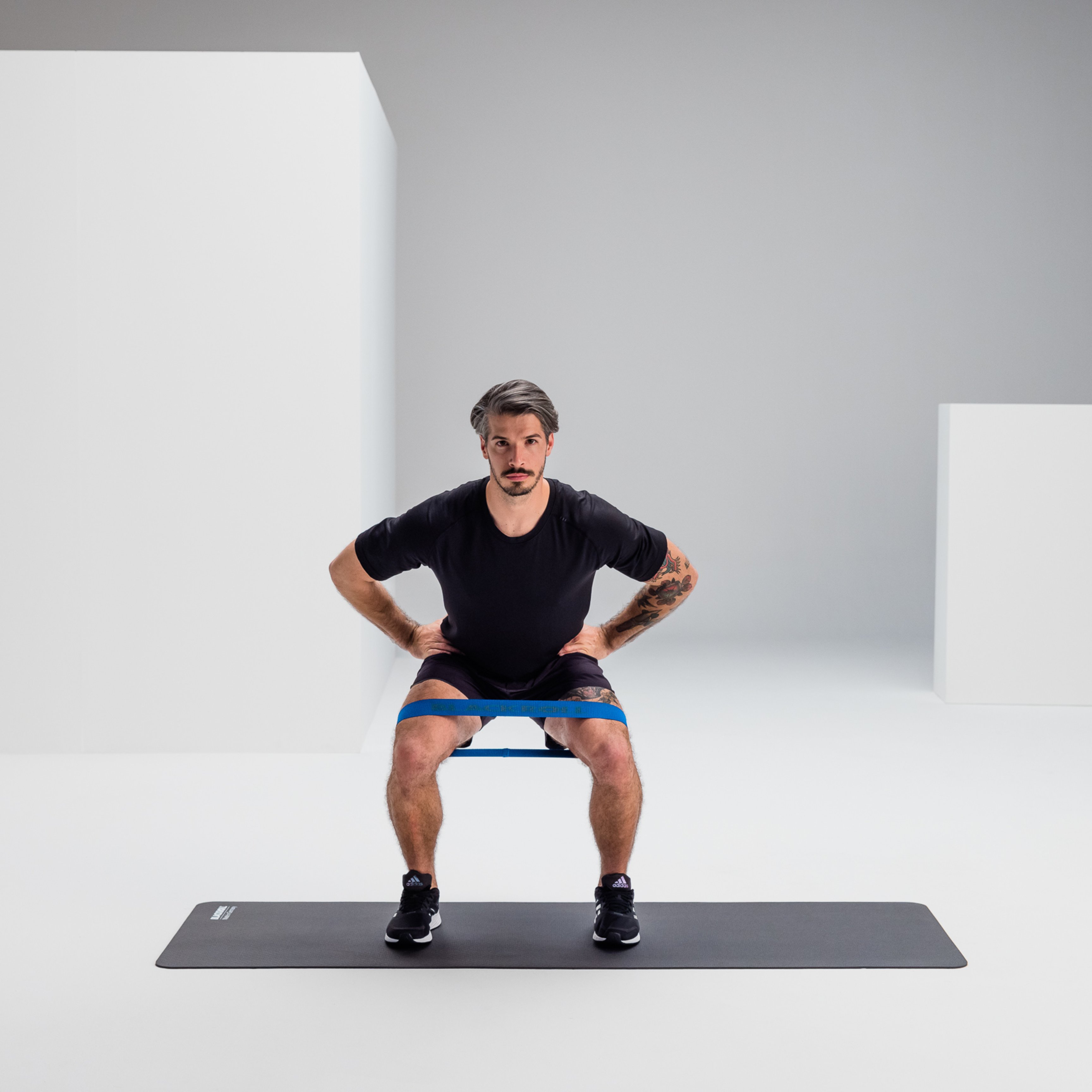
Squats
Stand with your feet shoulder-width apart and wrap the LOOP BAND around your thighs. Bend your knees. Your thighs should be parallel to the floor. Push your knees outward as you perform the movement. Return to the starting position.
Correcting bowlegs requires patience, dedication, and the right exercises. Working out at home can be an effective way to strengthen the muscles around your knees and stretch the fascia to improve leg alignment. Keep in mind, however, that results may vary, and it’s important to perform the exercises correctly to avoid injury. With the right approach and a little patience, you can make progress in correcting your bowlegs and soon benefit from improved posture. It’s best to get started today.
How long does it take to correct bowlegs through exercise?
Can you correct bowlegs through exercise? How long does it take to correct bowlegs through exercise? These questions are on the minds of many people who are dealing with bowlegs. Bowlegs, also known as “X-legs,” are an orthopedic condition in which the legs form an X shape. This can not only be aesthetically bothersome but also have health implications.
The Problem of Bowlegs
Bowlegs are an anatomical deviation in which the knees tilt inward. This results in the legs appearing X-shaped. The causes of bowlegs can be genetic or result from tight or shortened muscles or fascia.
A frequently asked question is whether bowlegs can be corrected through exercise. The answer is complex, as it depends on various factors.
Exercise can help improve muscle strength and leg alignment, but it cannot always fully correct the underlying anatomical abnormality. It’s important to know that the effectiveness of exercise can vary from person to person. However, there are certain exercises that can help strengthen the muscles around the knees and improve leg alignment.
To make progress in correcting bowlegs, consistency is key. It’s important to do the exercises regularly and to be patient. The duration depends on the severity of the bowlegs, and it can take anywhere from weeks to months to see significant improvements.
Correcting Leg Alignment – Exercises
Targeted leg alignment training is an effective method for preventing bowlegs and protecting your joints. In this video, Master Trainer Stefan demonstrates stabilizing exercises to correct your leg alignment. It’s best to start today to do something for your knee health.
It’s important to note that correcting leg alignment issues caused by anatomical factors may require professional medical advice from a doctor or physical therapist. If you think you have misaligned legs, you should consult an orthopedist or physical therapist to get an accurate diagnosis and appropriate recommendations.
Conclusion: Exercises for Bowlegs
The routine presented here for preventing and correcting bowlegs offers a comprehensive approach to addressing this common orthopedic issue. Through targeted exercises designed to loosen and stretch the muscles, as well as to activate and strengthen specific muscle groups, leg alignment can be improved. These measures can not only help prevent knee pain and injuries but also promote overall leg health.
However, it is important to note that the effectiveness of these exercises may vary from person to person, depending on the severity of the bowlegs and the individual causes. Consistency and patience are crucial for making progress and preventing potential complications from knee osteoarthritis. Furthermore, it is advisable to seek professional medical help in severe cases or if symptoms persist.