
Prevention rather than cure: Why prevention is so crucial in our society

Modern lifestyles take their toll: Stress, lack of exercise, unhealthy diets, and environmental pollution are causing the risk of chronic diseases to rise steadily . The good news: Many of these diseases can be avoided—if we act early. The key to this is prevention.
But why is prevention important? And how can we all benefit from it in our daily lives? In our article, you’ll learn how proactive health care can help you live a healthier, happier, and more productive life in the long run.


What does prevention mean for our health?
Prevention means identifying health risks early on and actively counteracting them.
Unlike treatment, which begins only after a disease has developed, disease prevention aims to prevent health problems from arising in the first place or to mitigate their progression. Prevention encompasses not only medical measures but also everyday decisions regarding physical activity, nutrition, stress management, and the way we shape our personal lives.
There are three basic levels of prevention:
- Primary prevention: This begins before a disease develops—for example, through vaccinations, a healthy diet, regular exercise, or targeted stress management for prevention.
- Secondary prevention: This focuses on early detection. Through early detection exams or screenings, diseases can be identified at a very early stage and treated more effectively.
- Tertiary prevention: This form of prevention concerns people who are already ill. The goal here is to avoid relapses, prevent complications, and maintain quality of life—for example, through rehabilitation or structured aftercare programs.
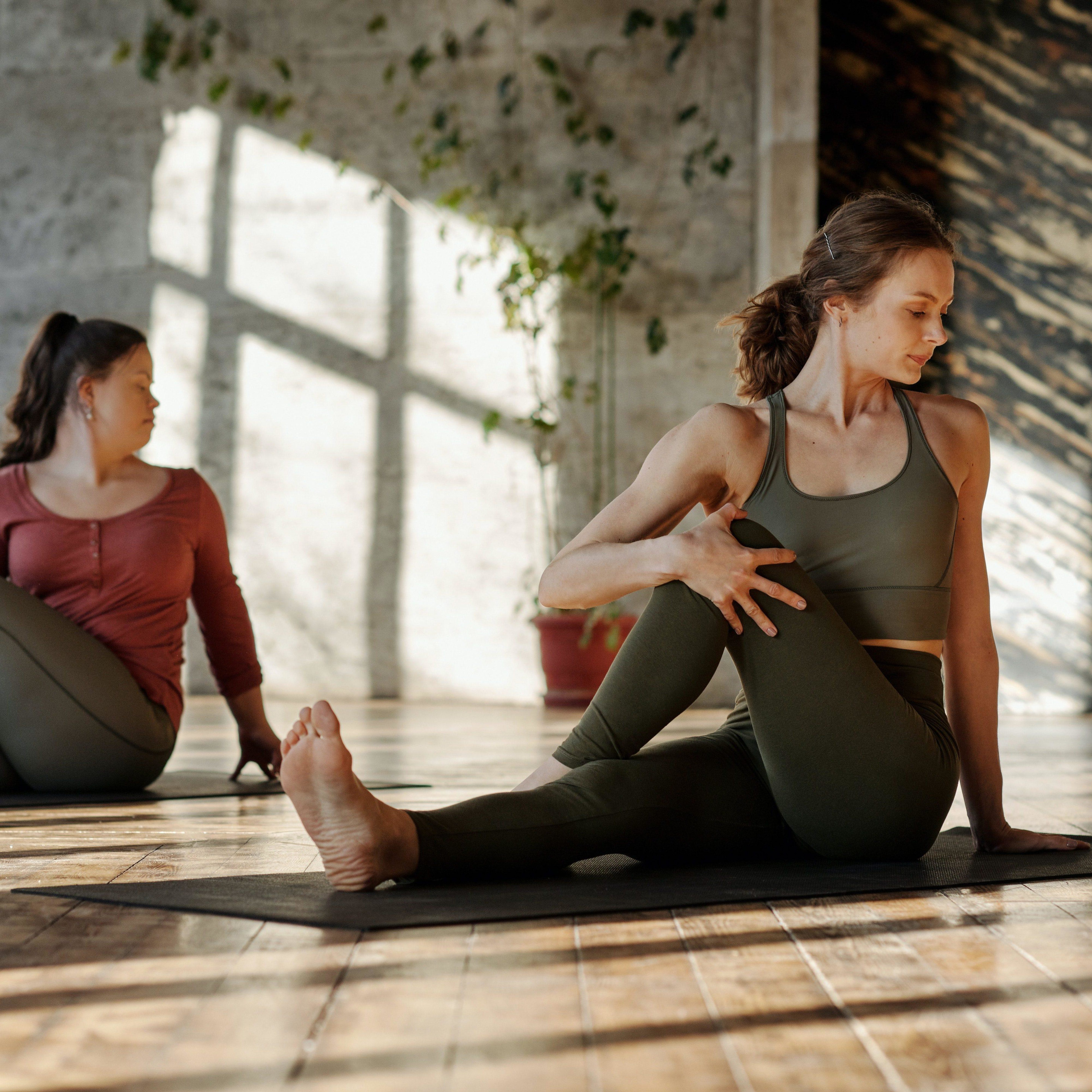
Prevention starts today—for a healthier tomorrow
Our Online Prevention Course


Why is prevention important?
Prevention is a central pillar of a modern healthcare system, even though many of its successes remain invisible because illness never develops in the first place—and that is precisely the greatest benefit of prevention.
It not only conserves resources but also improves the quality of life for every individual. Those who take care of their health early on remain productive, self-determined, and active for longer. Especially in an aging society with increasing rates of chronic diseases, the saying “prevention is better than cure” is not just an empty phrase—it is essential.
The benefits of prevention at a glance:
- Prevention of diseases such as cardiovascular disease, diabetes, or back pain
- Early detection, which enables effective and often less invasive treatment
- Cost savings—for the healthcare system as well as for those affected and their health insurance providers
Improved quality of life and mobility well into old age
- Increased health awareness and greater personal responsibility
Preventive measures have a long-term impact: They reduce the risk of serious illnesses and help us lead self-determined lives.


Types and examples of prevention
Prevention starts in everyday life—with small but effective decisions that pay off in the long run. A healthy lifestyle, targeted information, informed education, and regular health checkups form the foundation for physical, mental, and social well-being.
Among the most important measures are:
- Vaccinations against infectious diseases such as the flu, measles, or HPV—they protect not only the individual but also the wider community.
- Regular preventive examinations, such as health check-ups, cancer screenings, or skin screenings, enable the early detection of risks and increase the chances of successful treatment.
- A healthy diet rich in fresh, minimally processed foods supports metabolism, strengthens the immune system, and helps prevent chronic diseases.
- Regular exercise—such as endurance training, strength training, or targeted mobility training with aids like BLACKROLL foam rollers or balls—stimulates circulation, improves posture, and helps prevent muscle tension, back pain, and other ailments.
- Stress management through mindfulness, meditation, yoga, or other relaxation techniques contributes significantly to mental health and helps identify and manage inner restlessness or exhaustion early on.
- Health education—whether in schools, workplaces, or social settings—raises awareness of preventive measures and motivates people to adopt sustainable habits.
- Fascia care and muscle recovery—for example, using the STANDARD fascia roller from BLACKROLL—support physical recovery, prevent overexertion, and help correct muscular imbalances—ideal for people with predominantly sedentary jobs or those who are physically active.
These measures not only promote personal health literacy but also help firmly embed preventive routines into everyday life.


Concrete benefits for everyday life
A preventive lifestyle pays off immediately:It results in more energy, a better mood, restful sleep, and a stronger immune system . Concentration and well-being also improve .
In the long term, health promotion programs help prevent or alleviate chronic conditions such as back pain or high blood pressure. At work, this means fewer sick days, better working conditions, greater resilience, and a lower risk of burnout.
Prevention programs strengthen families when parents and children work together to incorporate small routines—such as mobility exercises or intentional breaks—into their daily lives.
Prevention affects not only the body but also mental health. In times of stress, digital overload, and pressure to perform, regular periods of rest, digital breaks, conversations, and mindful media consumption are important for recognizing the early signs of mental exhaustion and counteracting them. This allows potential health issues to be identified in a timely manner and prevents them from worsening.
Psychosocial health also plays a central role. Social isolation, chronic stress, and emotional overload are among the most common triggers of modern illnesses. Preventive measures such as group exercise, mindful breaks, or conversations with trusted individuals promote mental balance and strengthen emotional resilience.
Physical activity, a structured daily routine, and a stable sleep-wake cycle alsosupport mental health and help prevent burnout, depression, or anxiety disorders—leading to greater joy in life, inner balance, and lasting well-being.
Our prevention products for you
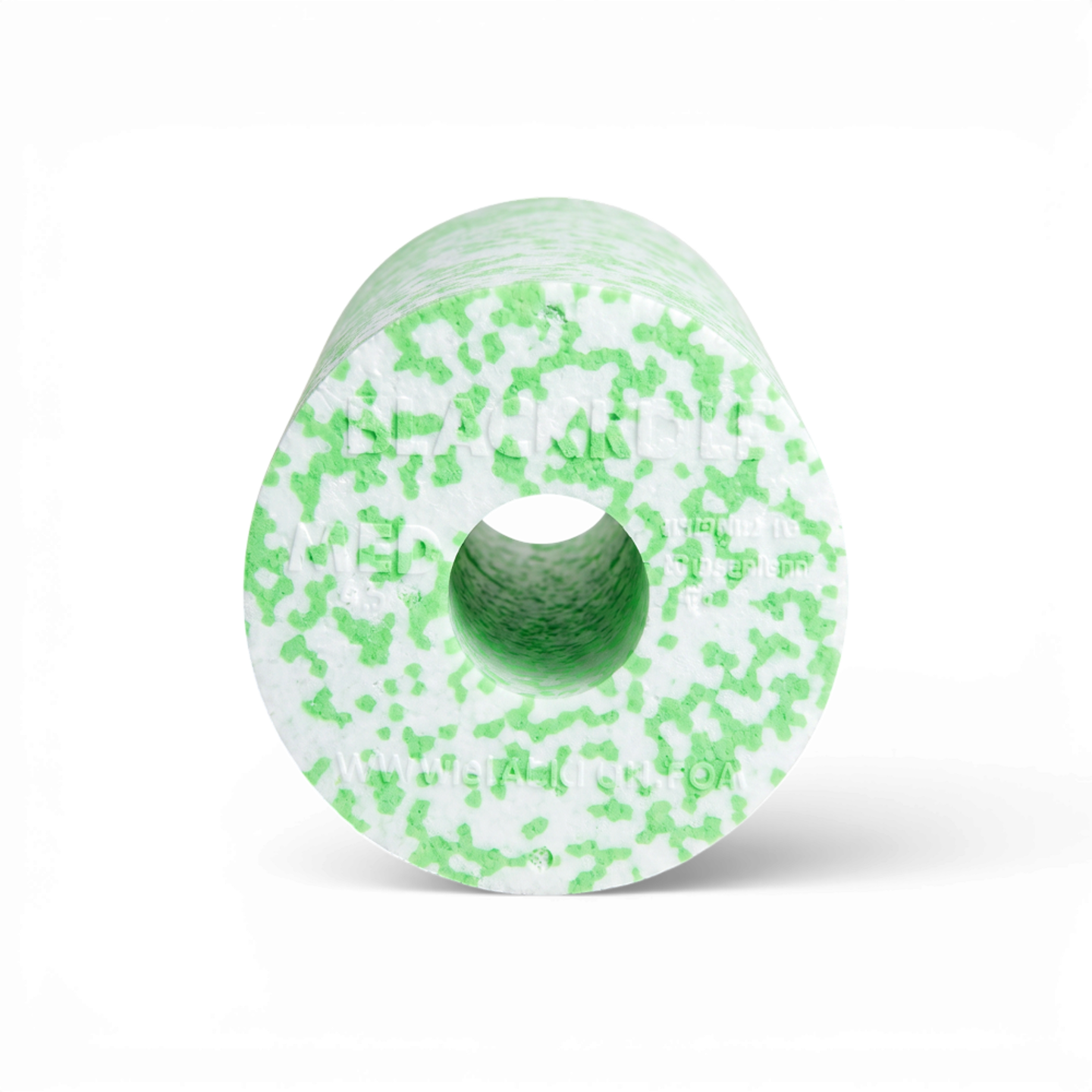
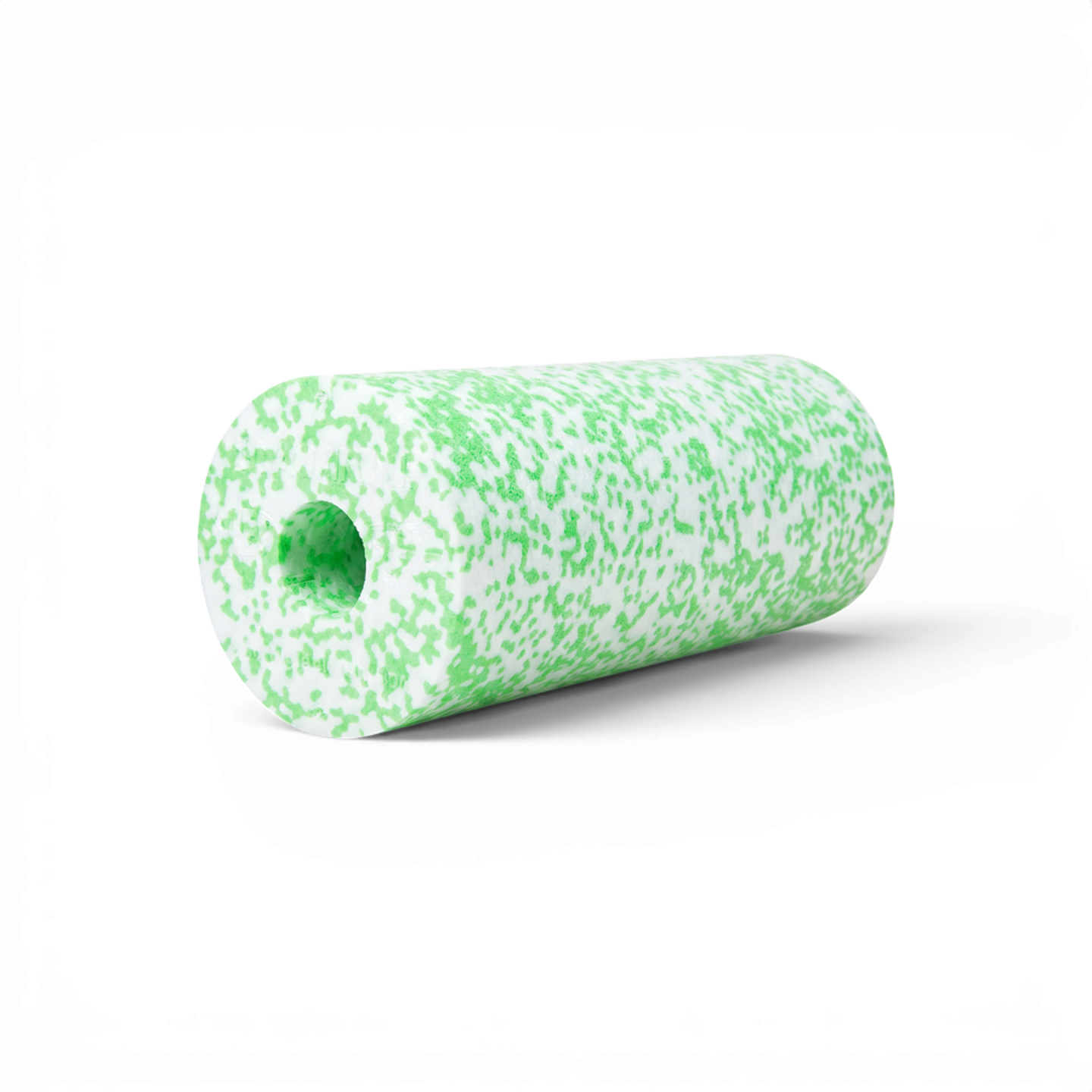
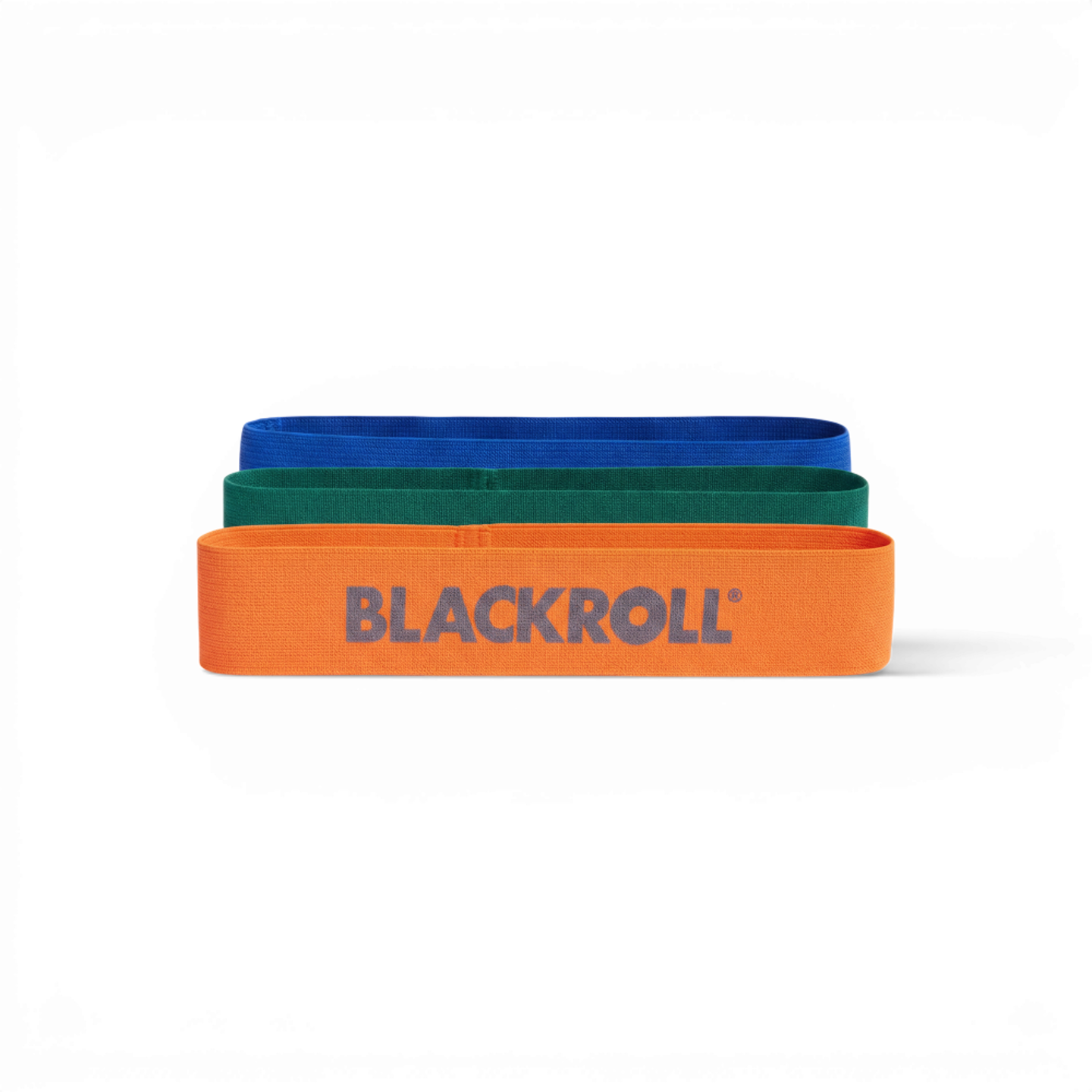


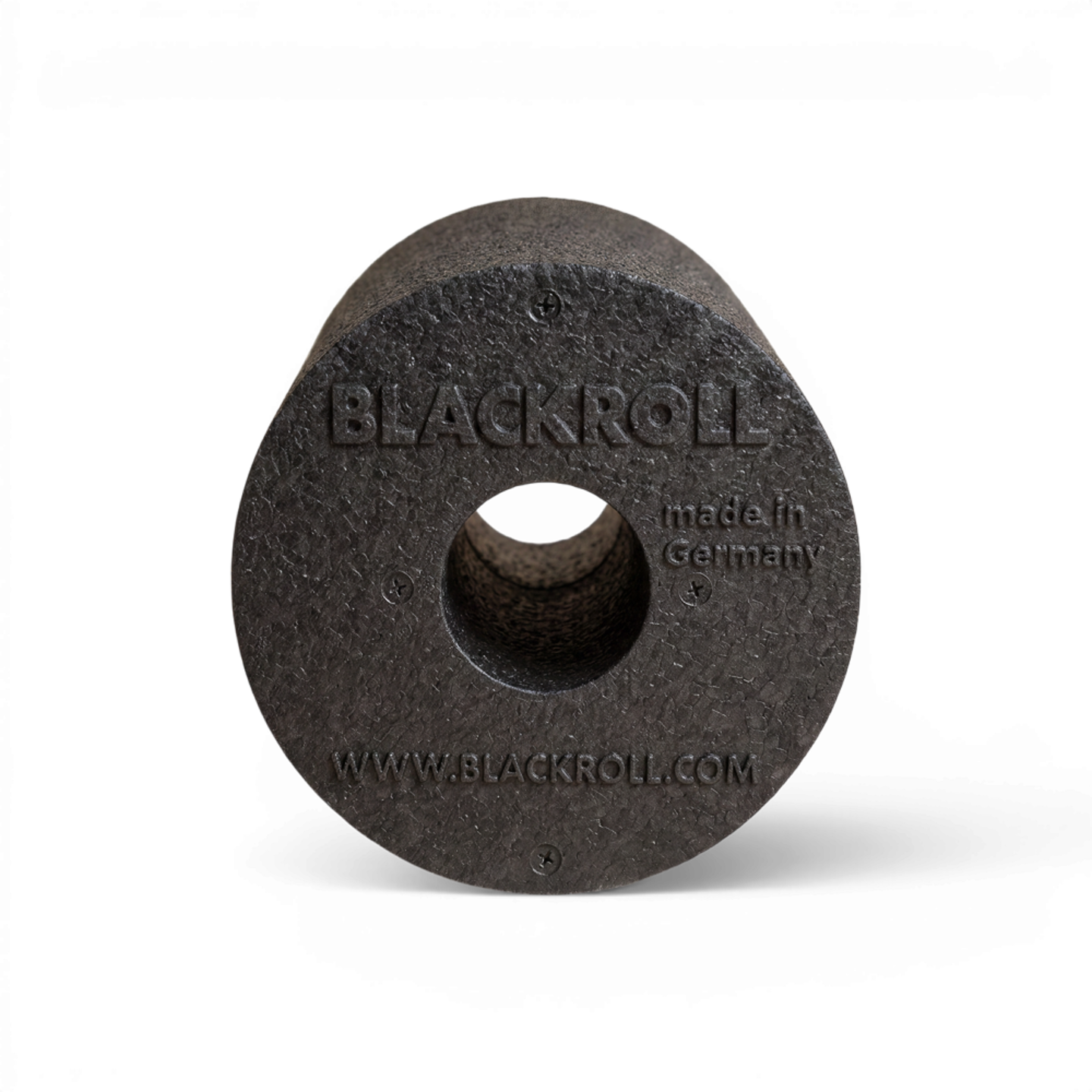
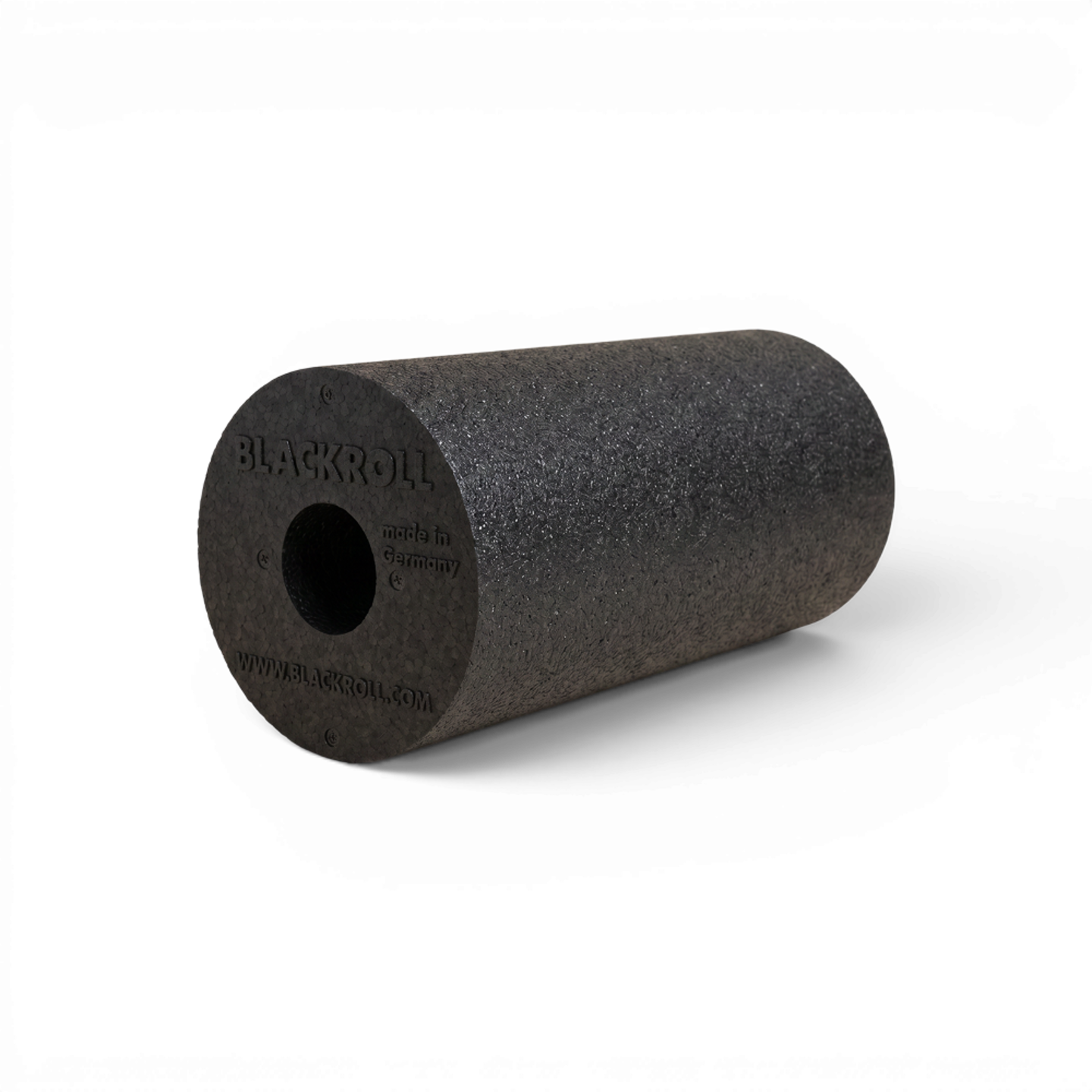
Standard
Available in multiple variants


Prevention in the Workplace: How Companies Promote Health
Health in the workplace also starts with prevention. More and more companies are focusing on workplace health promotion to keep their employees productive and motivated in the long term.
Ergonomic workstations, active breaks, stress management programs, and digital health coaching help identify and reduce stress early on. Prevention has a dual effect here: It improves personal well-being—and at the same time reduces absenteeism, employee turnover, and healthcare costs.
A holistic workplace health management program that addresses both physical and mental health factors is particularly effective.

Prevention courses, exercise, and recovery: Taking an active approach to risks
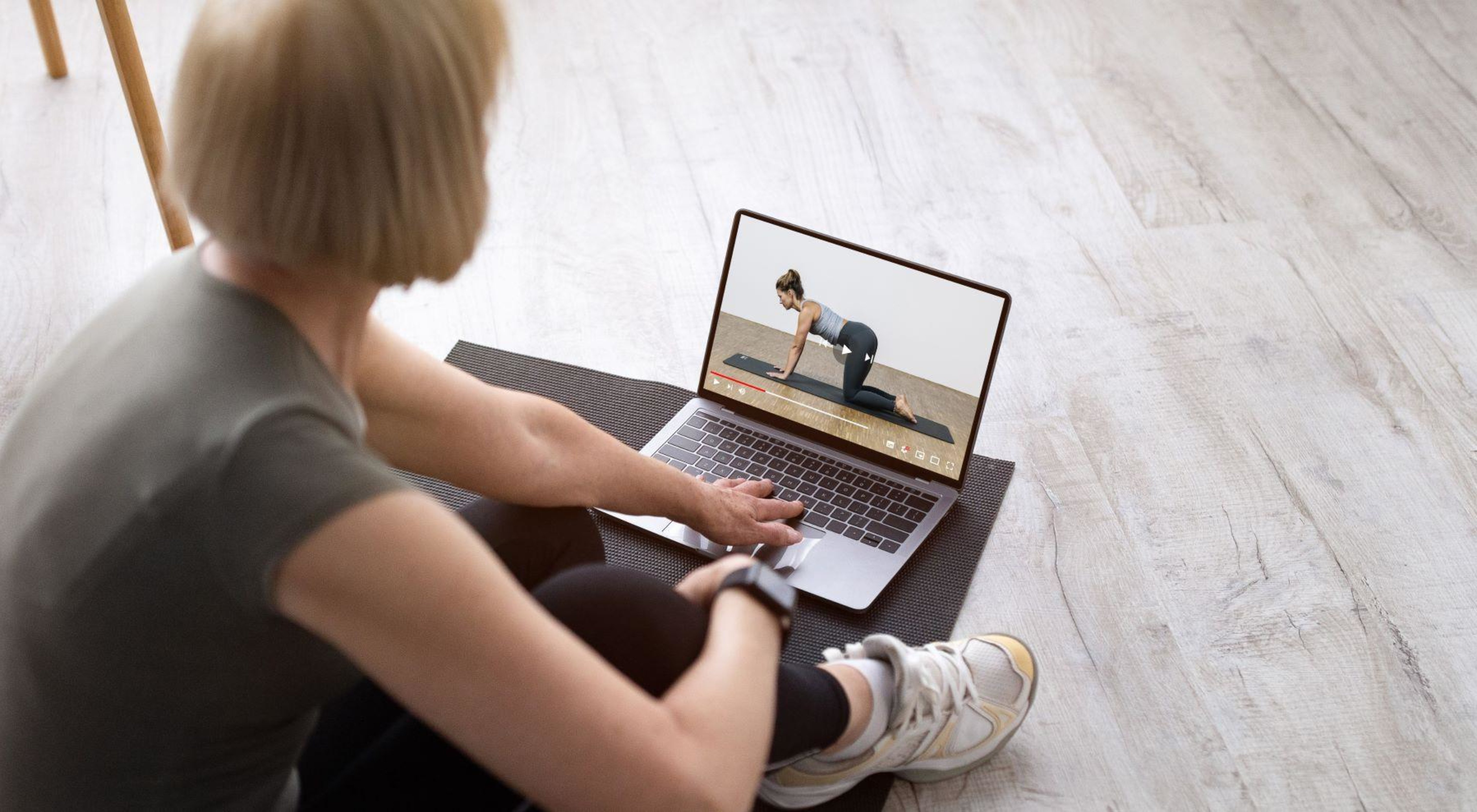
A central component of health promotion is modern prevention courses, such as those offered by BLACKROLL, among others. They combine scientifically sound knowledge with practical exercises and specifically promote health-conscious behavior in everyday life.
Exercise plays a particularly important role in this context: It strengthens the heart and circulatory system, improves metabolism, lifts your mood, and reduces numerous risk factors—from obesity to high blood pressure.
Fascia training, which is integrated into many of our courses, also supports physical health: It improves flexibility, relieves muscle tension, and prevents pain.
Regular, restful sleep and sufficient recovery time are equally crucial for preventing health issues. After all, only by giving the body enough rest can one remain healthy and perform at a high level in the long term.
All these elements—exercise, recovery, and mindful care of one’s own body—work together to help prevent illness and actively incorporate the importance of prevention into one’s lifestyle.

Prevention starts today—for a healthier tomorrow
Our Online Prevention Course


Who should practice prevention?
Health promotion affects us all.
That’s why preventive measures make sense for people of all ages—from daycare to retirement homes.
Every stage of life presents specific challenges and opportunities to learn about topics such as physical activity, nutrition, and stress management and to incorporate them into daily life:
- Children and adolescents: This is where important foundations are laid, because prevention has a lasting impact, especially for children and adolescents. Physical activity, healthy eating, mindful use of digital media, and positive coping with stress should be learned early on
- Adults and working professionals: They benefit particularly from finding a balance to their often sedentary work, from stress reduction, and from targeted physical exercise.
- Seniors: The goal is to maintain mobility and independence for as long as possible. Targeted exercises, social activities, and regular physical activity help maintain independence and reduce the risk of falls or chronic conditions
- Key influencers such as doctors, educators, and therapists: They play a vital role in providing guidance, sharing information, and helping to create an environment that promotes health
People with chronic conditions or a genetic predisposition should also actively work on their health care to prevent secondary conditions.

Conclusion
Prevention isn’t a one-time project—it’s a mindset that begins with every small decision. Those who understand how their lifestyle affects them make better decisions for their health. Those who take preventive measures early on not only live longer but, above all, live better.
Preventive health care strengthens both body and mind and is a key factor in improving quality of life, independence, and satisfaction. Significant progress can be made through simple measures such as regular exercise, a balanced diet, and mindful stress management.
A mindful approach to relevant factors such as nutrition, exercise, and stress management plays a crucial role in protecting your health—at any age.
Prevention doesn’t start tomorrow—it starts today. Take charge of your own health—with professional support, appropriate resources, a thoughtful assessment of risk factors, and active pursuit of your health goals—at home, at work, and in your daily life.
FAQ: Frequently Asked Questions About Prevention
FAQ: Frequently Asked Questions About Prevention
Measures that prevent diseases and health problems before they occur.
Modern lifestyles, longer life expectancy, and new diseases make prevention essential.
Vaccinations, a healthy diet, regular exercise, or preventive medical checkups.
It protects against disease, reduces healthcare costs, and improves quality of life.
Prevention prevents diseases, while treatment addresses them after they have developed.
Everyone, regardless of age or lifestyle, benefits in the long term—not just adults, but also children and adolescents.