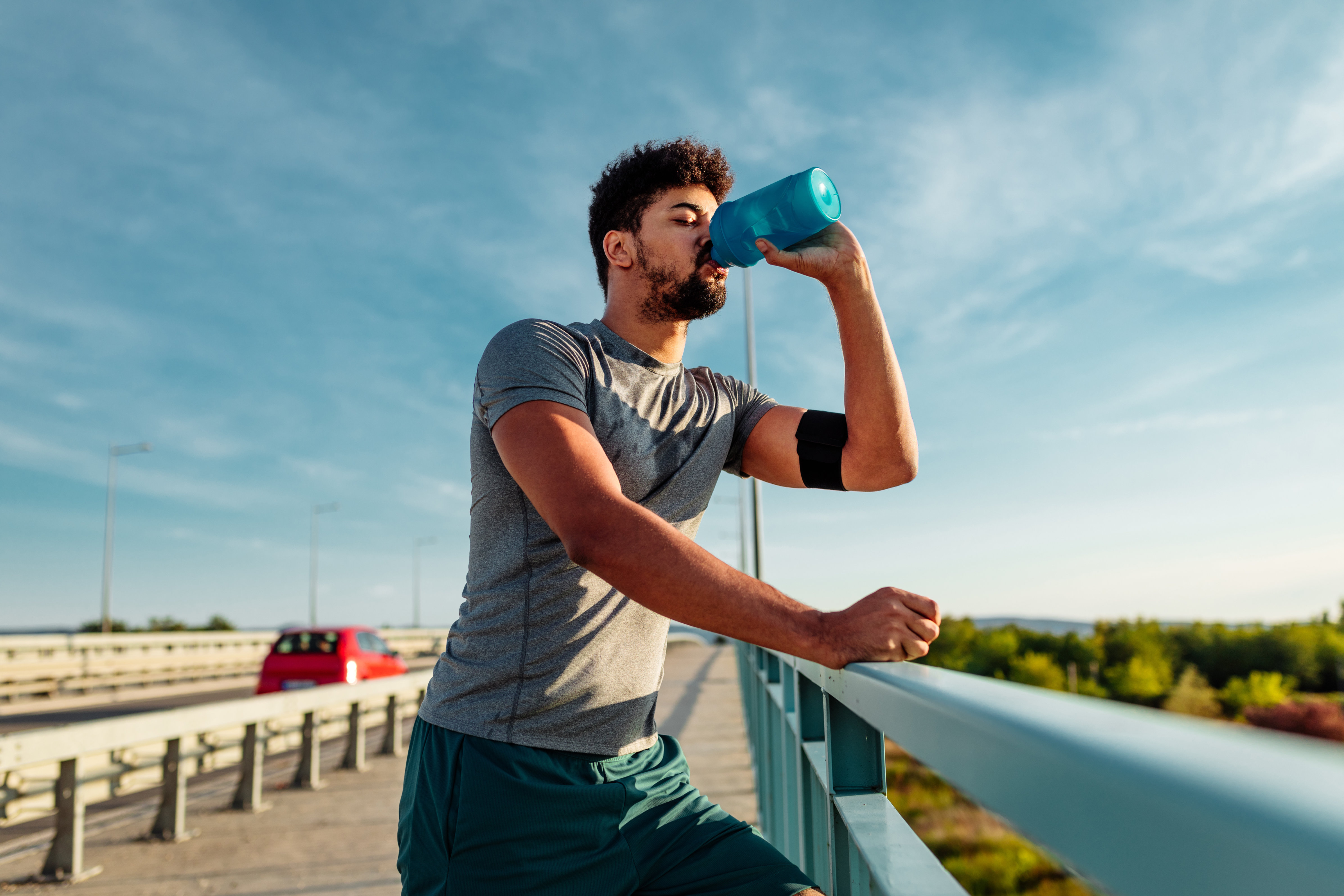
Hydration in Sports 🏃♂️ Tips for Maximum Performance and Health

Hydration—Why It’s So Important in Sports
When we talk about hydration in sports, we’re essentially talking about maintaining the body’s water balance during and after physical activity. This is particularly important for athletes and runners. During training or competition, you lose fluids and important electrolytes through sweating, which are essential for the body’s proper functioning. Balanced hydration at the right time helps maintain performance and optimize recovery after exercise.
The importance of adequate hydration in sports cannot be overstated. It not only keeps your body in balance but also supports nutrient distribution and temperature regulation. Even mild dehydration—as little as 2% of body weight—can already impair athletic performance. Typical post-workout symptoms such as thirst, fatigue, and muscle cramps can also indicate insufficient hydration.
To ensure you consume enough water, it’s recommended to drink sufficiently before your workout and then continue hydrating during exercise. A general rule of thumb is to drink about 100–200 ml of water every 15–20 minutes. However, the optimal amount depends on your individual sweat rate, the ambient temperature, and the intensity of your workout.
Hydration during exercise is key to performance, well-being, and healthy training. Therefore, it should be an integral part of your training plan.
Hydration and the Body: The Scientific Perspective
To fully understand the importance of hydration during exercise, it’s essential to look at the scientific perspective of our bodies and water. About 60% of the human body consists of water, which fulfills numerous key functions. It serves as our internal cooling system by protecting us from overheating through sweating, especially during intense physical activities such as running or other sports.
The water lost through sweating must be replenished to maintain optimal performance and overall well-being. Effective hydration during exercise is therefore essential for runners and, of course, all other athletes. Drinking water before, during, and after exercise helps maintain the body’s fluid balance and prevent dehydration.
However, it’s not just the quantity but also the quality of the fluid you consume that matters. Through sweating, you lose not only water but also essential electrolytes that are necessary for various bodily functions. Therefore, it’s advisable to opt for hypotonic beverages during longer training sessions or competitions.
Isotonic, hypotonic, and hypertonic beverages differ primarily in their osmolarity—that is, the concentration of dissolved particles relative to body fluids.
Isotonic beverages have a concentration similar to that of blood, which allows for rapid absorption of fluids and electrolytes.
Hypotonic beverages have a lower concentration of dissolved particles than blood. They are absorbed more quickly and are particularly suitable for short or less intense training sessions where the main focus is on hydration.
Hypertonic beverages have a higher concentration of dissolved particles than blood. They provide more energy through a higher sugar intake but can slow down fluid absorption. These are better suited for replenishing energy after a workout but should be consumed in moderation to avoid stomach discomfort.
Adult athletes and runners should therefore always ensure adequate hydration during exercise. The exact amount of fluid required varies depending on activity level, body size, and environmental conditions.
Dehydration Despite Drinking Plenty? The Right Amount to Drink
Dehydration despite drinking plenty of fluids can have various causes. A common problem is that the body loses more fluid than it takes in. This can be caused by excessive sweating, diarrhea, vomiting, or certain medical conditions such as diabetes. Consuming alcoholic beverages can also impair fluid absorption, as they have a diuretic effect. Sometimes the body is also unable to efficiently absorb or utilize water, for example, in cases of certain kidney diseases or due to insufficient electrolyte intake. If you engage in intense physical activity, it’s important to consume not only water but also electrolyte-rich beverages to maintain a balance of fluids and electrolytes.
But how much should you actually drink?
The recommended amounts to drink before exercise naturally vary. It’s advisable to drink 500 ml 2–3 hours before starting your workout and then another 200–300 ml 20 minutes before you begin.
Hydration during exercise should also not be underestimated. The goal is to prevent fluid loss from exercise as evenly as possible. Recommendations vary here, but a good guideline is to drink about 100–200 ml of water every 15–20 minutes. Of course, this can vary depending on the intensity and duration of the physical activity.
After exercise, the recommended amount to drink is intended to replace lost fluids and support recovery. As a general rule, this is 1.5 times the amount of fluid lost during exercise. So, if you lost one liter during a run, you should drink 1.5 liters after the run.
However, these amounts are only guidelines. Ultimately, your exact fluid needs depend on many factors, including body weight, weather, the salt content of your sweat, and the intensity of your workout. It’s always important to listen to your own body and recognize the signs of dehydration.
How much water can the body absorb per hour?
The human body can absorb about 0.8 to 1.0 liters of water per hour. This absorption capacity can vary depending on individual factors such as age, gender, physical activity, and ambient temperature. During intense physical activity or in hot climates, fluid requirements may be higher, but even then, it is important to spread out water intake evenly to avoid overloading the gastrointestinal tract and to ensure efficient absorption.
Optimize Hydration for Your Training Plan
Hydration strategies are one of the key elements of “hydration in sports.” It’s important to understand that your body manages water differently during various phases of a workout. Here are five tips on how to optimally tailor your fluid intake to your workout plan.
1. Before your workout: Start your workout well-hydrated. One tip we can offer is to drink at least 0.5 liters of water about two hours before your workout. This gives your body enough time to absorb the fluid and excrete any excess.
2. During your workout: Regardless of fitness level, athletes need to stay hydrated while they’re active. Your body loses water and electrolytes through sweating. To replenish these losses, you should drink about 100 to 200 ml every 15 to 20 minutes.
3. After your workout: Quickly replenishing your fluid stores after a workout supports your body’s recovery processes. So try to drink water immediately after exercising.
4. Consider various factors: When planning your hydration strategy, take into account the intensity of your workout, the weather, and your individual needs. Hot or humid conditions, for example, can cause you to sweat more and thus require more fluids.
5 . Use other beverages: Plain water isn’t the only way to increase your fluid intake. Isotonic drinks or water with electrolyte mixtures can quickly and efficiently replenish the electrolytes and carbohydrates lost during exercise.
Symptoms of Dehydration
Hydration is a key issue in sports. Runners and other endurance athletes, in particular, rely on adequate fluid intake to perform at their best and maintain their health. But it’s not always obvious whether your fluid levels are in the safe range.
Here are some symptoms that might indicate you haven’t drunk enough.
1. Persistent fatigue: If you constantly feel tired and unmotivated despite getting enough sleep, insufficient fluid intake could be the cause. Water is essential for numerous bodily functions, including energy metabolism.
2. Headaches: When you’re dehydrated, the blood vessels in your brain constrict, which can lead to headaches.
3. Dark urine: Urine is a good indicator of your hydration status. If it’s dark and has a strong odor, you’re likely dehydrated. You can also find so-called urine charts at pharmacies.
Urine charts are visual tools that assess your hydration status based on the color of your urine. They consist of a color scale ranging from light yellow to dark brown:
- Light yellow to straw-colored: indicates good hydration.
- Dark yellow: indicates that more fluids are needed.
- Amber to brown: indicates possible dehydration and requires urgent fluid intake.
4. Dry skin and lips: The skin is the largest organ in the human body and needs sufficient fluids to remain supple and healthy.
5. Nausea: When the body lacks water, it can affect your well-being and cause nausea.
6. Dizziness: A lack of fluids can lead to low blood pressure, which in turn can trigger dizziness.
Be mindful of your body and try to recognize these signs. In cases of severe dehydration, it’s important to act quickly and drink enough fluids. Especially for athletes, consistent and adequate hydration is crucial for performance, well-being, and health.
Drink Selection: What to Drink While Jogging
Choosing the right beverage is crucial for optimal hydration during exercise. Not every drink is suitable for running or can meet your hydration needs during or after an intense workout.
Water is undoubtedly an essential beverage. Not only is it calorie-free, but it’s also the most effective drink for replenishing fluid loss. For athletes who train for less than an hour, plain water is usually sufficient.
However, during longer runs—especially in hot weather—electrolyte loss through sweating can be a problem. That’s why you should also drink water with an electrolyte mix.
Coconut water is often recommended as a natural alternative to commercial sports drinks because it is rich in potassium, an important electrolyte. However, it contains less sodium—which is also important during intense sweating—than most sports drinks.
Herbal and fruit teas can also be a good option. They not only meet your fluid needs but also provide various beneficial phytochemicals.
As a general rule, you should avoid sugary sodas or alcohol. They are counterproductive to hydration during exercise, as they can dehydrate the body.
Ultimately, the best choice of beverage depends on the type, intensity, and duration of your exercise, your individual preferences and needs, and how well you tolerate the beverage during your workout. It’s important to try out different options and listen to your body’s signals.
Myths and Facts About Hydration
There are numerous myths and facts surrounding hydration during exercise. Here are a few of them:
Myth #1: As long as you drink a lot—drinking huge amounts of water is perfect for athletic performance. This is only partially true. Proper hydration during exercise is essential, but too much water can lead to a dangerous electrolyte imbalance in your body, known as water intoxication. However, there’s no need to panic: To develop water intoxication, you’d have to drink 5–6 liters of water within a few hours.
Myth #2: You always need special sports drinks while exercising. That’s not necessarily the case. While such drinks do provide you with important minerals and electrolytes, plain water is sufficient for moderate workouts lasting less than an hour.
Myth #3: Drinking when you feel thirsty is enough. Unfortunately, this myth is false. Your sense of thirst isn’t an accurate indicator of hydration, especially during strenuous physical activity. That’s why it’s better to drink small amounts regularly.
Here’sa helpful tip from us: An easy way to monitor your hydration while exercising is to check the color of your urine. Clear or light yellow urine means you’re well-hydrated. Dark yellow or honey-colored urine, on the other hand, indicates dehydration.
Have your water bottle ready!
Conclusion: Optimal Hydration During Exercise
During exercise, optimal hydration is crucial for your performance and well-being. It’s very important to replenish the fluids you lose, but you also need to pay attention to the right timing and the type of fluid you consume.
First, it’s recommended to drink enough before your workout so you start your exercise well-hydrated. During your workout, it’s important to drink small amounts regularly to replenish lost fluids without overloading your digestive system. Beverages containing electrolytes are particularly beneficial here because they help maintain the body’s electrolyte balance and can thus prevent cramps.
After your workout, rehydration is an important step that’s often neglected. Here, too, you should ideally use electrolyte solutions to quickly restore your body’s balance. But avoid the mistake of drinking too much too quickly. Instead, drink moderate amounts over a longer period of time.
Furthermore, your diet can also contribute to optimal hydration during exercise. A balanced, varied diet rich in fresh fruits and vegetables provides you with important electrolytes in addition to fluids, and can thus effectively help maintain your body’s fluid balance.
With these strategies in place, nothing stands in the way of improved athletic performance. Always remember: Every body is unique and therefore requires a personalized hydration plan. Experiment and find out what works best for you and what benefits your body and your health.
Stay well-hydrated and good luck with your sports!