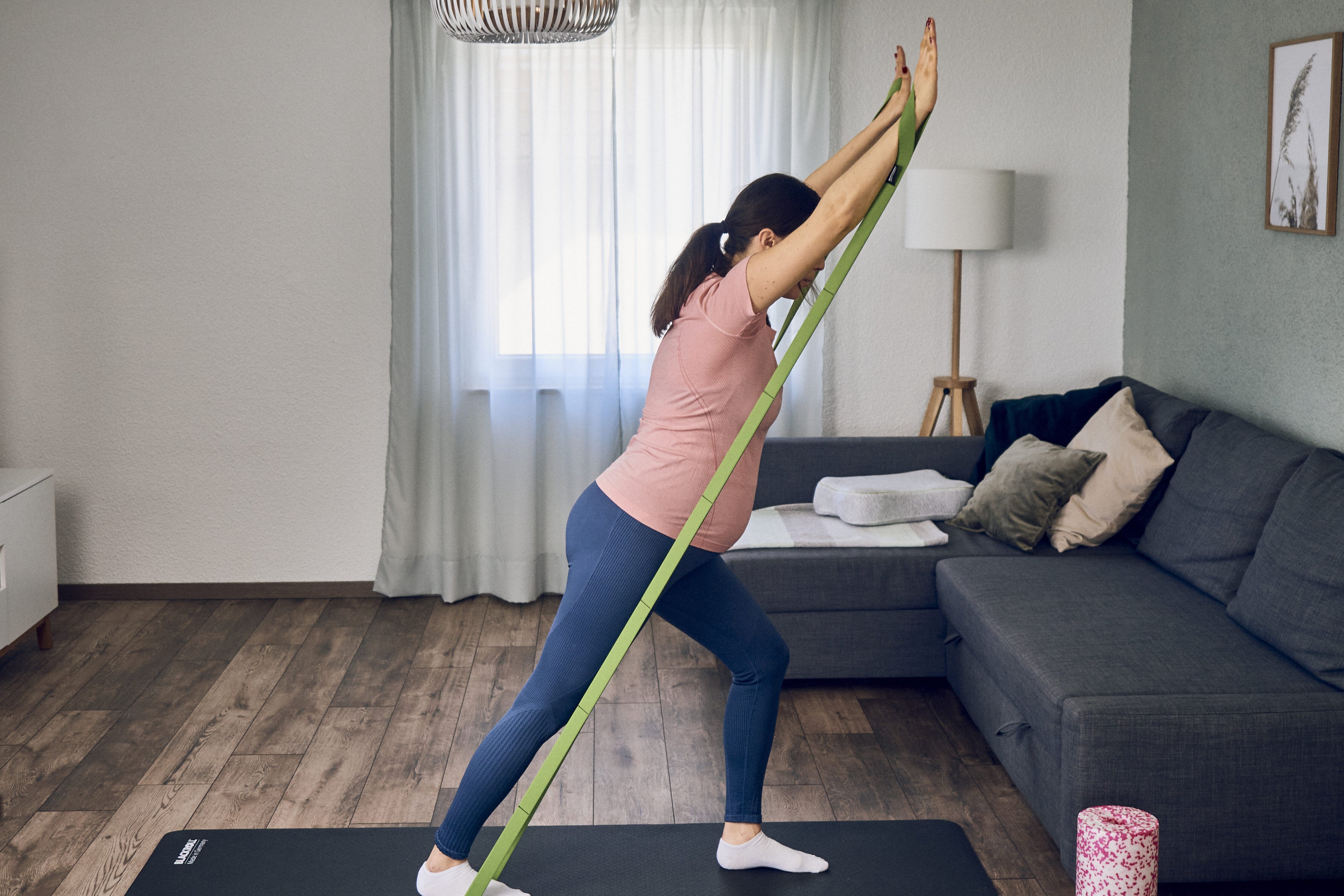
Exercise During Pregnancy: What’s Allowed?

Here’s what you should keep in mind to stay fit throughout your pregnancy.
“Take it easy and eat for two”—many of these old sayings are outdated these days, and that’s a good thing. Exercise during pregnancy is an important topic for many women—and it should be. But questions quickly arise: Which exercises are still safe to do? How intense should workouts be for pregnant women, and which muscles should—and are allowed to—be trained? Your body changes during pregnancy, and you should take that into account.
Here, you’ll learn about the physical changes that occur during pregnancy, how they affect your body, and what you should pay attention to and focus on when exercising.
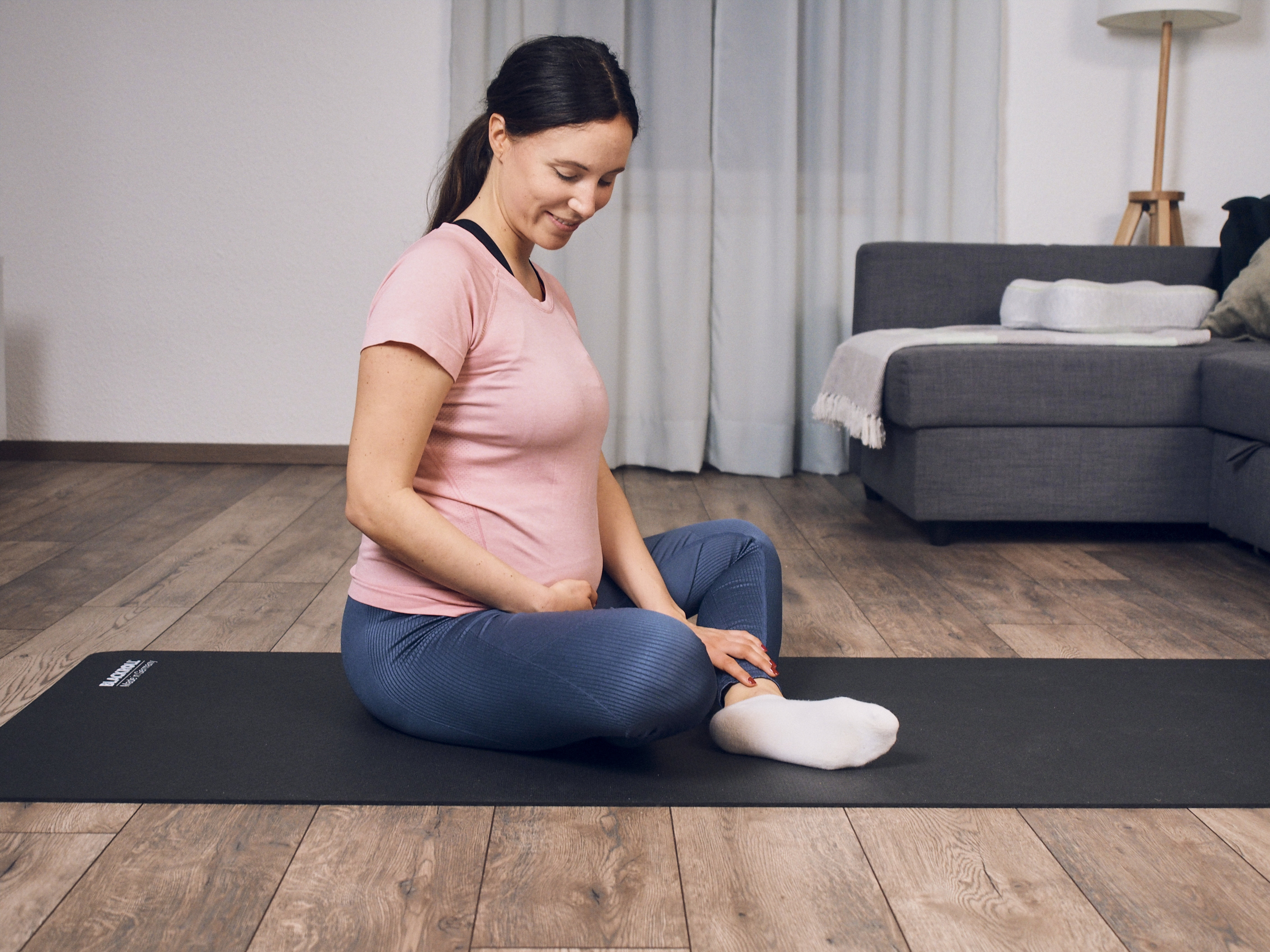
01. Changes to Your Body During Pregnancy
As the baby grows, the mother’s center of gravity shifts further and further forward. This leads to hyperlordosis (an increased curve in the lower back), which in turn results in, among other things, reduced activity in the gluteal muscles. This places a great deal of strain on the back and shoulder muscles, which can lead to tension and pain in these areas. An upright posture and strong postural muscles are therefore so important both in daily life and during exercise while pregnant, as they help prevent excessive tension.
As the baby’s birth weight increases, the rectus abdominis muscles move further and further apart on both sides, resulting in a condition known as rectus diastasis to make room for the baby in the abdominal cavity. For this reason, as your belly grows, you should avoid strength training that targets the rectus abdominis muscles during pregnancy. Switch to training your lateral core muscles to keep your core stable.
The pelvic ring and its ligaments become more elastic due to hormonal changes during pregnancy, preparing the body for the upcoming birth. As a result, the abdominal and back muscles, as well as the diaphragm, become increasingly unbalanced, leading to core instability and significant strain on the pelvic floor. This is why, when you’re pregnant, you should avoid quick twisting and stopping movements, as your body lacks the stability to compensate for and cushion these movements.
Especially during the final months of pregnancy, your diaphragm—your most important breathing muscle—is pushed higher and higher by the growing baby, which restricts its function. Exercising during pregnancy deepens your breathing, activates and strengthens the diaphragm, which improves the return of blood and lymph fluid to the heart and can help counteract water retention.
Pregnancy causes changes in hormone levels in your body. Hormones such as estrogen, progesterone, HCG (human chorionic gonadotropin), and HPL (human placental lactogen) lead to increased fluid retention in the skin. These hormonal changes slow down blood flow, affect blood clotting, and cause the tissue to become softer. This increases the risk of thrombosis (blood clots) during pregnancy. The deep veins in the legs are particularly susceptible to this. This makes it all the more important to exercise during pregnancy. Exercise and physical activity improve blood flow through your blood vessels, which significantly reduces the risk of thrombosis.
Over 40% of all women experience constipation during pregnancy. This can lead to discomfort, bloating, and even hemorrhoids. The causes of this can be varied and multifaceted. These include changes in diet, hormonal shifts that slow down the bowels, the growing baby pressing on the intestines, and a lack of exercise. That’s why it’s especially important to drink enough water during this time and to incorporate exercise into your daily routine while you’re pregnant.
02. How to Adapt Your Exercise Routine During Pregnancy to Account for Physical Changes
- You should strengthen your postural muscles to prevent tension in your back and shoulders
- You should avoid exercising your rectus abdominis muscles, especially during the last three months of pregnancy, so as not to further aggravate diastasis recti (separation of the rectus abdominis muscles). However, exercises done on your side or in a side plank position are ideal for working the oblique abdominal muscles, which provide your core with much-needed stability.
- You can relieve strain on your core through moderate exercise of your back, lateral core muscles, and pelvic floor.
- The importance of engaging your diaphragm should not be underestimated; it also has a positive effect on your core’s mobility and promotes lymphatic and blood return

Stress Management During Pregnancy—Your Course for Greater Serenity.
Click here for your online stress management course03. What to Keep in Mind During a Pregnancy Workout
Avoid lying on your back to prevent circulatory problems
Most women know that lying on your back—and therefore doing exercises in this position—can lead to dangerous circulatory problems during the third trimester. This is known as “vena cava syndrome,” which occurs when the baby presses on the vena cava while the mother is lying on her back, thereby impairing the return of venous blood to the heart. This can result in a sudden drop in blood pressure, potentially leading to fainting and reduced blood flow to the baby. Since 30–40% of pregnant women experience these symptoms, we recommend avoiding exercises in the supine position, especially during the last three months of pregnancy.
Don’t overexert yourself and stick to aerobic exercise
The increase in blood plasma volume places a significantly greater strain on the cardiovascular system. To avoid compromising blood supply to the uterus and overburdening the mother’s cardiovascular system, it is advisable to keep your workouts within the aerobic zone. As long as you can carry on a conversation effortlessly during your workout, you’re in the aerobic zone—you can use that as a rule of thumb.
Build your muscular endurance and improve the oxygen content in your blood
Exercise and physical activity increase the oxygen content in your blood, which is then passed on to your baby. Your heart rate should not exceed 145 beats per minute during your workout, and we recommend adjusting your routine to focus on building muscular endurance. Use your heart rate as a guide if you still feel like jogging during pregnancy. By training your cardiovascular system, you increase your oxygen intake through deeper, more frequent breathing. This also strengthens your diaphragm and improves core mobility.
Train your pelvic floor and engage it during your workout
Fortunately, the concern that activating and exercising the pelvic floor muscles during pregnancy can trigger premature labor is no longer valid. On the contrary, a well-trained pelvic floor muscle can be both better activated and more easily relaxed. And both of these are very important during pregnancy and also during childbirth. Pressure on the pelvic organs and the pelvic floor increases progressively during pregnancy. When faced with additional pressure—such as from laughing, sneezing, or coughing—the pelvic floor should be able to withstand this pressure to prevent involuntary leakage of urine, stool, or gas. That’s why we recommend moderate pelvic floor exercises even during pregnancy, so you can actively engage and relax these muscles.
"Exercise remains important—even during pregnancy. If you keep a few things in mind, you can do a lot to support your well-being—especially for the time after pregnancy with your baby."
Tina, Expert in Prenatal Workouts
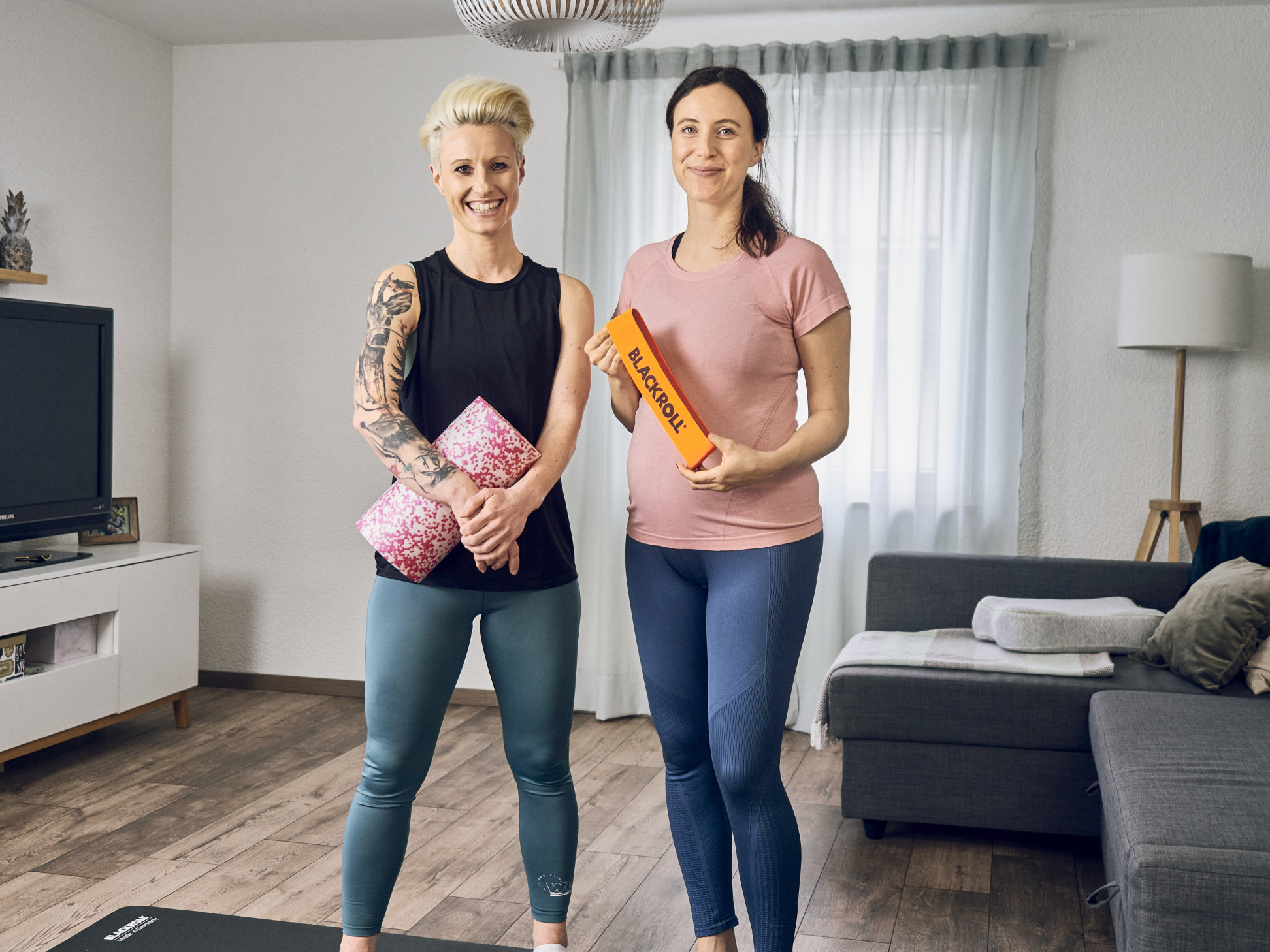
04. Positive Effects of Exercise During Pregnancy
- Exercise Boosts Your Well-Being
- Muscular imbalances and tension improve
- You build strength endurance, which increases the supply of oxygen to your body
- Exercise increases blood flow and stimulates digestion
- You’ll learn to contract and relax your pelvic floor, which is especially important during childbirth
Get started right away with the pregnancy exercise routines:
Want to get started right away and enjoy the many benefits of a workout tailored to the needs of pregnancy? We’ve put together two prenatal workouts for you that include exercises to stabilize and strengthen your back and shoulder girdle, as well as your core, pelvic, and leg muscles. You can do them 2–3 times a week, no matter how far along you are in your pregnancy. Give them a try right away. >


05. Conclusion: Exercise During Pregnancy
Our conclusion on exercise during pregnancy is that movement and targeted muscle activation not only keep you fit and flexible. Exercise during pregnancy also boosts your well-being, increases oxygen supply to your body, helps you prepare for the upcoming delivery, and strengthens your core. Moderate strength-endurance training, tailored to your fitness level before pregnancy, is highly recommended. Before you begin training, it is essential to discuss this with your obstetrician.


Loop Band
Available in multiple variants