What provides immediate relief for calf pain? Seven proven treatment methods

In a nutshell: What is calf pain?
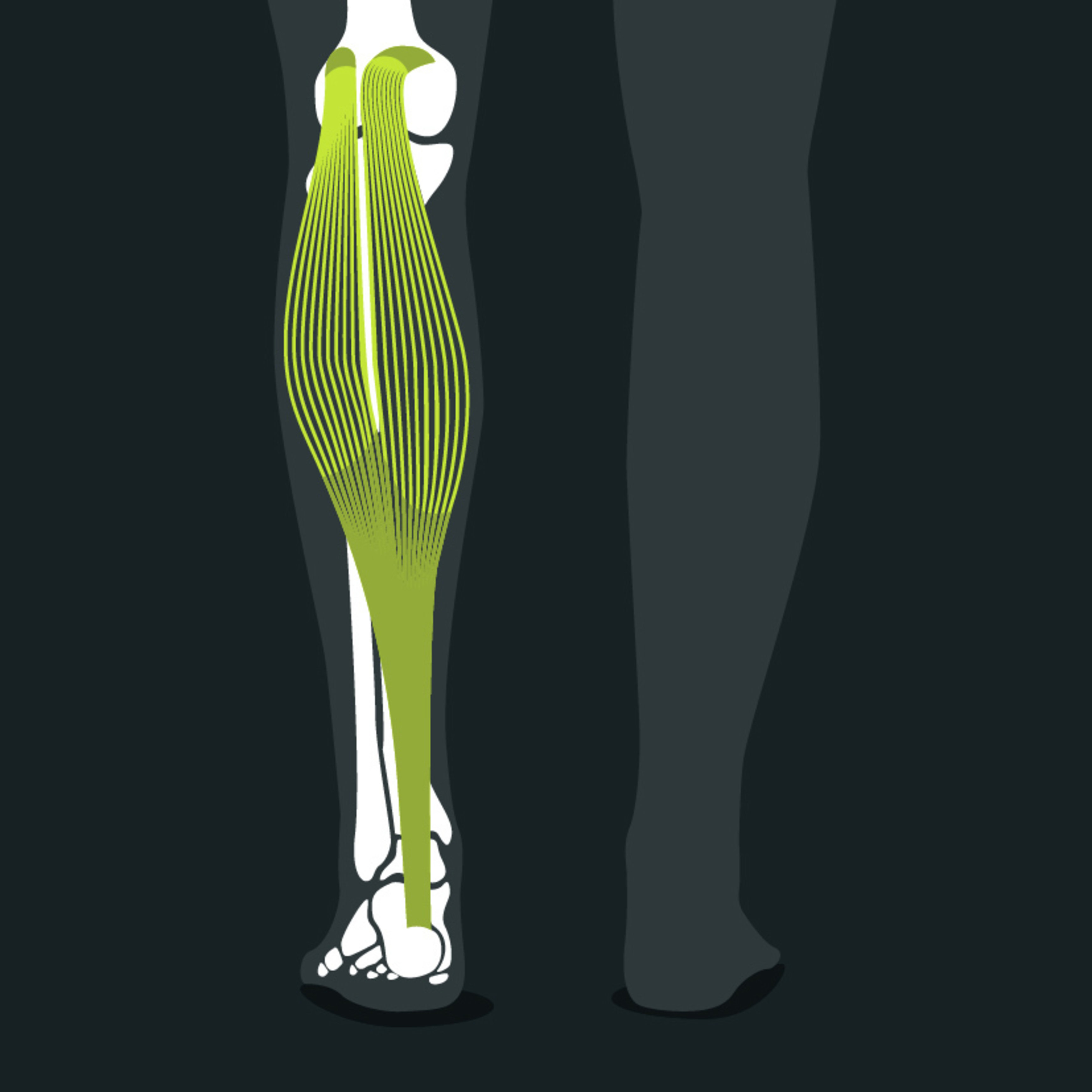
Calf pain refers to discomfort in the lower back of the leg between the back of the knee and the heel. The most common cause is overuse of the calf muscles, which consist of the gastrocnemius, soleus, and plantaris muscles.
According to the German Society for Sports Medicine (2023), 78% of calf pain is caused by muscular factors such as cramps, strains, or contusions. These symptoms usually subside within 3–7 days and respond well to stretching, massage, and exercise therapy in over 85% of cases (Sports Medicine Review, 2023).
In rarer cases—less than 5% — circulatory disorders or nerve irritation are the triggers of the pain. These occur, for example, in cases of compartment syndrome or deep vein thrombosis. If you experience symptoms such as swelling, numbness, or pain at rest, you should seek medical advice immediately to avoid serious complications (European Society of Cardiology, 2022).
Symptoms of Calf Pain
Calf pain can be experienced in many different ways—depending on the cause, severity, and timing of its onset. These symptoms are the most common:
- Pain at rest or during physical activity (walking, climbing stairs, jogging)
- Limited range ofmotion in the ankle or leg
- Loss of strength when pushing off or extending the foot
- A cramping sensation or tightness in the calf muscles
- Tingling, numbness, or “electric shock-like pain” (indicating nerve involvement)
- Nighttime cramps
Warning signs: If the pain occurs suddenly, on one side only, or in conjunction with swelling, redness, or shortness of breath, you should seek medical attention.
Remedies for calf pain
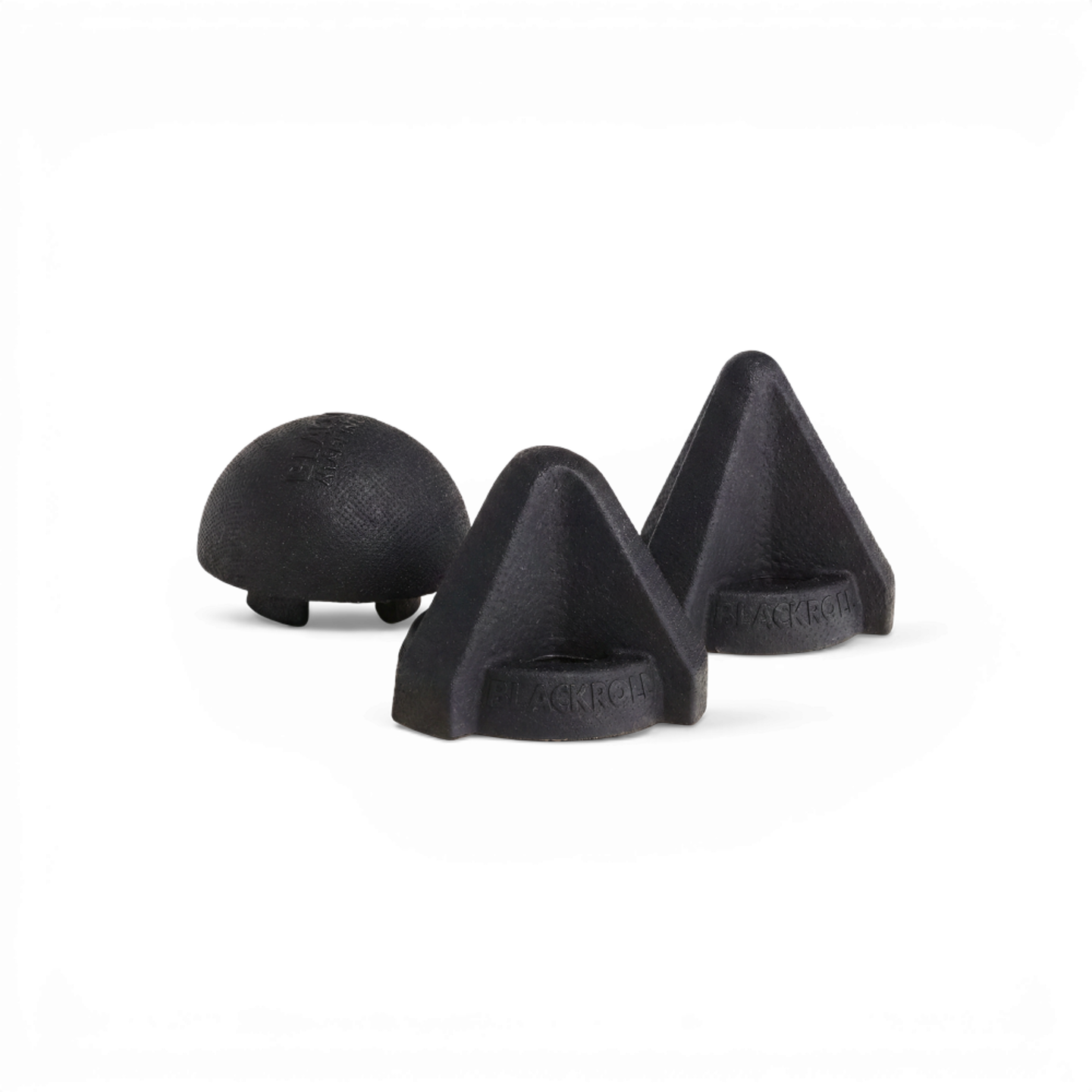
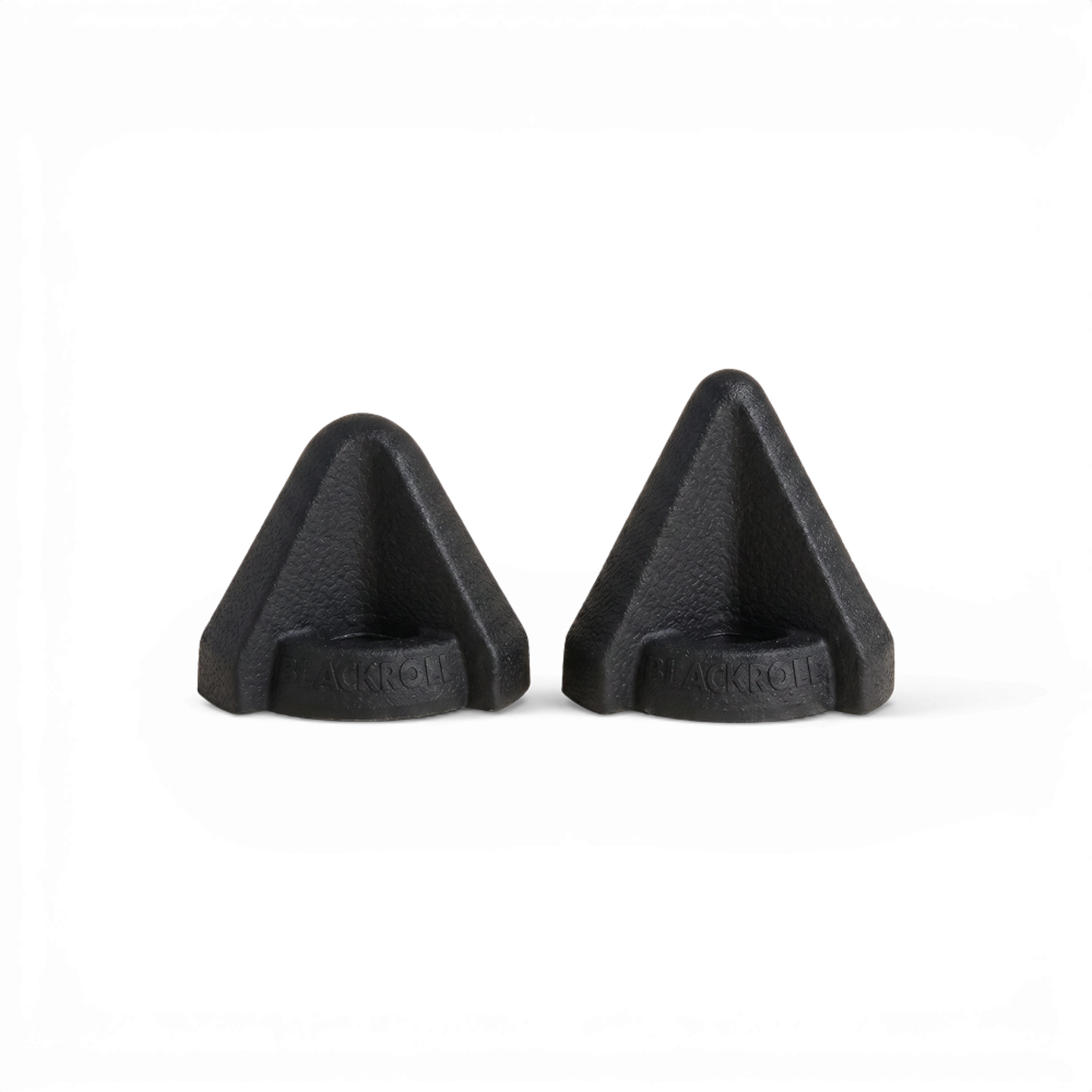
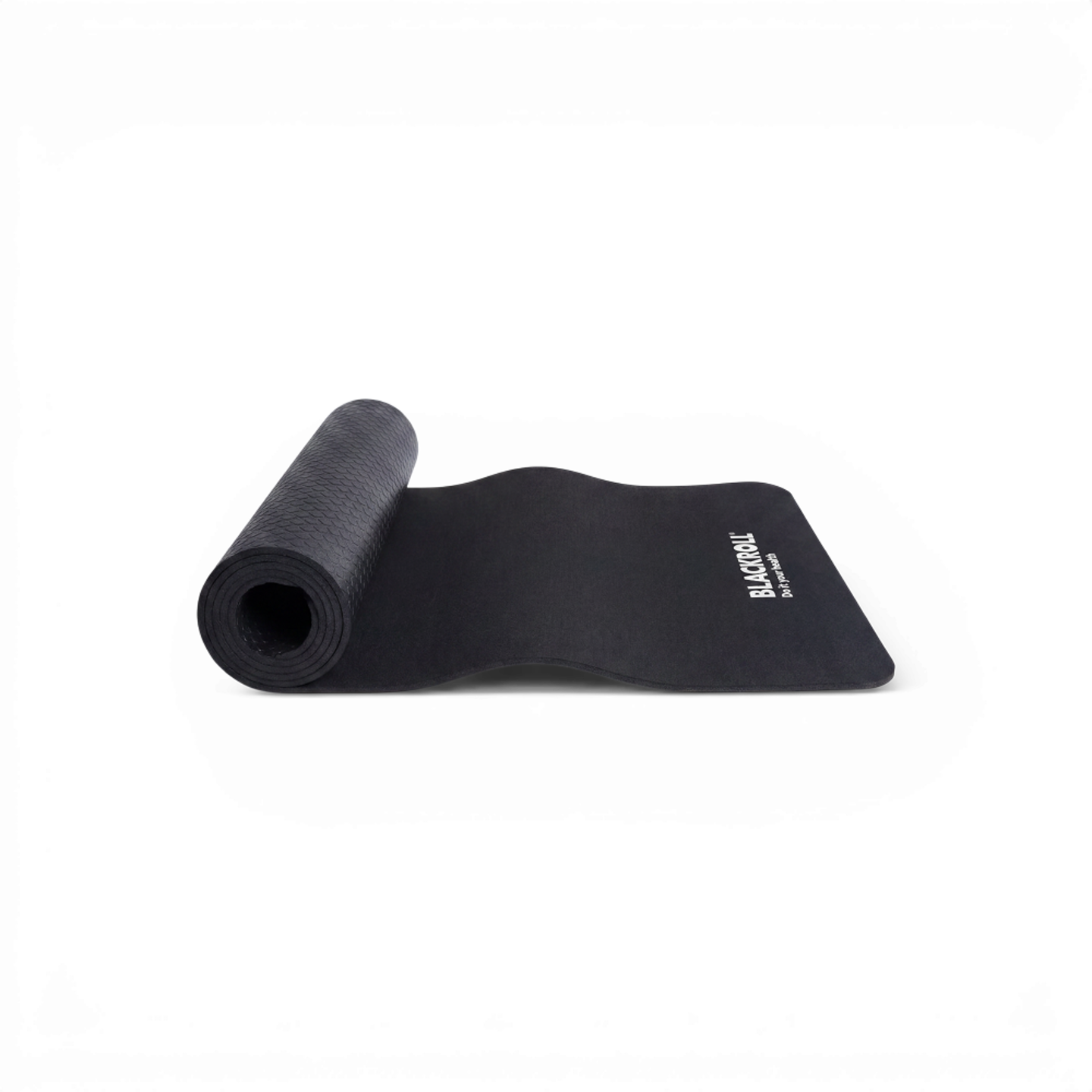
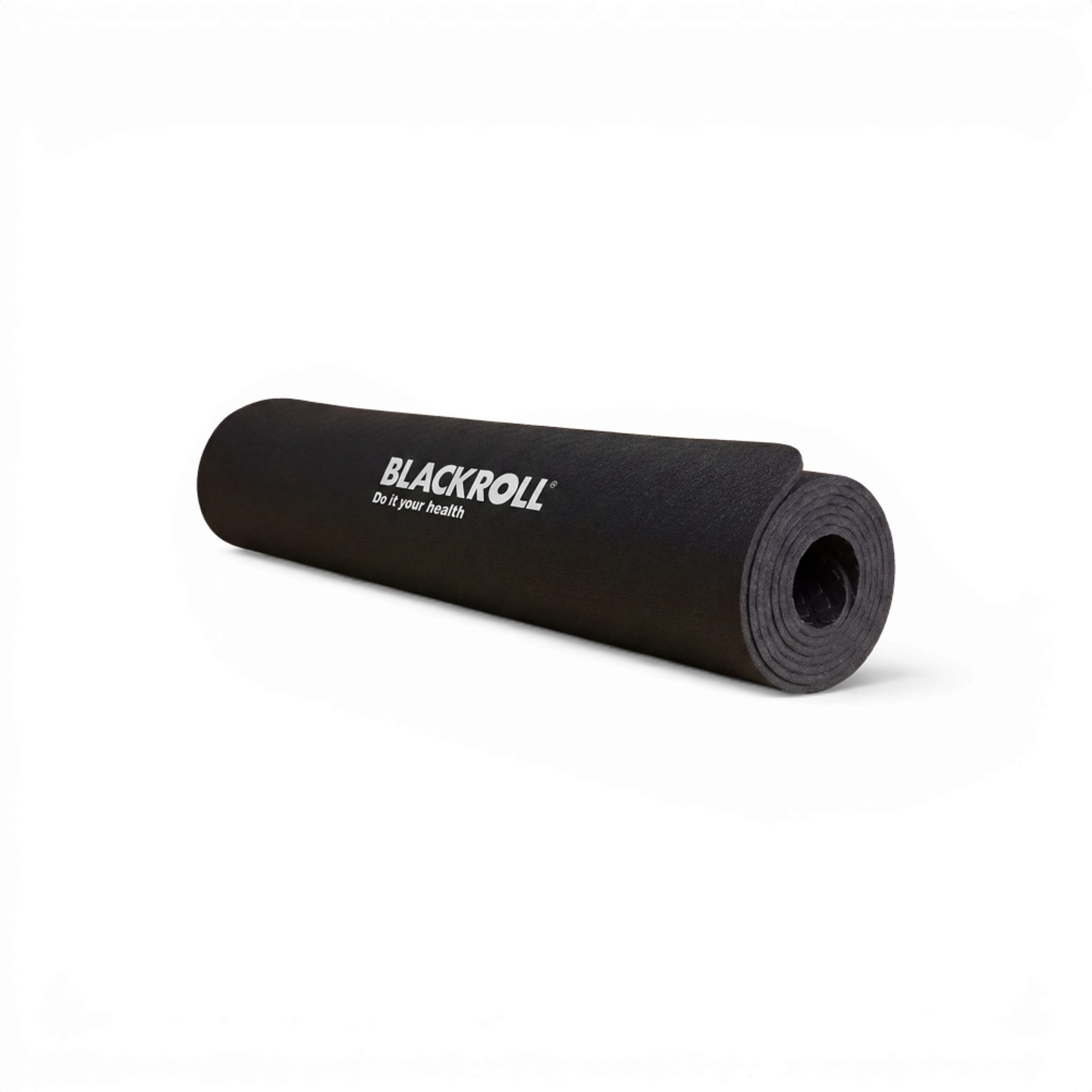
Sore Calves: When Is It Normal, and When Isn’t It?
Sore calves can occur after intense workouts or unfamiliar movements. This results in tiny tears in the muscle fibers, leading to a dull, pulling pain —typically 12–24 hours after exercise, peaking after 48 hours.
Characteristics of muscle soreness:
- Onset: 12–24 hours after activity
- Pain: Dull, pulling, when pressure is applied or the muscle is stretched
- No swelling or visible injury
- Recovery: 3–7 days without specific treatment
Warning signs of something more serious:
- Sudden pain during physical activity
- Swelling, bruising, or a “snapping” sensation upon injury
- Limited function or loss of strength
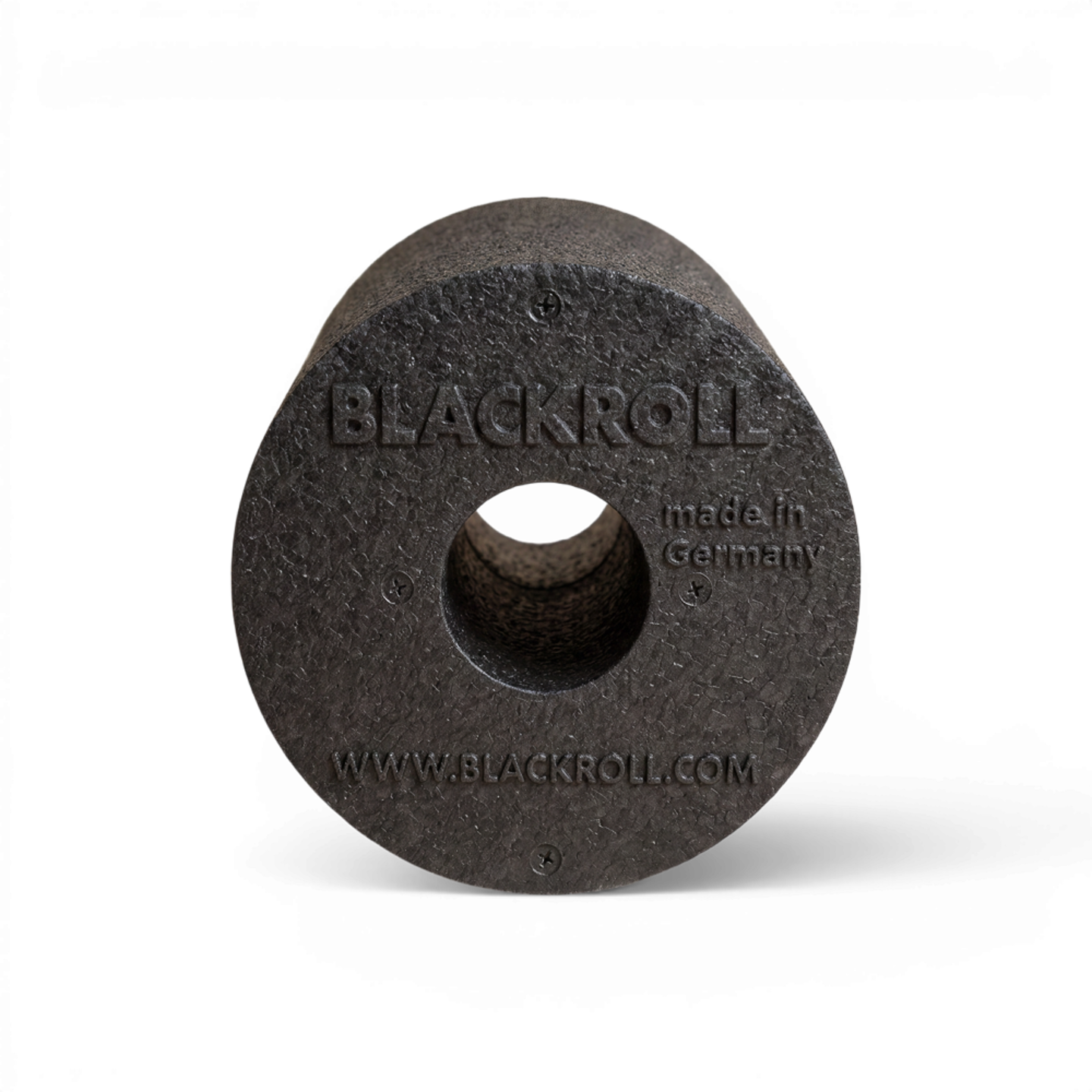
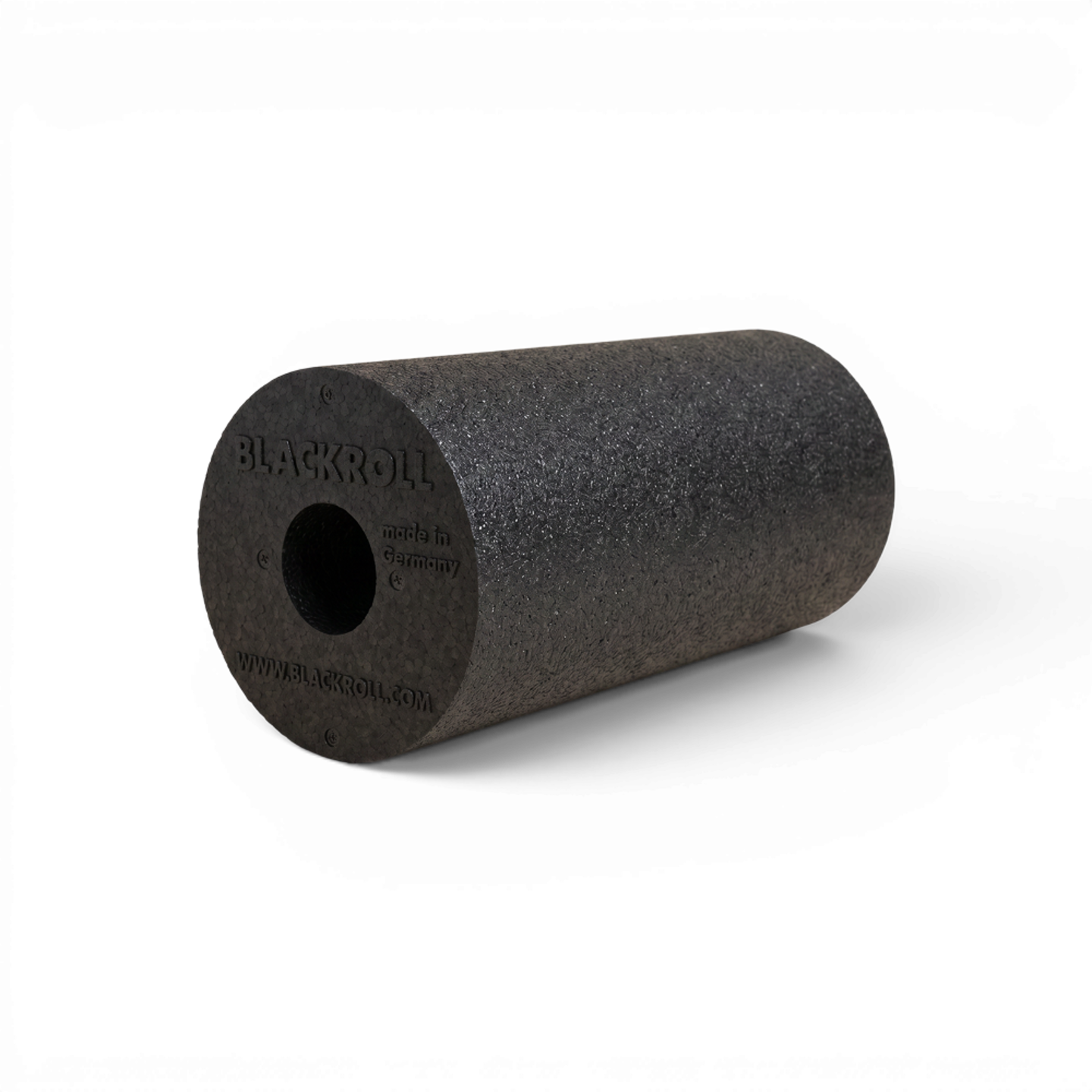
What helps with muscle soreness? Light exercise, gentle stretching, and careful fascia rolling with the BLACKROLL® can promote recovery—heat and magnesium also provide additional support.
Muscular causes: cramps, strains, tears, and contusions
Calf cramps caused by overexertion
Sudden, sharp pain and stiff muscles— calf cramps are among the most common causes of calf pain. They result from involuntary muscle contractions, particularly during exercise, dehydration, or electrolyte imbalances. In 90% of cases, the cramps subside within 2 minutes, but they can lead to muscle stiffness that remains noticeable for up to 72 hours (Sports Medicine Review, 2023).
Tip: Do you suffer from recurring nighttime cramps? You can find help here for calf cramps at night.
Distinguishing Between a Muscle Strain and a Muscle Fiber Tear
Muscle strain – typical characteristics:
- Sharp, pulling pain in the calf area
- Often occurs during sprinting or abrupt pushing off
- Slight limitation of movement, no bruising
- Pain intensity: 4–6/10
- Recovery time: 3–10 days
Muscle fiber tear – distinct differences:
- Severe, stabbing pain during activity
- Visible swelling or hematoma (in 80% of cases)
- Movement is usually barely possible
- Pain intensity: 7–9/10
- Recovery time: 2–6 weeks
Muscle contusion following a direct blow
A blow to the leg—such as from a ball or a fall—can lead to a muscle contusion. Typical symptoms include dull pain, swelling, and a visible bruise. A contusion usually heals within 7–14 days if you avoid putting weight on the leg for the first 48 hours.
Immediate first aid: The so-called RICE method (Rest, Ice, Compression, Elevation) helps with all muscle-related injuries to relieve pain and promote healing.

You’ll build a strong back. Your health insurance covers it.
Go to the online prevention courseCalf Pain: What to Do?
Calf pain is often caused by uneven strain, prolonged sitting, or intense physical activity. Especially after jogging or during a typical day at the office, adhesions in the fascia and muscle tension in the calf area can quickly develop.
Targeted fascia exercises help relax the calf muscles, promote blood circulation, and effectively relieve pain. Studies show that regular fascia rolling can improve mobility in the calf by up to 45% (Journal of Sports Medicine, 2022).
In our video, we’ll show you three effective exercises using the BLACKROLL® that are specifically designed to relieve tension in the calf area:
- Calf Mobilization: Activates the muscles and improves flexibility
- Sprinter Stretch: Stretches the entire back of the leg—ideal for tight muscles
- Soleus Stretch: Releases deep-seated tension in the lower calf muscle
All you need is a BLACKROLL® foam roller. Start your workout now— for more ease and less tension in your legs.
Home Remedies for Calf Pain: 5 Natural Tips
If your calf pain isn’t caused by an acute injury or a serious underlying condition, home remedies can provide quick relief. Many of the following methods are based on traditional folk medicine and are supported by studies on self-care for muscle and fascia pain.
-
Heat Therapy
Heat packs, cherry pit pillows, or warm baths promote blood circulation and relieve muscle tension. They’re especially helpful for feelings of coldness or chronic pain. -
Gentle Stretching
Regular stretching reduces muscle shortening. Hold each stretch for 30 seconds without rocking back and forth. This is especially effective in the morning and evening. -
Magnesium-rich diet
Nuts, whole grains, and green vegetables can help prevent mineral deficiencies. If you’re prone to cramps, targeted supplementation may be beneficial. -
Vinegar compresses or rubbing alcohol
Classic home remedies to promote local blood circulation—soothing for aching calf pain after exercise. -
Exercise despite pain (moderate!)
Short walks, cycling, or light mobilization with the BLACKROLL® keep the fascia supple and aid in recovery.
Important: Home remedies are no substitute for a medical diagnosis. If your symptoms worsen or last longer than 7 days, you should consult a doctor.
Calf Pain at Rest: 7 Possible Causes
If calf pain occurs without physical exertion —for example, while sitting, lying down, or at night—it may indicate serious underlying health issues. You should be especially vigilant if the pain occurs suddenly or on one side only. The following triggers are the most common:
- Deep vein thrombosis (DVT)—a medical emergency!
Symptoms: Swelling, tenderness, redness, or warmth—usually on one side.
Risk factors: Immobility, smoking, surgery, hormonal contraception.
Action: Seek immediate medical evaluation—DVT can be life-threatening (ESC, 2022). - Circulatory Disorders
Symptoms: Pain when lying down or at night, pale skin, cold feet.
Typical in: PAD (peripheral arterial disease), stages II–IV.
Action: Seek medical evaluation; if necessary, undergo a Doppler examination and vascular rehabilitation. - Mineral deficiency
Symptoms: Nighttime cramps, twitching, muscle tremors.
Common deficiencies: magnesium, potassium, calcium.
Action: Have a blood test done; take dietary supplements if necessary. - Consequences of injury (strain, tear)
Symptoms: Dull pain, tenderness, limited range of motion.
Cause: Muscle injuries that have not fully healed.
Action: Physical therapy or targeted mobilization. - Nerve irritation
Symptoms: Tingling, numbness, “electric-shock-like” pain in the calf or foot.
Cause: Compression (e.g., herniated disc, tarsal tunnel syndrome).
Treatment: Neurological evaluation, MRI if necessary. - Side effects of medications
Typical triggers: Statins (cholesterol-lowering drugs), beta-blockers.
Symptoms: Muscle pain on both sides, usually dull.
Action: Have medication use reviewed. - Muscle cramps without exertion
Typical: Occurs at night, often without an apparent cause.
Triggers: Dehydration, nerve overstimulation, sleeping position.
Action: Check magnesium levels; do stretching exercises before bed.
Tip: Read more about nighttime calf cramps here.
Important: If the pain is severe, occurs on one side only, or is recurrent, consult a doctor. As a general rule: The sooner you know the cause, the faster targeted treatment can help.
Calf Pain When Walking: Causes and Warning Signs
If your calves hurt when walking—whether you’re taking a stroll, hiking, or climbing stairs—it’s often due to overexertion or poor circulation. In some cases, however, serious medical conditions may be the underlying cause. Here’s an overview of the most common causes:
- Muscle Fatigue
After long walks or physical exertion, temporary pain can occur due to lactic acid buildup and micro-injuries—usually harmless. - Muscle strain
Caused by sudden movements or poor preparation. Typical symptoms: sharp pain, limited movement, no swelling. - Achilles tendinitis
Pain at the lower calf and over the heel, especially in the morning or after inactivity. Thickening may be palpable. - Peripheral Arterial Disease (PAD)
Typical symptoms: Calf pain after walking a specific distance, which improves with rest (“intermittent claudication”). Caution: Chronic circulatory disorder —seek medical evaluation. - Deep Vein Thrombosis (DVT)
Pain on one side, swelling, warmth— emergency! Risk of pulmonary embolism. Go to the hospital immediately. - Compartment syndrome
Pressure buildup in a muscle compartment, often seen in athletes. Symptoms: Tension pain, tingling, swelling takes a long time to subside. Seek medical evaluation!
Note: Pain while walking that always occurs in the same spot and improves with rest suggests a vascular cause. If it occurs on one side and comes on suddenly, it should be considered a warning sign.
How long does calf pain last?
The duration of calf pain depends heavily on the underlying cause. In over 85% of cases, it is muscular in origin—such as cramps, strains, or overuse—and subsides within 3 to 10 days if the affected muscles are rested and treated appropriately (Sports Medicine Review, 2023).
Cause | Typical Duration | Note |
|---|---|---|
Calf cramp | 1–3 days | Usually resolves without treatment |
Muscle strain | 3–10 days | Rest & light exercise |
Muscle fiber tear | 2–6 weeks | RICE method & physical therapy if necessary |
Achilles tendon irritation | 2–8 weeks | Eccentric training recommended |
Circulatory disorder | Chronic | Vascular therapy depending on the cause |
DVT (thrombosis) | Acute/Emergency | Immediate medical treatment |
Important: If your calf pain lasts longer than 7 days, worsens, or occurs without an apparent cause, you should see a doctor.
Calf Soreness: When Is It Normal, and When Isn’t It?
Sore calves can occur after intense workouts or unfamiliar movements. This results in tiny tears in the muscle fibers, leading to a dull, pulling pain —typically 12–24 hours after the activity, peaking after 48 hours.
Characteristics of muscle soreness:
- Onset: 12–24 h after activity
- Pain: Dull, pulling, when pressure is applied or the muscle is stretched
- No swelling or visible injury
- Recovery: 3–7 days without specific treatment
Warning signs of a more serious condition:
- Sudden pain during physical activity
- Swelling, bruising, or a “snapping” sensation at the site of injury
- Limited function or loss of strength
What helps with muscle soreness? Light exercise, gentle stretching, and careful myofascial release with the BLACKROLL® can promote recovery—heat and magnesium provide additional support.
We’ll show you the most important exercises that relieve tension in the calf muscles and fascia, ideally improve mobility, and activate and strengthen muscles that often show weaknesses in cases of calf and foot issues.
The BLACKROLL® approach includes:
- myofascial self-massage
- loosening and, ideally, releasing deep tension points
- mobilization and stretching exercises
- Activation and strengthening exercises
How to Prevent Calf Pain: 6 Effective Strategies
With the right measures, you can specifically prevent calf pain—whether you’re physically active, sit a lot, or have already had problems. According to research, these 6 strategies have proven to be particularly effective:
- Warm up before exercising (5–10 minutes)
Light jogging, cycling, or dynamic stretching exercises activate the calf muscles and reduce the risk of injury by up to 30%. - Stretch regularly
Stretch your calves 1–2 times a day for 30 seconds each time. This is especially important after sitting for long periods or exercising. - Stay Hydrated
2–3 liters of water daily; when exercising, also consume electrolytes—important for preventing cramps. - Meet your magnesium needs
Especially if you experience frequent cramps. Good sources: nuts, spinach, oatmeal. - Gradually increase your training intensity
Increase by no more than 10% per week. Avoid trying to do “everything at once.” - Good Footwear
Make sure they have adequate cushioning. Replace your athletic shoes every 600–800 km.
Extra tip: Use a foam roller regularly, such as our BLACKROLL® Standard, to keep your calf muscles supple and strong—especially after exercise or long workdays.

Exercise routine for calf pain
Relaxing Your Calf Muscles: 7 Exercises for TightnessFAQ
If you experience sudden, severe pain, swelling, redness, warmth, or additional symptoms such as a fever or shortness of breath, you should seek medical attention immediately. It’s also a good idea to get checked out if you have persistent or recurring symptoms.
Possible causes include circulatory disorders (e.g., peripheral arterial disease), nerve irritation, muscle injuries, varicose veins, or mineral deficiencies. In rare cases, thrombosis or a neurological disorder may be the underlying cause.
A deficiency in magnesium, potassium, or calcium, in particular, can lead to muscle cramps and calf pain. Vitamin D deficiency is also a possibility.
Pain on one side is often caused by a strain, muscle tear, cramp, vascular problems, or a blood clot. If the pain is severe, on one side, and sudden, you should see a doctor to have it checked out.
Typical symptoms include one-sided, sudden-onset calf pain accompanied by swelling, a feeling of tightness, redness, and warmth. If you suspect this, see a doctor immediately!
For acute symptoms: Rest, apply cold, elevate the leg, and, if necessary, apply compression with an elastic bandage (RICE method). For cramps, gentle stretching and heat can help.
Sore muscles occur later (12–24 hours after exercise), feel dull, and do not involve swelling. Strains cause immediate, sharp pain and significantly restrict movement. If you’re unsure, rest your calf and monitor how it develops.
Depending on the cause: Stretching, light exercise, foam rolling, heat, and staying well-hydrated can help with muscle pain. For injuries: Apply ice, rest, and seek medical attention if necessary.
For muscular causes such as cramps, strains, or overuse, calf pain usually subsides within 3 to 10 days. If the symptoms persist for more than a week or worsen, you should see a doctor.
Heat, gentle stretching before bedtime, and a magnesium-rich diet can help reduce nighttime cramps. Also, make sure to sleep in a relaxed position with your legs slightly bent. If you experience frequent nighttime cramps, it’s worth getting a mineral checkup from your doctor.
Heat therapy, gentle stretching, magnesium supplementation, vinegar compresses, or moderate exercise are among the most popular home remedies. They can help relax the muscles and improve blood circulation—especially in cases of muscle tension or cramps.
Light exercise such as cycling, walking, or fascia exercises is often helpful for muscle discomfort. However, if you experience acute pain, swelling, or suspect an injury, you should avoid exercise and have the cause checked out.
Mild muscle discomfort or soreness after jogging is normal—especially when you’re just starting to exercise or increasing your workout intensity. However, if the pain is sudden and sharp, proceed with caution: it could be a strain or a torn muscle fiber.
Sore muscles occur some time after exercise, feel dull, and are harmless. Calf pain during exercise—whether sharp or persistent—may indicate an injury or a circulatory problem—and should be evaluated.
Yes—in cases of herniated discs or nerve irritation in the lumbar spine, the pain can radiate to the calf. Typical accompanying symptoms include tingling, numbness, or a “shocking” sensation. Have this examined by a neurologist.
Sources
- German Society for Sports Medicine and Prevention. (2023). Causes and Treatment of Calf Pain. Retrieved from https://www.dgsp.de/aktuelles/wadenschmerzen.html
- Sports Medicine Review. (2023). Meta-Analysis: Conservative Treatment of Calf Muscle Pain.
- European Society of Cardiology. (2022). ESC Guidelines on Peripheral Artery Diseases. Retrieved from https://www.escardio.org/Guidelines/Clinical-Practice-Guidelines/Peripheral-Arterial-Diseases
- Cochrane Database of Systematic Reviews. (2021). Exercise therapy for Achilles tendinopathy. Retrieved from https://www.cochranelibrary.com/cdsr/doi/10.1002/14651858.CD010960.pub3/full
- Journal of Sports Medicine. (2022). Effects of foam rolling on flexibility and DOMS. DOI: 10.1155/2022/9848751