
Understanding Elbow Pain: Causes, Diagnosis, and Treatment

Whether during sports, at work, or in everyday life—when your elbow hurts, it quickly puts a stop to carefree movement. The causes? Often, overuse, poor posture, or a minor (sometimes unnoticed) injury is to blame. The good news: If you act early, there’s a lot you can do to relieve the discomfort and maintain your mobility. In our article, we’ll show you where the pain might come from, which treatments help—and what you can do to prevent it in the future.


Causes of Elbow Pain
The elbow joint is a complex joint consisting of three bones: the humerus (upper arm bone), the radius, and the ulna. These bones are surrounded by a joint capsule, and a strong network of ligaments along with muscles that cross the joint provide stability and mobility in the elbow. The mobility of the elbow joint is essential for many everyday movements, such as bending, extending, rotating, or leaning on the elbow. A properly functioning elbow joint is also indispensable for a range of athletic activities.
But what are the most common causes of elbow pain? Elbow pain can have many causes and may involve various structures such as tendons, muscles, fascia, ligaments, nerves, or bones.
Among the most common causes of discomfort are:
Overuse due to repetitive movements in sports, work, or daily life (for example, in sports involving throwing or swinging motions such as tennis, golf, baseball, or handball; when lifting heavy loads, especially with an outstretched arm as in strength training or when carrying boxes; and during supporting or pulling movements, such as climbing, doing push-ups, or working overhead)
Injuries such as falls, tears, dislocations, or fractures
Inflammation of tendons, bursae, or joint capsules
Degenerative conditions such as osteoarthritis or joint wear and tear
Rheumatic conditions such as rheumatoid arthritis
Nerve irritation, for example of the ulnar nerve (e.g., cubital tunnel syndrome)
Stress factors such as improper or one-sided strain, misalignments, and acute injuries


Symptoms and Diagnosis
Pain in the elbow joint can manifest in a variety of ways—depending on the underlying cause, the affected area of the joint, and the intensity of the symptoms. Some people feel a mild pulling sensation only when putting weight on the joint, while others complain of sharp pain in the elbow even at rest. Common symptoms include:
Pain on the inner or outer side of the elbow, often worsened by movement or pressure
Swelling, redness, or noticeable warmth in the affected area
Limited range of motion, sometimes accompanied by a loss of strength in the forearm or hand
Numbness, tingling, or other abnormal sensations in the fingers, hand, or forearm
These signs can point to various causes—ranging from overuse syndromes and nerve irritation to acute injuries or inflammatory conditions. For a reliable diagnosis, you should consult a specialist, ideally in orthopedics or trauma surgery. An accurate diagnosis is crucial for providing targeted treatment.
The first step is usually a detailed discussion with the patient (medical history), followed by a physical examination of the elbow. During this examination, the doctor assesses range of motion, tender points, and function. Depending on the suspected condition, imaging tests such as ultrasound, X-ray, or magnetic resonance imaging (MRI) may be necessary to visualize structural changes or inflammation. In some cases, laboratory tests may also be used—for example, if inflammation or a rheumatic disease is suspected.


Common Conditions (e.g., tennis elbow, golfer’s elbow)
Tennis elbow (lateral epicondylitis)
This form of tendon irritation affects the outer side of the elbow and is usually caused by overuse, such as when playing tennis, working at a computer (which can lead to so-called “mouse arm”), playing the piano, or performing manual labor.Golfer’s elbow (medial epicondylitis)
In this case, the irritation is located on the inner side of the elbow. Sports such as golf and rock climbing, or repetitive one-sided movements at work, are typical triggers.Bursitis
Inflammation of the bursa in the elbow can result from a fall, prolonged strain, or infection.Arthritis and Osteoarthritis
Chronic joint inflammation (e.g., rheumatoid arthritis) or wear and tear of the joint cartilage leads to persistent pain, limited mobility, and swelling.Cubital Tunnel Syndrome
In this condition, the ulnar nerve is compressed within the cubital tunnel in the elbow. Pain, tingling, and numbness in the forearm, hand, and fingers are typical symptoms.
Treatment Methods for Elbow Pain
Treatment for your elbow pain should always be tailored to the specific cause and severity of your symptoms. Early, targeted therapy can significantly speed up the healing process and prevent your pain from becoming chronic. Depending on the cause of the pain, various treatment approaches are used; in many cases, a combination of different treatment methods is necessary. Common measures include:
Immobilization with bandages, orthoses, or splints: Especially in cases of acute pain, severe inflammation, or following an injury, it is important to stabilize and relieve pressure on the joint. Special bandages or splints help limit mobility so that the joint is not subjected to unnecessary strain and can recover more effectively. However, immobilization should only be used for as long as absolutely necessary.
Cooling for acute inflammation or swelling: In cases of sudden inflammatory processes or following an injury, cooling the elbow can help reduce swelling and relieve pain. Ice packs or cold compresses are particularly effective here.
Relief through avoiding strenuous movements and activities: One of the most important measures to promote the healing process is to avoid movements that place further strain on the elbow. Especially in cases of repeated overuse or overexertion, it is crucial to pause strenuous activities and allow the joint sufficient rest from these specific movements.
Ointment dressings, compression, or heat therapy depending on the diagnosis: For chronic pain or muscle tension, ointments containing anti-inflammatory or pain-relieving ingredients can help alleviate symptoms. In other cases, gentle heat therapy can help relax the muscles and promote blood circulation.
Manual therapy, massage, dry needling, or fascial therapy: Physical therapy interventions such as manual therapy or massage can relieve tension in the elbow area and the surrounding muscles. Dry needling (also known as medical acupuncture), in which fine needles are used to treat trigger points in the muscles, can be particularly helpful for persistent pain. Fascia therapy aims to stimulate fluid exchange, relieve pressure on the nervous system, and release adhesions and tension in the connective tissue, which can also lead to pain


Physical Therapy and Exercises
Physical therapy plays a crucial role in the treatment of elbow pain—especially when the pain is caused by muscular and fascial tension or overuse. Physical therapy employs both active and passive techniques to optimally mobilize and stabilize the joint. The main goals are:
Improving the mobility of the elbow, wrists, and shoulder, as these are often interconnected and poor posture or movement patterns can be the cause of the pain.
Relieving tension in the elbow area and the surrounding muscles.
Strengthening the muscles to stabilize the joint in the long term and distribute the load evenly.
The following strengthening and mobility exercises can help you strengthen your muscles and improve elbow function:
1. Eccentric training of the extensor muscles
Eccentric training aims to specifically strengthen the extensor muscles of the forearm. This exercise involves extending the arm in a controlled manner while slowly lowering the weight against resistance. The slow, controlled extension strengthens the muscles and reduces the risk of overexertion and further injuries.
2. Stretching the flexor and extensor muscles
An important part of therapy is stretching both the flexor and extensor muscles, as well as the forearm rotator muscles through rotation. Shortened muscles can lead to improper loading of the elbow, which often exacerbates pain. Regular stretching exercises prevent this shortening and promote flexibility.
Example stretching exercise:
Stretching the flexor muscles: Extend your arm forward with your palm facing up. Use your other hand to gently pull your fingers downward to stretch the flexor muscles in your forearm. Keep the elbow of your extended arm straight at all times.
Stretching the extensor muscles: Extend your arm forward as well, but with your palm facing down. Use your other hand to gently pull the back of your hand downward to stretch the extensor muscles. Always keep the elbow of your extended arm straight.
3. Mobilization Exercises for the Shoulder and Neck
Since the shoulder and neck muscles work together with the elbow via their connective tissues, and tension in this area can also lead to elbow pain, mobilization exercises for these body parts are particularly important. Loosening movements for the shoulder and neck can increase overall mobility and reduce strain on the elbow.
Example mobilization exercise:
Shoulder Circles: Stand upright and make slow, wide circles with your shoulders in both directions. This helps loosen the shoulder joints and relieve tension.
4. Isometric Exercises
Isometric exercises strengthen the muscles without putting unnecessary strain on the joint. In these exercises, the muscle contracts, but the joint remains in a fixed position. Do this exercise especially if the joint is still tender or is currently healing.
Example of an isometric exercise:
Isometric wrist press: Place your palms against each other (e.g., the palm of your right hand against the palm of your left hand) and press as hard as possible for five to ten seconds while keeping your wrist in a neutral position
5. Grip Strength Training
Grip strength training is important because the elbow is closely connected to the muscles of the forearm and hand. A strong grip not only reduces stress on the elbow but also improves the overall strength of the arm. Exercises such as using a resistance band or training with a hand grip can increase grip strength. You can combine grip strength training with hanging your elbow from a bar (e.g., a door pull-up bar), provided there is no acute injury.
6. Avoiding Improper Loading and Overuse
In addition to specific exercises to strengthen the muscles, it’s important to avoid overuse and improper strain. Make sure you don’t constantly put strain on your elbow in awkward positions, and avoid repetitive, strenuous movements. Even an awkward sleeping position can put strain on the elbow.
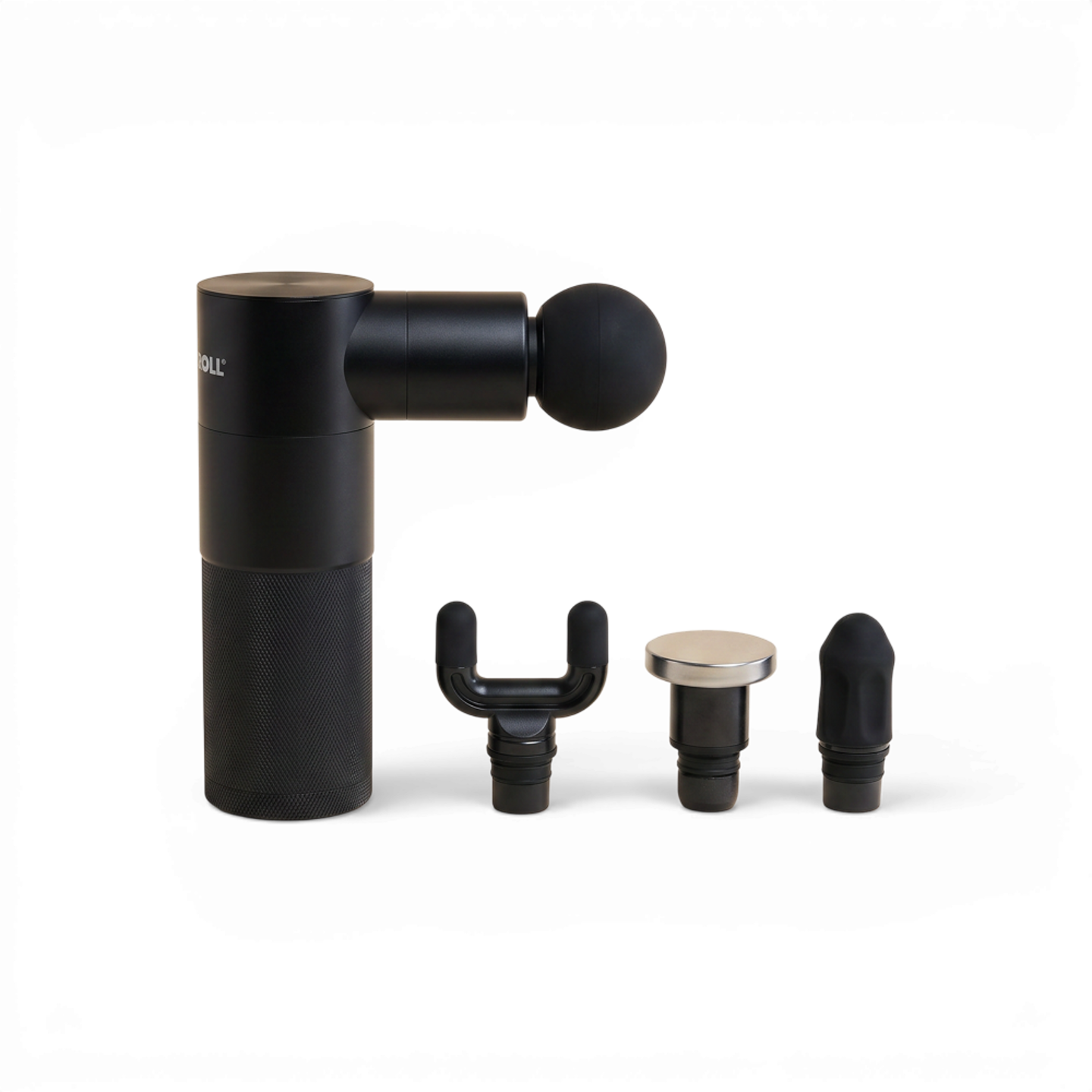
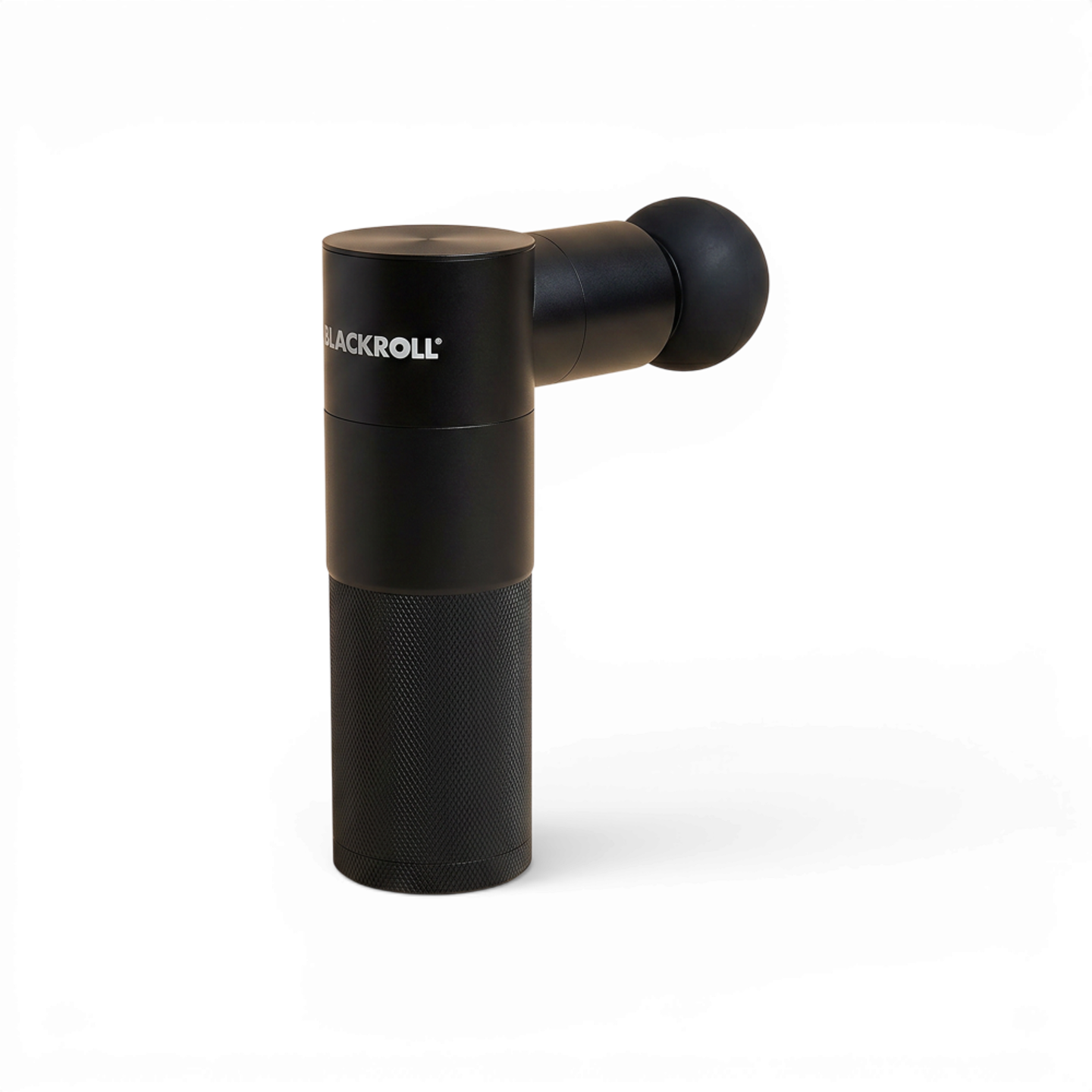
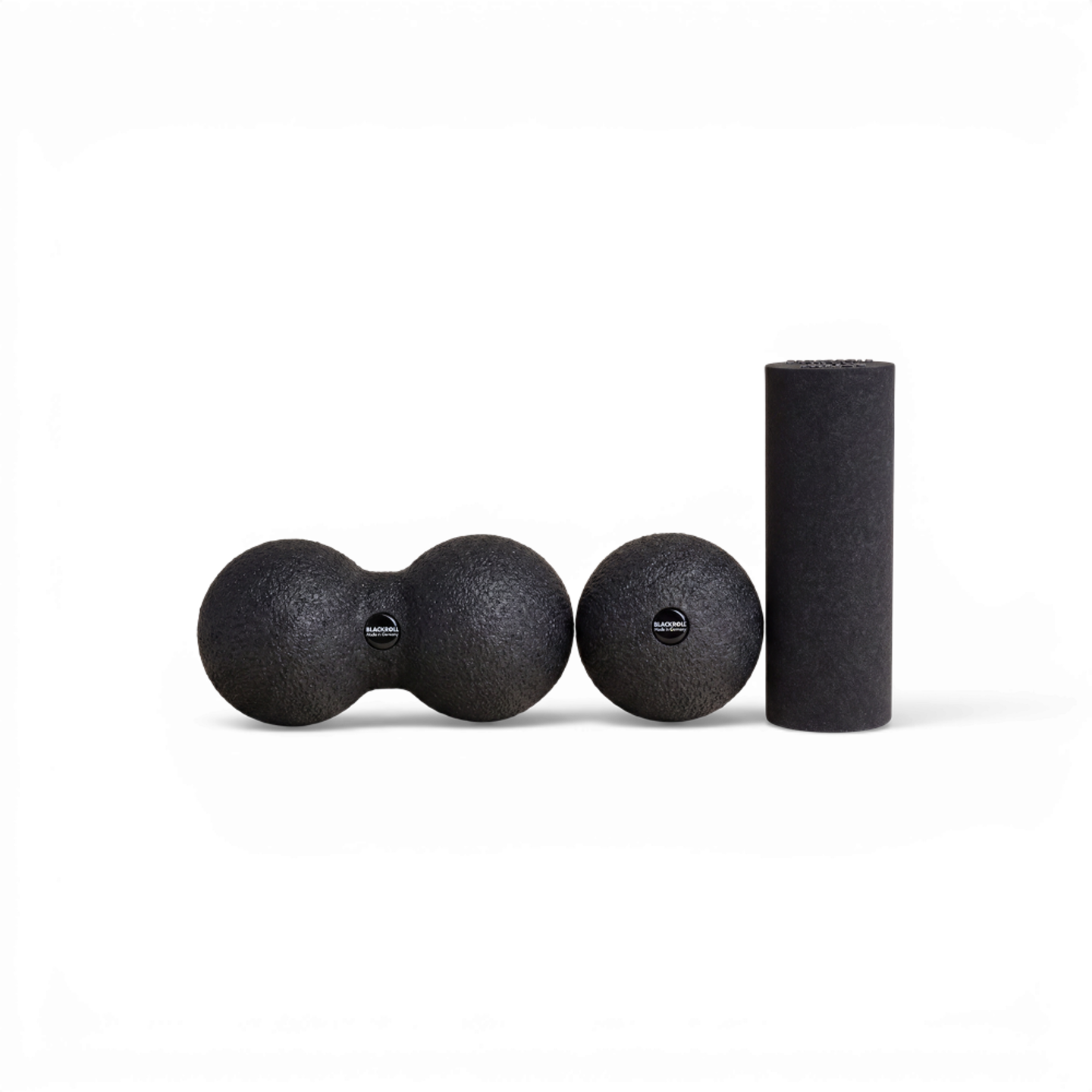
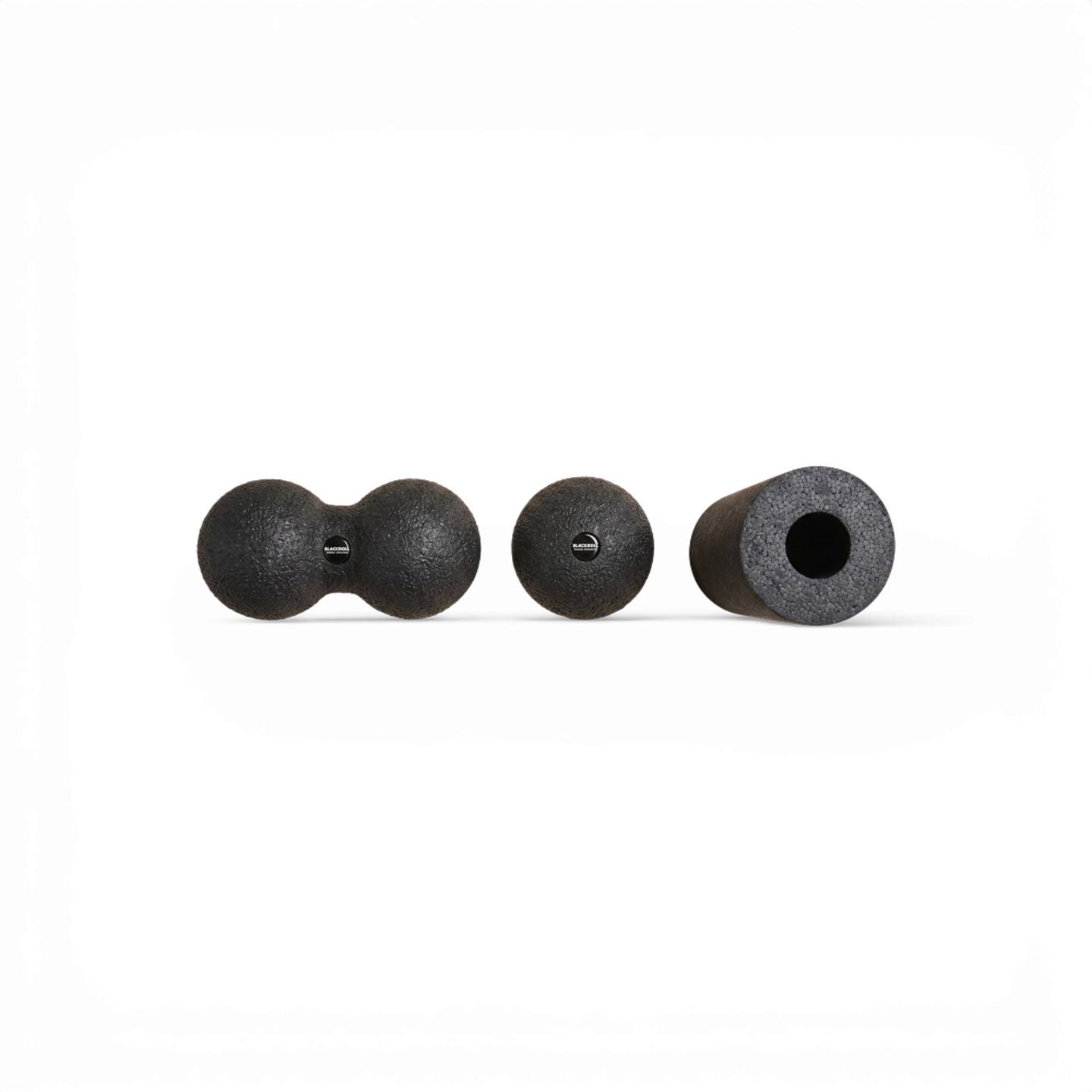
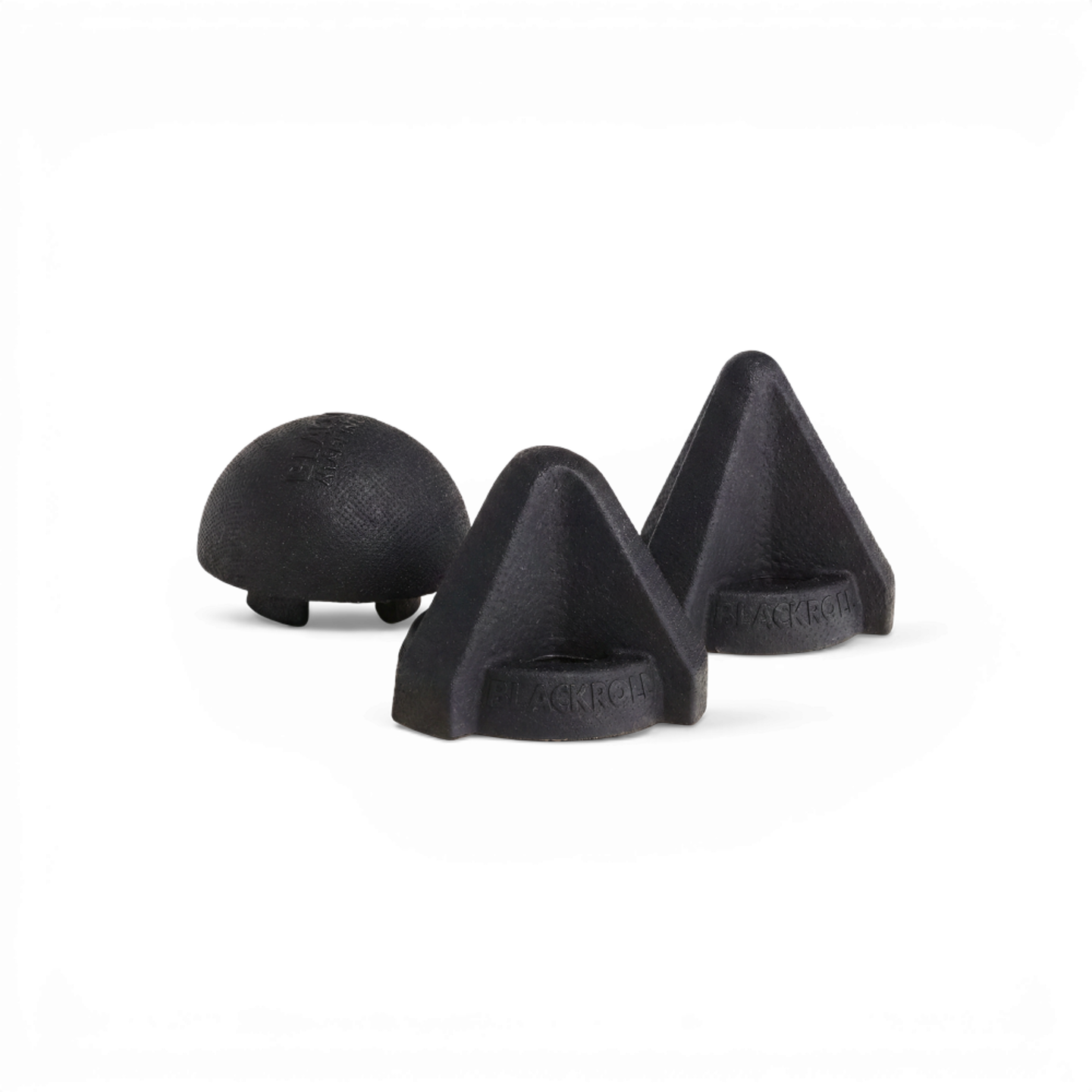
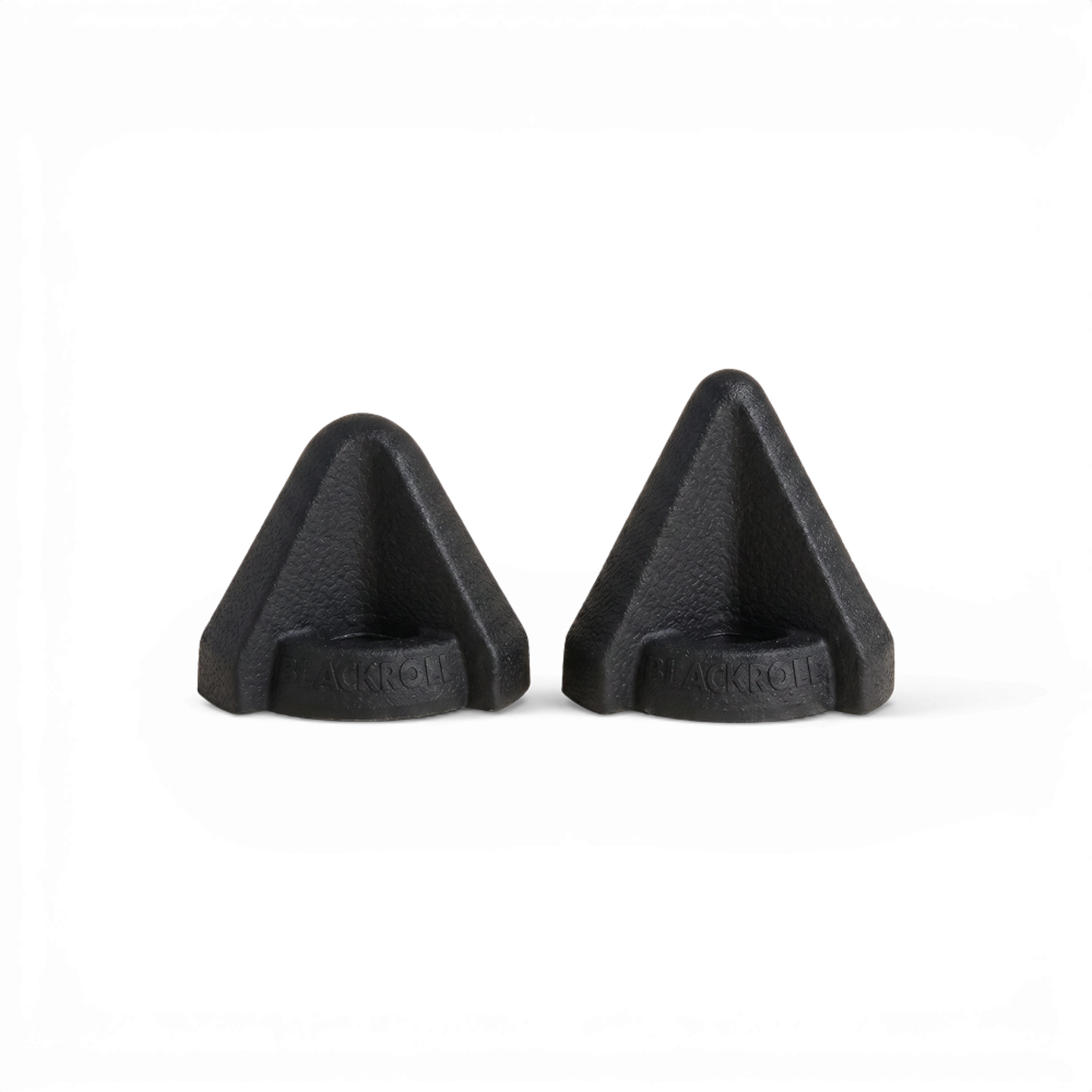
On our website, we show you exercises that can reliably help with persistent elbow pain caused by tennis elbow or golfer’s elbow. For these exercises, you’ll need the BLACKROLL MINI and an attachment from the BLACKROLL TRIGGER Set (for tennis elbow), as well as the SUPER BAND for the golfer’s elbow exercises.


Pain relievers and medications
Especially during the acute phase, elbow pain can be not only uncomfortable but also quite persistent and debilitating. But which medications can help relieve the symptoms and restore joint function?
During the symptomatic phase, when the focus is on acute pain relief, medications such as ibuprofen or acetaminophen can be particularly effective. These are among the most common pain relievers and can both alleviate pain and reduce inflammation in the body. Ibuprofen belongs to the group of nonsteroidal anti-inflammatory drugs (NSAIDs), which, in addition to their pain-relieving effects, also have anti-inflammatory properties. Paracetamol, on the other hand, primarily relieves pain and reduces fever, but does not have a strong anti-inflammatory effect. Be sure to use both medications only after consulting your doctor and only for a limited period of time to avoid unwanted side effects such as stomach irritation or liver strain.
If the inflammation is more severe or the symptoms are particularly persistent, corticosteroid medications are often used. These medications have a strong anti-inflammatory effect and can be administered either as injections directly into the affected area or taken as tablets. Cortisone injections target the painful area specifically and can provide rapid relief, especially in cases of severe inflammation or chronic irritation. Cortisone should only be used under medical supervision, as long-term or repeated use can lead to side effects such as tissue breakdown or the weakening of tendons and ligaments.
In addition to these conventional pain relievers, there are also a number of herbal remedies that can help relieve pain and reduce inflammation. These include , for example , willow bark, devil’s claw, and arnica:
Willow bark contains the active ingredient salicin, which has a similar effect to aspirin and therefore acts as an anti-inflammatory and pain reliever.
Devil’s claw is known for its anti-inflammatory properties and is often used for joint problems and rheumatism.
Arnica is particularly well-known for external use in the form of ointments or gels. It is frequently used for bruises, strains, or contusions, as it can relieve pain and promote the healing process.
Despite their herbal origin, herbal remedies can also have side effects or interact with other medications. Therefore, you should always consult a doctor or pharmacist before taking them to avoid potential risks.
In addition to these measures, it’s important to consider holistic treatment for persistent or recurring elbow pain. Pain relievers can be very helpful during the acute phase, but they should never be viewed as a long-term solution. Targeted treatment of the underlying cause of the pain is the key to long-term improvement.
Surgical Options
If conservative treatments are unsuccessful, surgery may be necessary. Possible surgical procedures include the removal of bursae, tendon repair ( for a torn tendon), decompression of the ulnar nerve in cases of cubital tunnel syndrome, or arthroscopy for osteoarthritis or loose bodies in the joint.
After surgery, careful postoperative care with physical therapy and, if necessary, orthotics is essential for restoring function to the elbow joint.


Prevention of Elbow Pain
Many cases of elbow pain can be prevented through targeted measures if you keep a few things in mind in your daily life:
Warm up thoroughly before exercising
Set up an ergonomic workspace so you maintain proper posture while using the computer. For example, use a height-adjustable desk, a suitable stool, or an ergonomic computer mouse
Regularly exercise and strengthen your forearm muscles
Avoid repetitive strain or maintaining a protective posture for long periods
Consciously managing everyday physical demands (such as lifting heavy objects, carrying grocery bags, or holding small children) can also help prevent overexertion.
Lifestyle Changes to Relieve Pain
In addition to medical treatments, you can also take active steps to help relieve elbow pain—and this often starts with simple but effective changes in your daily routine. After all, pain isn’t always caused by acute injuries—it’s often the result of years of overuse, poor posture, or inflammatory processes in the body.
The following lifestyle factors can help you improve your joint health in the long term:
Anti-inflammatory diet: Foods with anti-inflammatory properties—such as fatty fish (due to omega-3 fatty acids), fresh vegetables, nuts, turmeric, or cold-pressed olive oil—can reduce inflammation in the body. On the other hand, avoid highly processed foods, refined sugar, or too much red meat.
Regular exercise instead of overexertion: Moderate, consistent exercise promotes blood circulation and metabolism in the joints. However, be sure to include balancing exercises to avoid one-sided strain.
Adequate sleep and rest: During sleep, not only does the nervous system regenerate, but so does connective tissue. Chronic sleep deprivation, on the other hand, can increase inflammation levels in the body.
Stress reduction: Chronic stress can negatively affect muscle tone and pain perception. Techniques such as meditation, progressive muscle relaxation, breathing exercises, or yoga help the body relax holistically.
Weight loss: Every kilogram lost not only reduces the load on the knees and hips but also indirectly on the shoulder, neck, and elbow joints. A healthy BMI also has a positive effect on systemic inflammatory activity in the body.
Low-impact sports: Joint-friendly activities such as swimming, cycling, Pilates, or gentle strength training strengthen the muscles without putting excessive strain on the elbow. Targeted stretching exercises for the forearm and shoulder can also help prevent discomfort.
It’s not about completely turning your life upside down—often, small, consistent changes are enough to achieve a noticeable improvement over the long term.


When to See a Doctor
Are you wondering when you should see a doctor for elbow pain? If the pain persists for several days, worsens, or is accompanied by swelling, limited range of motion, or numbness, you should see a doctor. In cases of injury, a fall, or if you suspect a serious condition (e.g., arthritis, gout, rheumatoid diseases), a specialist examination is strongly recommended so that the appropriate treatment can be initiated in a timely manner.
Conclusion
You’re not alone in dealing with elbow pain. Early diagnosis, personalized treatment, and targeted prevention are the keys to long-term recovery. If you’re affected, seek expert help from a doctor and physical therapist, and stay active with the right measures—because your joint needs you.