
When Your Child Won’t Sleep: Understanding the Causes and Finding Peaceful Nights

Does your child often have trouble falling asleep? You’re not alone. Sleep problems in children are common and can have various causes. In this guide, you’ll learn why children of different ages have trouble falling asleep. You’ll also get proven tips for helping children fall asleep, which will help you and your family enjoy more restful nights.
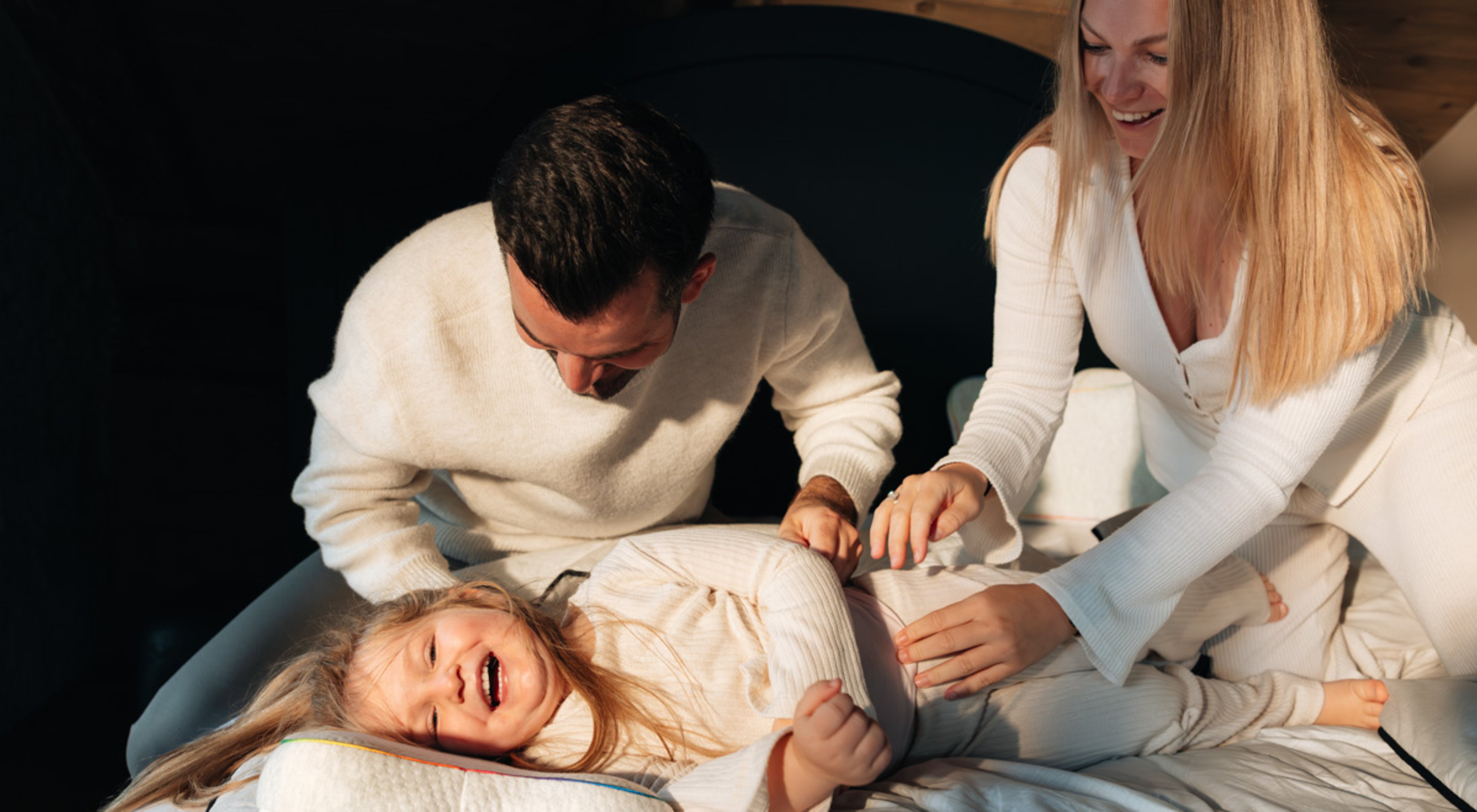

Why Can’t My Child Fall Asleep at Night? The Most Common Reasons
When children don’t want to or can’t sleep, there’s usually more to it—depending on their age, temperament, and stage of development. First, it’s important to distinguish between “not wanting to” and “not being able to”: Some children refuse to sleep because they don’t want to miss out on anything and don’t understand their need for sleep. Others, however, simply can’t fall asleep despite being tired—for a variety of reasons. Let’s take a closer look at why this happens and how parents can help.
Common causes of difficulty falling asleep in toddlers and older children:
- Unhealthy sleep habits: If your child has gotten used to falling asleep only when physically close to a parent, they may find it difficult to fall asleep on their own.
- Separation anxiety: The fear of being separated from their parents is a common reason for not falling asleep, especially among toddlers. For them, bedtime means a separation that keeps them awake.
- Developmental stages: Exciting milestones such as crawling, learning to walk, or the first day of preschool can also cause toddlers to resist going to sleep or to wake up more often at night. Their brains are processing these new experiences.
- The “magical phase” and fears: Between the ages of three and six, many children develop vivid imaginations. Fears of monsters, witches, or the dark often play a role here. As a result, your child may have trouble falling asleep at night because they’re too scared. The same applies to nightmares at this age. The fear of nightmares also prevents children from falling asleep.
- Overstimulation: An exciting day without any rest periods can make it hard for your child to wind down in the evening.




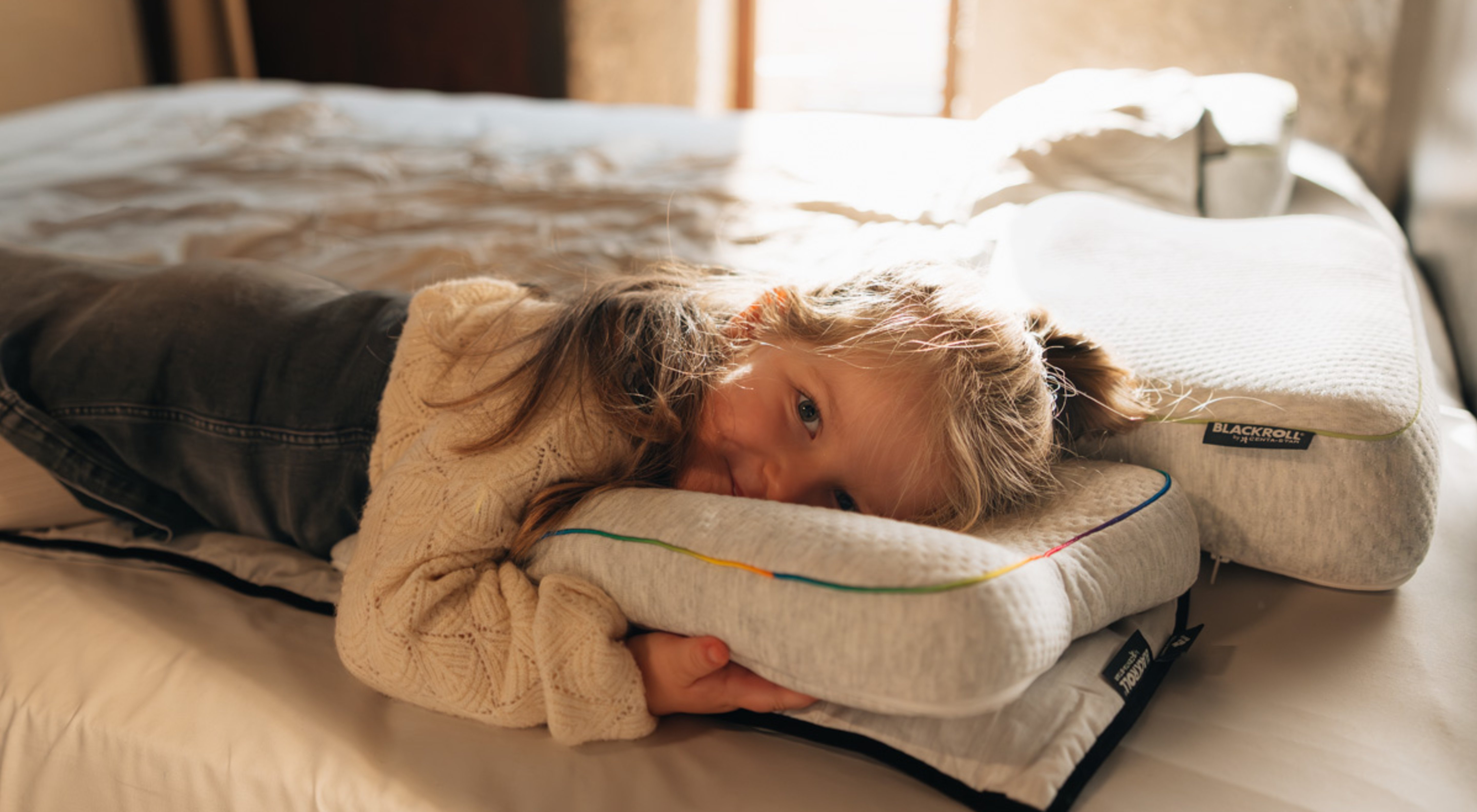

Your child won’t sleep—for different reasons depending on their age
The causes of difficulty falling asleep in children are often related to their developmental stage at a given age. While every child is different, you can still understand what’s going on in their mind by looking for certain clues.
When a two-year-old won’t go to sleep
It’s common for a two-year-old not to want to sleep—and this is due to their developmental stage. At this age, many children go through what’s known as a “sleep regression.” Two-year-olds often don’t want to sleep because they’re making big developmental leaps: language acquisition, developing autonomy, and new motor skills keep their brains busy.
Most children at this age still need an afternoon nap. If they skip it, they’re overtired in the evening and, paradoxically, have a harder time falling asleep. Colloquially, they’re often described as “over-excited.”
When a three-year-old doesn’t want to sleep
When a child is three years old and doesn’t want to sleep, problems with bedtime itself often come to the forefront. At this age, the magical phase begins in which fantasy and reality blur: monsters under the bed or ghosts in the closet suddenly become real.
At the same time, three-year-olds test boundaries and try to control aspects of their environment. During this emerging phase of autonomy—or the “defiance phase”—they may want to decide for themselves when it’s time to go to sleep.
When a four- or five-year-old doesn’t want to go to sleep
The phase of autonomy continues even in four- and five-year-olds. However, if a four- or five-year-old doesn’t want to go to sleep, they’re already quite capable of expressing their needs in words. This helps you identify the reasons why your child doesn’t want to or can’t sleep—for example, if they’re afraid, still thinking about the previous day, or simply testing how late they’re allowed to stay up.
During this phase, it helps to work together to find compromises between your child’s wishes and their health needs.
When a six- or seven-year-old doesn’t want to sleep
For children aged six or seven who don’t want to sleep, the reasons may also lie outside the family: school stress and pressure to perform, social conflicts, too many after-school activities, or excessive and age-inappropriate media consumption may cause your child to feel overwhelmed and unable to wind down in the evening. With a elementary school-aged child, you can already talk very effectively about their needs and work together to find solutions.
Important: Most trouble falling asleep is developmentally related and temporary. Habits that have already become ingrained can be changed again with a little time and persistence. With the right strategies and a loving yet consistent approach, you and your child can work together to enjoy more restful nights.
Leona Rudolph, health psychologist and sleep health expert

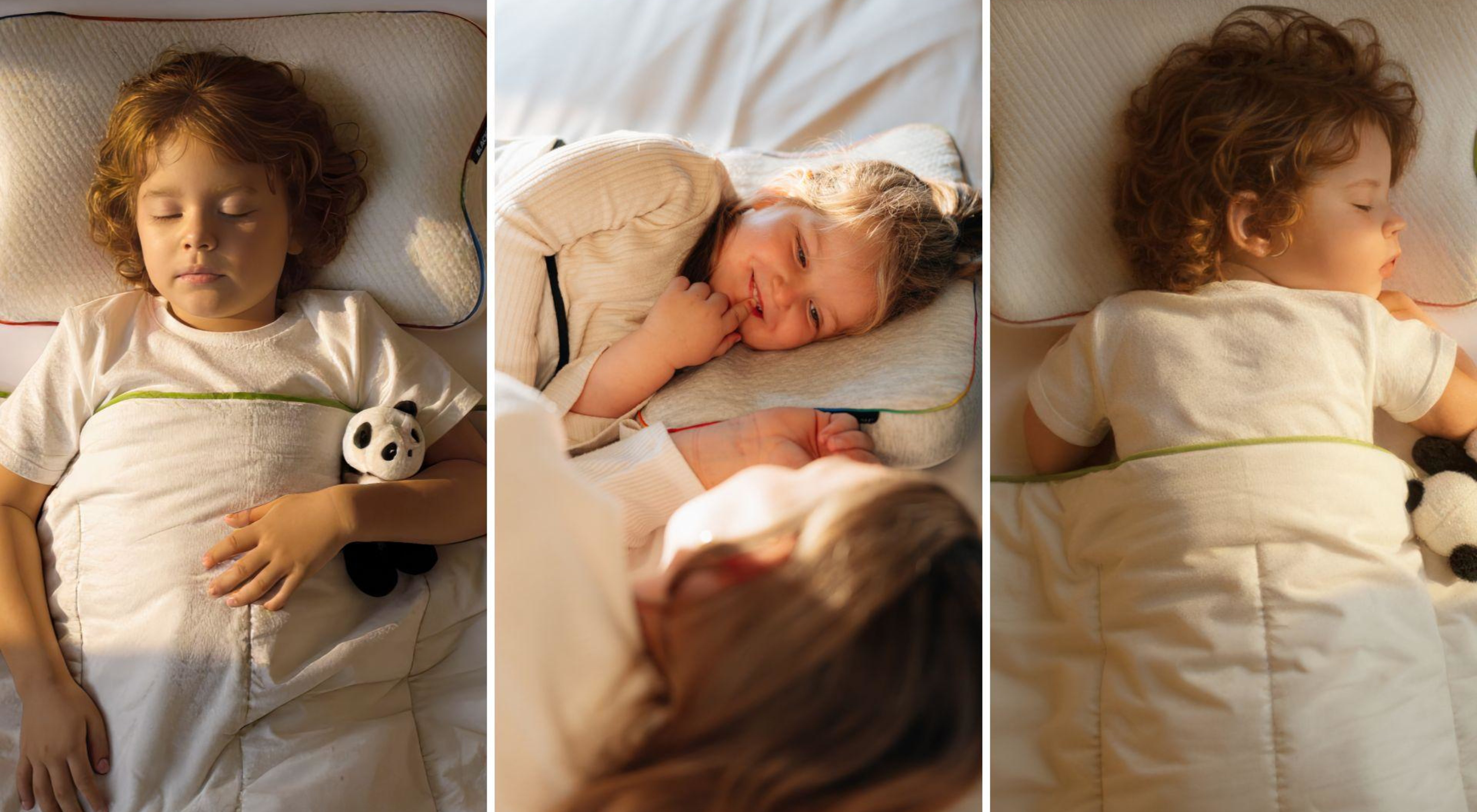
Proven Tips for Helping Children Fall Asleep
These practical strategies will help you support your child in falling asleep. They also help establish healthy sleep hygiene in the long term, which is important for adults as well:
An Active Day with Plenty of Exercise
Children who get enough exercise during the day—ideally outdoors in daylight—are more tired in the evening and fall asleep more easily. Make sure they have active playtime in the morning and early afternoon. On the other hand, rough-and-tumble play in the late afternoon can make it take longer for your child to feel sleepy enough to go to bed.
A structured daily routine with set bedtimes
Fixed times for naps, dinner, and bedtime make the whole sleep process much less stressful. Children need structure, routine, and predictability in their daily lives. A consistent rhythm helps the body prepare for bedtime.
A Calm Wind-Down Before Bed
It’s best to keep the last hour before bedtime calm. Turn off the screens of the TV, tablet, or smartphone at least an hour beforehand, as blue light inhibits melatonin production. Calm activities like drawing or doing puzzles—as well as looking at picture books together—help children calm their bodies and minds.
Establishing Relaxing Bedtime Rituals
An evening bedtime ritual established early on with your child signals: “It’s time to wind down.” This could be reading a bedtime story, singing a song together, or giving a short massage. Important: The ritual should be time-limited (about 15–30 minutes) and always follow the same sequence.
Create the ideal sleep environment
The child’s room should be dark, quiet, and cool (about 18 °C) for sleeping. A small nightlight can help children aged three and older overcome their fear of complete darkness. A favorite stuffed animal or comfort blanket provides a sense of security.
Encouraging Gradual Independence
If your child won’t fall asleep without you or other caregivers, it can help to gradually reduce your presence. For example, start by sitting next to the bed until your child is almost asleep, and move a little further away each night. This way, your child will learn to fall asleep on their own. It’s important to remain consistent, yet loving and patient throughout this process. Children need to feel safe and secure, even when Mom or Dad isn’t sitting right next to them.
Take Fears Seriously and Find Solutions
If your child isn’t sleeping, fears often play a role. Instead of rationally explaining that monsters don’t exist, look for solutions together: a “monster spray” (water with lavender), a worry-eating stuffed animal, or a dreamcatcher can help.
Sleep tip for children ages ten to twelve: Establish a bedtime conversation ritual
For older children in particular, it can be helpful to set aside a specific time each evening when they can talk about their experiences and any worries they may have. That way, they don’t have to carry these thoughts into the night, where overthinking could rob them of sleep.

Your health insurance covers this so you can enjoy restful nights. Up to 100% reimbursement.
Start the children’s sleep course now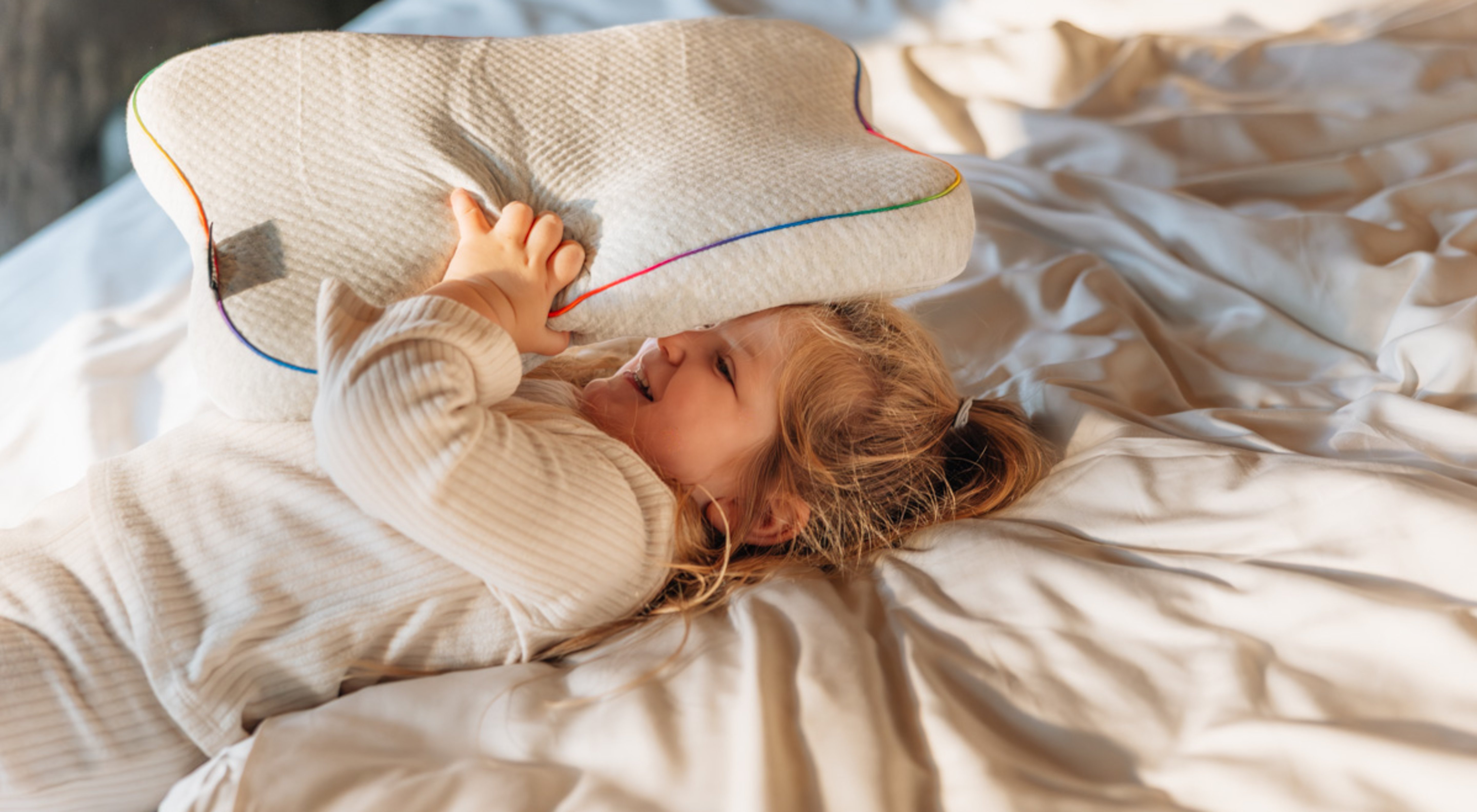

Relaxation techniques and age-appropriate sleep aids
Using tried-and-true yet simple methods, you can help your child fall asleep more easily. The best part: Relaxation techniques and consciously “winding down” after a stressful day will likely do you good, too.
Breathing and physical exercises
- Breathing exercises: Breathing slowly and deeply together calms the nervous system and helps you let go of the day’s stress.
- Progressive muscle relaxation (PMR): In PMR, different muscle groups are tensed and then relaxed one after another. This reduces stress and induces sleepiness. PMR is suitable for children as young as about five years old.
- Gentle stretching exercises or children’s yoga: Playful movements like “Sleeping Cat” or “Calm Tree” promote body awareness and relaxation.
Soothing Sensory Stimuli
- Gentle massage: A short back or foot massage before bedtime has a calming effect, conveys a sense of safety and security, and promotes the release of oxytocin, the “cuddle hormone.”
- Soothing music or bedtime stories: Calm melodies or gently narrated stories help children fall asleep.
- Stuffed animal or favorite blanket: Familiar objects provide a sense of security and have a particularly relaxing effect on younger children.
Mental and Emotional Relaxation
- Guidedimagery: Short guided stories or visualizations help children focus on positive images and find calm.
- Mindfulness through body awareness: Children consciously feel how they’re lying or how their blanket feels. This distracts them from worrying.
- Evening gratitude round: Together, you can name three nice experiences from the day. This boosts well-being and reduces tension.
Our tip: Discover the BLACKROLL Sleep Collection and the ergonomic children’s pillow. These can help with relaxation, recovery, and a more restful sleep. Sleep is the foundation for performance, balance, and well-being—for you and your child!
Leona Rudolph, health psychologist and sleep health expert


When should you seek medical advice?
If your child frequently has trouble falling asleep, is increasingly having difficulty staying asleep, or is repeatedly tired, inattentive, or excessively restless during the day, you should visit a pediatrician’s office. There, underlying causes of your child’s sleep disturbances that require treatment can be ruled out.
Warning signs that you should have checked by a doctor:
- Persistent trouble falling asleep lasting several weeks
- An excessive urge to move the legs after lying down
- Severe snoring or pauses in breathing during sleep (when not suffering from an infection)
- Extreme daytime sleepiness despite getting enough sleep at night
- Inattention and excessive restlessness during the day
- Sleepwalking (risk of injury) or night terrors
- Frequent recurring nightmares
- Nighttime abdominal pain and heartburn (reflux)
- Seizure-like episodes occurring during sleep
- Sleep problems that significantly impact development or family life
Pediatricians can also refer you and your child to sleep specialists or specialized counseling centers if necessary.


Is your child having trouble sleeping? Frequently asked questions
There are many reasons why children have trouble falling asleep: separation anxiety, overstimulation from an exciting day, fear of the dark or monsters, or simply the desire to spend a little more time with their parents. Sometimes, poor sleep habits are also to blame. Observe your child closely and figure out whether they don’t want to sleep or can’t sleep. Depending on the cause, different approaches can be helpful.
Children’s sleep needs depend on their age and decrease as they get older. Newborns sleep up to 17 hours a day, spread across several sleep phases. Toddlers still need about 13 hours of sleep, including naps, while preschoolers need around twelve hours. Elementary school children need an average of ten to eleven hours, and teenagers need about eight to ten hours of sleep per night. These times are guidelines, as actual needs can vary from child to child.
For toddlers who don’t want to sleep, consistent evening routines and soothing rituals are most helpful. Establish a structured daily routine with set bedtime hours and a relaxing bedtime ritual (reading a story, singing a lullaby). Also, make sure the sleeping environment is quiet and the room temperature is optimal for sleep. Important: Toddlers should also learn to fall asleep in their own bed, rather than in your arms or while nursing. Set clear, loving boundaries and be consistent.
Simple relaxation techniques like mindful breathing or gentle massages work even for toddlers. You can introduce progressive muscle relaxation starting around age five, but make sure to approach it in a playful and child-friendly way. Children aged ten and older can already perform relaxation exercises, meditations, or guided imagery on their own. It’s important that the techniques are age-appropriate and not perceived as a chore.
Seek medical advice if your child has persistent trouble falling asleep over several weeks or an excessive urge to move their legs after lying down. A visit to a pediatrician’s office is also advisable if your child is very tired and has trouble concentrating during the day, snores heavily, or experiences pauses in breathing. The same applies if they frequently complain of pain at night. You should also seek medical advice if your child sleepwalks in a way that poses a risk of injury or experiences frequent, recurring nightmares. Any seizure-like episodes occurring during sleep are also reasons to visit a pediatrician’s office. Another reason to seek medical attention is if the sleep problems are placing a significant strain on the entire family. In such cases, it’s important to identify the causes and, if necessary, arrange for professional help.
More Articles on Children’s Sleep





Studies & Sources
Iglowstein, I., Jenni, O. G., Molinari, L., & Largo, R. H. (2003). Sleep Duration From Infancy to Adolescence: Reference Values and Generational Trends. Pediatrics, 111(2), 302–307. https://doi.org/10.1542/peds.111.2.302
Mindell, J. A., Kuhn, B., Lewin, D. S., Meltzer, L. J., & Sadeh, A. (2006). Behavioral treatment of bedtime problems and night wakings in infants and young children. Sleep, 29(10), 1263–1276. https://doi.org/10.1093/sleep/29.10.1263
Schlarb, A. A., Liddle, C. C. J., & Hautzinger, M. (2011). Sleep problems in German children and adolescents: A self-report survey. Child Psychiatry and Human Development, 42(5), 593–605.