
Migraine Pillow

Do you regularly suffer from migraines or nighttime headaches? Then you know how crucial a good night’s sleep is for your recovery. What many people don’t realize is that an unsuitable pillow can increase tension in the neck—and that’s exactly what can contribute to or even trigger migraine attacks.
A migraine pillow keeps your head and neck aligned, distributes pressure, and can reduce morning headaches by up to 60%—as confirmed by a study. The key factors are the right height, supportive material (such as memory foam), and a restful sleeping position on your back or side. (Gordon SJ et al 2010)
In this article, you’ll learn how a pillow helps with migraines, which materials, shapes, and features are truly important—and what to look for when buying one. You’ll also get valuable tips on the best sleeping position for migraines and find out which migraine pillow suits your needs.


Why the Right Pillow Can Be So Helpful for Migraines
The right pillow can make a significant difference when you have migraines—especially if you frequently suffer from headaches at night. That’s because while you sleep, your neck, shoulders, and head experience very little active muscle tension—which makes it all the more important that your pillow provides optimal support for these areas.
A study shows that sleep quality and migraines are closely linked. People who sleep poorly or wake up with tension are at a higher risk of migraine attacks the next day. Sleep quality is particularly important here, rather than the duration of sleep.
The neck muscles play a central role —if they’re overworked or constantly tense, trigger points can develop that trigger or exacerbate migraines.
A pillow specifically designed for neck pain and headaches can address this issue directly. It ensures an ergonomically sound alignment of your spine, provides targeted relief for your neck, and prevents pressure points in the sensitive head and shoulder areas. The result: fewer irritants, more stability—and, ideally, fewer migraine episodes.
If you suffer from migraines frequently, it’s worth looking into a pillow designed to relieve headaches that suits your sleeping position and adapts perfectly to your body.
Who can particularly benefit from a migraine pillow?
Highly recommended for:
- People with migraines triggered by neck tension
- People with tension headaches in the morning
- Side sleepers with broader shoulders
- Back sleepers with chronic neck pain
- Anyone looking for a non-medication-based prevention method
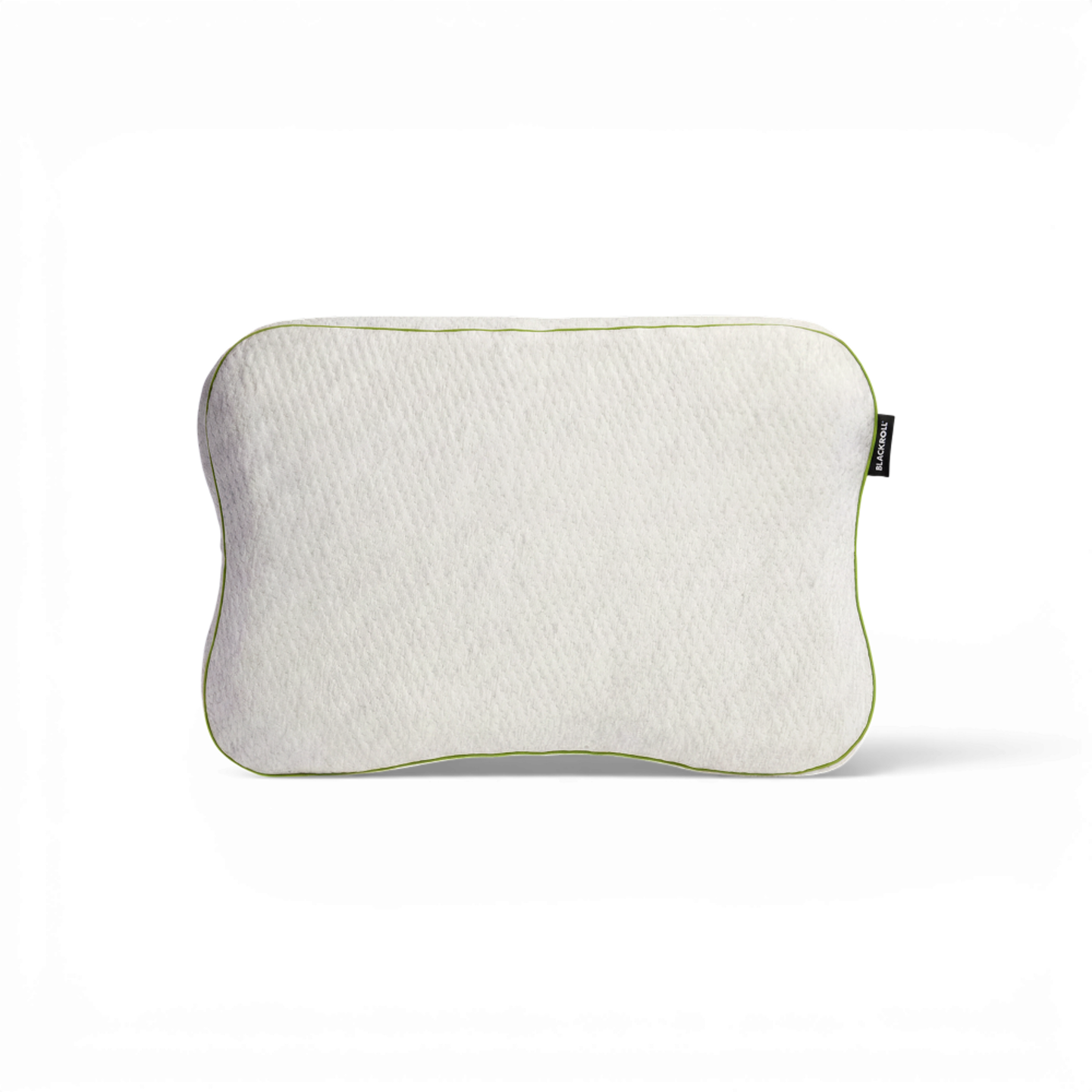

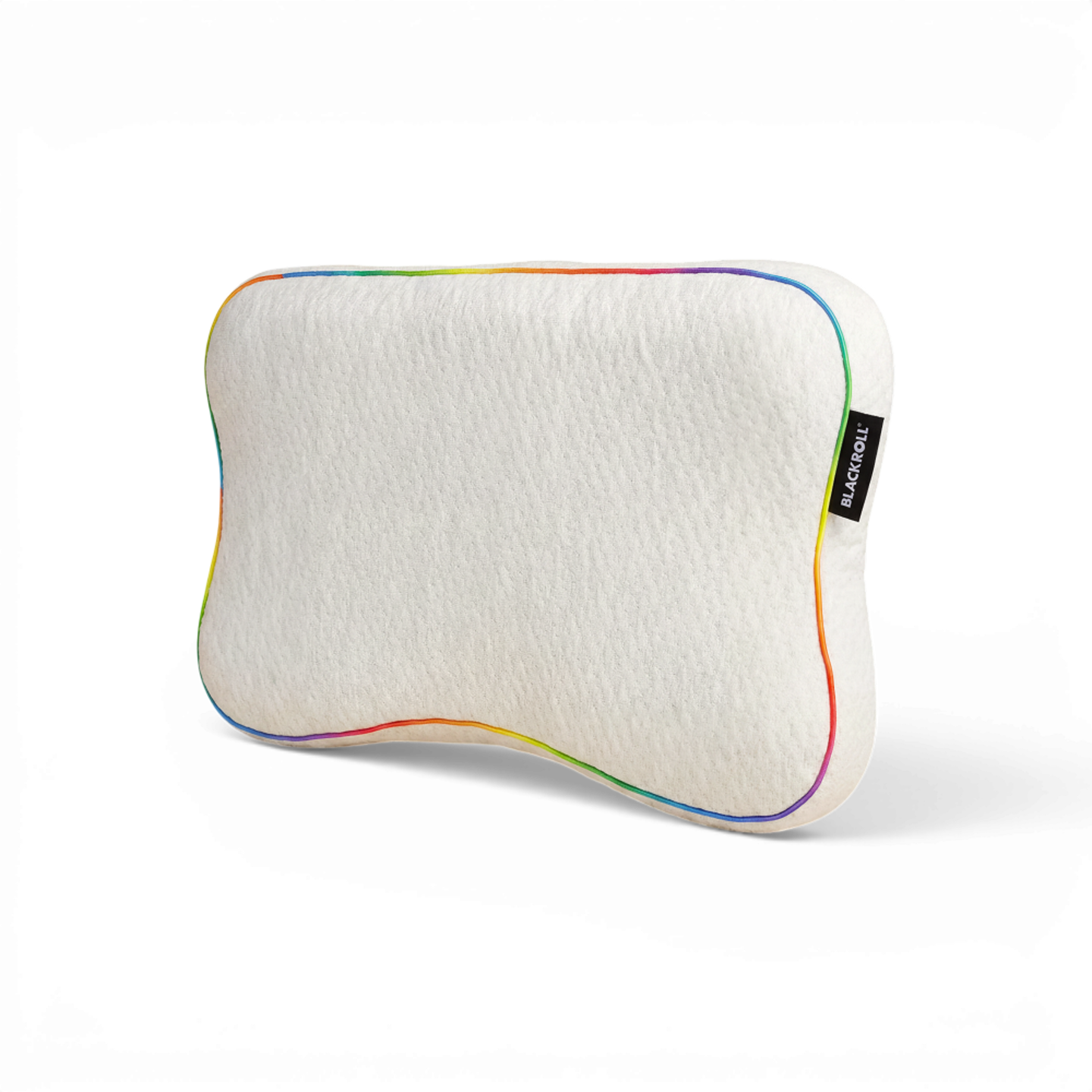
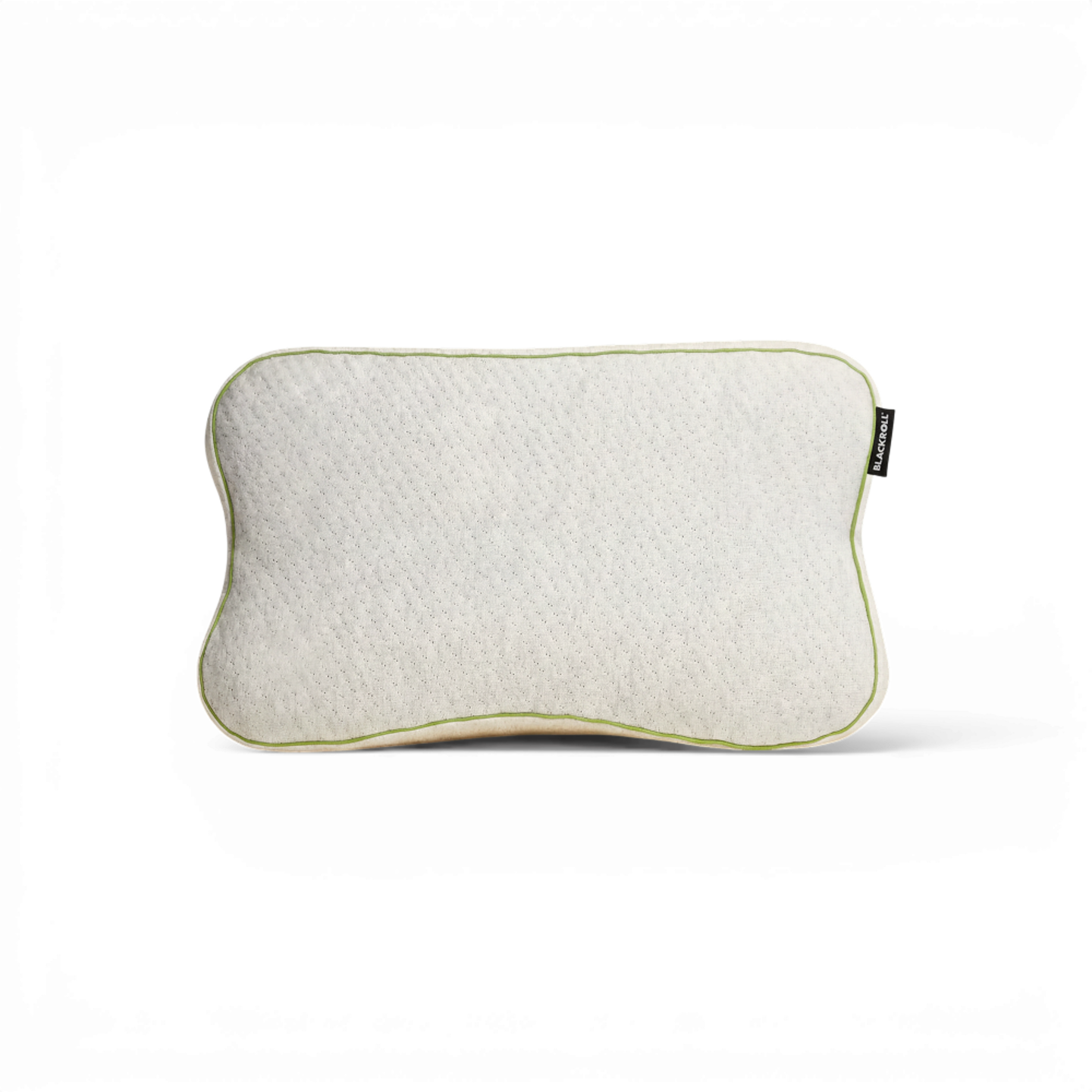
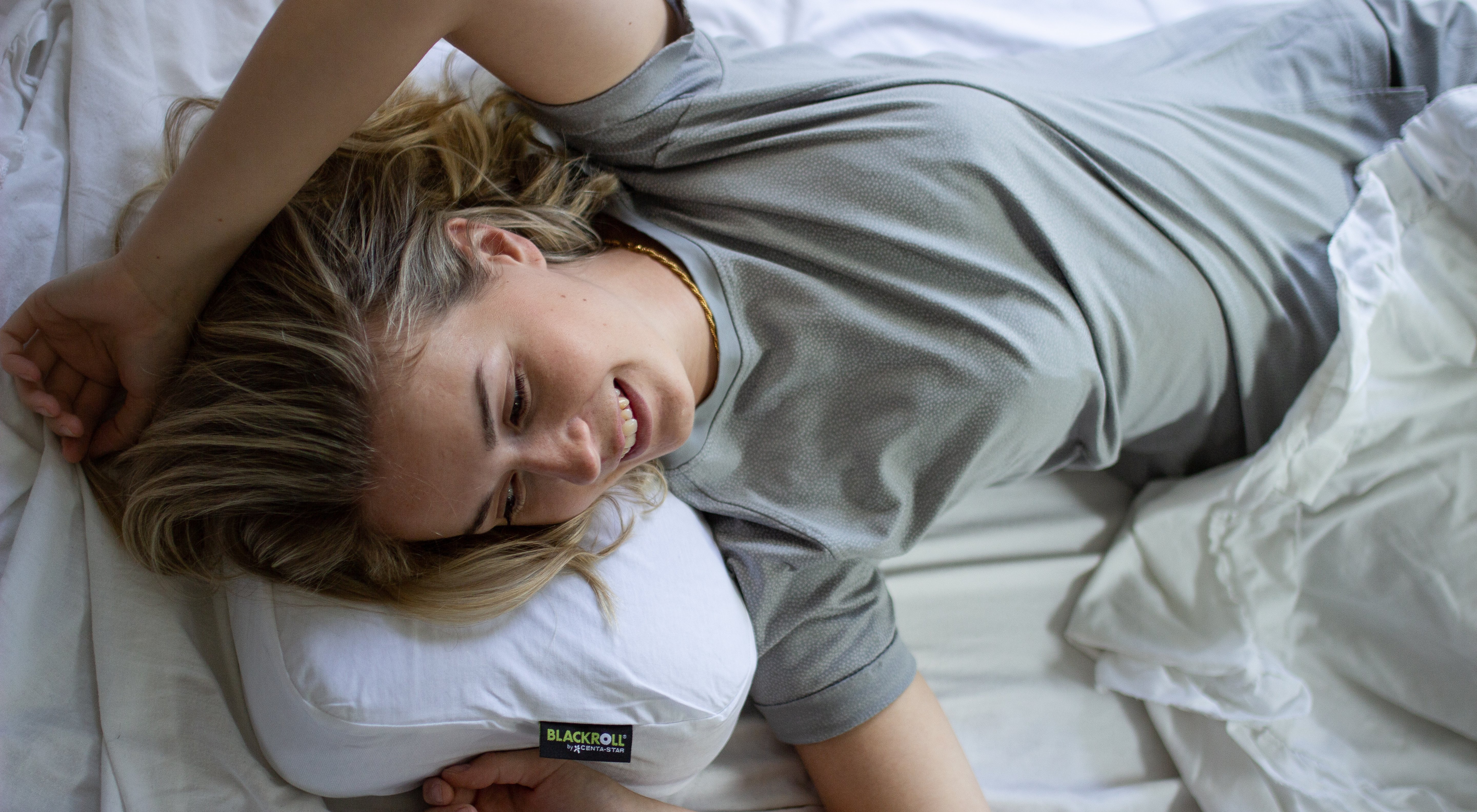

What is a migraine pillow?
A migraine pillow is a specially shaped neck support pillow that aligns the head and cervical spine so that muscles can relax and pressure points along the occipital nerves* are relieved—two key triggers of migraine and tension headaches. Unlike a conventional feather or fiber pillow, it retains its shape, follows the natural C-curve of the neck, and prevents “kinked positions,” which often trigger microvibrations and morning stiffness at night.
- Orthopedic pillow → medically designed support zones primarily ensure proper spinal alignment.
- Ergonomic pillow → combines this support function with adjustable heights, memory foam, or gel zones for maximum comfort —many migraine pillows today combine both approaches.
Why the concept works—recent studies
Several independent studies confirm the benefits of using a migraine pillow:
- Water-based pillow (Johns Hopkins RCT): In a 5-week crossover trial, a water pillow performed significantly better than a roll pillow or standard pillow in terms of neck pain intensity and sleep quality.
- Functional cervical pillow (Korean RCT): In the Korean study, participants slept on a specially shaped neck pillow for just under three and a half weeks. Afterward, their pain levels—measured on a 0-to-100 scale—were about 13 points lower than those of the control group using a standard pillow. Furthermore, only those using the special pillow experienced noticeable relief in their daily lives—they were able to move their heads and necks more freely again.
- Ergonomic Latex Pillow (2020 Laboratory Study): In a 2020 laboratory study, participants rested their heads on a specially shaped latex pillow. Two things happened:
Improved head posture —the angle between the head and neck straightened, allowing the neck to rest more naturally.
Less muscle fatigue —the neck muscles lasted longer because they no longer had to work as hard.
Both findings suggest that the pillow reduces pressure on the nerves at the back of the head—a potential benefit for tension headaches and migraines.
- Systematic Review & Meta-Analysis 2021: Of the 22 clinical studies evaluated, water, latex, and feather pillows reported small to moderate but clinically relevant reductions in neck pain and morning stiffness; rubber and spring pillows additionally improved daily functioning.
Modern migraine pillows typically combine orthopedic support technology with ergonomic comfort. Research shows that consistent use relieves tension, alleviates pressure points, and thus reduces migraine triggers such as nerve irritation—a simple, non-pharmacological strategy with demonstrable benefits for pain, sleep, and function.
The occipital nerves consist of the greater, lesser, and third occipital nerves (C2–C3). They ascend from the upper neck between the muscles and fascia to the crown of the head and provide purely sensory innervation to the skin at the back of the head. If one of these nerves is irritated by tense muscles or poor head posture, it can trigger stabbing pain and contribute to migraine attacks

Sleep better, live healthier—with our sleep course. Up to 100% reimbursement.
Discover the online sleep course now

Migraine Pillow: How Can It Help?
A high-quality migraine pillow can specifically help alleviate or even prevent migraine attacks—especially if tension in the neck and shoulder area is one of your known triggers. The special support for the neck and head ensures that your spine remains in an ergonomically optimal position while you sleep. This prevents unnecessary pressure and allows your muscles to relax more effectively.
The Impact of Sleep Position on Migraines
Your sleeping position plays a crucial role when it comes to migraine prevention:
- Side sleepers benefit from a higher pillow that fills the gap between the shoulder and the head, allowing the cervical spine to remain straight. Pillows that are too low or too soft can lead to poor posture and tension.
- Back sleepers need a flatter pillow with good neck support that doesn’t push the head forward. Here, too, the neck must be supported in a stable yet relaxed position.
- Stomach sleepers have the hardest time, as this position severely twists the cervical spine. Those who suffer from migraines should try to get used to sleeping on their side or back—with the support of a suitable pillow.
A good migraine pillow takes these differences into account and either offers individual height adjustment or is specifically designed for a particular sleeping position.
Support for the Neck and Head: Why It’s So Important
A key feature of a good migraine pillow is the targeted stabilization of the neck and the even support of the head. Many migraine sufferers experience increased muscle tension in the upper back, neck, and shoulder areas—often triggered by incorrect sleeping positions or pillows that are too soft or sagging.
A suitable migraine pillow supports the cervical spine in such a way that the natural curvature of the spine is maintained without tilting the head too far or forcing the neck into an unnatural position. This prevents the muscles from becoming overstretched or shortened during the night, allowing them to relax—an important prerequisite for avoiding pain-causing trigger points.
Pressure Relief in the Shoulder Area
Another benefit of a migraine pillow is targeted pressure relief in the shoulder and upper back area. Side sleepers, in particular, exert localized pressure on the tissue in these areas during the night. If the pillow is too firm, too high, or incorrectly shaped, it can irritate the muscles and increase tension—which can trigger migraines or tension headaches in sensitive individuals.
A good migraine pillow distributes this pressure evenly and over a large area, thereby relieving the muscles and promoting blood circulation. Some models are shaped so that the shoulder area can sink in slightly without destabilizing the neck—a clear advantage over conventional pillows.
Migraine Pillows – Materials
Choosing the right material for your migraine pillow plays a crucial role in comfort, fit, and effectiveness—especially if you’re sensitive to pressure, heat, or odors. Depending on your personal needs and sleeping habits, different materials offer different benefits.
Popular materials for migraine pillows:
- Memory Foam (Visco Foam):
This material conforms precisely to the shape of your head and neck, distributes pressure evenly, and supports a healthy sleeping posture. Ideal for people with tension and sensitive trigger points in the neck area. - Gel pillows:
Gel pillows combine the benefits of memory foam with a pleasant cooling effect. This can have a soothing effect, especially during nighttime migraine attacks, and help alleviate pain. - Latex:
Natural or synthetic latex offers a firm, supportive feel with good resilience. Its high breathability ensures a comfortable sleeping environment—ideal for people who sweat easily at night. - Natural materials (e.g., spelt, millet, kapok):
These fillings are often used in natural pillows and are prized for their natural feel. However, they tend to be less dimensionally stable and do not provide a cooling effect.
Cooling pillows for migraines—targeted relief during acute attacks
Some migraine pillows feature built-in cooling zones or compartments for cooling pads. These cooling pillows for migraines can be pre-chilled in the refrigerator and used before bedtime or during acute episodes. The cold can help calm blood vessel activity in the head area, reduce inflammation, and lessen pain perception.
Especially for people who frequently wake up at night with throbbing pain, an ergonomic pillow with a cooling function like this can provide noticeable relief.
So which pillow is right for you?

Exercises tailored to your needs
Discover now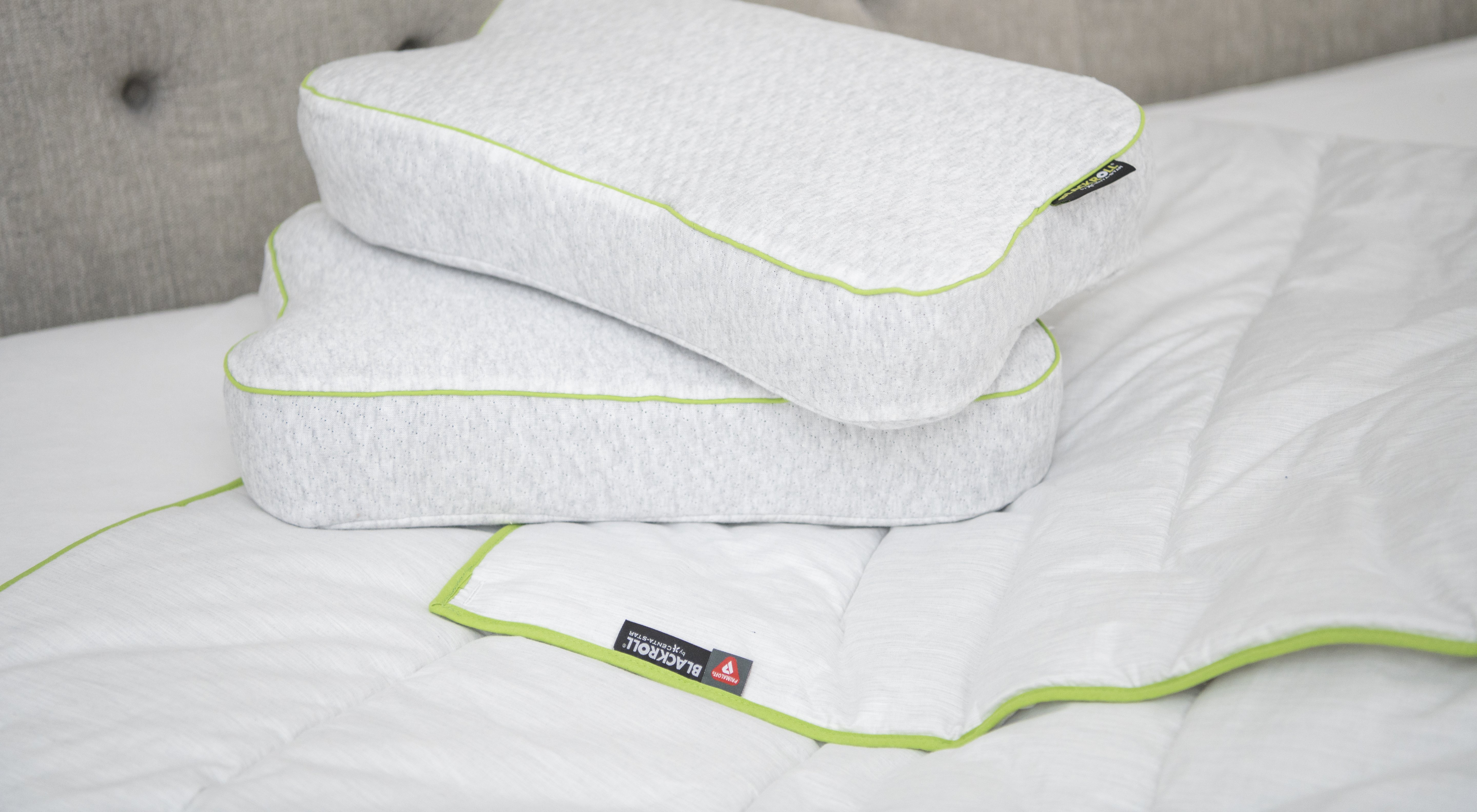
Pillows for headaches: What matters?
If you regularly wake up with tension headaches or migraines, you should take a closer look at your pillow. Often, it’s the small details—such as shape, material, or height—that make all the difference. Here’s a handy checklist of the most important criteria for a good pillow if you suffer from neck pain and headaches:
Checklist: How to Find the Right Pillow for Headaches
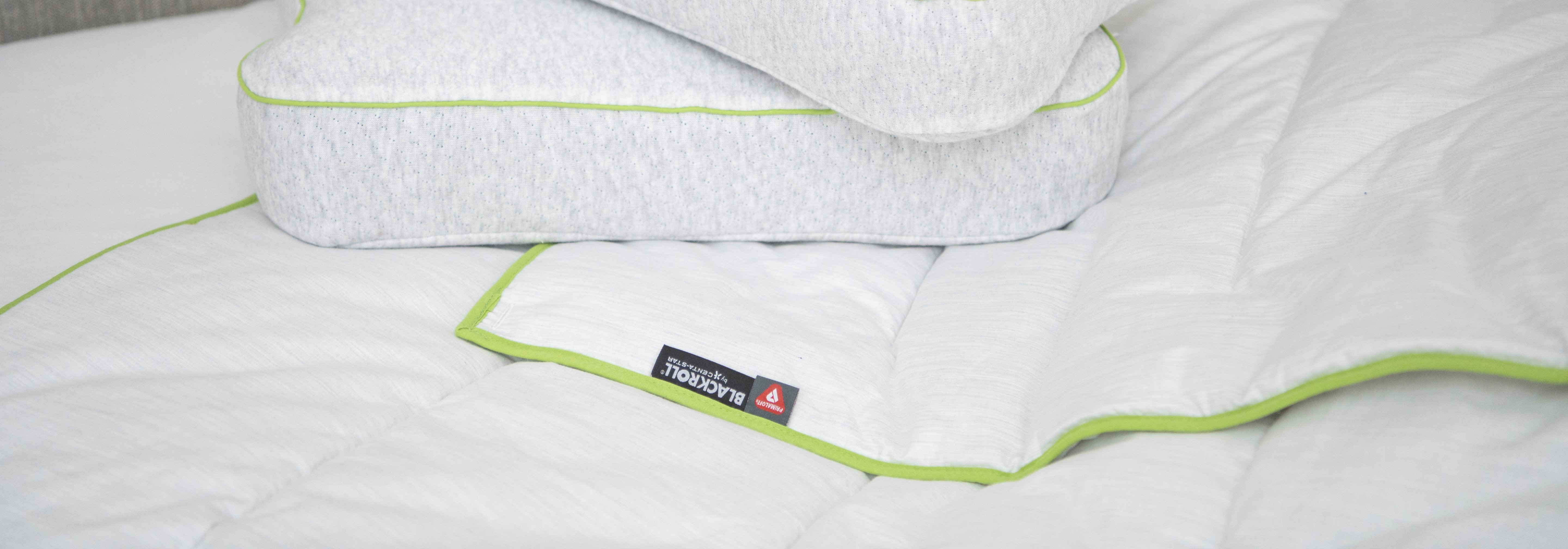
Look for high-quality covers and fillings that regulate heat well, wick away moisture, and contain no irritants. Particularly suitable: memory foam, gel, or latex, combined with a breathable cover.
Whether contoured, classic, or with indentations: Your pillow should match your sleeping position and shoulder width. The ideal model is one that ergonomically supports your cervical spine when sleeping on your back or side.
A pillow that’s too soft can cause you to sink in and overstretch your neck, while one that’s too firm can cause pressure points. The right balance depends on your preferred sleeping position.
An orthopedic pillow often provides targeted neck support and a defined shape—ideal for chronic discomfort. Classic pillows offer flexibility but are often less supportive.
If you’re specifically looking for a pillow to help with neck pain and headaches, it should relieve pressure on your pain points and distribute pressure effectively. Some models feature special sink-in zones or cooling functions for additional relief.

Conclusion: Pillows for neck pain and headaches
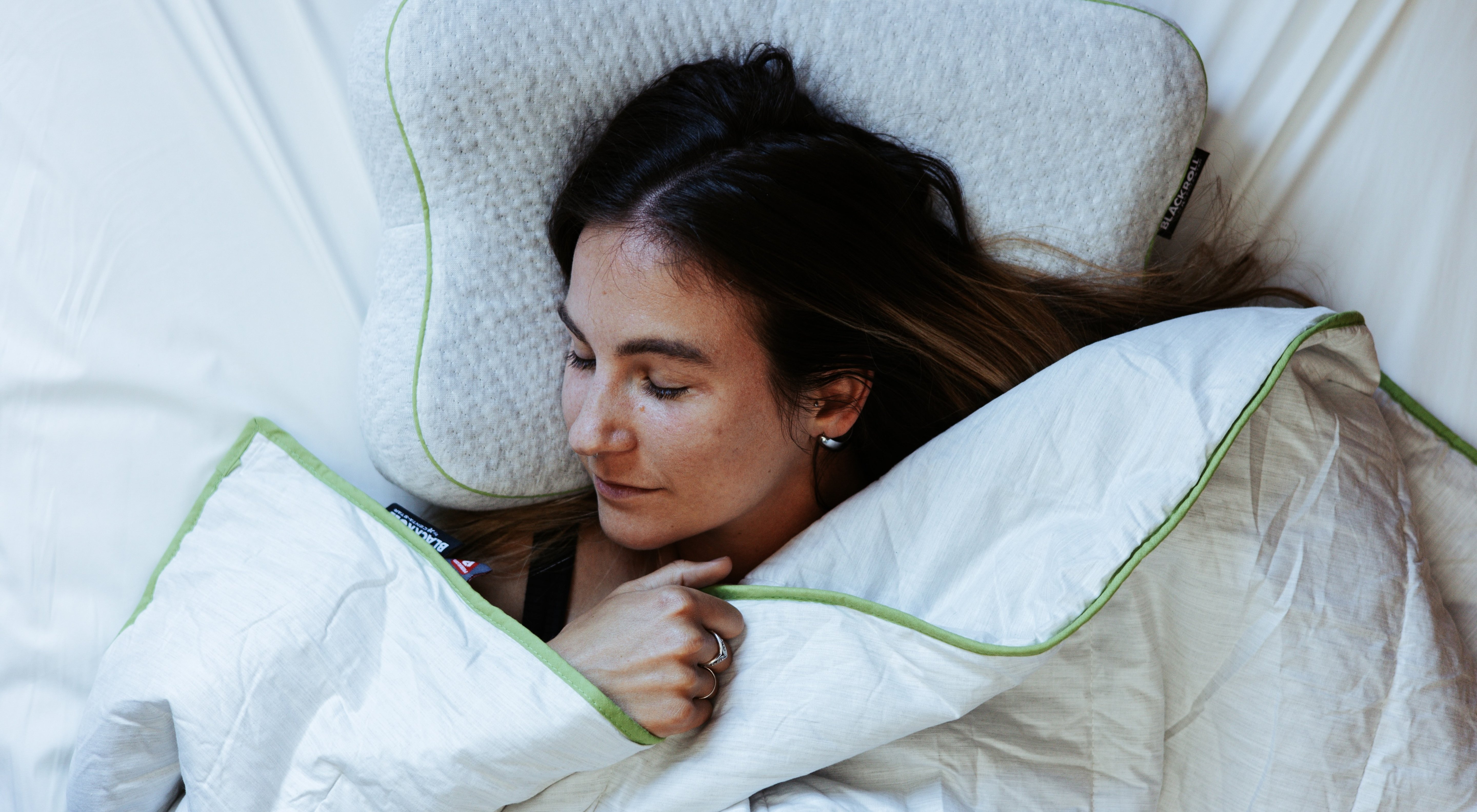
If you often wake up in the morning with neck pain or headaches, it’s worth taking a closer look at your pillow. A specialized pillow for neck pain and headaches can help you noticeably improve your sleep quality—and reduce discomfort in the long term.
With the right support, comfortable materials, and the proper height, a migraine pillow supports your spine exactly where tension often builds up: in the neck and shoulder area. This allows your body to finally relax—and you’ll wake up feeling more refreshed and pain-free.
Don’t wait until the next migraine attack rips you out of your sleep. Treat yourself to the support your body needs every night, and discover how much better sleep can feel when your neck and head are truly well-supported.
And remember: Diet, exercise, and regular relaxation are also important building blocks for preventing migraines in the long term—your pillow is a good first step. More comfort while sleeping often means less pain in the morning. Give your body the right support—and discover how much better your nights can feel.


FAQ: Frequently Asked Questions About the Migraine Pillow
The adjustment period can vary from person to person—many people notice an improvement after just a few nights, while others may need up to two weeks. It’s important to use the pillow regularly and give your body some time to get used to the new sleeping position.
A migraine pillow is suitable for anyone who suffers from migraines, tension headaches, or neck tension—regardless of age. Health-conscious people who want to prevent these issues or who value an ergonomic sleeping position will also benefit from it.
Side sleepers generally need a higher pillow that fills the gap between the head and shoulder and keeps the spine in a straight line. Back sleepers prefer flatter pillows that slightly elevate the head without pushing it forward.
A migraine pillow cannot cure migraines, but it can help minimize triggers such as muscle tension, poor posture, and nighttime pressure on the neck or head.
A high-quality migraine pillow typically lasts two to three years before it loses its shape retention. Watch for signs such as reduced support, deformation, or unpleasant odors.