
Back Pain and Exercise: Why Does It Suddenly Hurt?

Back pain is one of the most common complaints in our modern society. Prolonged sitting, repetitive strain, or a lack of exercise can contribute to tension and pain in the back.
But here’s the good news: Targeted movements and exercise can not only help prevent back pain but also relieve existing pain. In this article, you’ll learn which sports and exercises are particularly effective for strengthening your back.
You’ll also get tips on how to relieve tension and achieve greater flexibility and well-being in the long term.

You’ll get a strong back. Your health insurance covers it.
Go to the online prevention course

Common Causes of Back Pain
Back pain can result from many factors, ranging from everyday strain to serious medical conditions. One of the most common causes is muscular imbalance. As a study shows , this can result from one-sided movement or prolonged sitting. This causes certain muscle groups to become overloaded while others weaken, which can lead to tension and pain.
Signs of wear and tear also play a role. As we age, the intervertebral discs and vertebral joints can wear down. This can lead to limited mobility and thus contribute to pain. Acute overexertion can also cause back pain, for example, from heavy lifting or intense physical labor.
In some cases, serious medical conditions are to blame, such as herniated discs, osteoporosis, or diseases of the internal organs. Therefore, it is important to assess back pain early on and take targeted measures for prevention or treatment.


Back Pain After Exercise
Exercise can both prevent and cause back pain if certain factors are not taken into account. Discomfort often results from poor technique or improper posture during training. Improper execution of strength exercises leads to improper strain on the body. Lifting heavy weights with a rounded back is also problematic.
A common trigger is a lack of core stability. If the deep muscles aren’t sufficiently trained, they don’t provide optimal support for the spine. This leads to tension or overexertion. In addition, sudden movements or skipping the warm-up phase significantly increase the risk of injury.
You can strengthen your core with these two exercises:
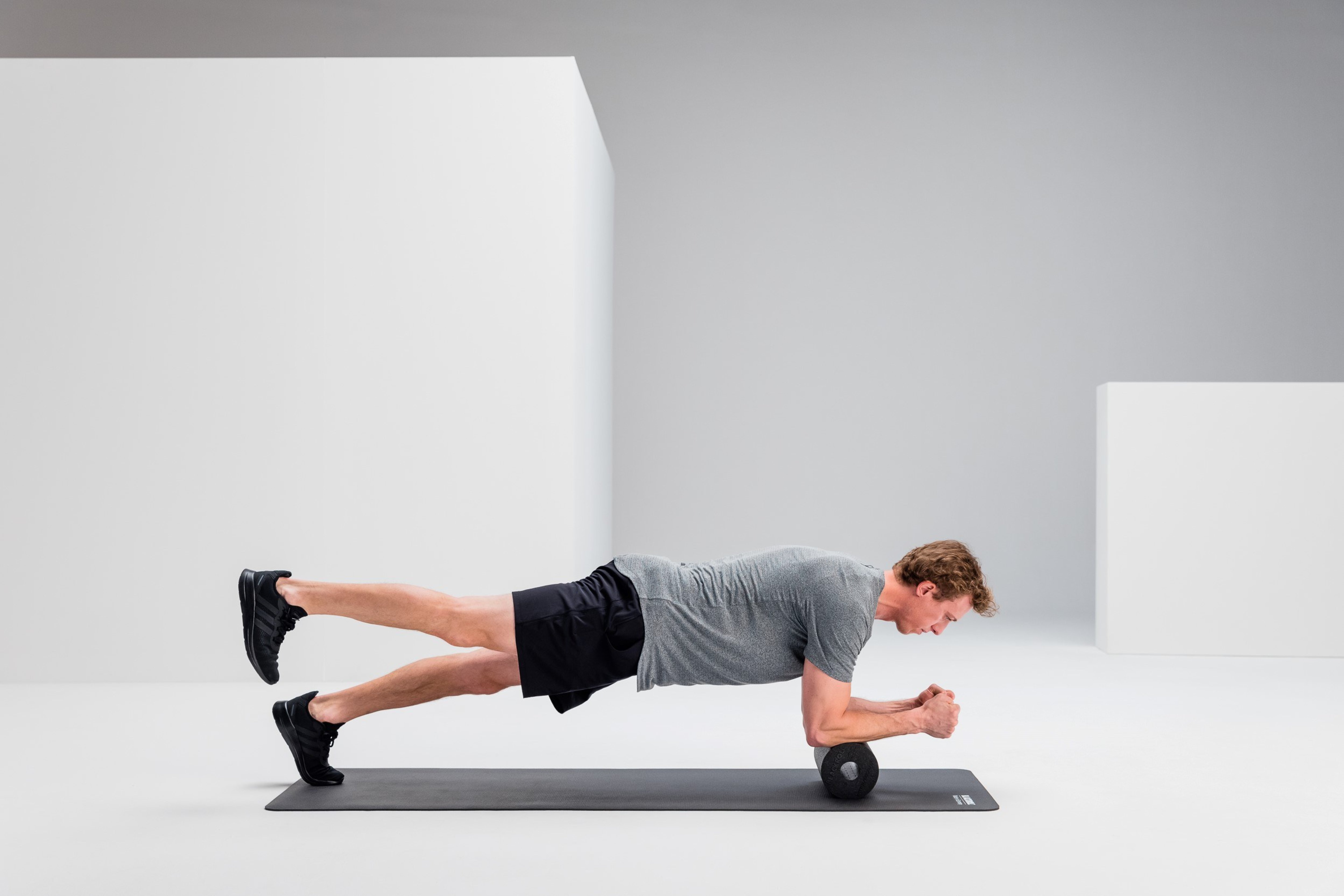
Forearm Plank
Start in a forearm plank position. Place the BLACKROLL under your forearms. Focus on engaging your core. Hold the position without letting your pelvis drop.
To increase the difficulty, alternately lift your feet off the floor or push the BLACKROLL forward and backward with your arms.
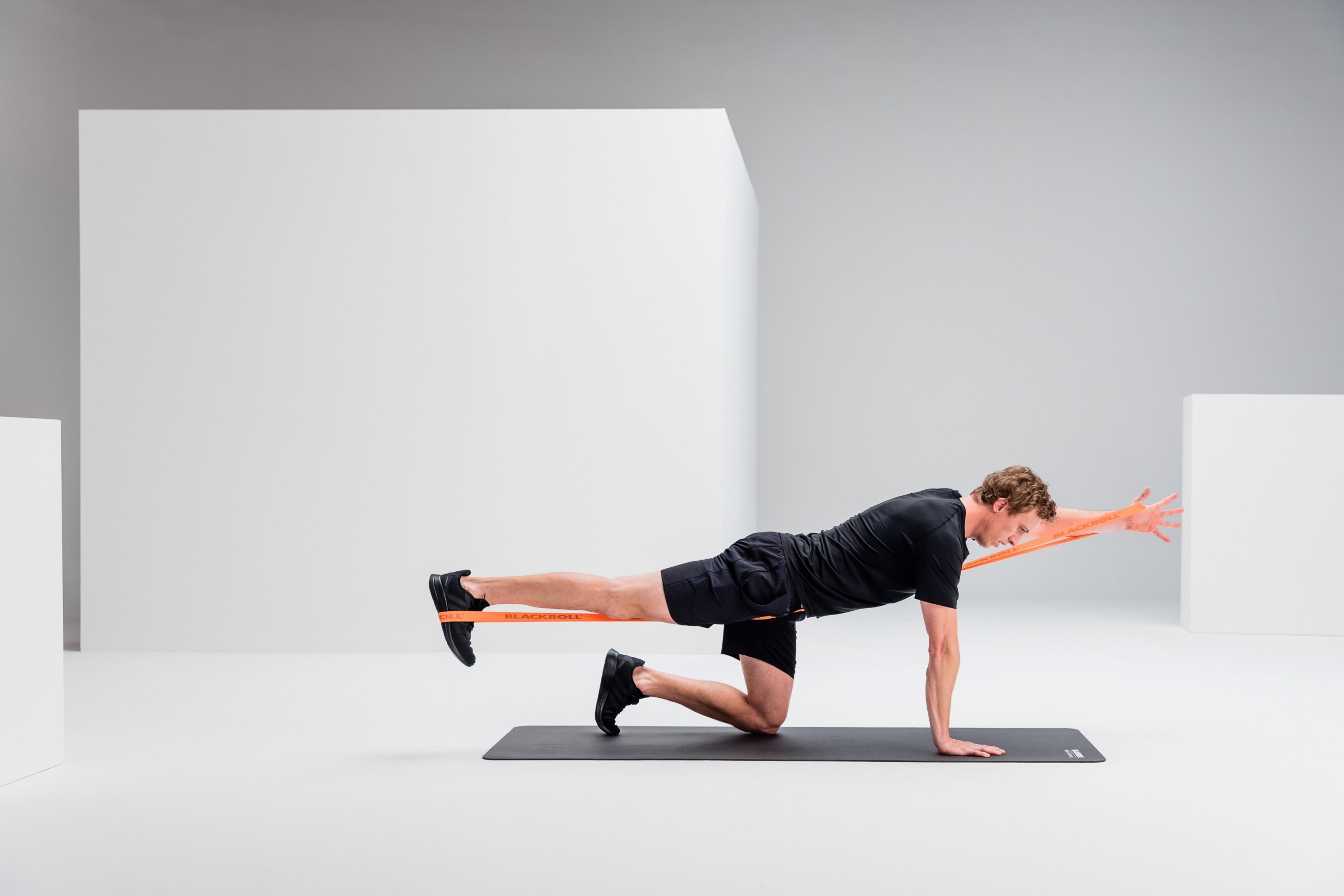
Bird Dog
Start on all fours and wrap the SUPER BAND around your foot. Grasp the other end of the band with your opposite hand. Lift your leg and arm at the same time. Return to the starting position.
In the starting position, your knees should be directly below your hips and your hands directly below your shoulders. Keep your core engaged throughout the entire exercise and avoid arching your back.


Lower Back Pain After Exercise
Lower back pain after exercise is common and often results from weakened core muscles. If the stabilizing muscles in the abdomen and back are not sufficiently trained, the lumbar spine is subjected to greater strain. This can lead to muscle tension or overuse injuries.
An incorrect hip position or uneven strain—such as when running or weightlifting—can also contribute to pain in the lower back. In addition, limited mobility in the hips or leg muscles increases the strain on the lumbar spine and can cause discomfort.
Helpful Exercises for Back Pain




Back Muscle Soreness
Back muscle soreness is a common occurrence that many people experience after performing unfamiliar movements or engaging in intense training that targets the back or core muscles. The painful sensations often arise after straining muscles that have been worked by repetitive or new movements. Back muscle soreness is particularly common among people who incorporate back exercises into their workouts or who generally struggle with back pain.
The pain usually sets in 12 to 48 hours after the exertion and primarily affects the deep muscles responsible for stabilizing the spine. Movement or further exertion of the affected muscle group may initially intensify the pain, but targeted, gentle movement—such as fascia training for the back —helps the body recover more effectively. Tension in the back is often caused by stress, poor posture, or a lack of exercise—factors that can place additional strain on the back and neck muscles. Thus, not only physical exertion but also psychological stress can lead to pain and tension in the back.
To prevent or relieve sore muscles in the back, you should gradually increase the intensity of your workout. A balanced mix of exercise, targeted relaxation exercises, and sufficient rest is important so that the muscles can adapt. Targeted back muscle training not only strengthens the entire back but can also reduce back pain and tension in the long term.


The Difference Between Sore Muscles and Back Pain
Have you ever felt a pulling sensation or mild stiffness in your muscles after exercising? But how can you tell if it’s just harmless muscle soreness or if there’s serious back pain underlying it? While muscle soreness is a natural reaction to physical exertion, back pain can indicate improper form, muscular imbalances, or even structural issues. That’s why it’s important to correctly identify your symptoms to avoid unnecessary risks.
Here’s what muscle soreness feels like
Sore muscles are caused by microscopic tears in the muscle fibers that occur during intense or unfamiliar exercise. The pain typically sets in 12 to 24 hours after exercise and peaks after about 48 hours. It manifests as a dull ache or tightness in the affected muscles and is often accompanied by mild stiffness or muscle tension. While muscle soreness is uncomfortable, it is harmless. With gentle movement and adequate rest, it usually subsides on its own within a few days.
Warning Signs for Back Pain
Unlike muscle soreness, problematic back pain often occurs during or immediately after exercise. It can manifest as a stabbing, burning, or shooting pain that intensifies with certain movements or persists even at rest. Particularly problematic is pain that radiates to other parts of the body, such as the buttocks or legs, or is accompanied by sensory disturbances like tingling, numbness, or weakness. These symptoms may indicate strain on the intervertebral discs, nerve irritation, or an inflammatory reaction in the back.
Another warning sign is back pain that does not improve despite rest or taking it easy—or that even worsens. Severe muscle tension that significantly restricts mobility can also be a sign that the back muscles have been overworked due to improper strain. In these cases, you should pause your training and focus on identifying the underlying cause.



Super Band
Available in multiple variants
Then you should see a doctor
Although many cases of back pain are harmless and subside on their own after a few days, there are situations that require medical evaluation. You should see a doctor or physical therapist if:
- The pain lasts longer than a week and does not improve with rest, gentle movement, or light stretching exercises.
- The pain occurs suddenly and is very intense, especially after an awkward movement or a fall.
- You experienceaccompanying symptoms such as numbness, tingling, or muscle weakness in your legs or arms, as this may indicate nerve involvement.
- The pain is particularly severe at rest or at night, as this may indicate inflammatory processes or structural problems.
- Back pain recurs after a workout, even though you’ve adjusted your technique and moderated your workout.
Seeing a doctor early on can help you rule out serious injuries and take targeted steps to manage and prevent pain. Often, physical therapy with targeted exercises to stabilize the spine is sufficient to remain symptom-free in the long term.


Tips for Relieving Back Pain Through Exercise
If you’re experiencing back pain, targeted exercise can help relieve symptoms and relax your muscles. Many people with back pain tend to move as little as possible. However, gentle, controlled movement can improve blood circulation, relieve tension, and support healing. Studies also confirm that walking can be an effective method for treating chronic back pain. A holistic approach not only helps prevent pain but also improves performance and overall well-being. Here are the 5 best BLACKROLL tips to keep your back healthy in the long term:
- 1. Strong core muscles: A stable core protects the spine and prevents excessive strain on the lower back. A weak core often forces the back to compensate for movements, leading to tension or pain.
BLACKROLL Tip: Regularly incorporate planks, dead bugs, and Russian twists into your workout. The SUPER BAND can help specifically activate the deep abdominal and back muscles. - 2. Improve the mobility of your spine and hips: Functionally shortened muscles, especially in the hip flexors, are a common cause of back pain. Limited mobility causes the lower back to compensate and become unnecessarily strained.
BLACKROLL Tip: Use the FASCIAL ROLLER, for example, to release tension.
Here are three effective exercises for you:
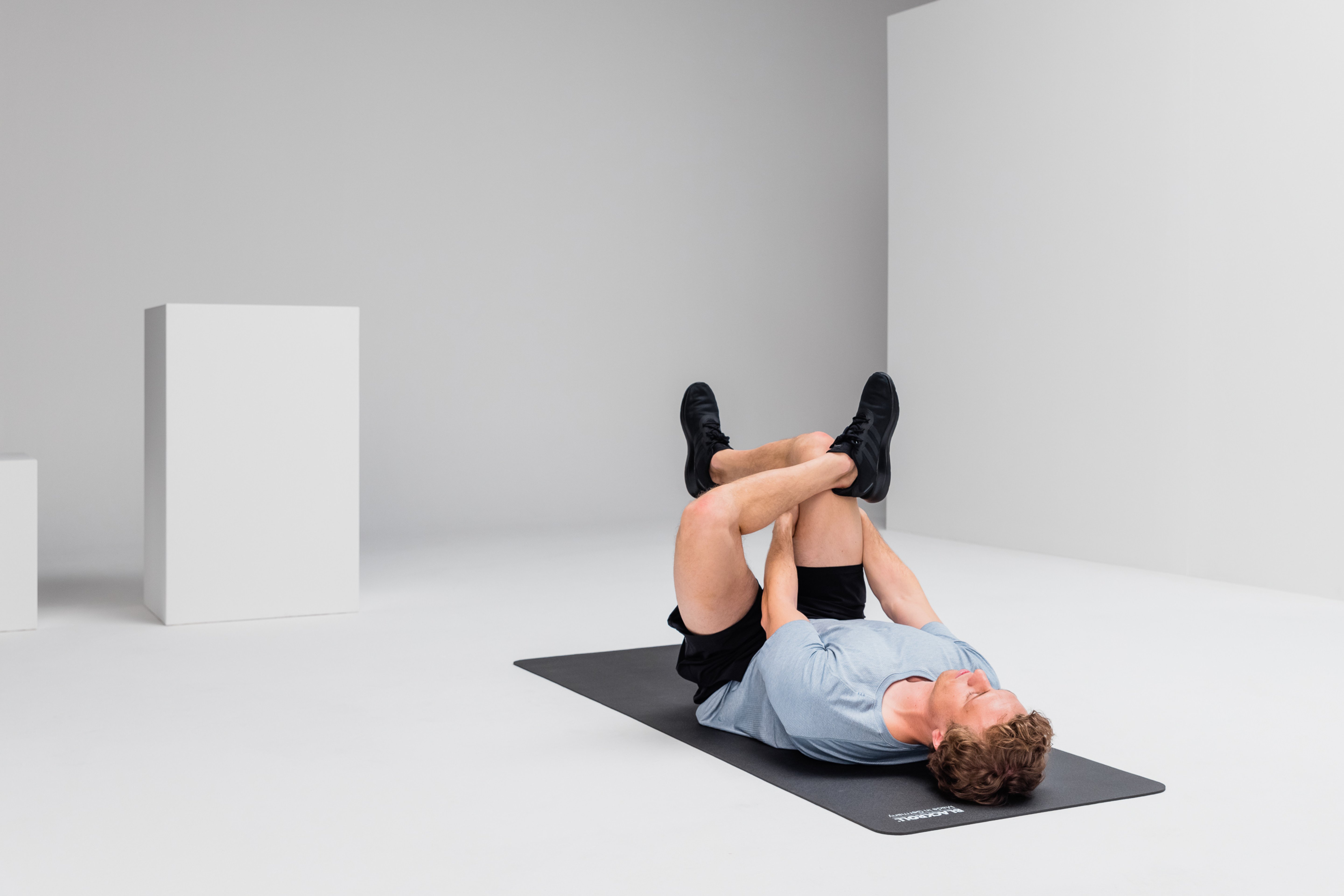
Piriformis Stretch
Start by lying on your back. Bring both legs up. Place one foot on the thigh of the other leg. Grasp the raised leg with both hands. Pull the leg toward you. Hold this position.
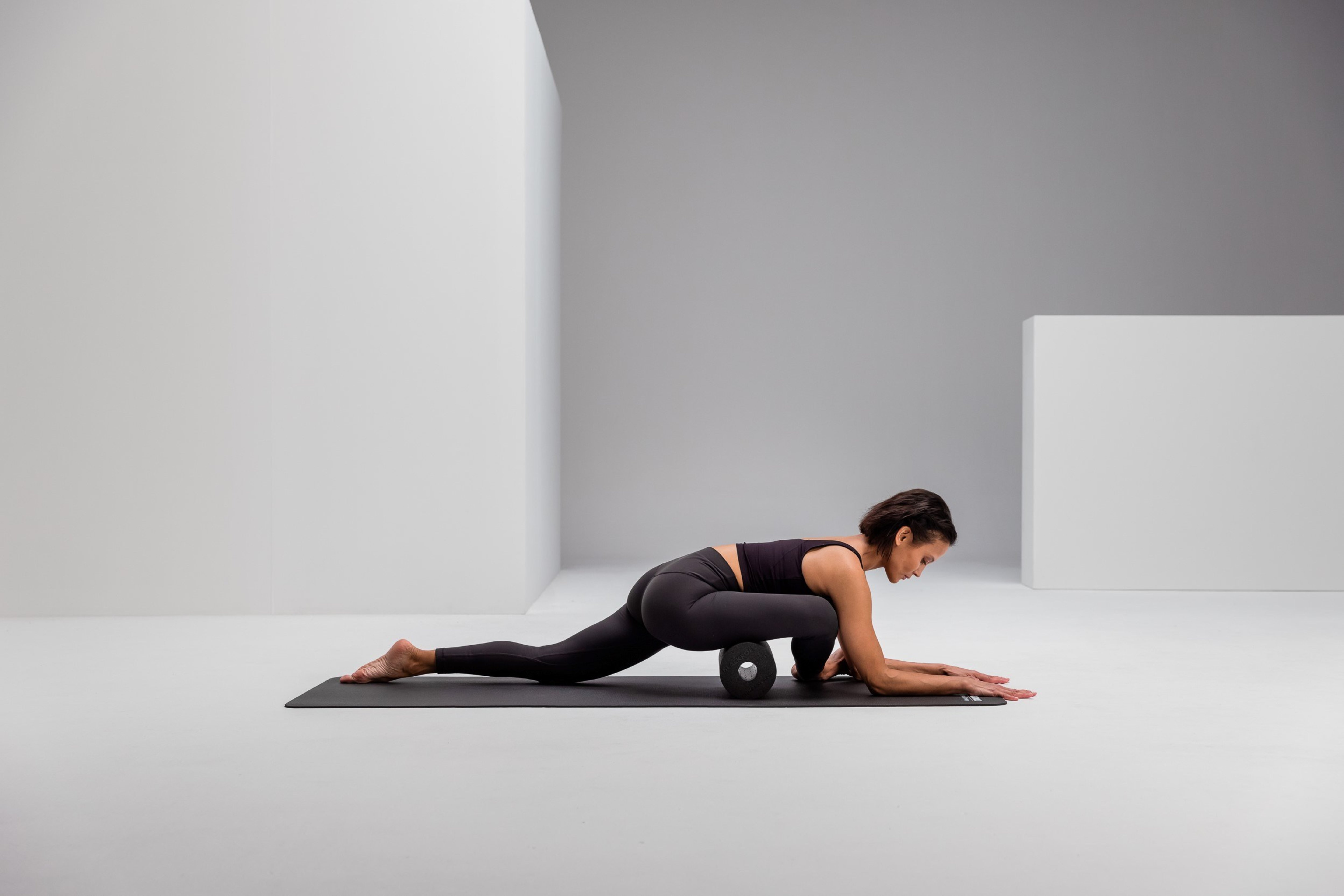
Pigeon
Place your lower leg at a right angle in front of your body. Position the FASCIAL ROLLER under your thigh. Extend your other leg backward. Keep your upper body straight and slowly lower yourself forward into the stretch.
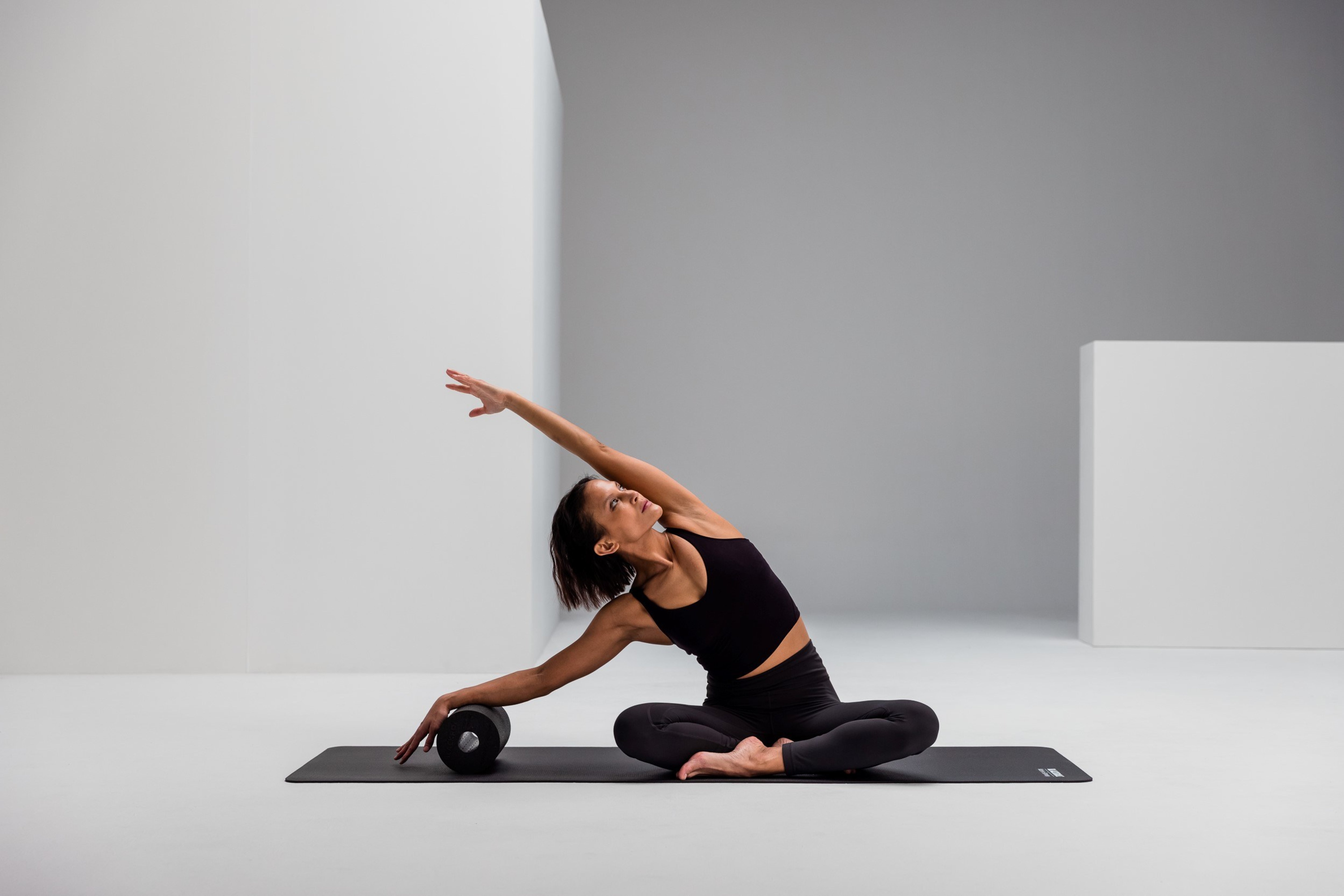
Spinal Mobilization
Start in a cross-legged position. Place the FASCIAL ROLLER to your right . Place your right hand on the roller. Extend your left arm over your head while leaning your upper body to the right. Hold this position before switching sides.
Your upper body should only perform a lateral bend during this exercise. Be careful not to tilt forward or backward.
3. Breathing and Relaxation Techniques for a Relaxed Back:
Shallow or unconscious breathing can lead to tension in the back and neck muscles. Conscious breathing helps relax the body and optimally oxygenate the muscles.
BLACKROLL Tip: Why not try incorporating deep breathing and conscious breathing into your workout?
Progressive muscle relaxation and meditation can also help relax the back muscles.
- 4. Regular fascia training to relax the muscles:
Tense fascia and stiff muscle structures can contribute to back pain and limit mobility.
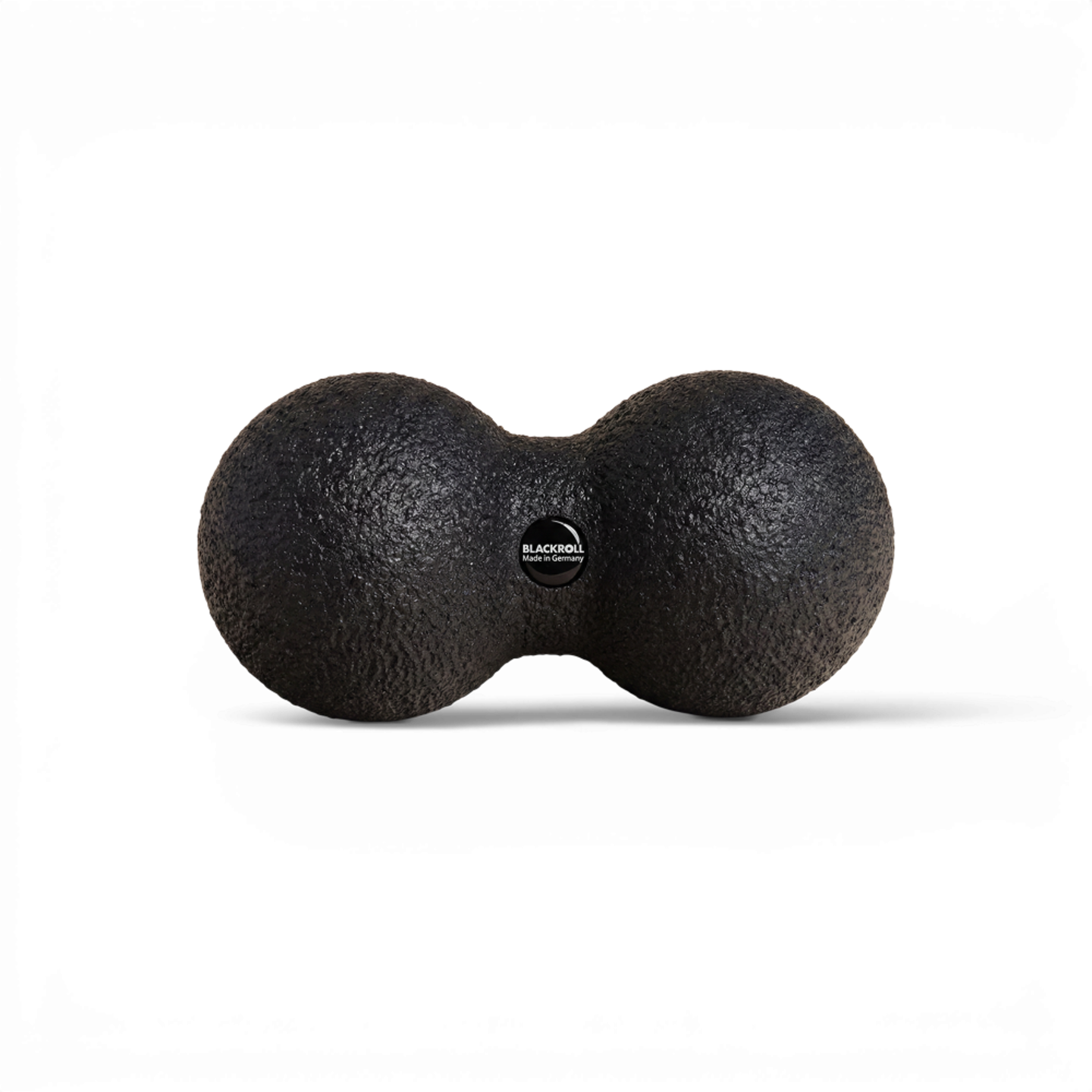
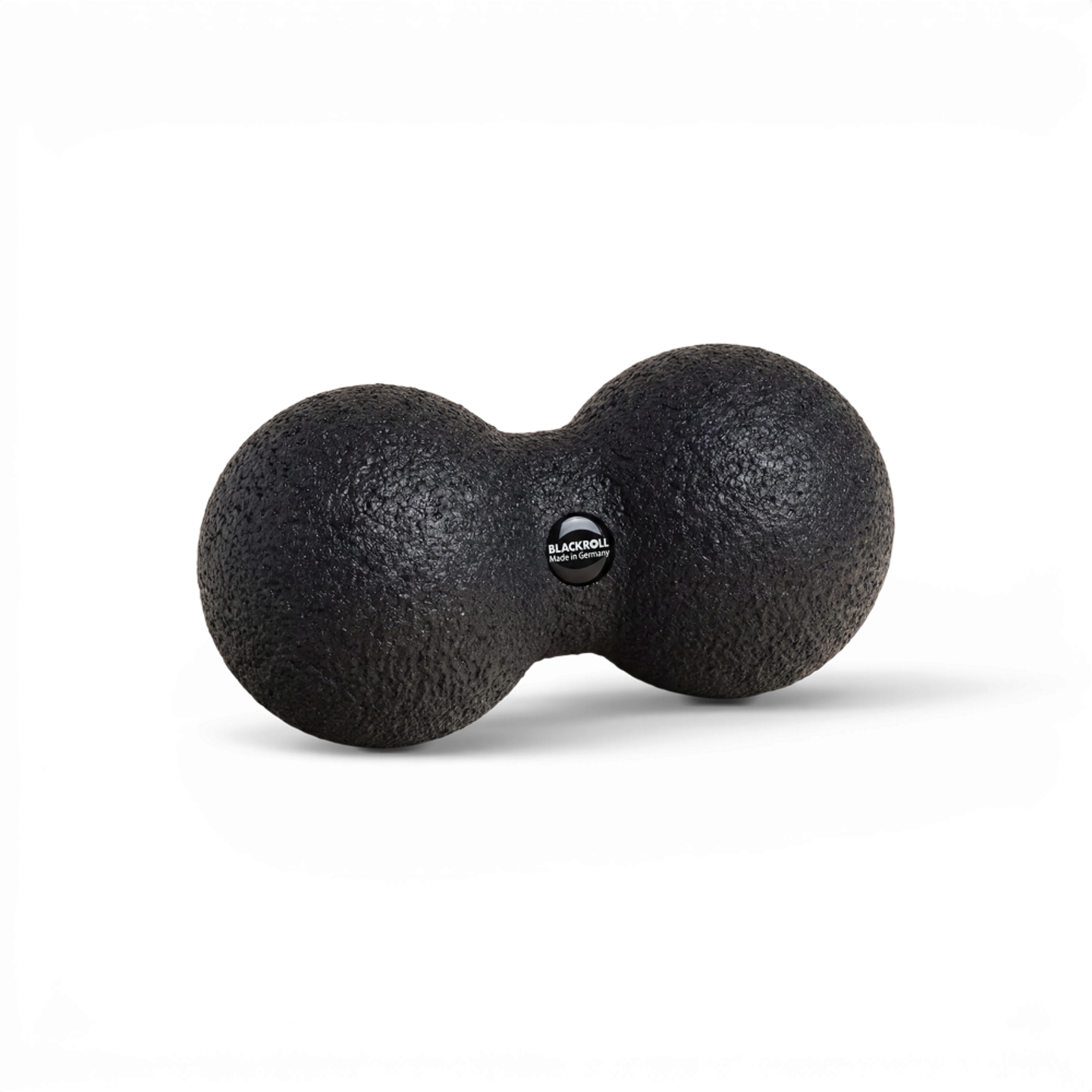
BLACKROLL Tip: Use the DUOBALL for your back and the FASCIAL ROLLER for your thigh and hip muscles to release tension and promote recovery.
Here are two exercises for you:
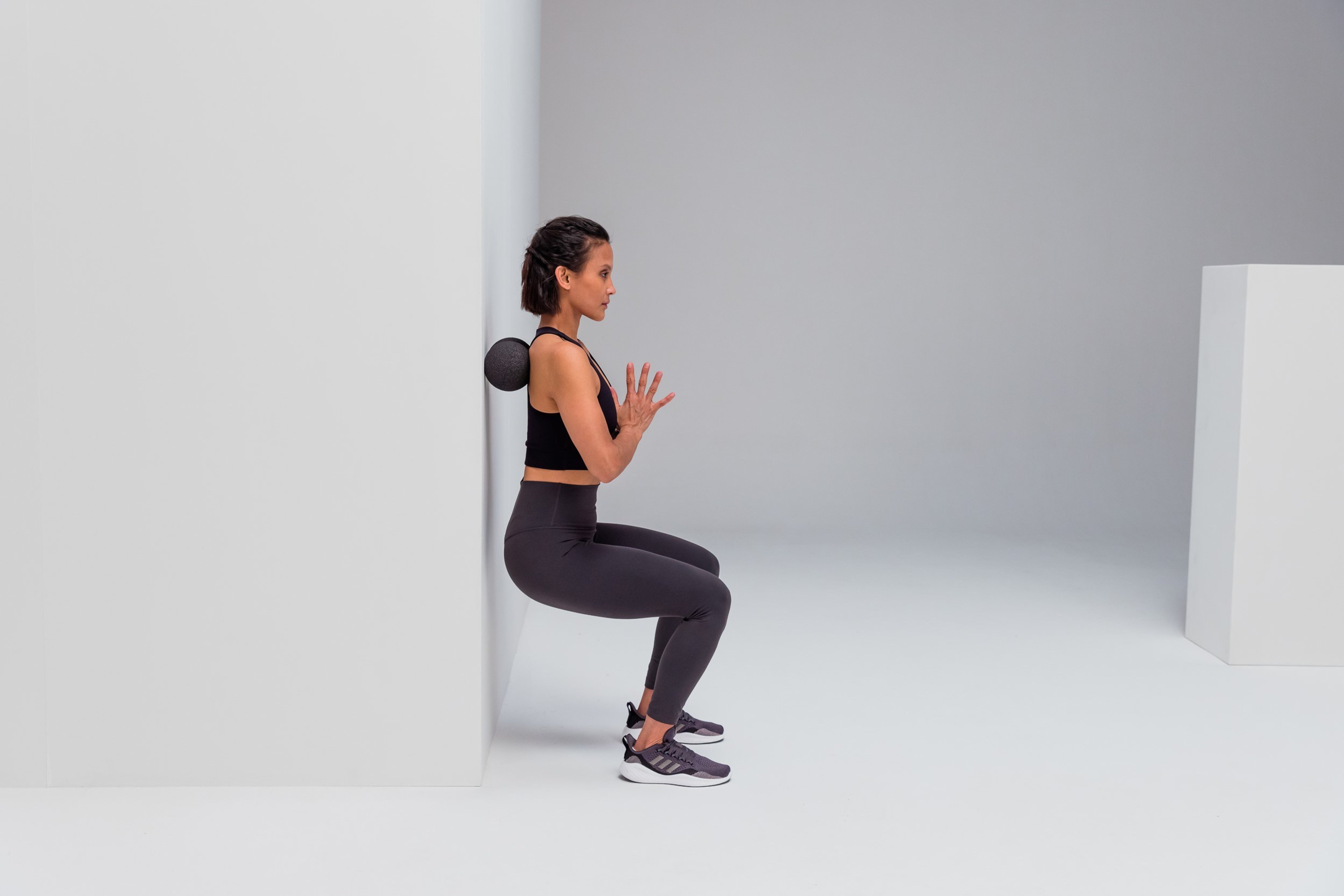
Back Massage
While standing, wedge the DUOBALL between your back and the wall. Roll the DUOBALL up and down slowly by bending and straightening your knees.
You can make the exercise more intense by doing it while lying on the floor.
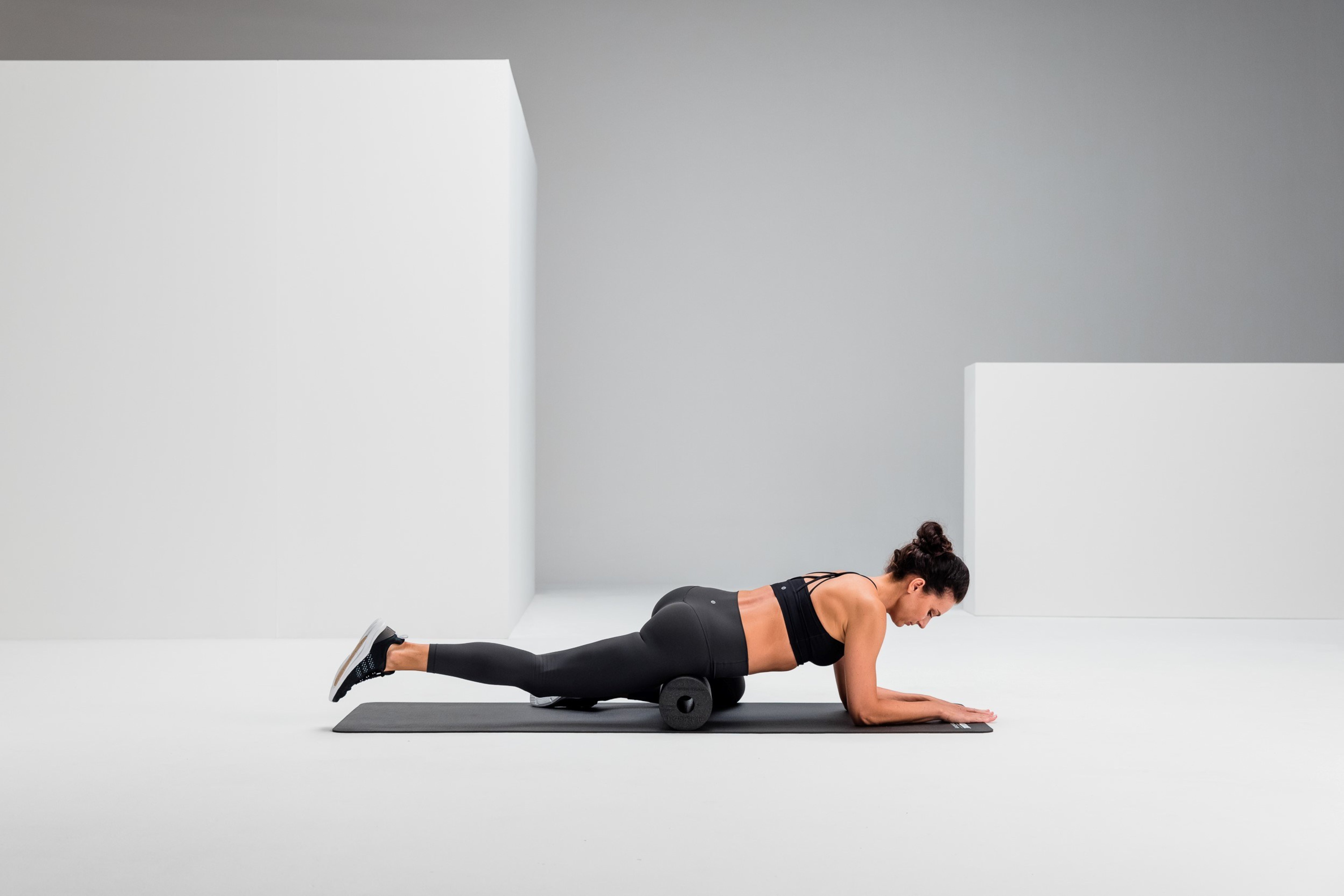
Hip Flexor Massage
Start in a forearm plank position. Place the FASCIAL ROLLER beneath your pelvic bone. Bend the other leg and place it on the floor. Slowly roll the roller up and down a few centimeters.
5. Optimal Recovery with Yoga:
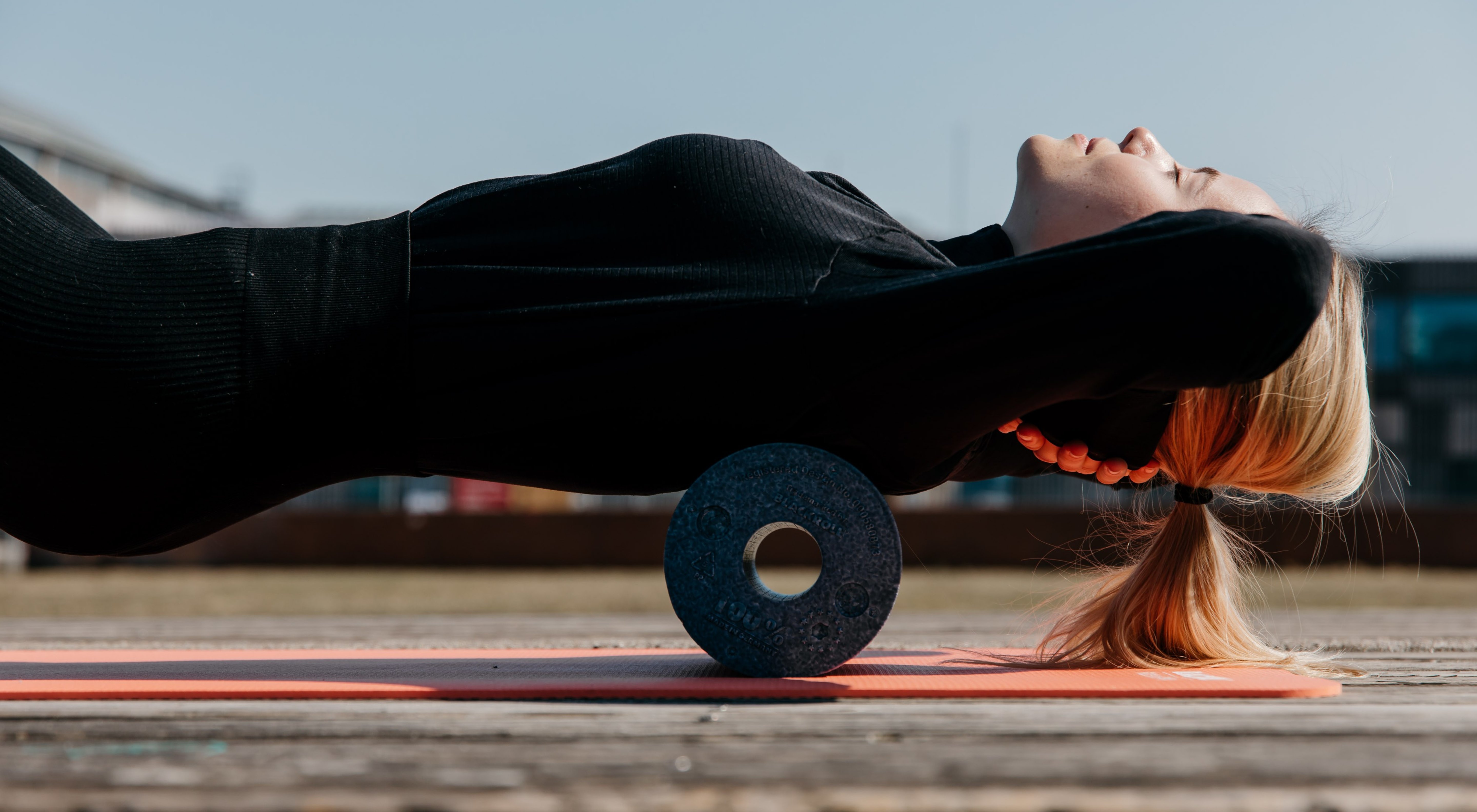
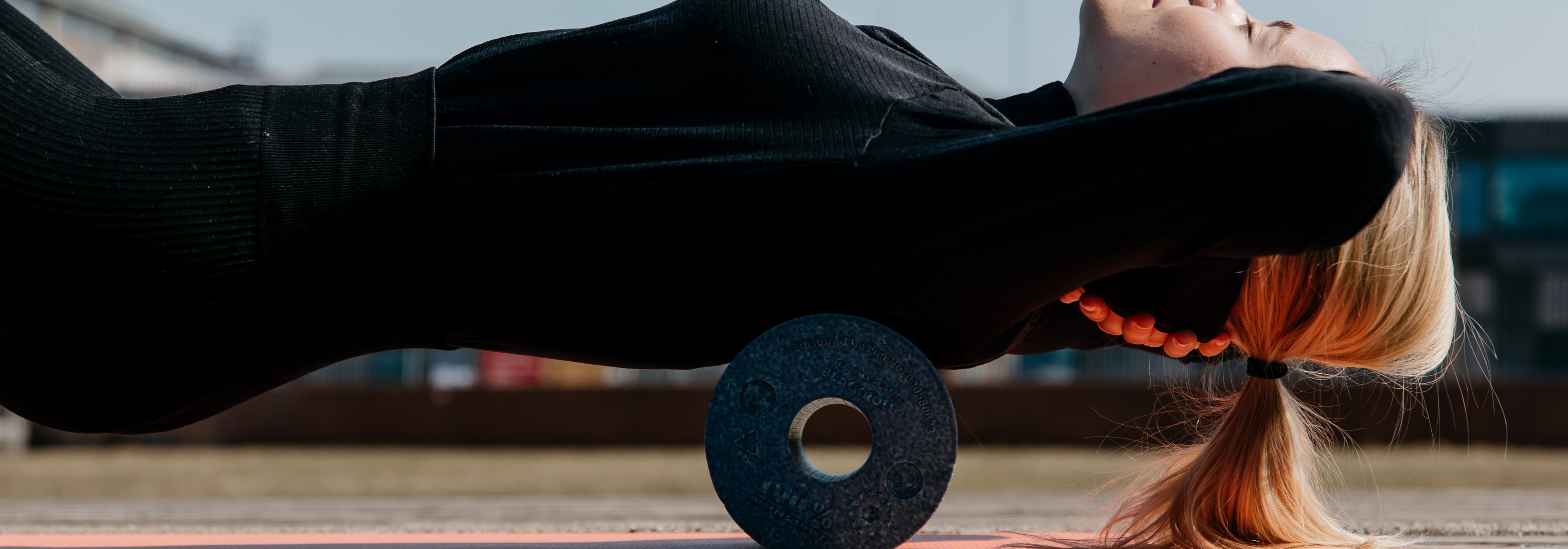
Only those who recover sufficiently can maintain long-term performance and remain pain-free. In addition to good sleep, active recovery methods help relieve muscle tension and reduce stress. Yoga , in particular, can help keep your back supple with gentle stretches and mobility exercises.
BLACKROLL Tip: Use gentle yoga flows for active recovery and relax specifically with this routine.
Conclusion: Back Pain and Exercise—Find the Right Balance
Back pain and exercise don’t have to be mutually exclusive—on the contrary, targeted exercise is one of the best ways to prevent and alleviate back pain. However, it’s crucial not to overexert your body, to use proper technique, and to counteract one-sided strain.
A stable core, sufficient mobility, and mindful recovery form the foundation for healthy training. In addition, fascia training, yoga, and targeted relaxation techniques can help release tension and relieve strain on the back over the long term.
If you train mindfully and listen to your body’s signals, you can avoid back pain and improve your athletic performance. With the right approach, exercise can be the key to a strong, pain-free back.