Relieving Sacroiliac Joint (SI) Blockage: 10 Effective Exercises
Exercises to Combat and Prevent Pain.
Time
- 19 minutes
- 10 exercises
Relieve an SI Joint Lockup on Your Own
In this step-by-step routine, we’ll show you exercises to mobilize your SI joint and stabilize your pelvis. This will help you relieve your SI joint stiffness on your own and prevent pain.
Stretch your hip flexors and glutes after sitting on the bike.
What Is an SI Joint Lock?
An sacroiliac joint (SI joint) lock is a painful restriction of mobility in the area of the sacroiliac joint. This joint connects the sacrum to the ilium and plays a crucial role in transmitting weight and movement between the upper body and the legs. If the sacroiliac joint is locked, this can lead to severe pain in the lower back, buttocks, and legs.
Stretch your hamstrings, which are often tight, and restore their full length.
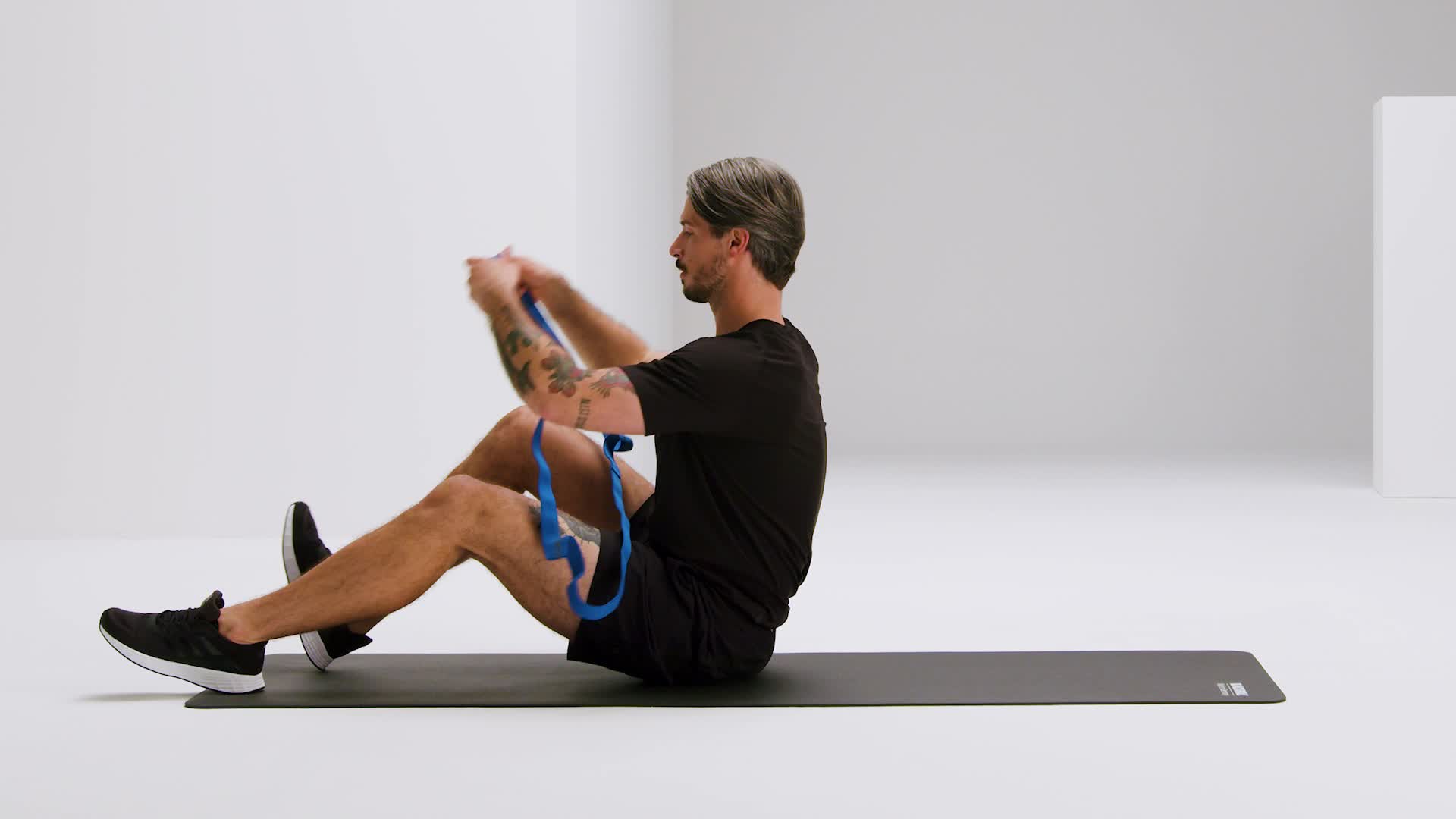
Hamstring Stretch
Start in an upright seated position and wrap an SUPER BAND around one foot. Grasp the band with both hands. Slowly lie on your back and place both legs on the floor.
Relieving an SI Joint Lock with a Tennis Ball or Foam Roller
An alternative method for relieving an SI joint blockage is to use a tennis ball or foam roller. This works by using the ball for massage to release painful tension.
Self-Care: Relieving an SI Joint Blockage with a Tennis Ball
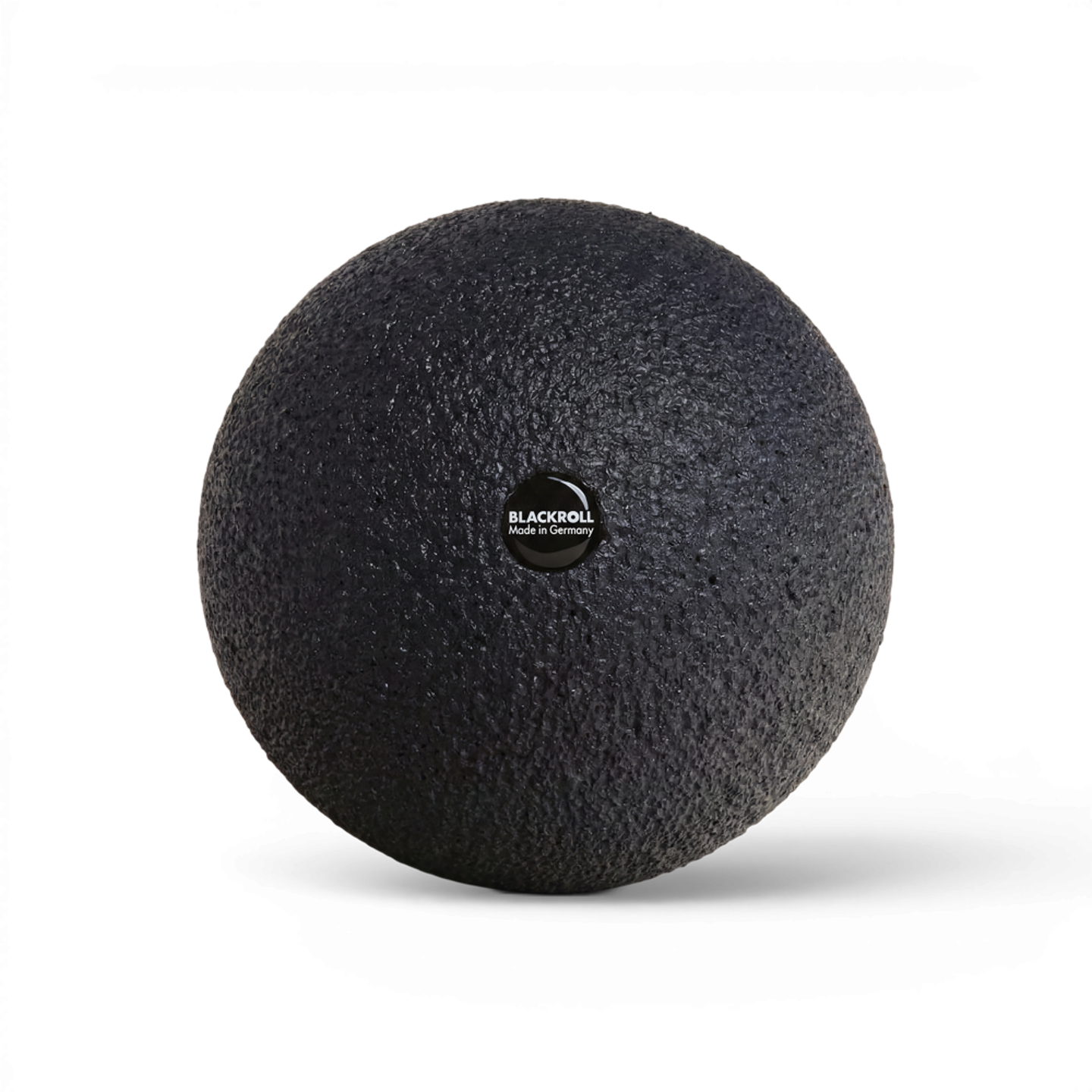
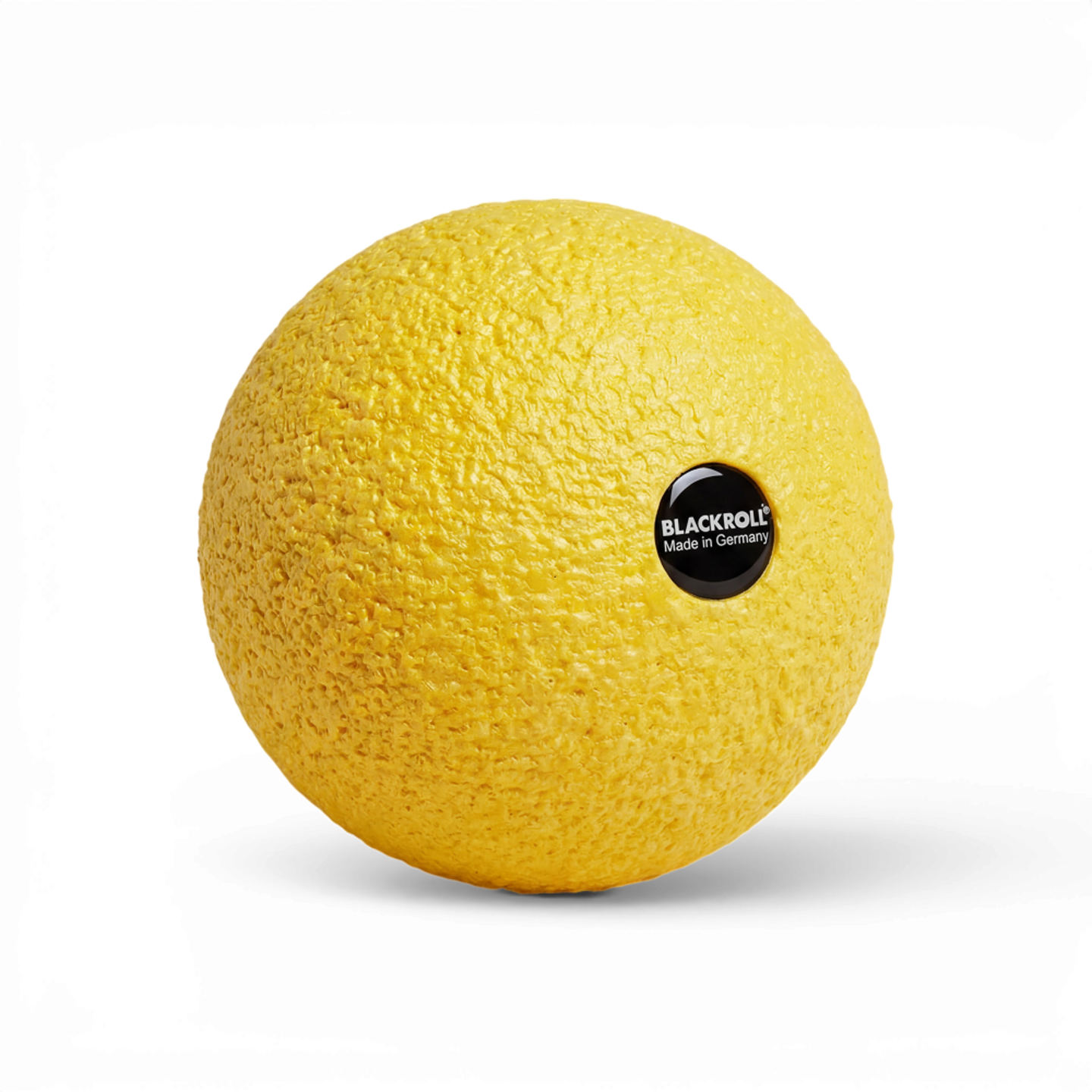
A tennis ball is a simple and inexpensive option for self-massage. A specially designed foam roller is even more suitable for effective self-massage. The BLACKROLL® Ball 08, for example, allows for targeted pressure-point massages that relax the muscles thanks to its shape and firmness. The pressure of the ball on the tight areas can help release the blockage and reduce pain.
Two key areas that should be relieved of tension in the event of an SI joint blockage are:
- Gluteal muscles
- Tensor fasciae latae (TFL)
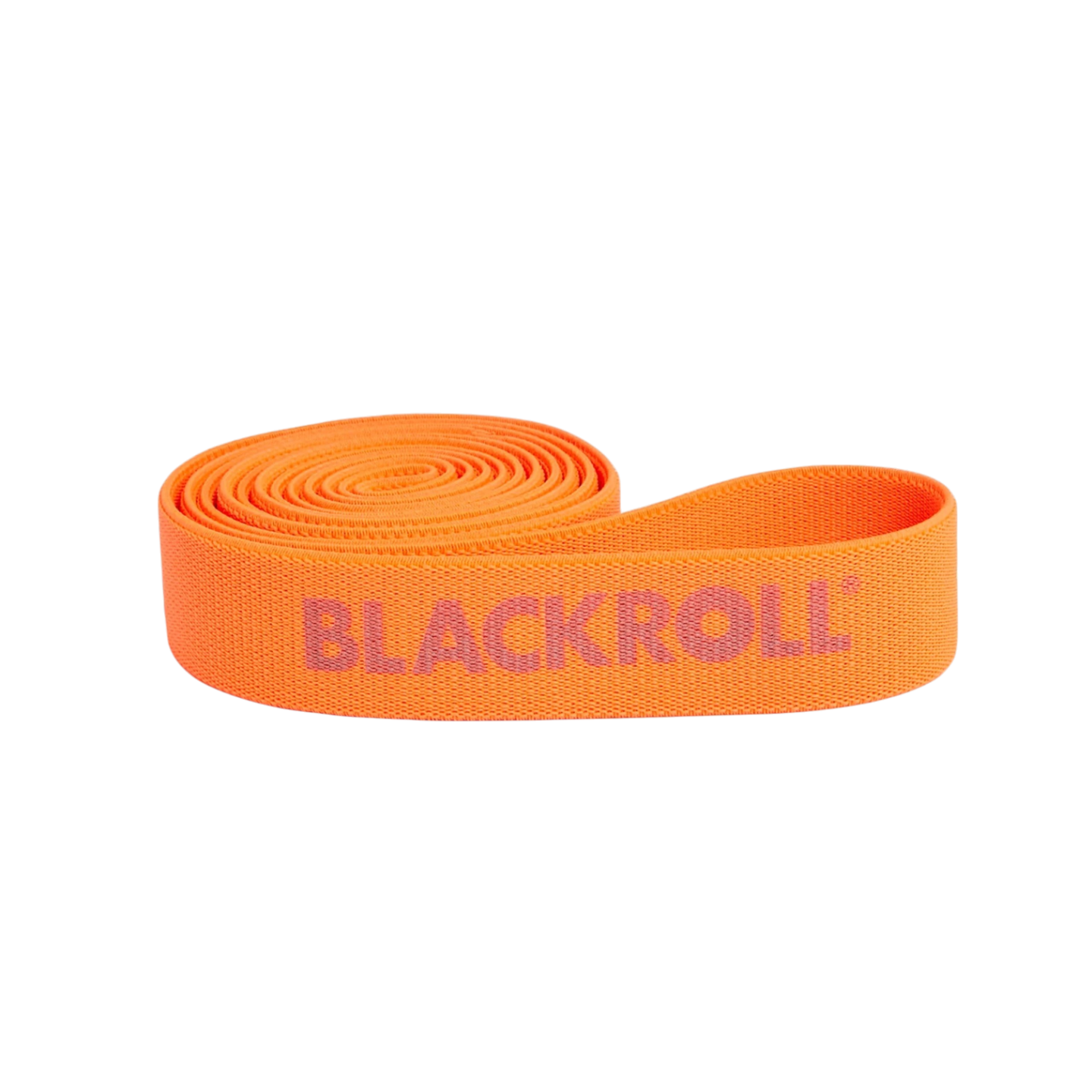
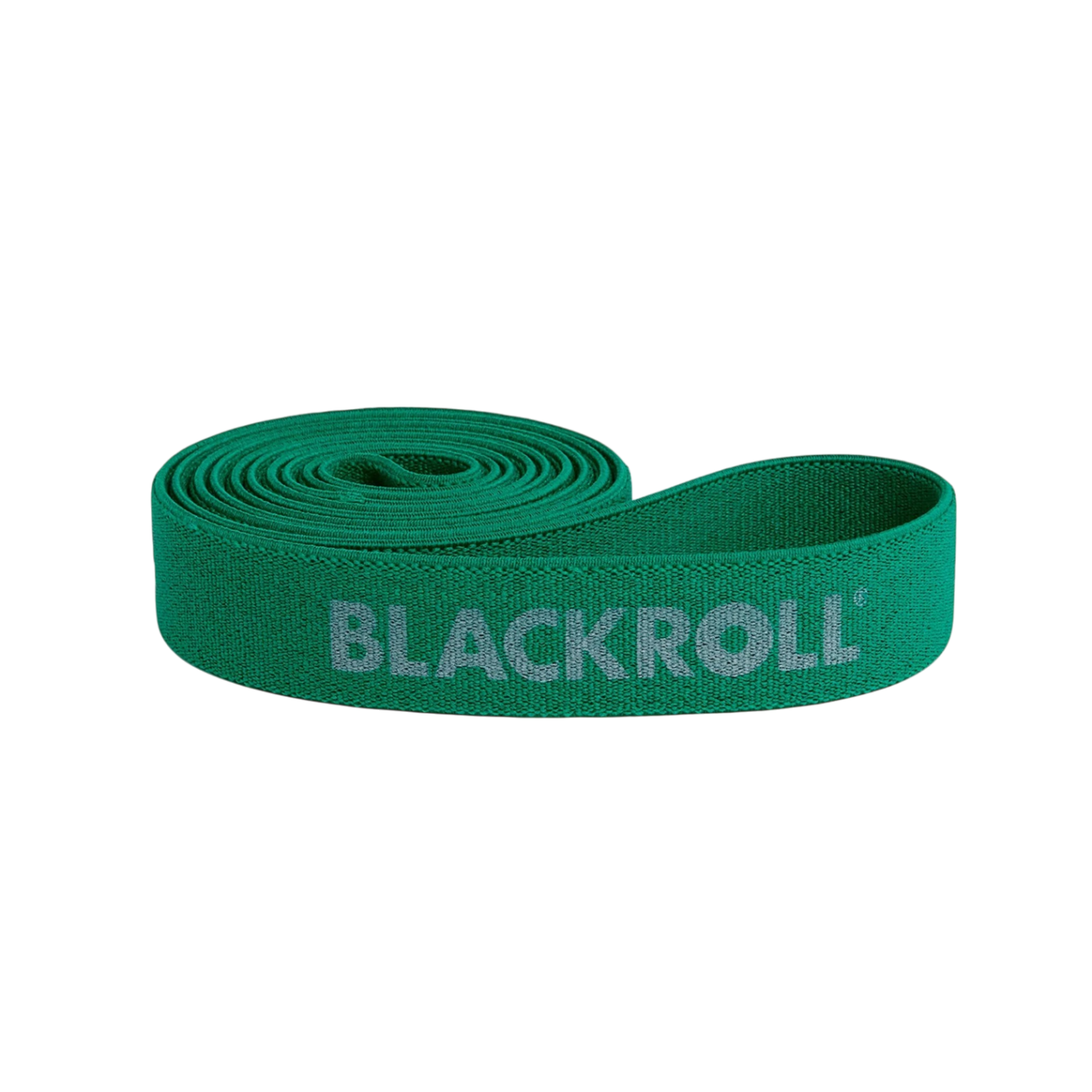
Super Band
Available in multiple variants
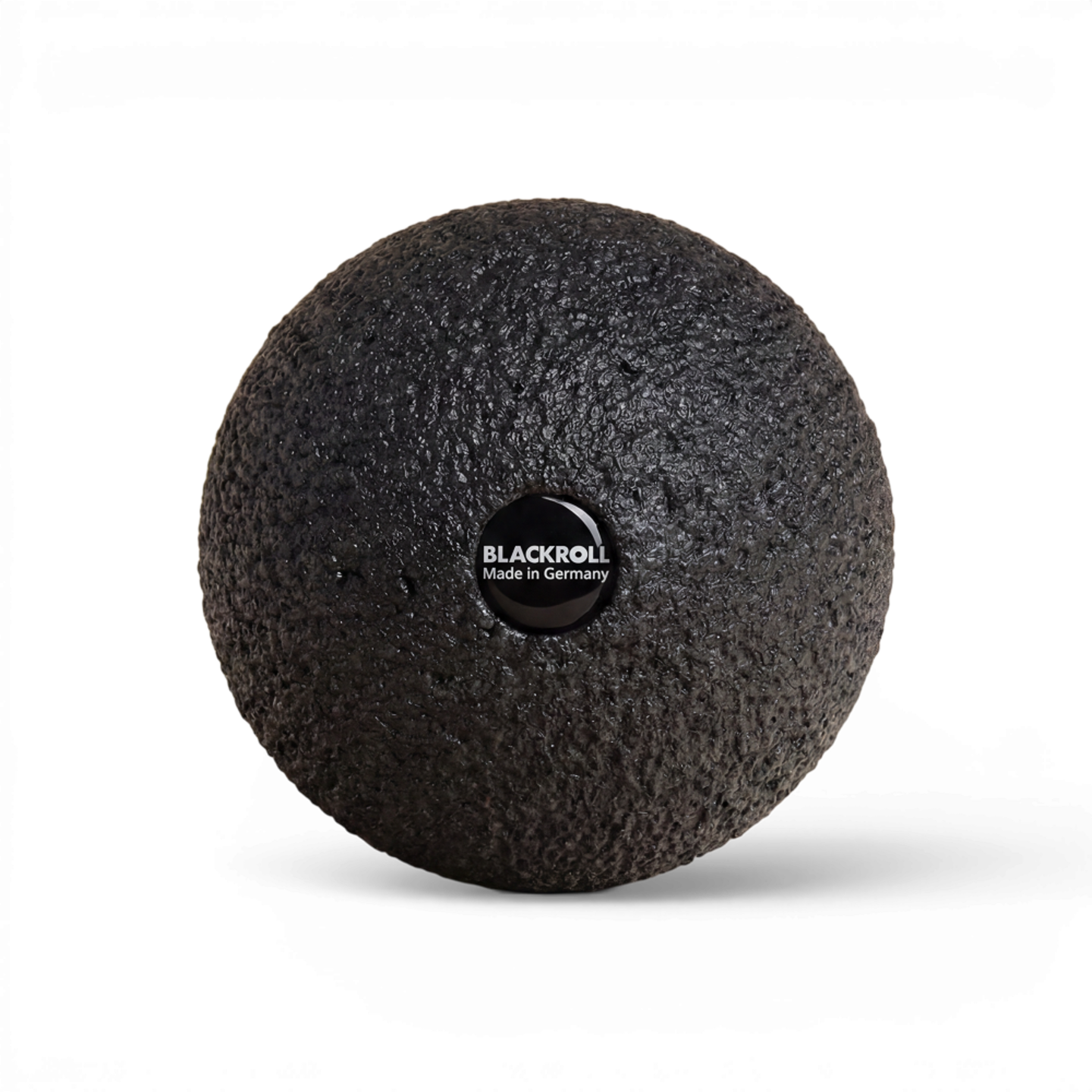
Ball 08
Available in multiple variants
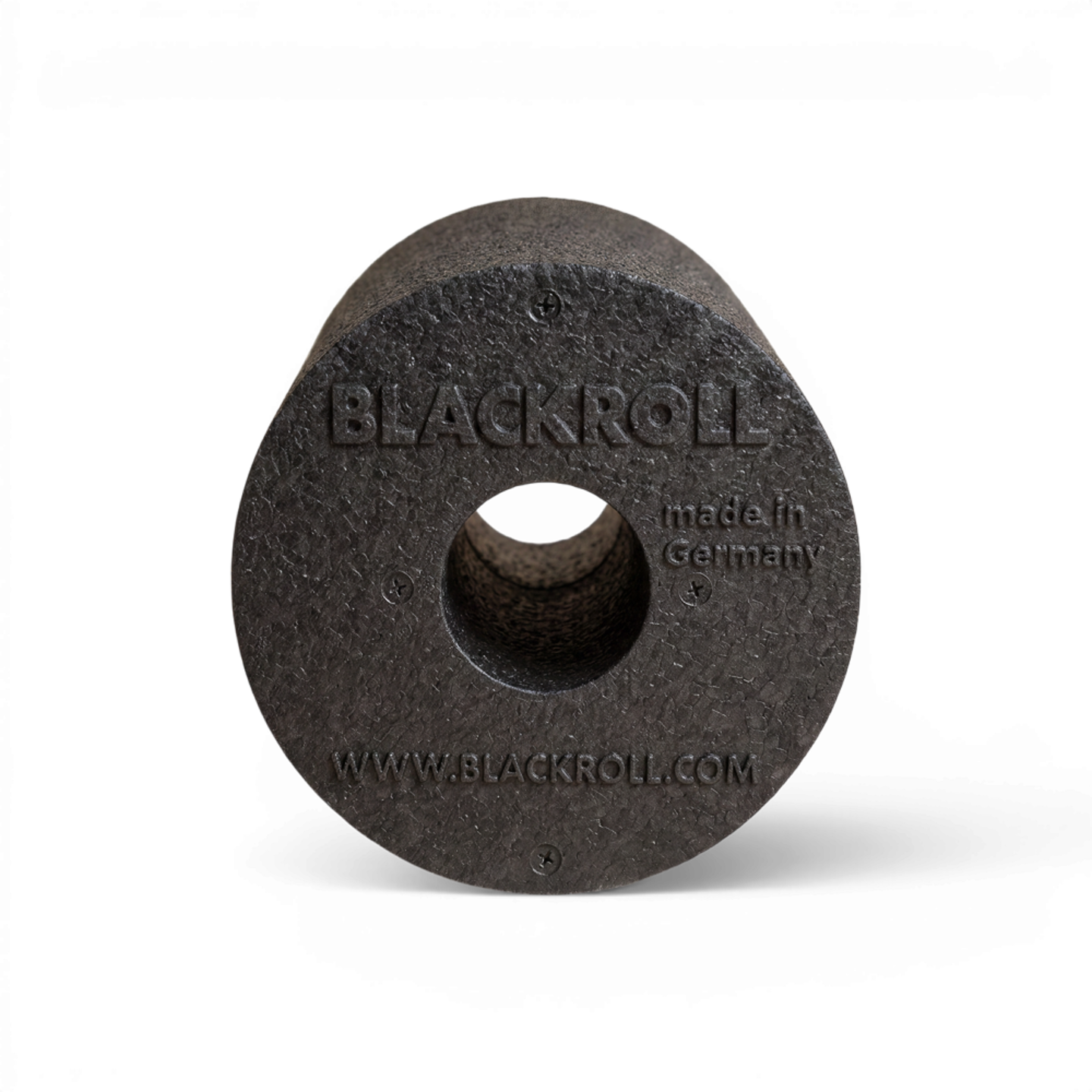
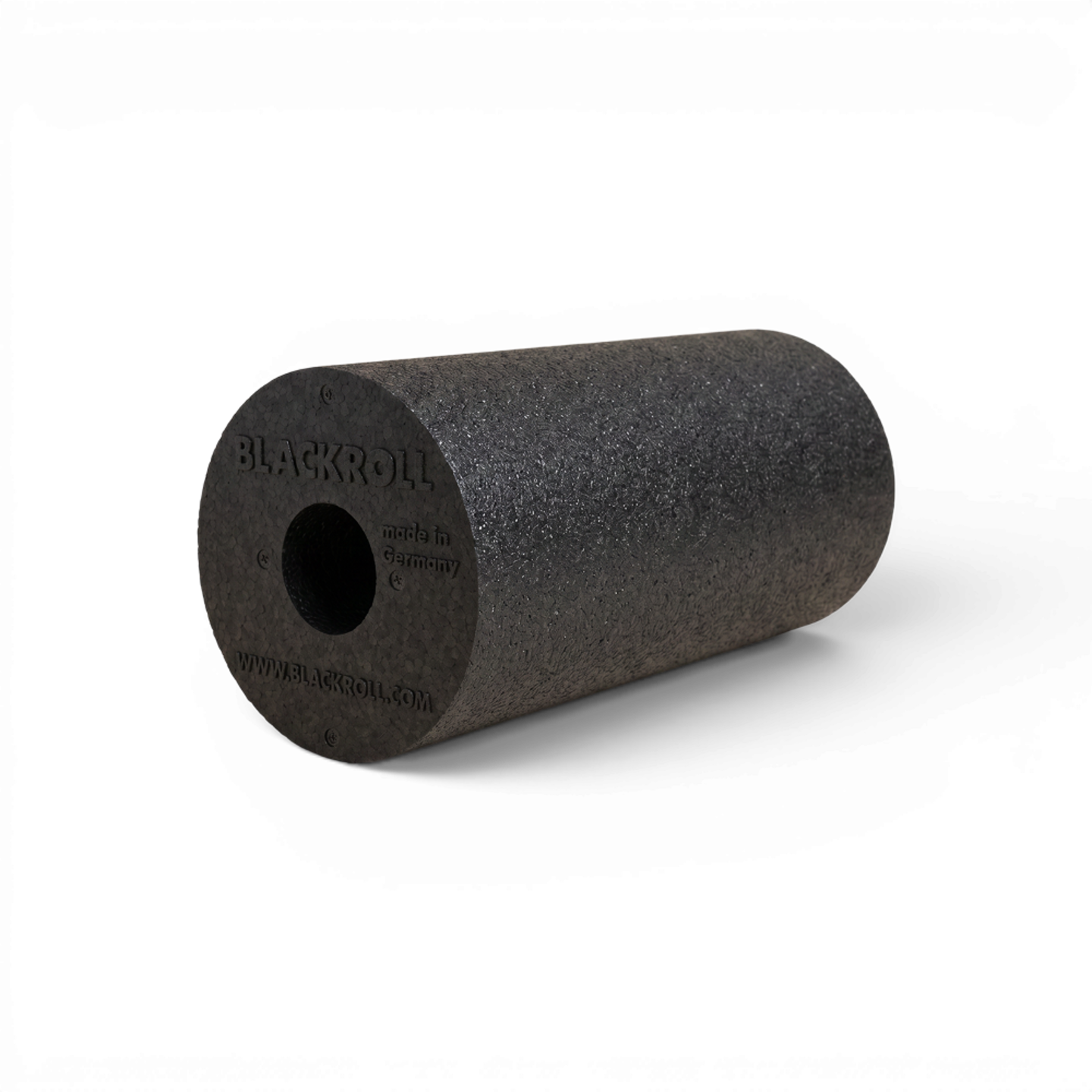
Standard
Available in multiple variants
Ball 12
Available in multiple variants
Exercises to Release ISG Blockages Using a Fascia Ball
Here are two helpful exercises for relieving SI joint blockages using a fascia ball.
More Routines for Cyclists


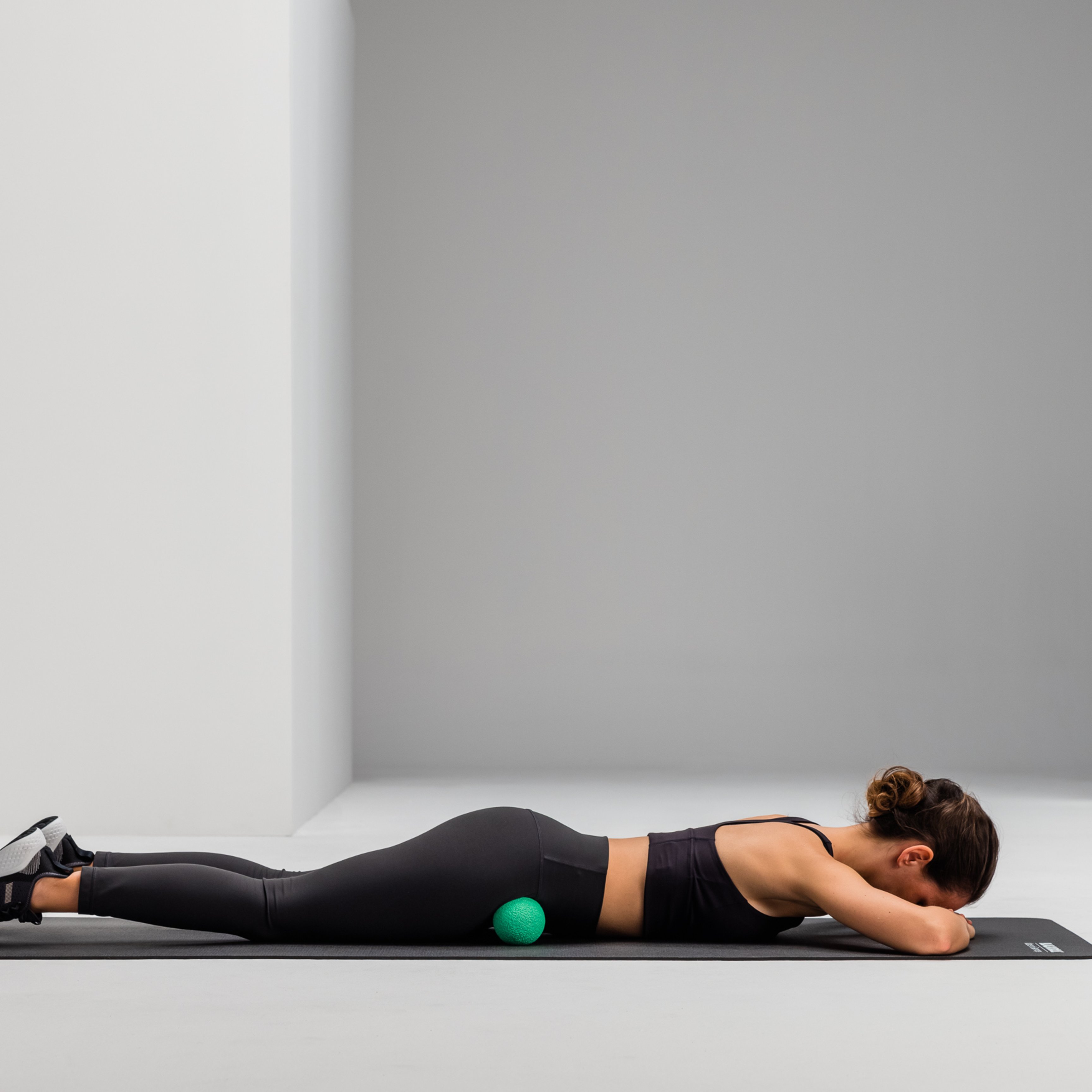
TFL Massage
Lie on your stomach. Position your hips on the BALL08 so they are level with your back pocket. Stay in this position. Focus on your breathing. Consciously relax your muscles. Hold the position for 60–90 seconds, then switch sides.
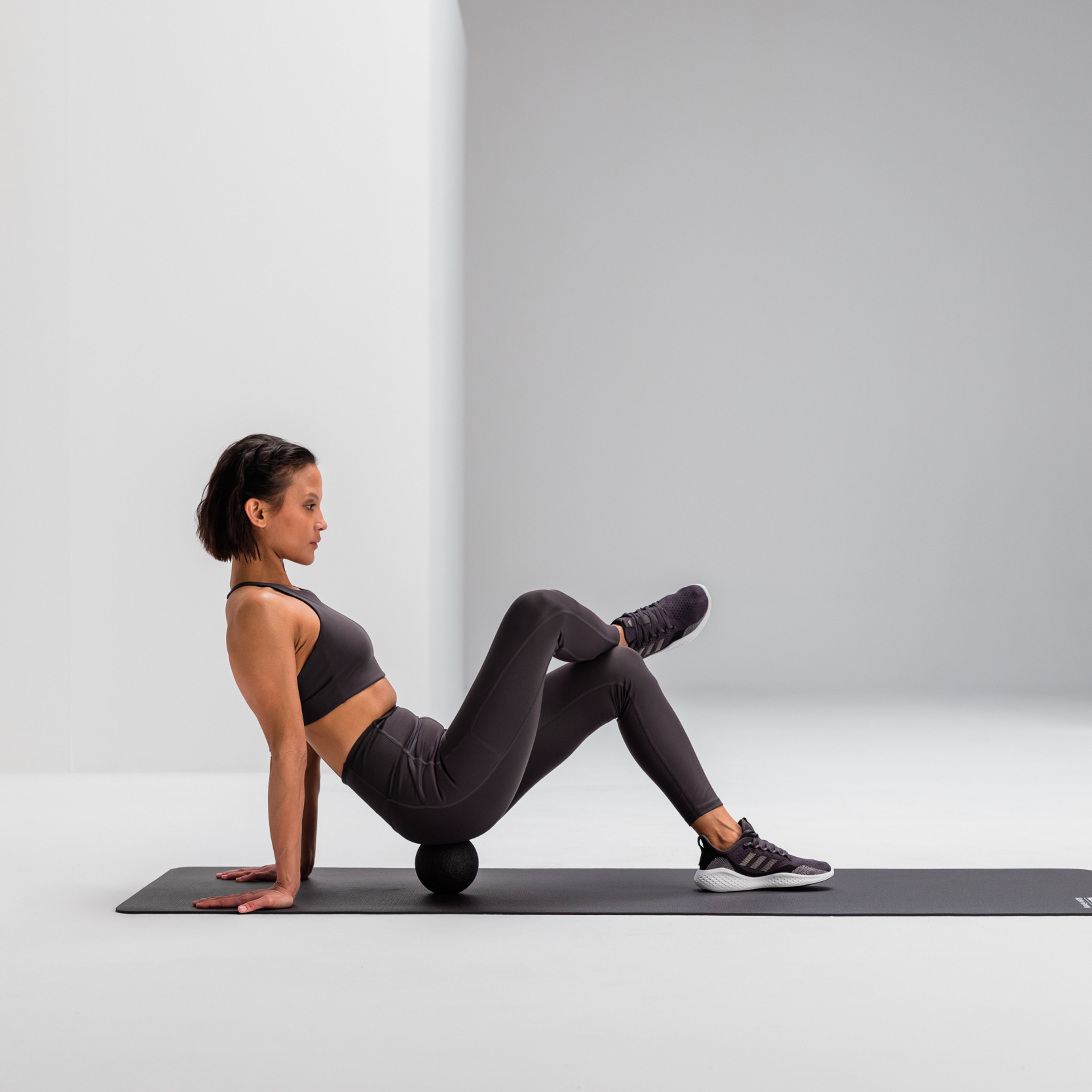
Glute Massage
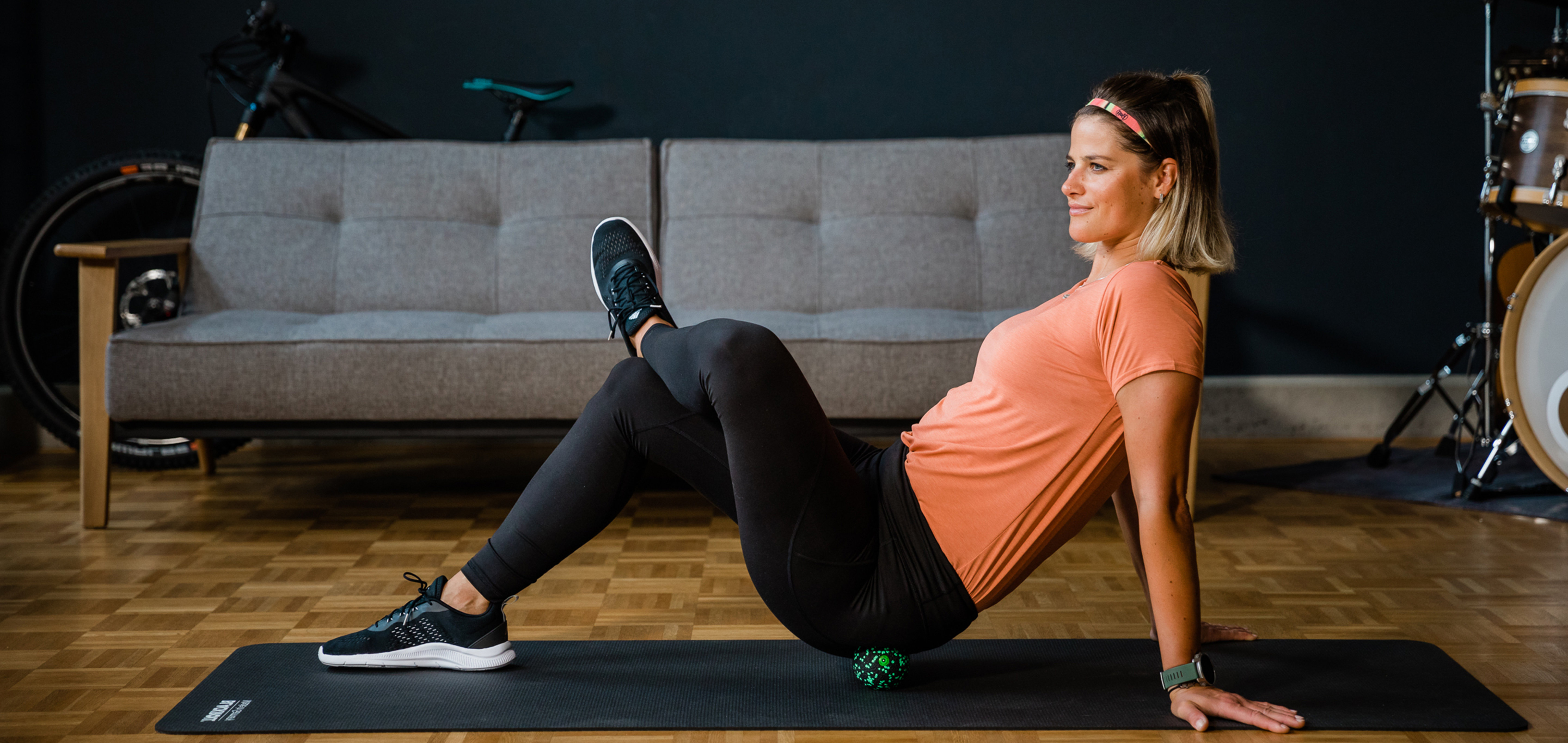
Sit on the BALL with one buttock. Lift the opposite leg. Place the foot of the side you’re working on top of the raised knee. Support yourself with your hands behind your back. Now slowly roll back and forth. Turn slightly to the side to work even more of your gluteal muscles. Massage your muscles in this way and switch sides after 60–90 seconds.
These exercises can help release an SI joint blockage and relieve back pain. Perform them regularly, but make sure you don’t experience excessive pain while doing so. Imagine a pain scale from 1 to 10. When performing self-massage, you should not go beyond a 7.
SI Joint Exercises for Home Use with the BLACKROLL®
You can also use a foam roller to release tension in the muscles around your sacroiliac joint. In addition, you can use the BLACKROLL® for targeted mobilization exercises to restore mobility to your sacroiliac joint. Try these three sacroiliac joint exercises at home
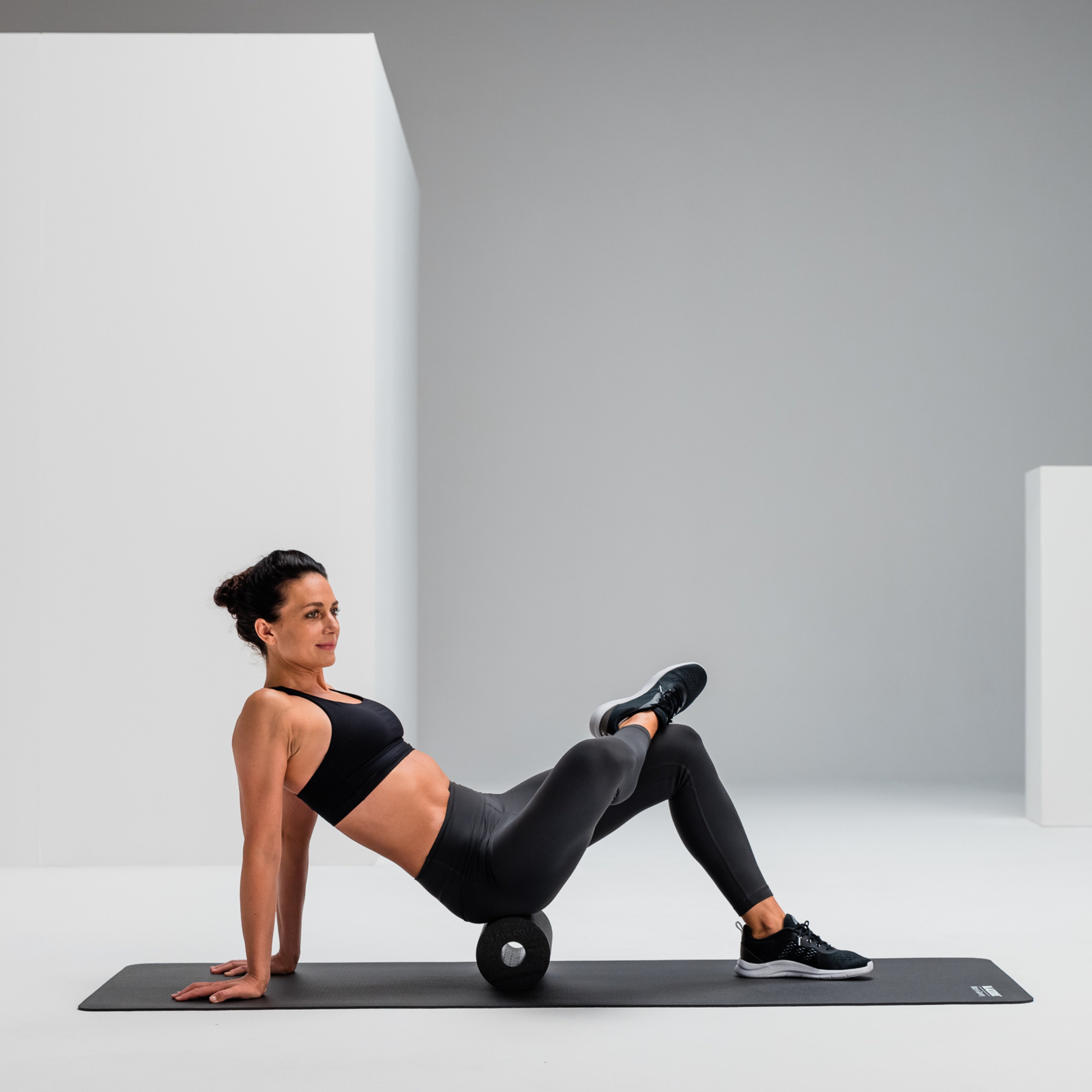
Glute Massage
Sit with one buttock on the BLACKROLL. Place the opposite leg upright. Rest the foot of the side you’re working on top of the upright knee. Support yourself with your hands behind your back. Roll slowly back and forth. Turn slightly to the side to work even more areas of your gluteal muscles.
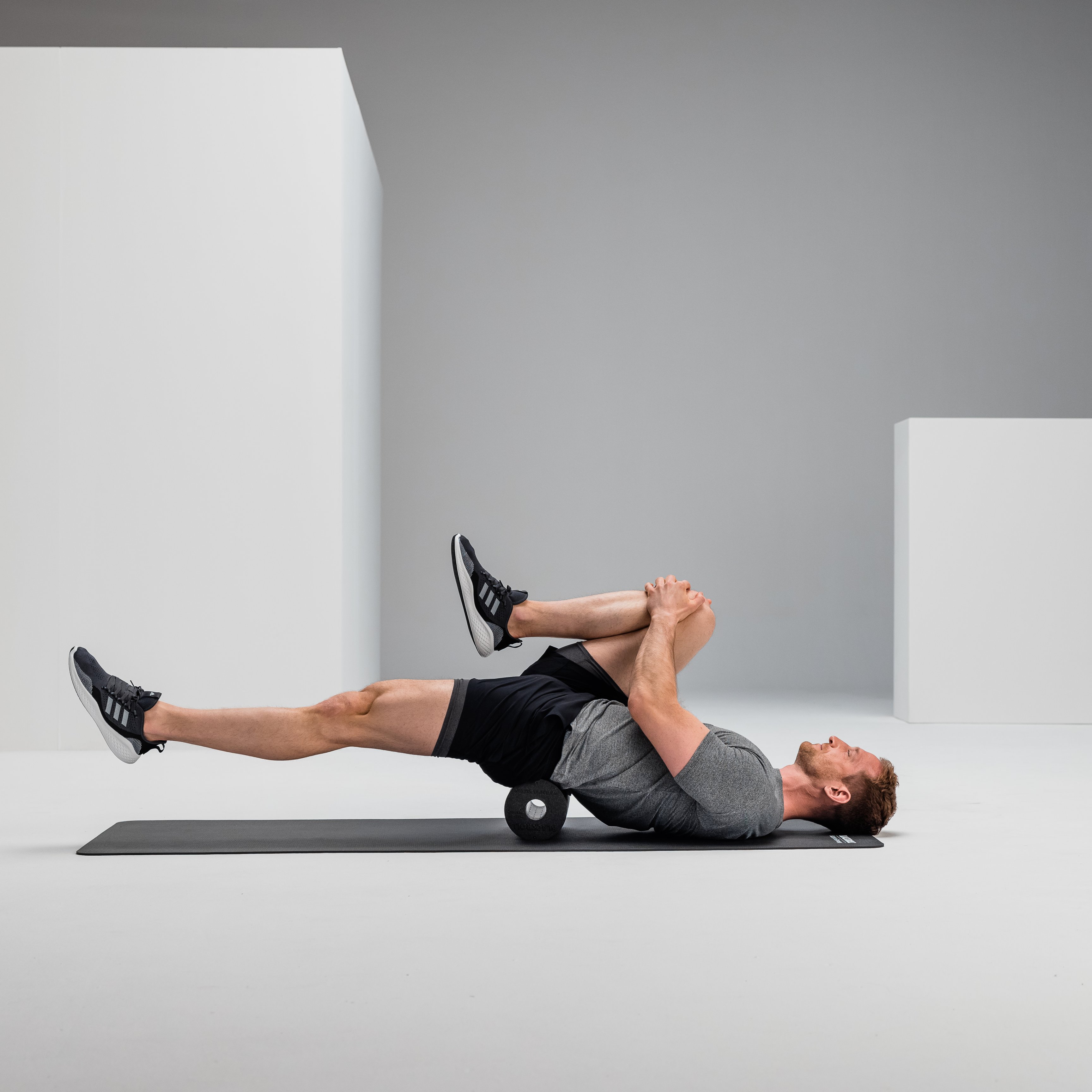
Sacroiliac Joint Mobilization
Place a BLACKROLL on the floor. Lie down with your lower sacrum on it. Use your hands to pull one leg toward your chest. Keep the other leg straight. Gently rock the straight leg up and down.
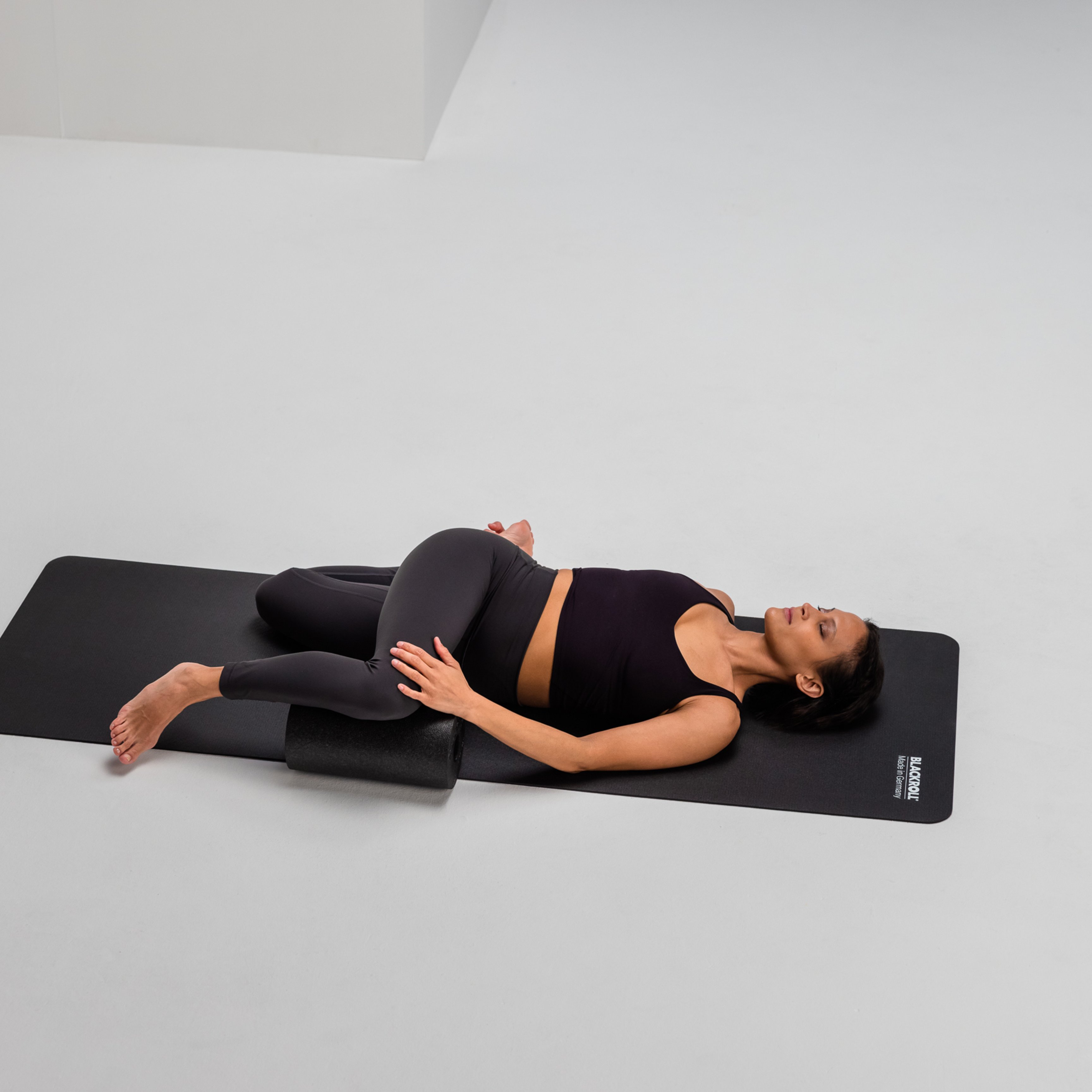
Pretzel
Start in a side-lying position on the floor. Bend the knee of your top leg to 90 degrees. Place the BLACKROLL under the bent knee to stabilize your pelvis for the following mobilization. Bring your bottom leg into active hip extension. Grasp the back of your foot to increase the stretch. Try to rest your entire upper back on the floor. Make sure your upper leg does not leave the BLACKROLL. Your other leg should remain in full hip extension throughout the entire exercise.
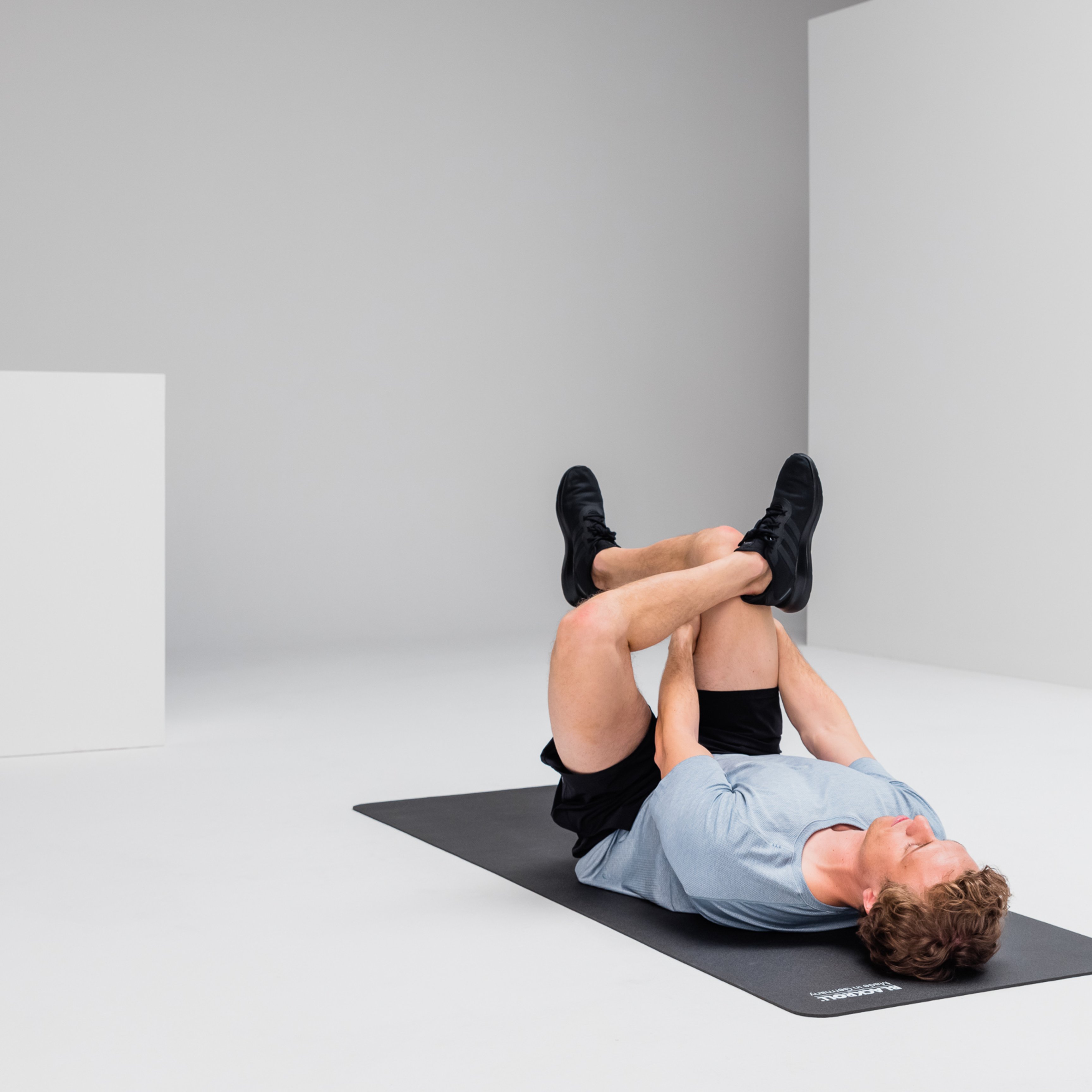
SI Joint Syndrome Stretching Exercises
In addition to self-massage, it’s also helpful to stretch certain muscle groups to prevent SI joint symptoms. In addition to your gluteal muscles, you should focus on stretching your hip flexors.
Here are two important SI joint syndrome stretching exercises:
Piriformis Stretch
Sit on the floor and extend one leg straight out in front of you. Cross the other leg over the extended leg so that the knee is pointing outward. Rotate your upper body toward the crossed leg and hold the stretch for 60–90 seconds. Switch sides and repeat the exercise on the other side.
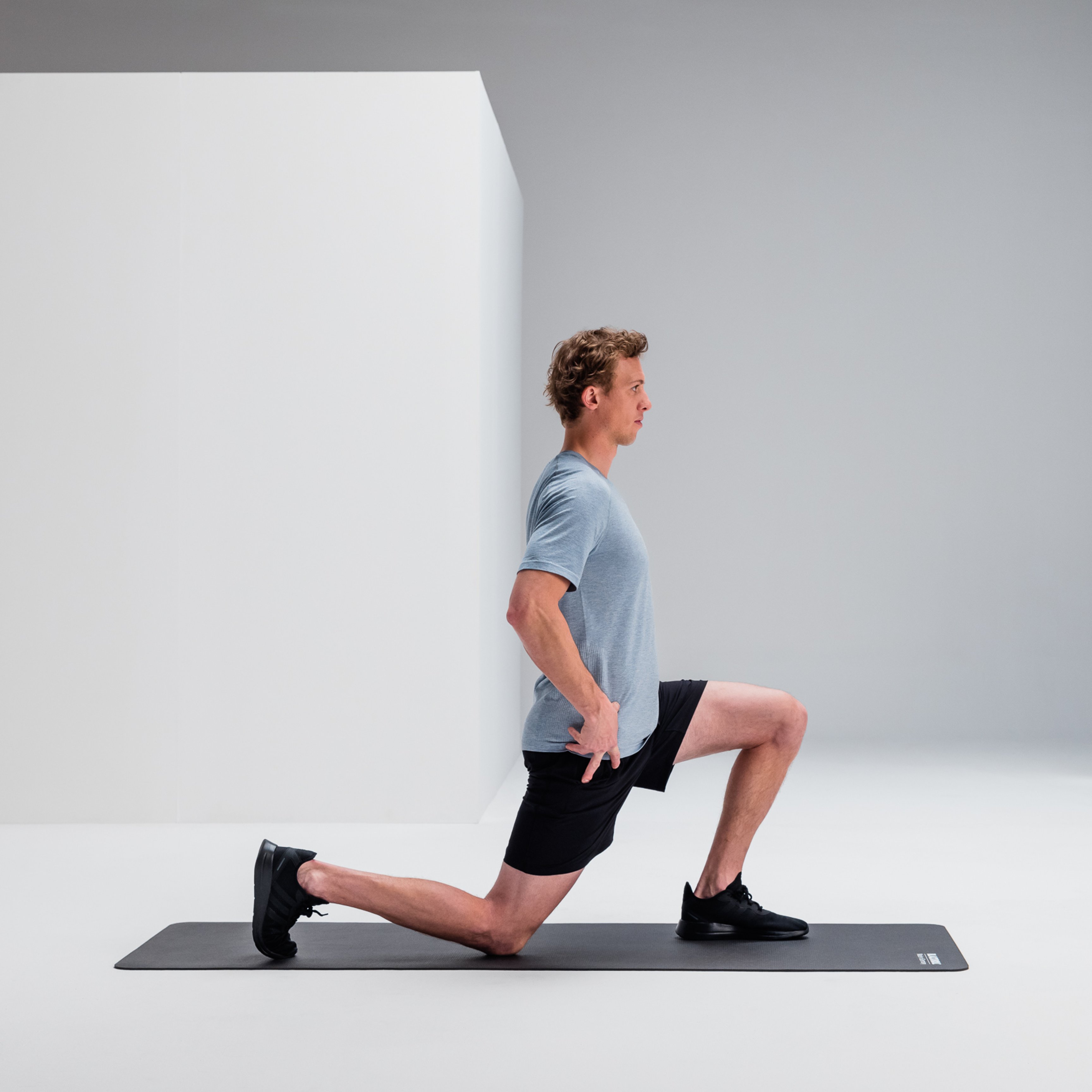
Hip Flexor Stretch
Start in a half-kneeling position. Rest your arms loosely at your sides. Tighten your glutes to tilt your pelvis backward. Push your hips forward. Hold the position for 60–90 seconds on each side.
If you do these exercises regularly, you’ll gradually regain more range of motion. Hopefully, you’ll be pain-free soon.
Strengthening - Sacroiliac Joint Pain Exercises
To stay pain-free in the long term, it’s ultimately recommended to do targeted exercises to stabilize your pelvis and, consequently, your sacroiliac joint. This will help you maintain your health over the long term and prevent uncomfortable pain.
Here are three sacroiliac joint pain exercises to help you stabilize your pelvis.
Do 15 repetitions of each exercise and perform 1–3 sets.
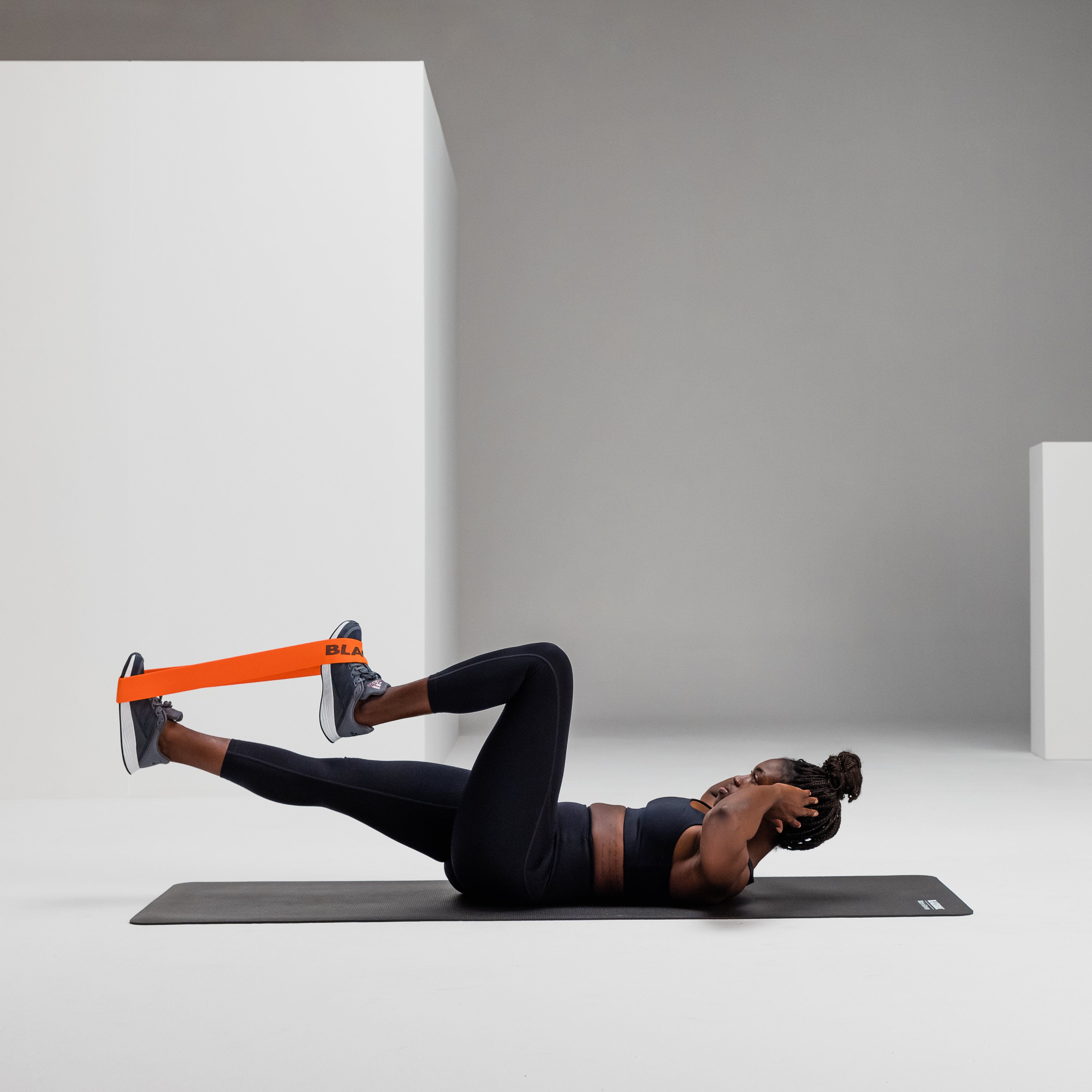
Kicks
Lie on your back. Loop the LOOP BAND around your feet. Lift your legs slightly off the floor. Bring your hands toward your head. Roll your upper body up slightly. Bend and straighten your legs alternately and in opposite directions.
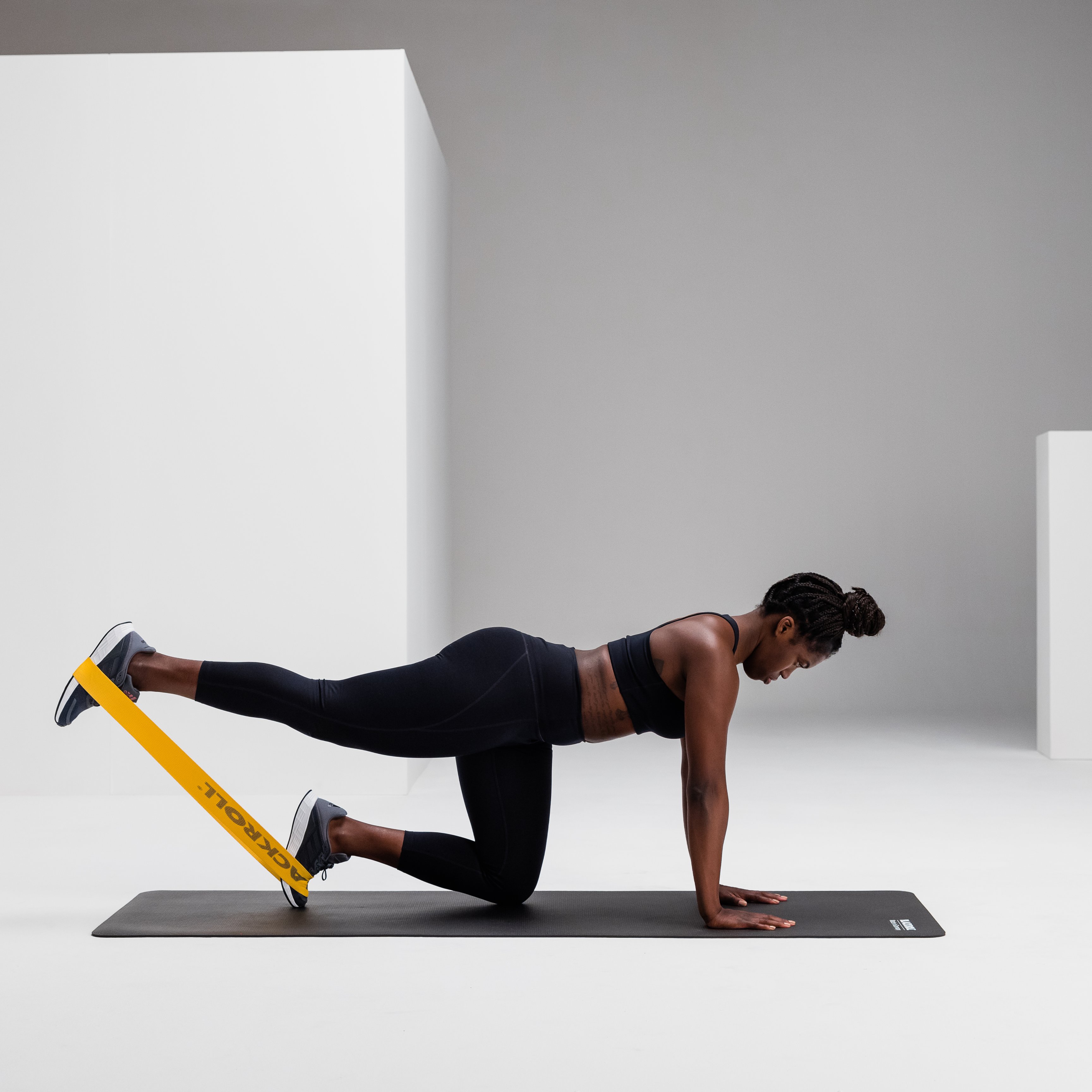
Glute Kickbacks
Place the LOOP BAND around your feet. Get on all fours. Engage your core muscles. Extend one leg backward so that it’s in line with your upper body. Pause briefly at the end of the contraction. Feel the tension in your glutes. The movement comes exclusively from the hips. Keep your back straight at all times.
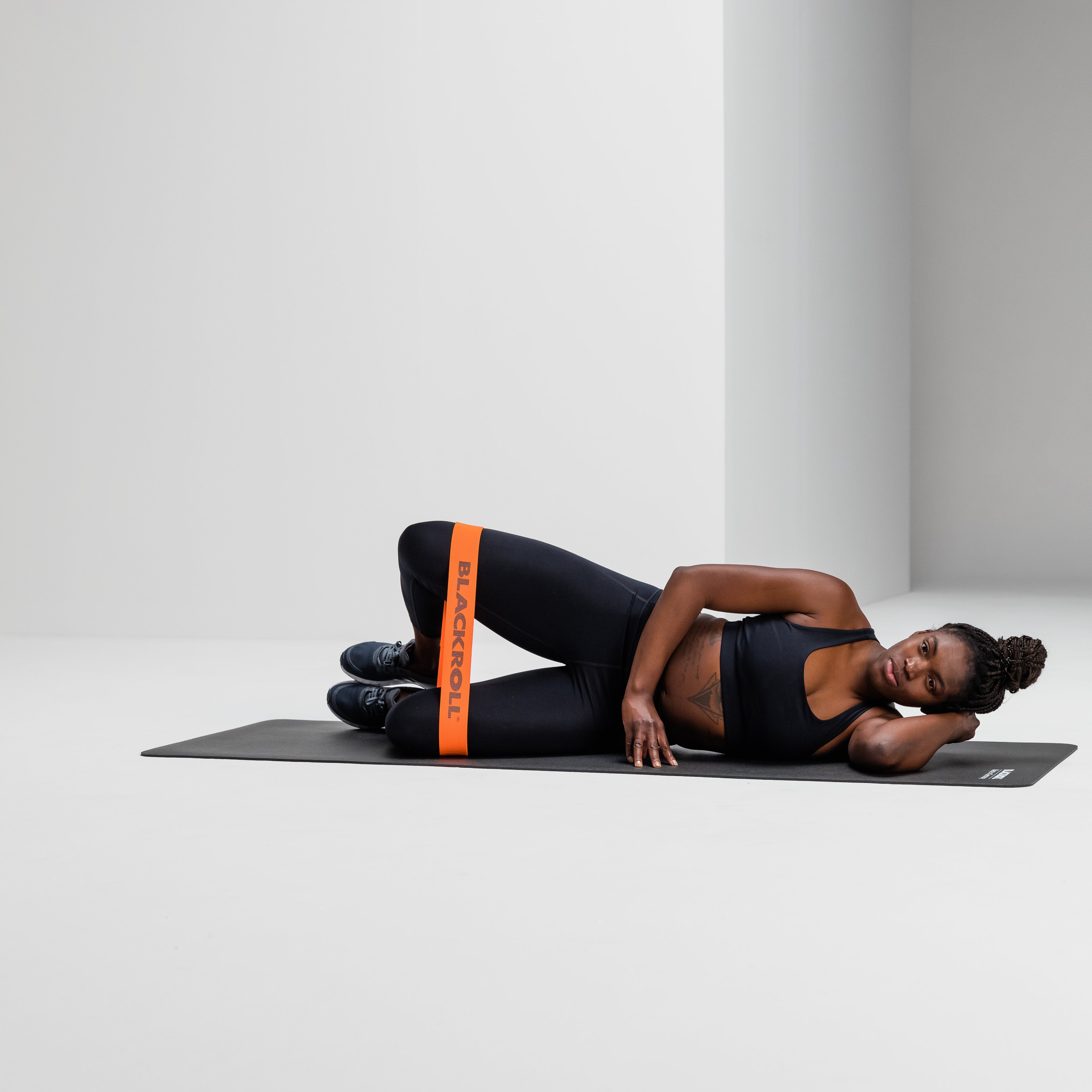
Clamshell
Lie on your side and place the LOOP BAND around your knees. Bend your knees slightly. Lift your top knee upward. Return to the starting position. Keep your feet touching throughout the entire exercise. You can rest your upper body comfortably on the ground. Make sure you don’t rotate your upper body during the exercise.
Conclusion
An SI joint lock can be extremely painful and limiting, but with the right exercises, you can prevent discomfort and improve the mobility of the sacroiliac joint. If problems persist, it’s always a good idea to consult an orthopedic surgeon or physical therapist. We hope these exercises help you.
Super Band
Available in multiple variants
Ball 08
Available in multiple variants
Ball 12
Available in multiple variants
Standard
Available in multiple variants


