Plantar Fasciitis: 5 Exercises to Relieve Pain
A Guide for Foot Pain Caused by Plantar Fasciitis
Time
- 23 minutes
- 5 exercises
Do the soles of your feet hurt? What to do about plantar fasciitis?
Do the soles of your feet hurt? Does it feel like someone is hammering a nail into your heel, especially in the morning after waking up? Then you’re probably suffering from plantar fasciitis. But what can you do about plantar fasciitis? Scientific estimates show that one in ten people in our population will suffer from plantar fasciitis at least once in their lifetime. In this video, Master Trainer Stefan shows you how you can support your healing process and prevent future problems with a few simple exercises.
Plantar Fasciitis Massage
In many cases, targeted self-massage can help improve blood circulation and thus support the healing process.
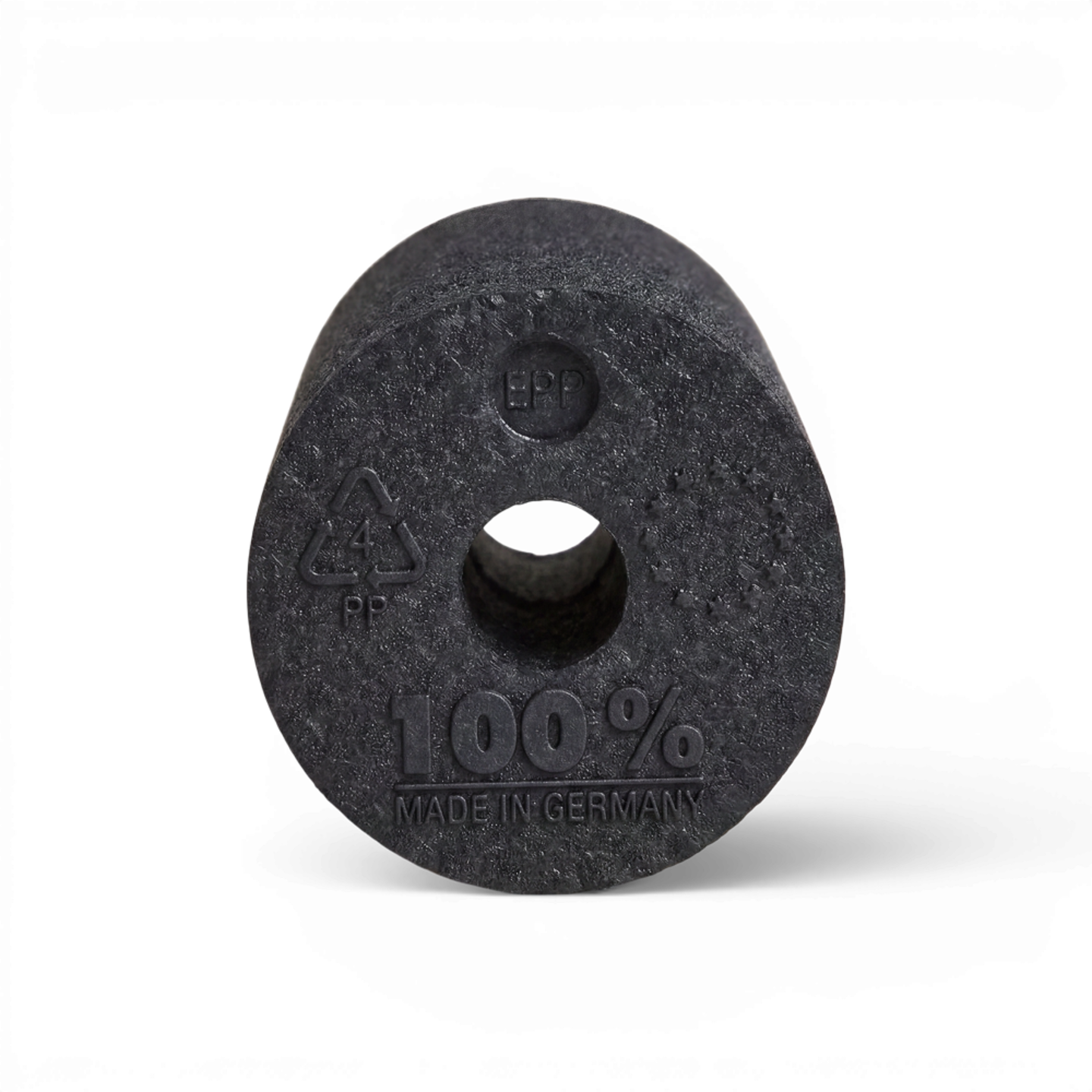
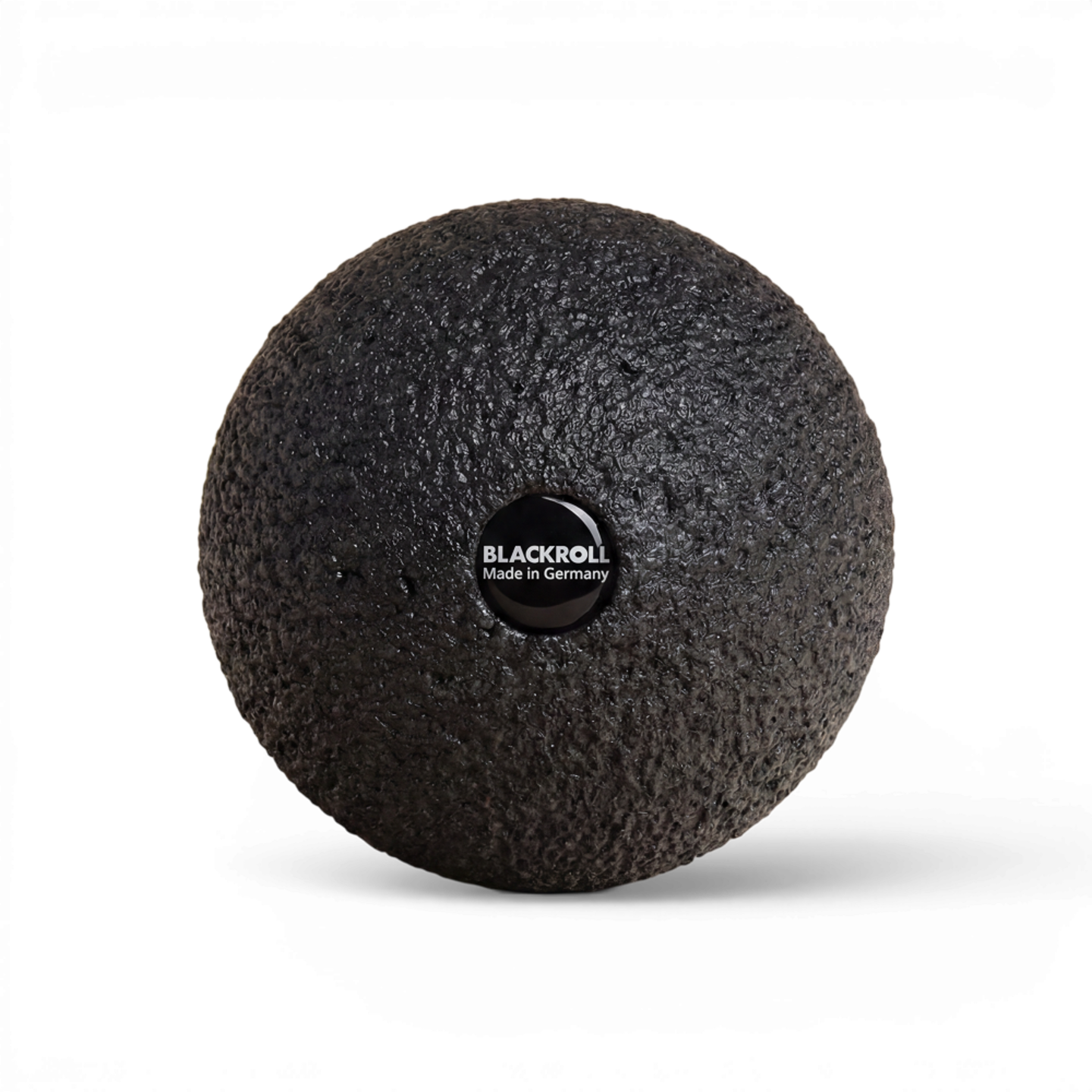
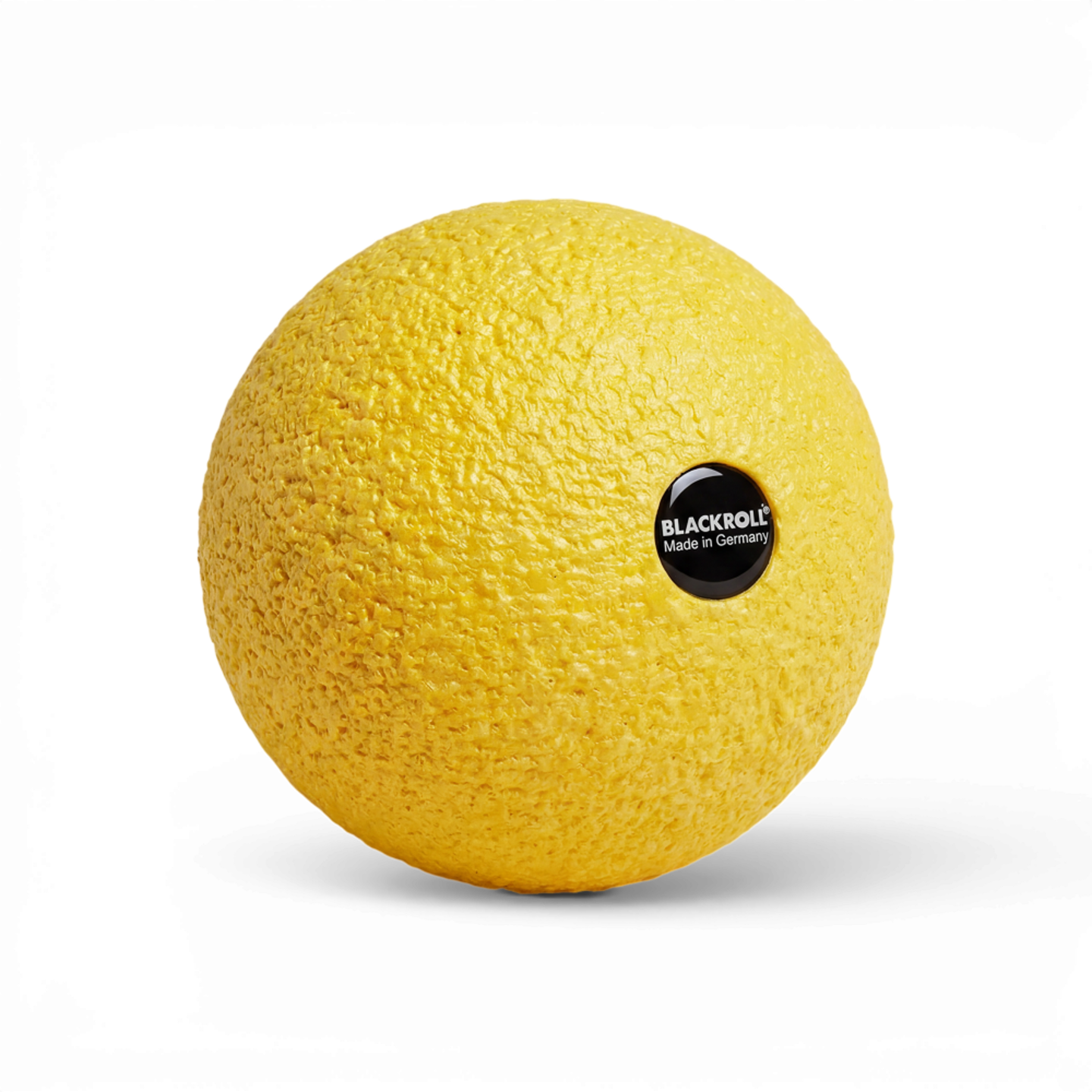
Fascia tools are ideal for plantar fasciitis massage. In the following section, we’ve put together some myofascial self-massage exercises for you. You can perform them using various products, depending on what you have on hand. The BLACKROLL® MINI, the BALL 08, a TRIGGER, or a TWISTER are particularly well-suited for this. It’s best to try out which one feels most comfortable for you.
Massage the sole of your foot for at least 60–90 seconds per side.
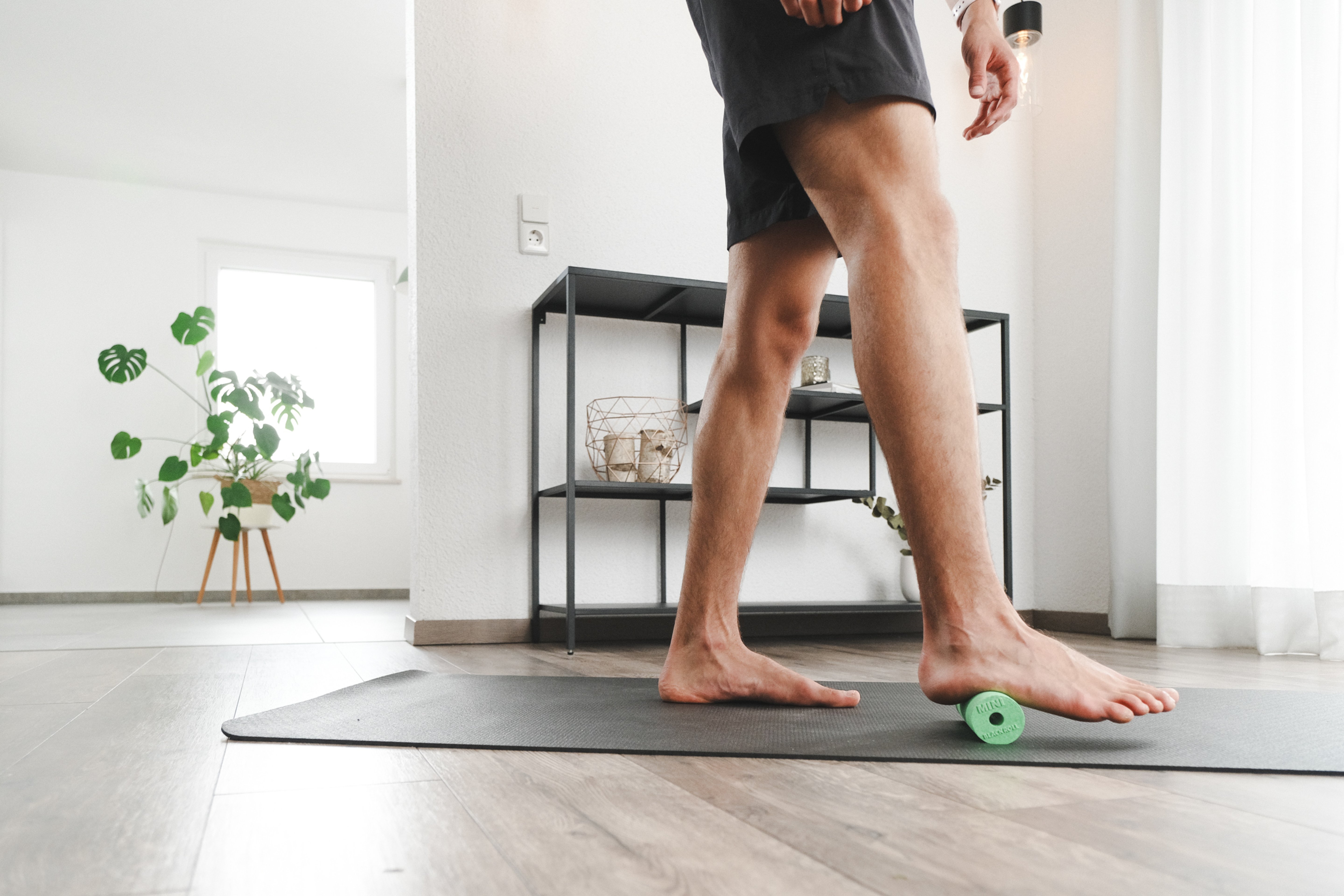
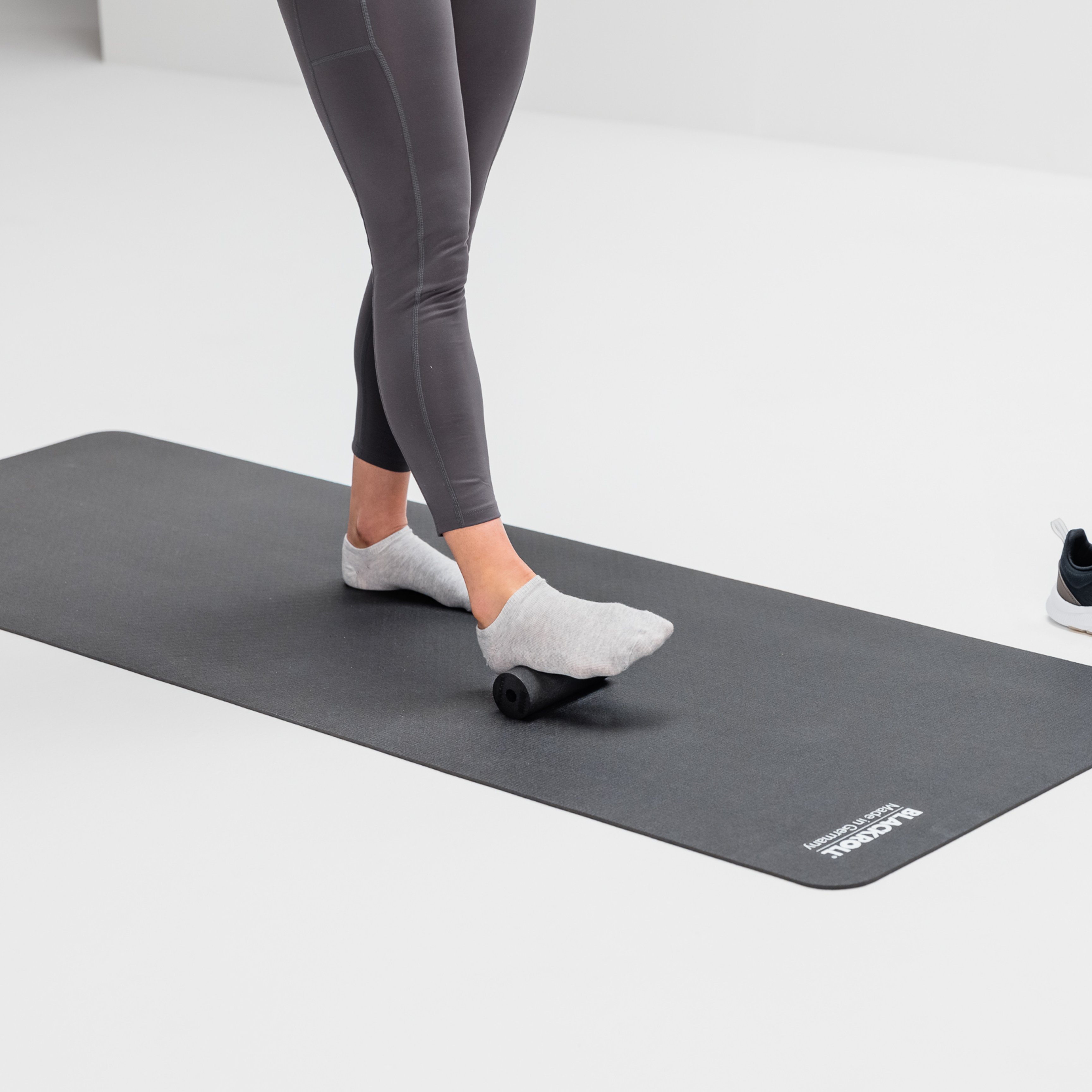
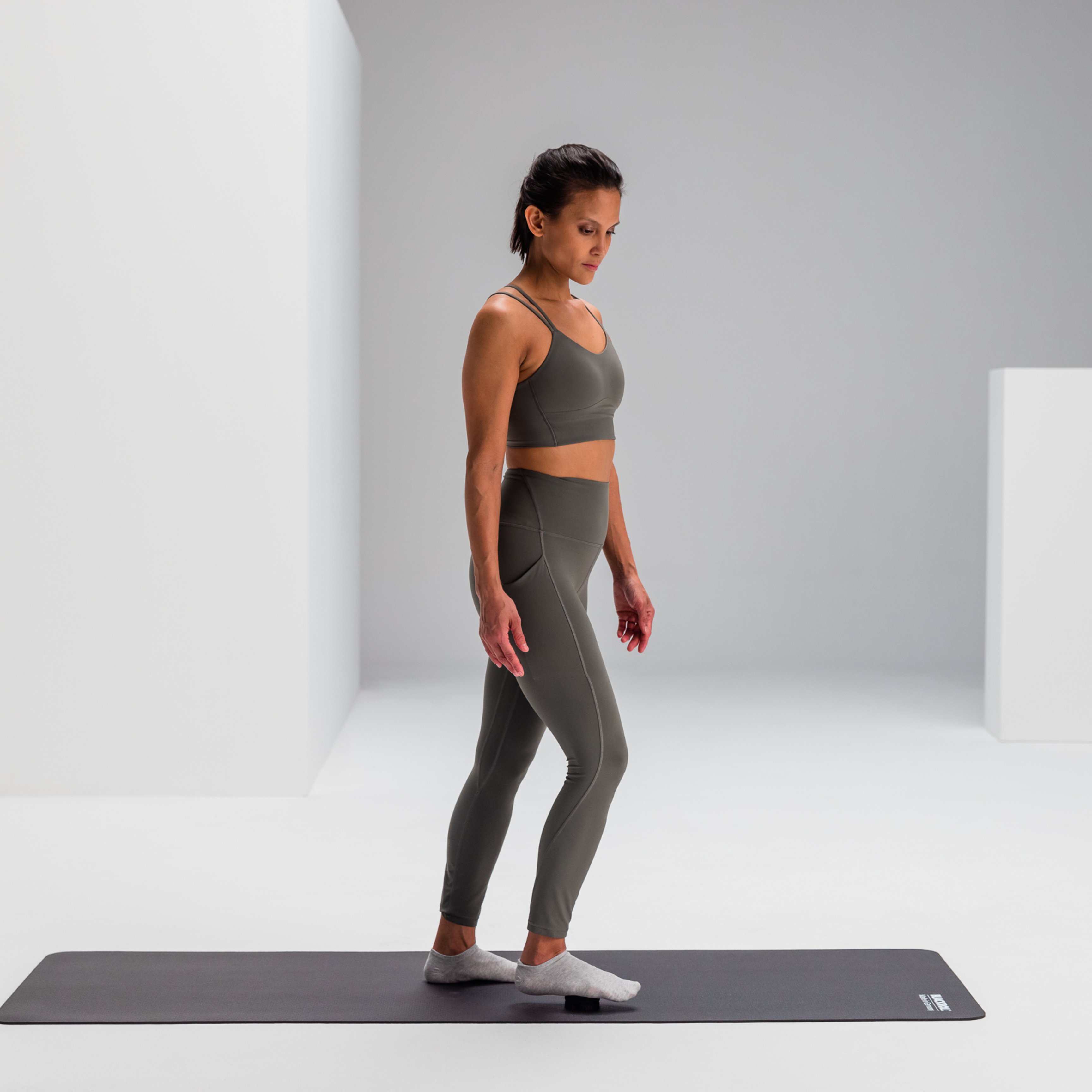
Sole of the Foot Massage with the MINI
While standing, place the sole of your foot on the MINI. Roll slowly back and forth. As you do so, rotate your foot onto its inner and outer edges. Apply moderate pressure to the MINI by slightly bending your leg.
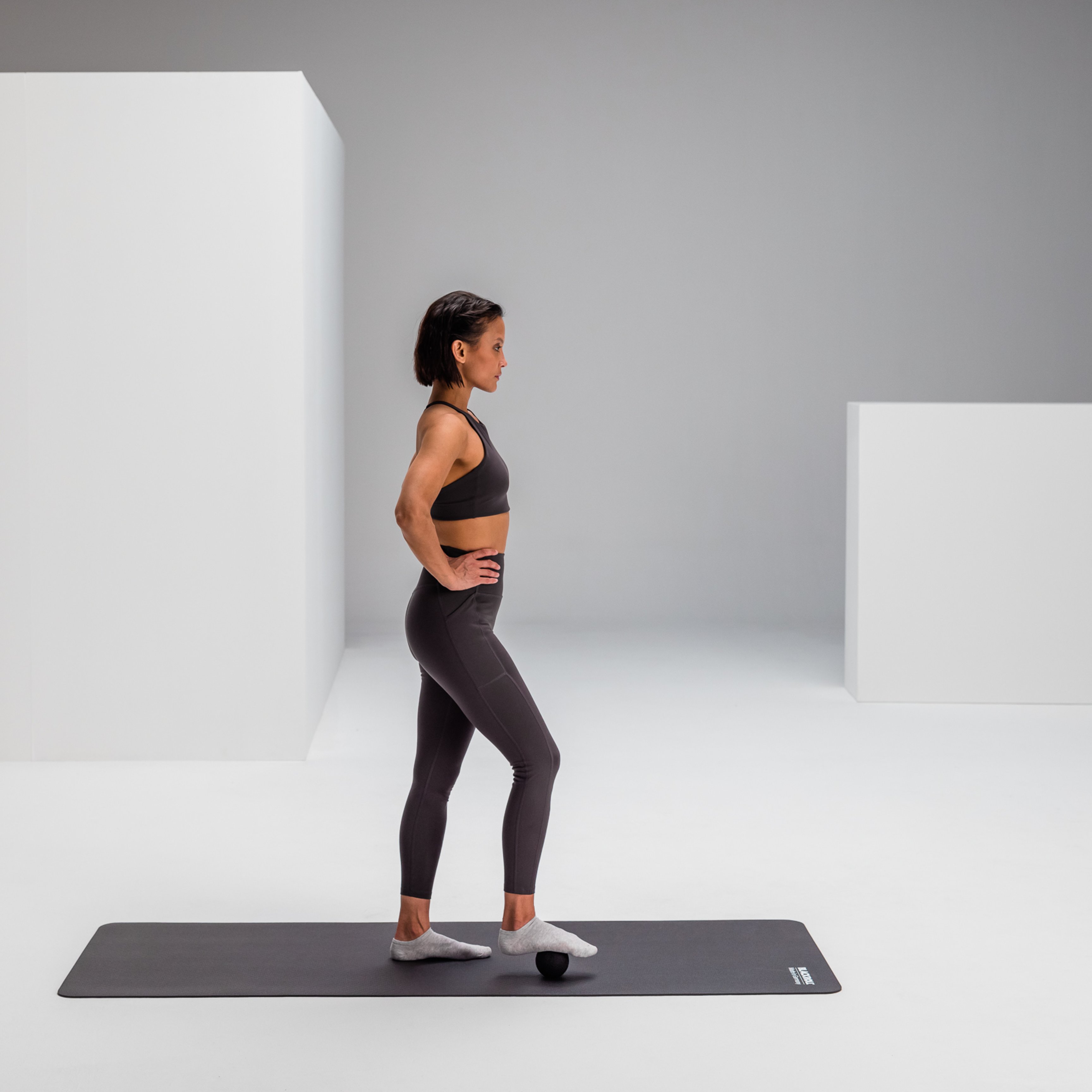
Sole of the Foot Massage with the Fascia Ball
While standing, place the sole of your foot on the BALL. Roll slowly back and forth. Reduce the pressure by slightly bending your knee, thereby shifting your weight onto your supporting leg.
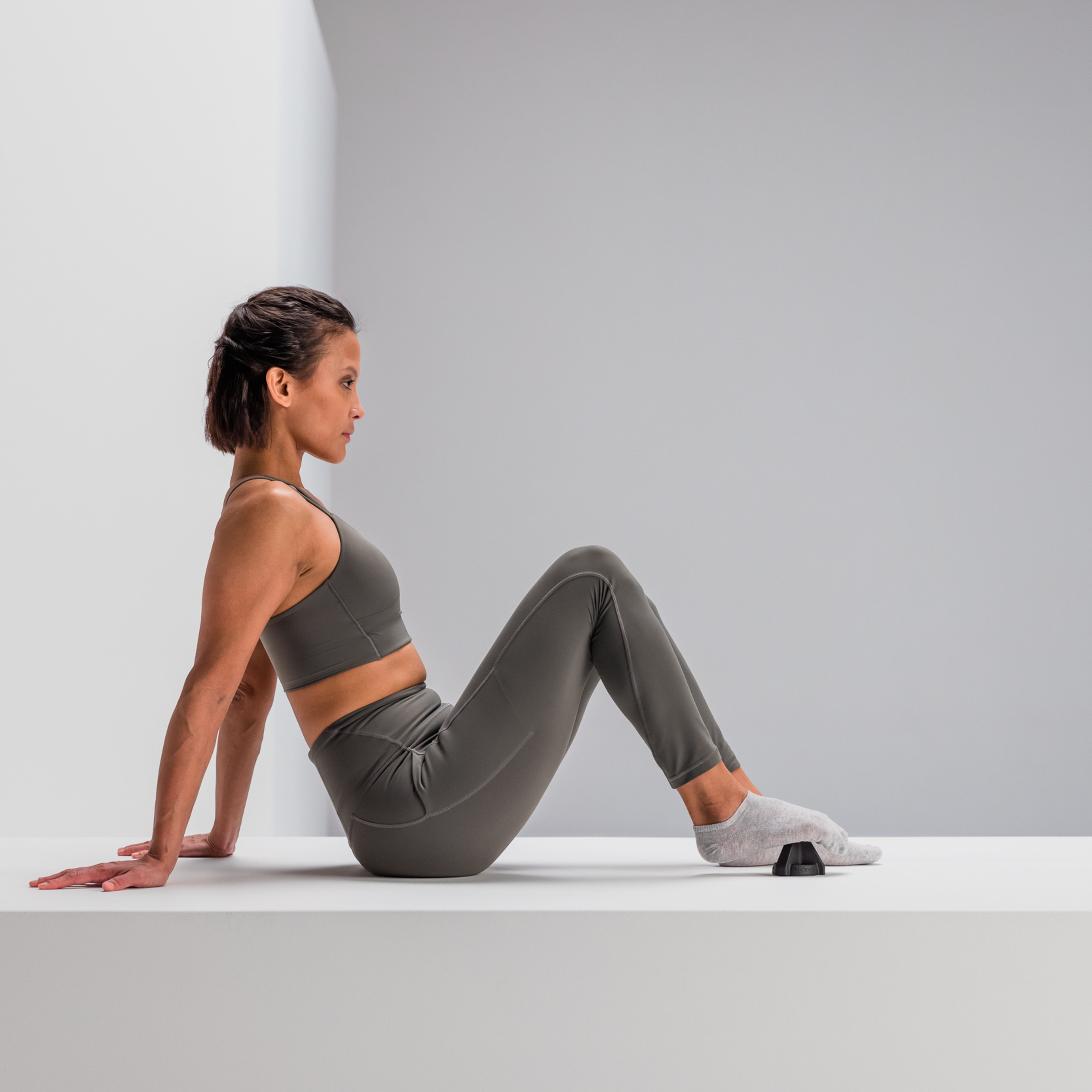
Trigger point massage of the sole of the foot
While standing or sitting, place your foot on the TRIGGER. Find a tender spot. Stay on that spot. Relax your foot. Focus on your breathing. Move your toes up and down once the initial pain has subsided.
Sole of the Foot Massage with the Twister
Place your foot on the TWISTER while standing. Rotate your foot. Vary the position and the pressure.
Is Stretching the Plantar Fascia Beneficial?
What does research say about stretching exercises for treating plantar fasciitis?
To date, science has not been able to provide clear recommendations regarding stretching for plantar fasciitis. However, various studies suggest that stretching exercises may help alleviate plantar fasciitis symptoms in the short term.
Based on the current scientific evidence, it is therefore not possible to definitively answer whether stretching the plantar fascia is beneficial.
However, there are some indications that targeted stretching of tight calf muscles may help alleviate symptoms.
You’ll find targeted stretching exercises for the calves in the next chapter.
Plantar Fasciitis Stretching Exercises
If you’re suffering from plantar fasciitis, targeted plantar fasciitis stretching exercises could support your recovery. The primary goal is to relieve tension in the calf muscles. Below you’ll find a selection of stretching exercises for the calves.
Hold each stretch for at least 60 seconds per side. Alternatively, you can stretch for 2 sets of 30 seconds on both sides.
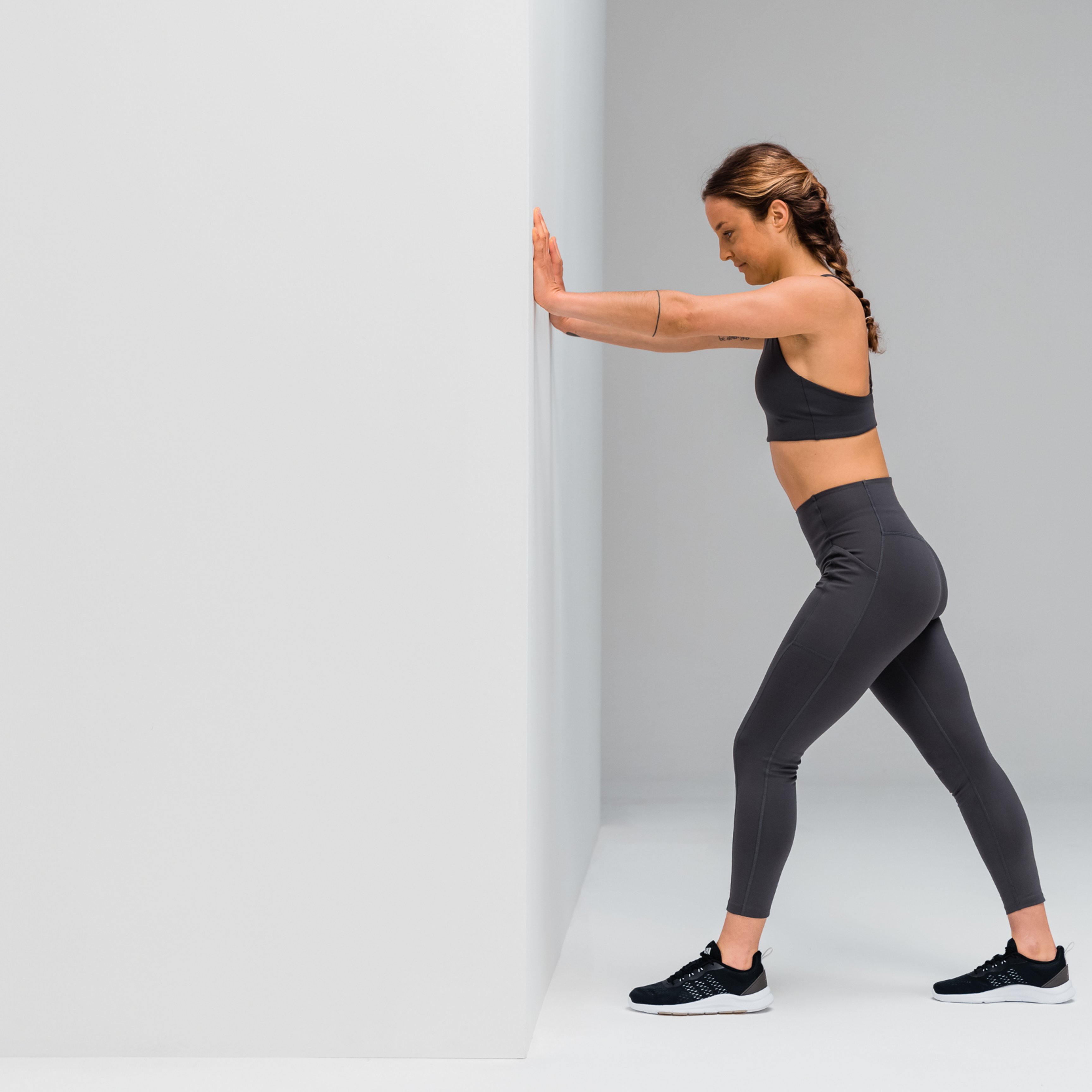
Calf Stretch Against a Wall
Stand in a lunge position facing a wall. Support yourself with your hands. Shift your body weight onto your front leg. Make sure the entire sole of your back foot is flat on the floor. Keep your knee straight.
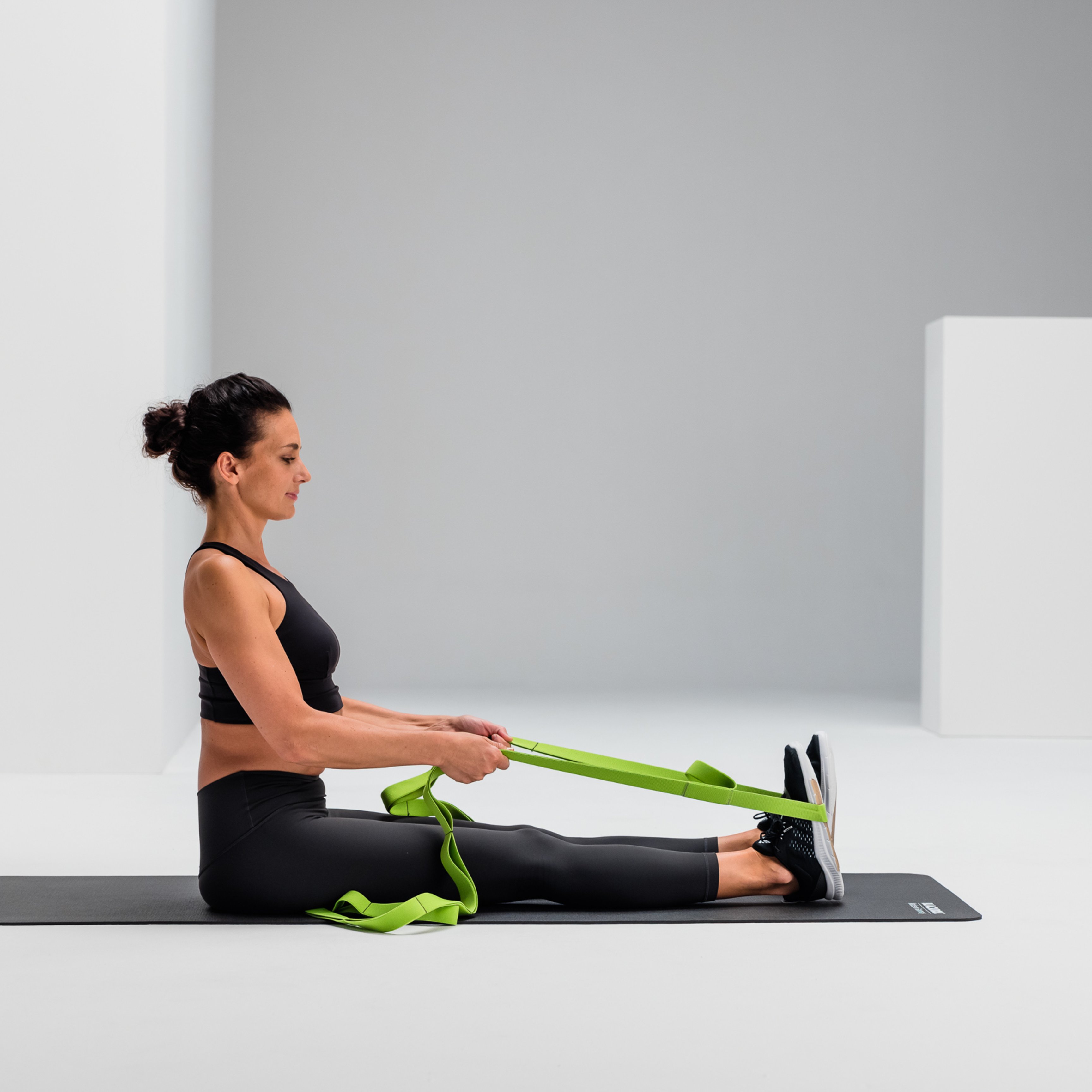
Seated Calf Stretch
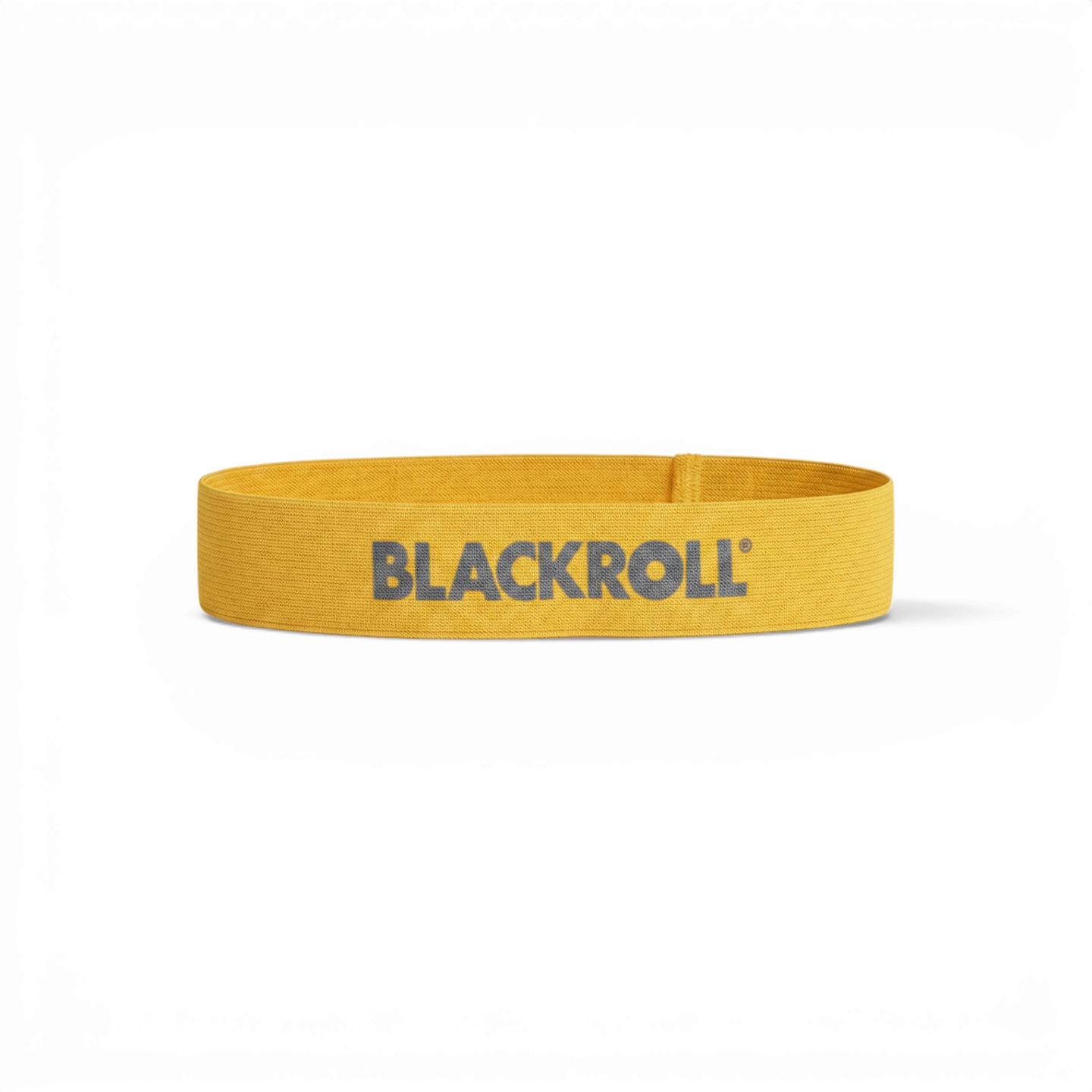
While seated, wrap the MULTI BAND around one foot. Extend your leg. Grasp the band with both hands. Pull the MULTI BAND toward your body. Hold this position. Actively pull your toes toward your torso during the stretch. (This exercise can also be performed with the LOOP or the SUPER BAND.)
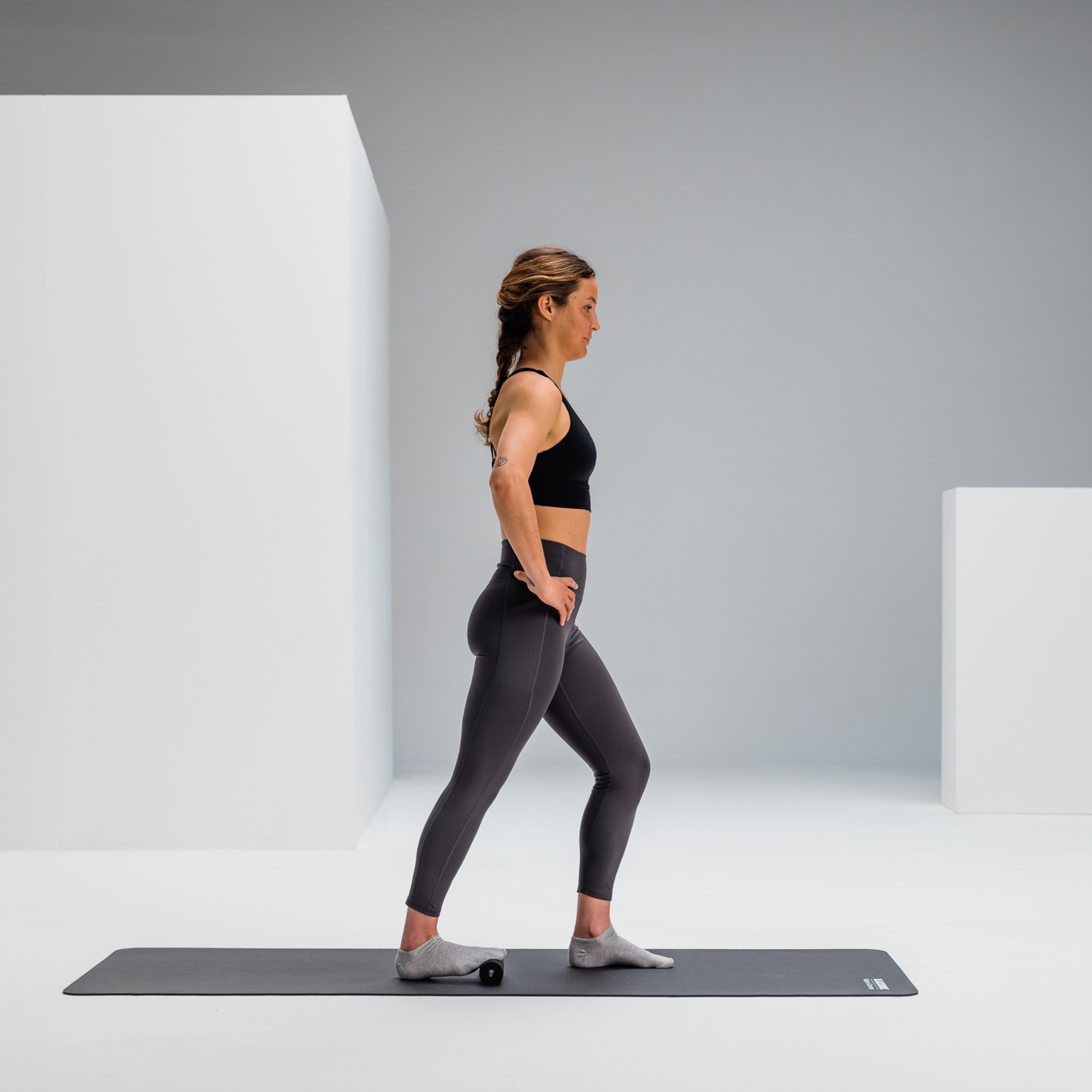
Calf Stretch with the MINI Foam Roller
Start in an upright standing position. Place the ball of your foot on the foam roller. Keep your heel on the floor and your knee straight. Shift your weight forward. This will increase the stretch in the sole of your foot and your calf muscles. To strengthen the muscles while lengthening them, press the sole of your foot into the roller. Release the tension. Go a little deeper into the stretch.
Exercises for Shortened Tendons in the Foot
In the foot area, so-called “shortened tendons” can lead to various problems. However, it’s important to note that these problems are often not due to an actual shortening of the tendons themselves, but rather to changes in the surrounding tissue, muscular imbalances, or other biomechanical factors. Here are some examples of problems that can occur in connection with seemingly shortened tendons in the foot:
- Plantar fasciitis: Overuse or improper loading can irritate the plantar fascia, which can lead to pain on the bottom of the foot.
- Achilles tendon problems: The Achilles tendon, which connects the calf muscles to the heel, can cause pain when overloaded or due to poor biomechanics. This pain is sometimes described as a “shortened Achilles tendon,” but it is often due to structural changes or inflammation.
- Ankle stiffness: Injuries such as a torn ligament or a fracture in the ankle area can result in limited mobility and stiffness. This can give the impression of a shortened tendon, even though the cause lies in scar tissue or joint stiffness.
- Hallux rigidus: This is a condition in which the joint of the big toe becomes stiff, limiting movement. It is often perceived as a “shortened big toe,” although it is actually a joint problem.
In many cases, physical therapy and exercise therapy can help improve mobility in the foot. These approaches aim to maintain or restore the flexibility of the muscles, tendons, and fascia, which in turn can improve overall foot health.
If you’re looking for exercises to improve “shortened tendons” in the foot, you should consider seeking professional guidance to ensure the exercises are performed effectively and safely.
Summary
Heel pain caused by plantar fasciitis can be extremely bothersome. In many cases, however, you have the option of finding relief through exercise therapy or physical therapy. So stay on top of it and take your health and well-being into your own hands.