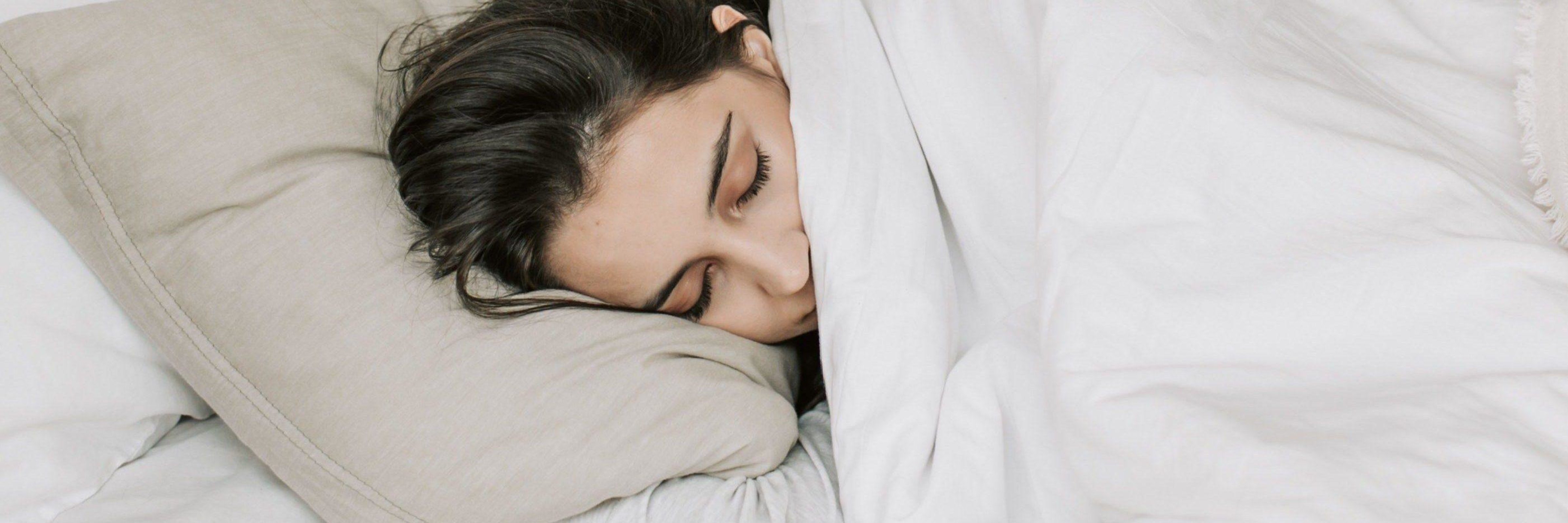
Snoozing & Napping: Why We Love the Snooze Button—and How to Wake Up Better

The alarm goes off. Half asleep, you reach for your phone, press the snooze button—and give yourself five more minutes. Or ten. Maybe even three rounds of snoozing before you finally drag yourself out of bed. Sound familiar?
With that little extra bit of dozing, you might start your day a bit more leisurely—but why do so many people feel more tired than awake afterward? The snooze function is part of the morning routine for millions of people, but experts are increasingly critical of it.
So what’s really behind the snoozing phenomenon? Why is it so hard to just get up—and how can you get a better start to your day?
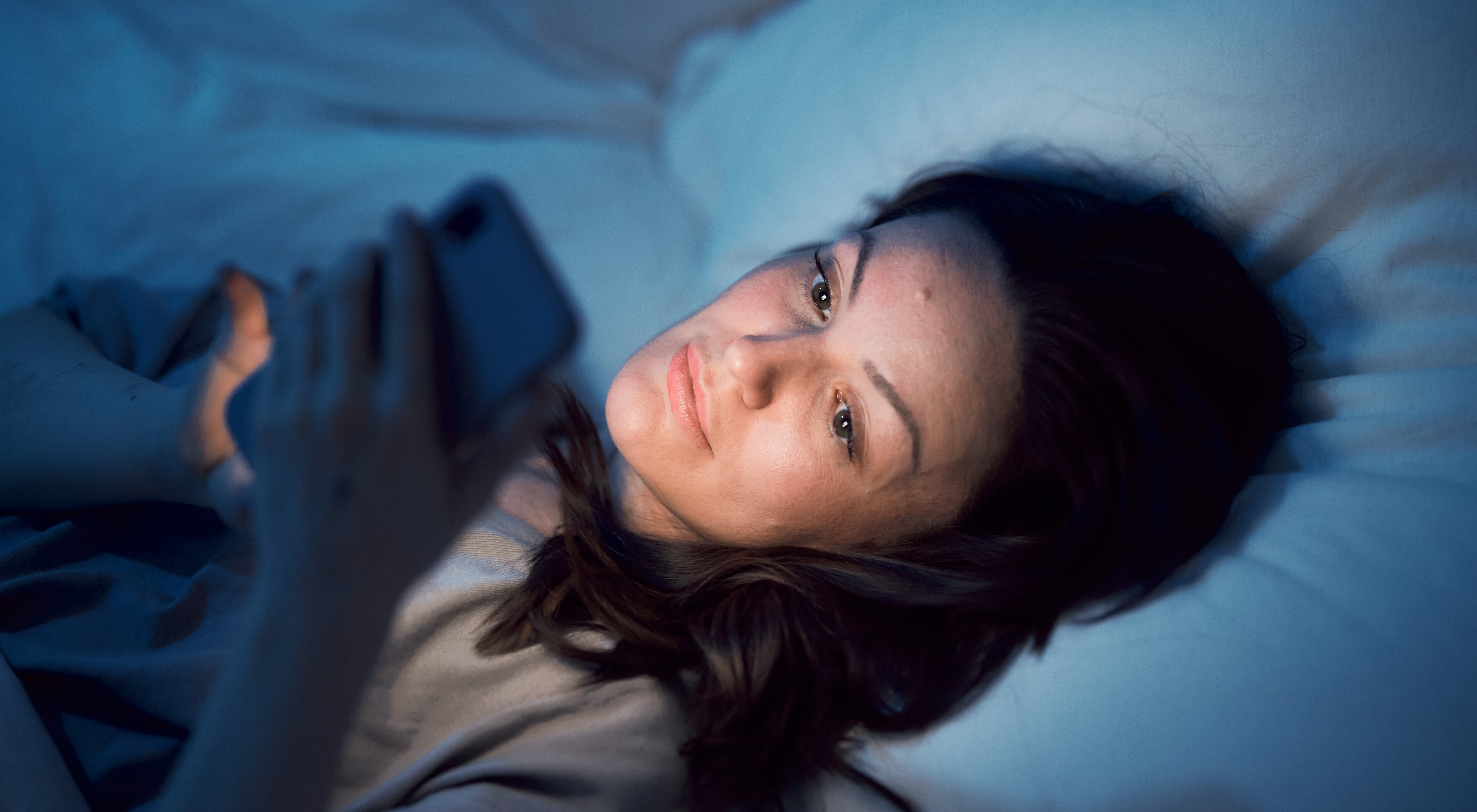
What is the snooze function?
The term “snooze” comes from the English verb“to snooze,” which means to doze off or take a short nap. That’s exactly what happens when you press the snooze button in the morning: The alarm goes off—and with a single tap, you buy yourself a few more minutes before that annoying sound goes off again.
The so-called “snooze” function is now a default feature on nearly every digital alarm clock or smartphone. But even classic radio alarm clocks and analog devices have had a snooze button for decades, usually conveniently located right on top of the device.
Once pressed, the alarm sound pauses—for about 5, 9, or 10 minutes, depending on the setting.
The idea behind it: You’re gently roused from sleep because you don’t have to get up right away. In practice, however, many people use the feature multiple times—that is, they press “Snooze” several times in a row. While snoozing once might still be considered a harmless gesture, snoozing multiple times quickly becomes a morning habit—with potentially negative consequences for your sleep cycle and your energy levels during the day.
Snoozing: Harmful or Okay?
About 50–60% of people use the snooze button regularly. Short, planned snooze intervals can make waking up easier because they help avoid deep sleep—but snoozing multiple times can increase sleep inertia, especially when you’re sleep-deprived. Light alarm clocks and a consistent sleep schedule help you wake up gently.
Snoozing is widespread and isn’t automatically bad. Here are a few different pieces of scientific evidence:
- A small sleep lab study showed that a snooze alarm with four wake-up signals in the last 20 minutes before wake-up time fragments sleep and leads to slower reaction times—that is, greater sleep inertia—than a single wake-up alarm.
- A study of 450 full-time working adults found that 57% regularly use the snooze button; these snoozers did not sleep less overall or feel more tired than non-snoozers, but they exhibited lighter sleep and a slightly higher heart rate in the hour before waking up, suggesting that snoozing might make waking up easier.
- Two studies showed that snoozing is widespread—especially among younger people and night owls—and that a 30-minute snooze buffer before getting up costs only about 6 minutes of sleep but prevents awakenings from deep sleep and maintains or improves immediate cognitive performance after waking up, without any clear disadvantages for cortisol, mood, or overall sleep structure.
What actually happens to your body when you keep drifting back into the realm of half-sleep? That’s exactly what we’ll look at in the next section.
Our companions for more restful sleep and renewed energy
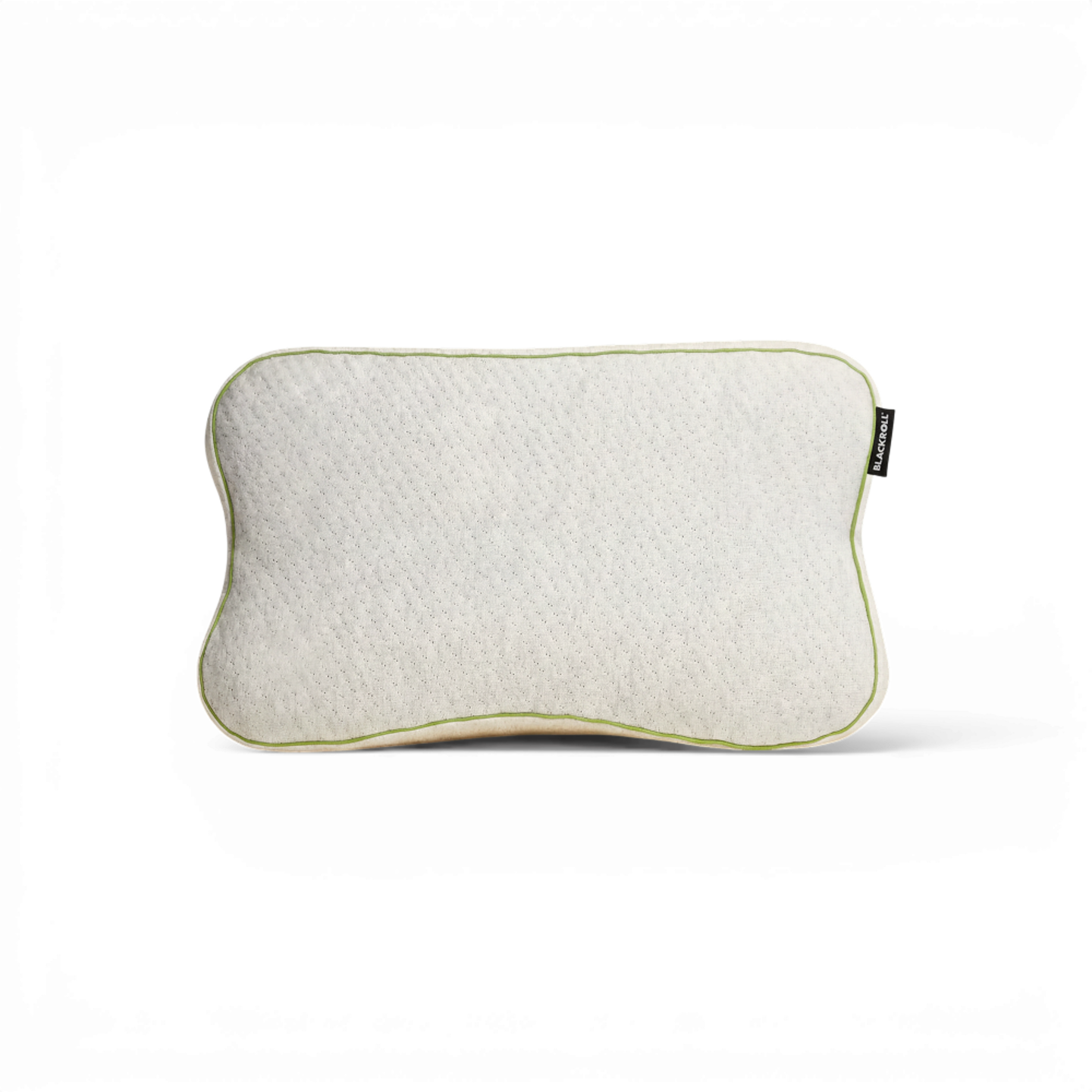

Pillow Case Jersey
Available in multiple variants
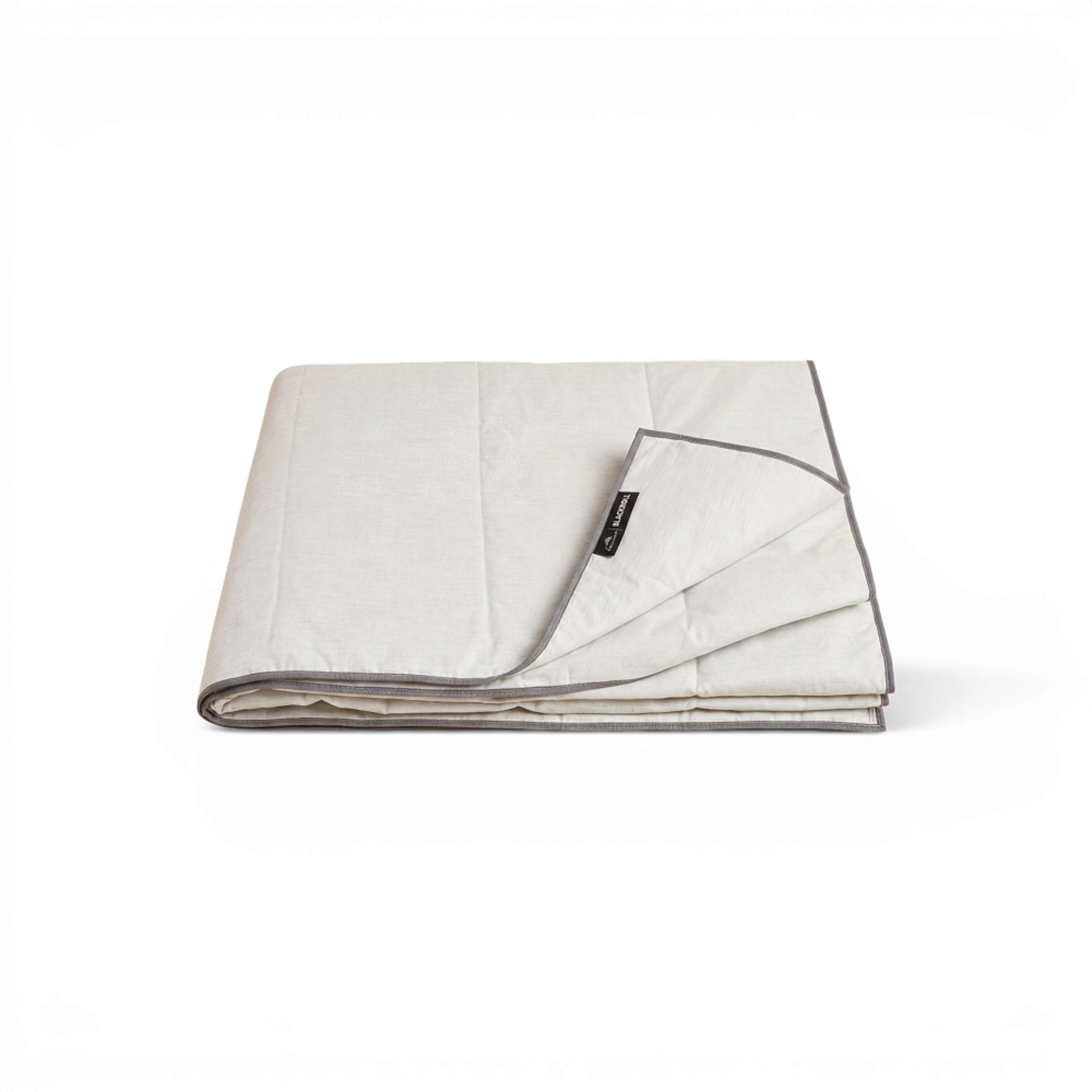
Recovery Blanket Summer
Available in multiple variants
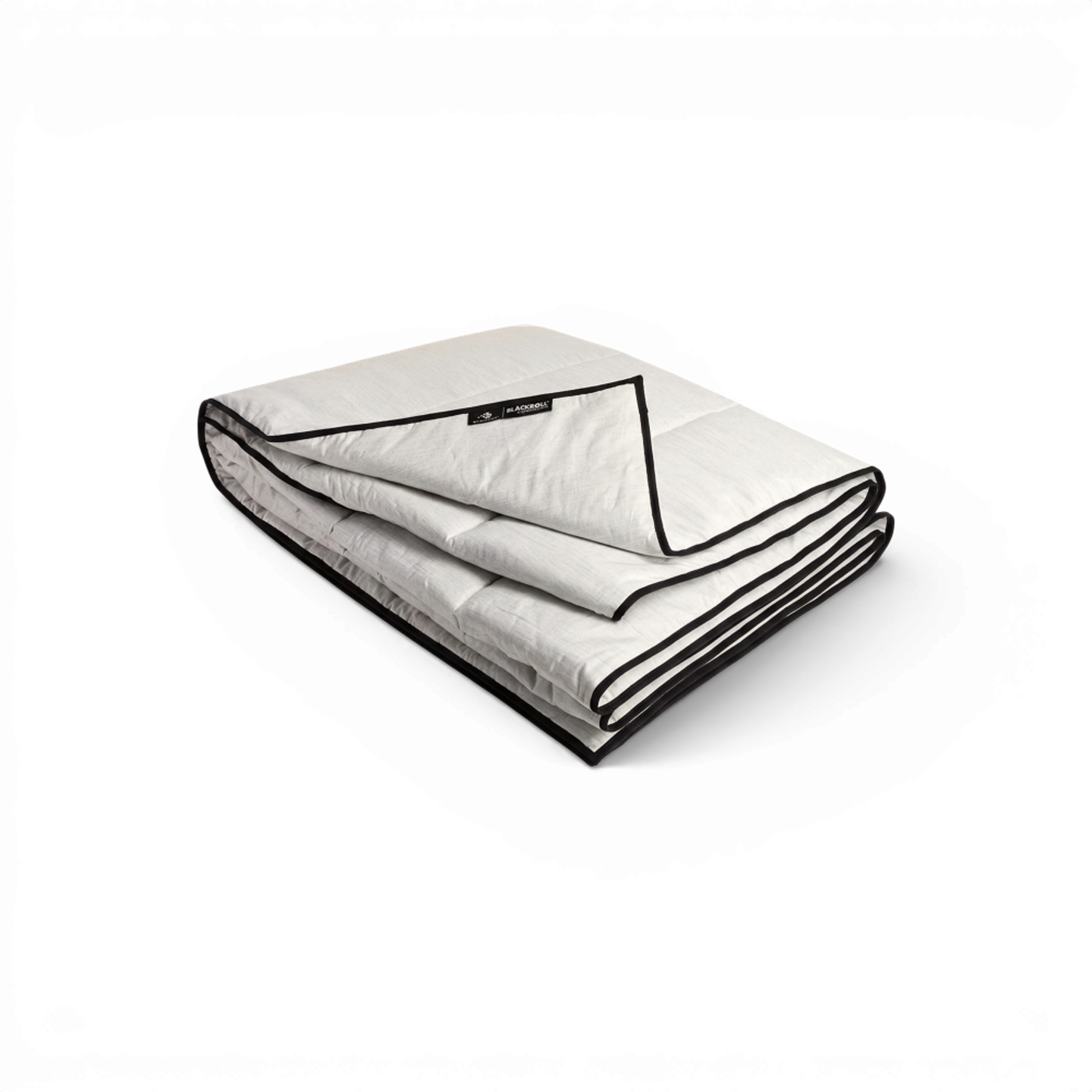
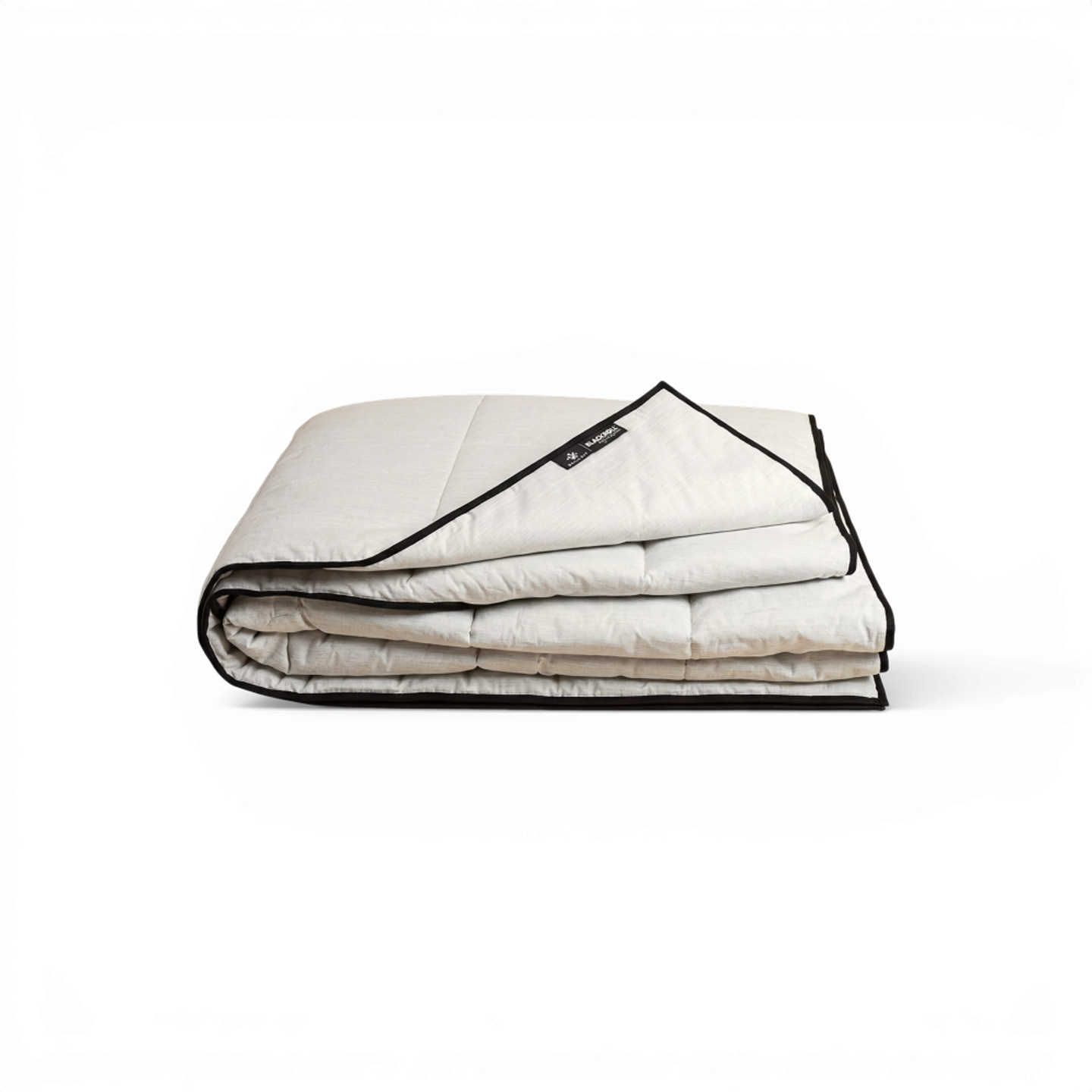
Recovery Blanket Winter
Available in multiple variants
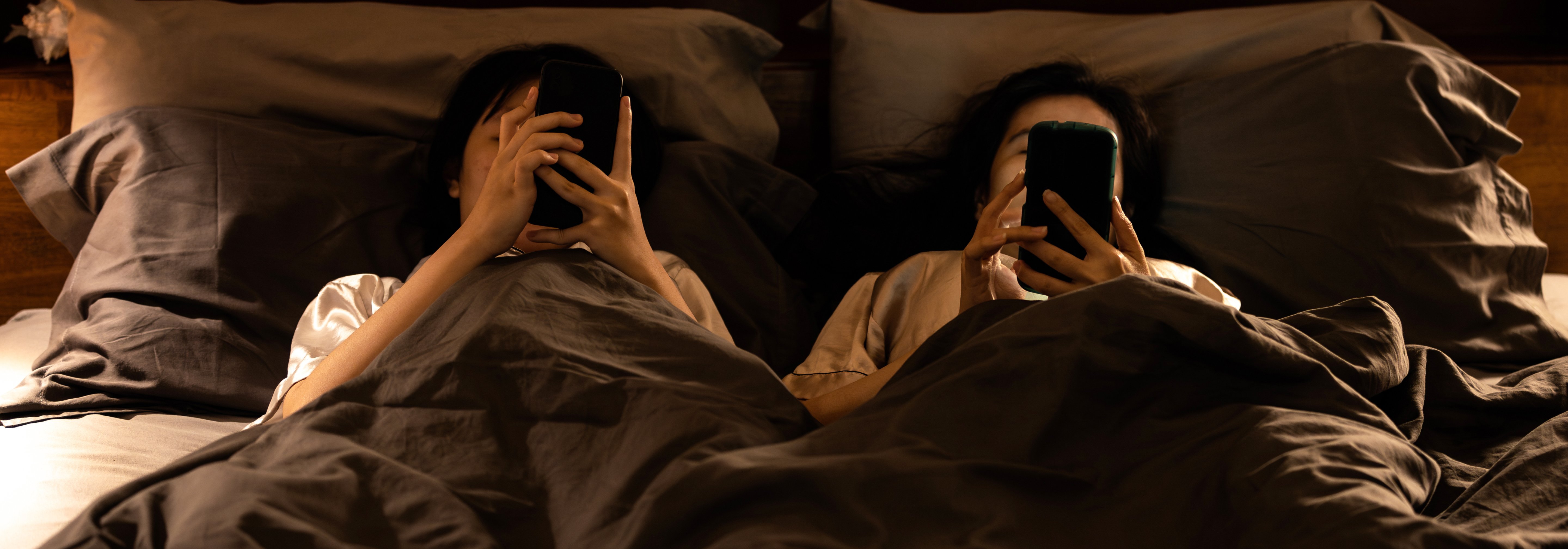
Snoozing & Sleep Cycles: How Snoozing Affects Sleep
While you sleep, your body goes through several sleep cycles, each lasting about 80–110 minutes. Each cycle consists of:
- Light sleep: The body relaxes.
- Deep sleep: Cells regenerate, and the immune system is strengthened.
- REM sleep: Your brain is active; you dream and process information.
These phases alternate several times a night. You’ll find it easiest to wake up when you’re at the end of a cycle.
Sleep Phases Explained: How Our Sleep Cycle Works
The circadian rhythm and its importance for health
What happens when you hit the snooze button?
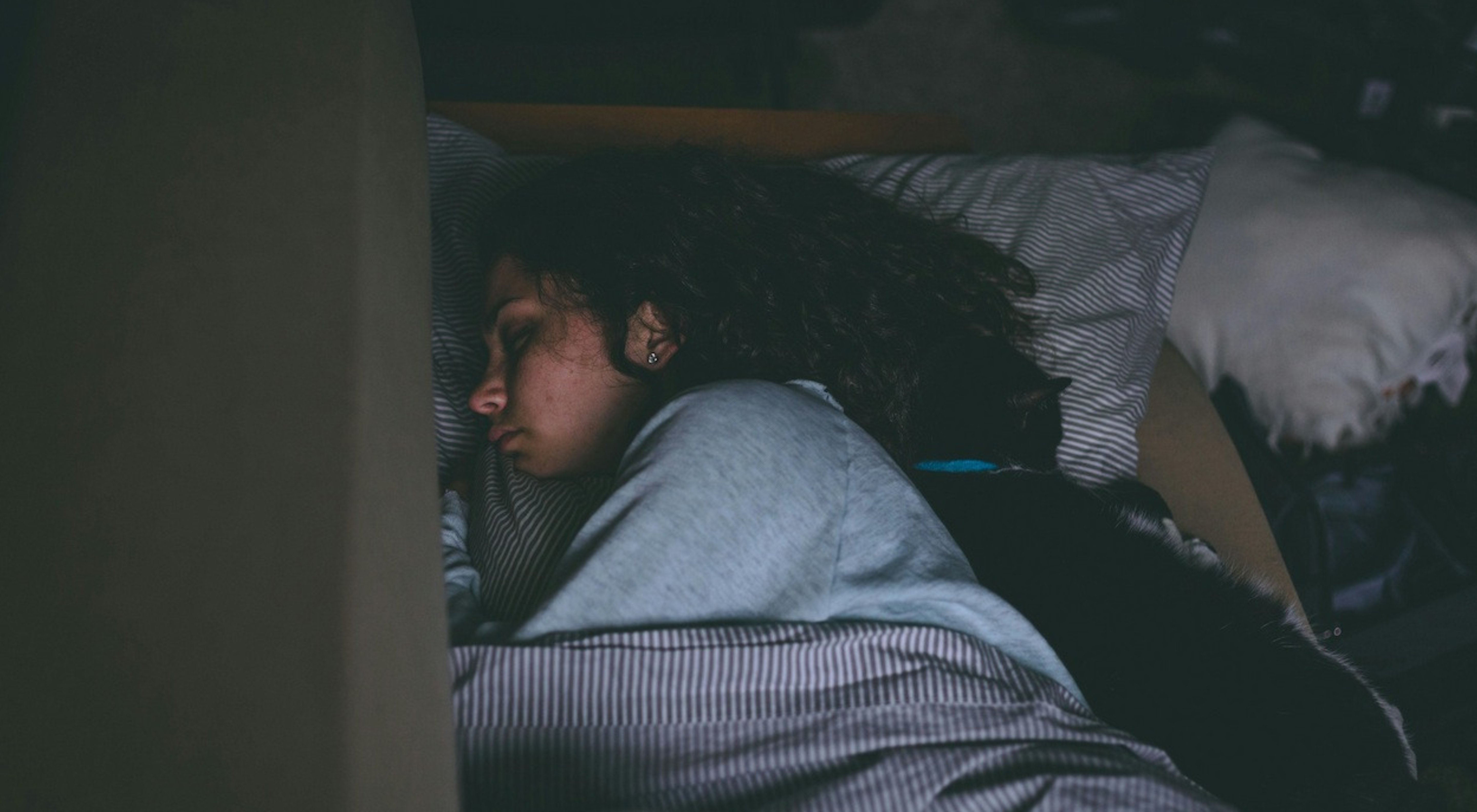
When you hear your alarm in the morning, you’re ideally at the end of one of these cycles—which makes waking up relatively easy. But when you hit the snooze button, you interrupt this natural rhythm. Instead of getting up, hitting the snooze button sends you back into a new sleep phase — usually light sleep. And that’s exactly where the problem lies: If this fresh sleep phase is interrupted again after just a few minutes by the next alarm, it creates what’s known as sleep inertia. Sleep inertia is particularly intense when you’re woken from deep sleep. When you hit the snooze button, you usually slip back into light sleep, which may be harmless in the short term—but repeatedly interrupting this phase intensifies the feeling of tiredness.
This inertia manifests itself in the form of:
- Drowsiness
- Confusion
- and a feeling of “I’m not really awake yet”
This phenomenon can become more pronounced, especially after repeated snoozing —you don’t feel more refreshed, but rather the opposite: completely worn out.
Your internal clock gets out of sync
Added to this is the role of your internal clock. In the early morning hours, your body prepares to wake up through a natural rise in the stress hormone cortisol . If you repeatedly interrupt this process by hitting the snooze button, you could disrupt your natural circadian rhythm—and possibly throw off your start to the day.
The result: You carry that grogginess into your daily life—and that can have a negative impact on your concentration, energy, and mood.
Why It’s So Hard to Give Up the Snooze Button
The psychology of the snooze button shows that hitting snooze is rarely laziness, but often an unconscious reflex stemming from short-term rewards, ingrained routines, and emotional stress . Here, we’ve taken a closer look at three influencing factors:
1. The small reward: The “roll over one more time” effect
When the alarm goes off in the morning and you press the snooze button, it feels like a small reward: You don’t have to get up just yet; you can snuggle back in and doze off for a little while longer. This moment provides a brief sense of security, comfort, and control—exactly what many people lack when they wake up.
2. Sleep Deprivation as a Cause of Snoozing
People who go to bed too late at night or sleep poorly understandably have a harder time getting up in the morning. Sleep deprivation increases the body’s urge to get some rest—even in small doses. In such cases, using the snooze button becomes a “stopgap measure” to compensate for the perceived lack of sleep.
But the few minutes after hitting the snooze button are usually not deep enough to provide true rest—and instead lead to grogginess and a harder start to the day.
3. Emotional factors play a major role
Emotional factors also influence the decision to hit the snooze button:
- Stress or feeling overwhelmed can make us want to hide under the covers in the morning instead of getting up.
- A lack of motivation (e.g., for unwelcome appointments) intensifiesthe desire to stay in bed longer.
- Poor sleep quality (e.g., due to noise, worrying, or alcohol) leavesthe body feelinginsufficiently rested in the morning.
Hitting the snooze button is often more than just a matter of convenience—it’s the result of a combination of reward, sleep deprivation, and emotional state. Often, it’s simply a matter of habit.
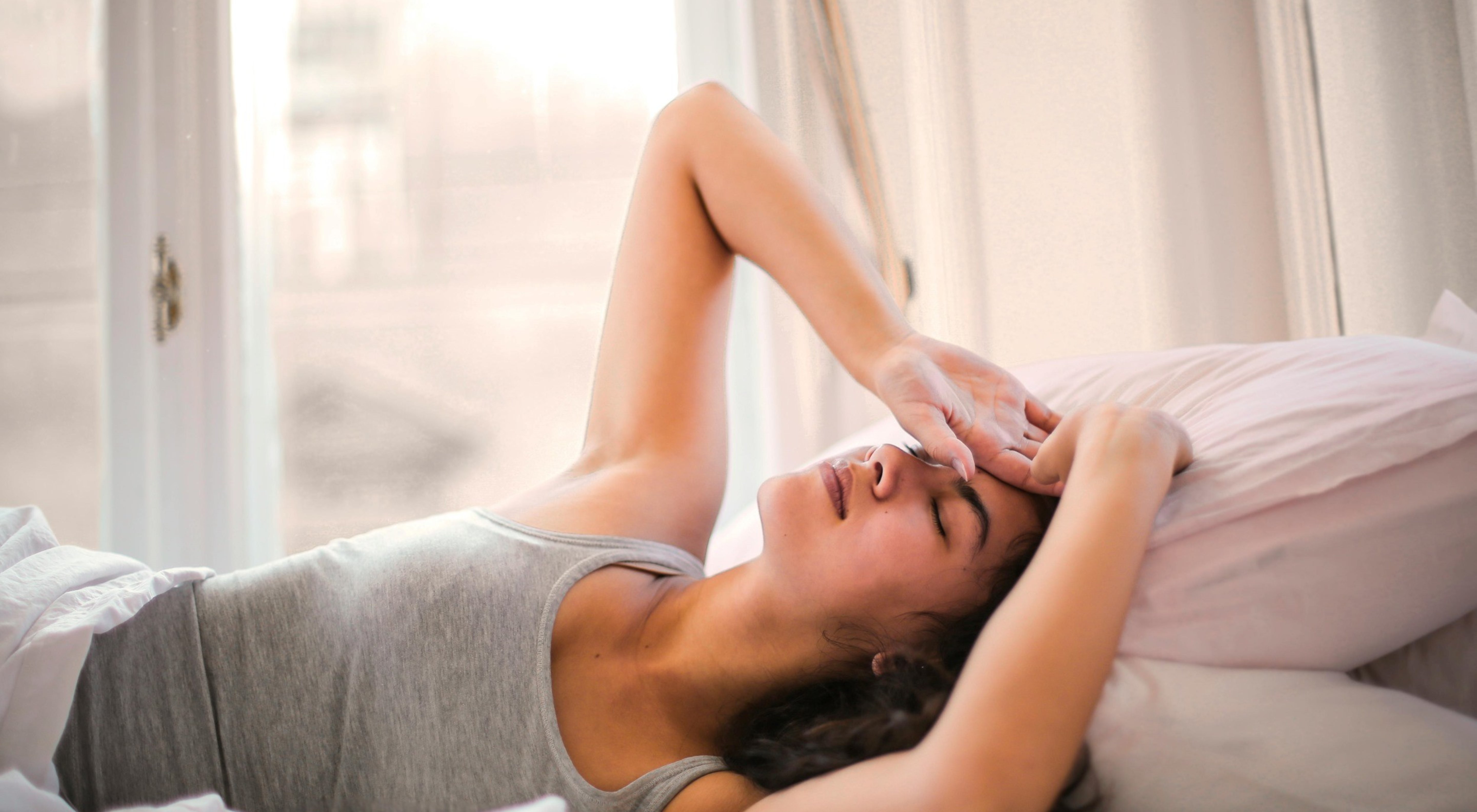

Tips for Avoiding Snoozing
Want to finally get out of bed without constantly hitting the snooze button? A radical overnight change won’t help—what you need is a clear structure with small, manageable steps. This guide shows you how to break free from the snooze spiral and return to a healthy wake-up routine.
- Step 1: Put your alarm clock out of reach: Place your alarm clock or smartphone so that you have to get out of bed to turn it off. Moving around helps get your circulation going—and automatically breaks the snooze cycle.
- Step 2: Maintain a regular sleep-wake cycle: Go to bed at the same time every day if possible—even on weekends. A consistent sleep schedule strengthens your body’s internal clock and makes it easier to wake up, even without an alarm clock. Fixed bedtimes are one of the most effective ways to start your day off right.
- Step 3: Use light as a natural wake-up aid: Daylight signals to your body: “Wake up!” Open the curtains right away in the morning or use a light alarm clock that simulates sunrise. Being gently awakened by light can reduce sleepiness—this has also been scientifically confirmed.
- Step 4: Develop a mini-morning routine for the first 5 minutes: Be mindful of what you want to do right after getting up—for example,drink a glass of water, do some quick stretches, or jot down your goal for the day. These small, consistent routinesgive your brain structure — and prevent the urge to crawl back into bed.
- Step 5: Practice good sleep hygiene in the evening: Prepare yourself specifically for the night ahead:
- No caffeine in the late afternoon
- Reduce screen time at least 30 minutes before bed
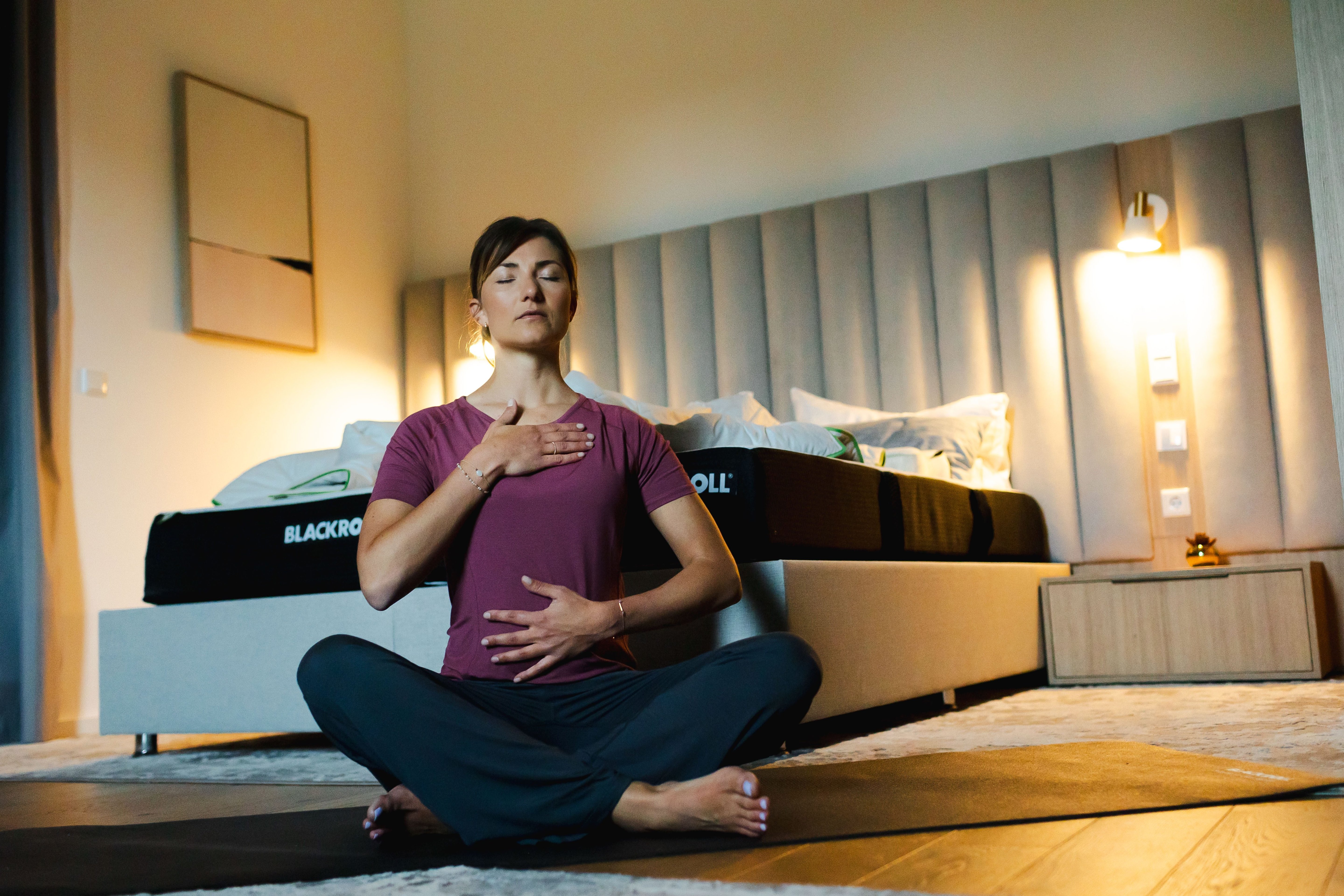
- Establish regular rituals such as reading, relaxation exercises, or a warm shower
A restful evening often leads to a restful morning—without any snoozing.
- Step 6: Coordinate with your household: Especially for parents or people with irregular work schedules, the topic of morning routines is often complex. It helps to have an open discussion withyour partner or roommates: Who gets up when? Who takes care of what? This reduces stress—and gives you less reason to hit the snooze button.
- Step 7: Use special alarm apps with challenges: Apps like “Alarmy” or “Sleep If U Can” make hitting the snooze button nearly impossible:
- You can only turn off the alarm by, for example, taking a photo of the bathroom or solvinga math problem.
- This way, you playfully force yourself to get up—and outsmart your inner slacker.
- Step 8: Start the “No Second Alarm” Challenge: Allow yourself only one attempt to wake up each morning. Track your success—for example,with a little calendar challenge: Check off the box when yousucceed. This will boostyour self-confidence and help you break your old snooze habit step by step.
Give it a try
With clear routines, light, preparation, and mindful motivation, you can overcome snoozing in the long run. Keep in mind, however, that this brief guide is not a substitute for medical advice if you have serious sleep problems.
Our evening routines for you


Snooze – Pros and Cons
Hitting the snooze button is often considered a bad habit—but it’s not quite that simple. In some cases, a short nap can even help reduce stress. It’s important to recognize the difference between occasional dozing and a chronic “alarm clock marathon.”
Here’s a structured overview of the key pros and cons:
Advantages of snoozing—when it can be okay:
Disadvantages of snoozing—when it’s more likely to harm you:
More Peace & Restful Sleep in 21 Days
Your Gentle Path to More Restful Nights
Conclusion: It’s better to get up than to hit the snooze button endlessly
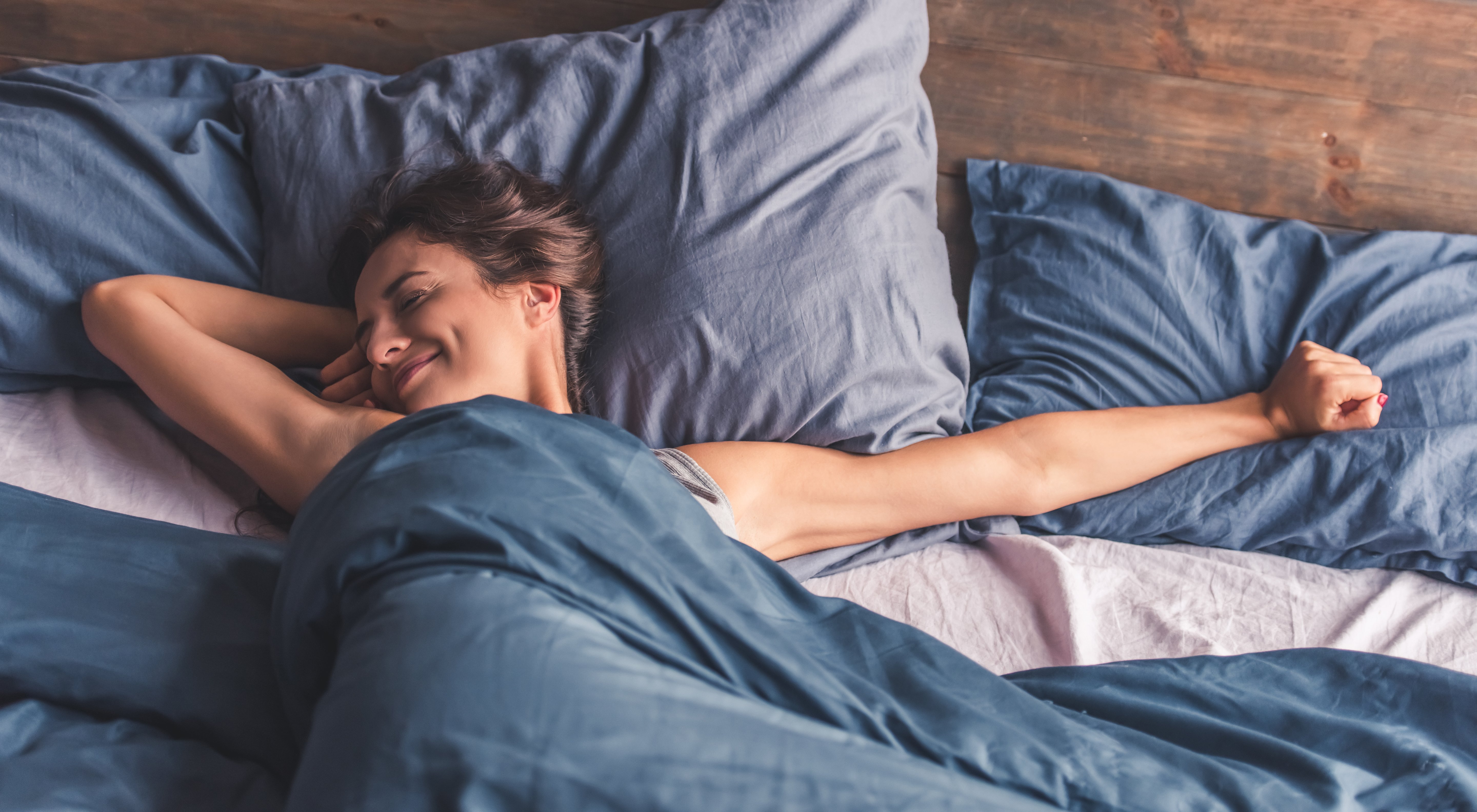
Do you hit the snooze button every morning and feel even more tired afterward? It doesn’t have to be that way. The most important takeaway: Let the alarm ring once, then get up—this gives you a real head start on the day. If you gradually say goodbye to the snooze button, you’ll not only gain time but also clarity, energy, and structure.
Even small changes—like placing your alarm clock at the other end of the room, establishing a mini-morning routine, or sticking to a consistent sleep schedule—can make a big difference. If you try out the tips in this article, you’ll realize: Waking up can actually feel good.
Start with a step that comes easily to you—and shape your mornings so that you’ll never want to sleep through them again.


FAQ: Snooze, Nap, & Alarm Clocks—the Most Common Questions
FAQ: Snooze, Nap, & Alarm Clocks—the Most Common Questions
After the first ring, the snooze function is activated so you can sleep for a few more minutes.
Snoozing multiple times can disrupt your sleep cycle and lead to grogginess.
Because the body repeatedly enters new, but incomplete, sleep cycles —which increases morning fatigue.
Yes: Place your alarm clock out of reach, stick to a regular bedtime, and establish a motivating morning routine.
For example, light alarm clocks, getting up right away, apps with wake-up challenges, or intentionally designed morning rituals.
Also interesting








Sources:
- Mattingly, S. M., Martinez, G., Young, J., Cain, M. K., & Striegel, A. (2022). Snoozing: an examination of a common method of waking. Sleep, 45(10), zsac184. https://doi.org/10.1093/sleep/zsac184
- Ogawa, K., Kaizuma-Ueyama, E., & Hayashi, M. (2022). Effects of using a snooze alarm on sleep inertia after morning awakening.J Physiol Anthropol, 41:43. https://doi.org/10.1186/s40101-022-00317-w
- Sundelin, T., Landry, S., & Axelsson, J. (2023). Is snoozing a waste of time? Why intermittent morning alarms are used and how they affect sleep, cognition, cortisol, and mood.J Sleep Res. https://doi.org/10.1111/jsr.14054
- Tassi, P., & Muzet, A. (2000). Sleep inertia. Sleep Medicine Reviews, 4(4):341-353. https://doi.org/10.1053/smrv.2000.0098
- Scheer, F. A. J. L., et al. (2008). An endogenous circadian rhythm in sleep inertia results in the greatest cognitive impairment during the biological night.J Biol Rhythms, 23(4):353-361. https://doi.org/10.1177/0748730408318081
- McHill, A. W., et al. (2019). Chronic sleep restriction greatly magnifies performance decrements during sleep inertia.Sleep, 42(5):zsz032. https://doi.org/10.1093/sleep/zsz032
- Thompson, A., Jones, H., Gregson, W., & Atkinson, G. (2014). Effects of dawn simulation on markers of sleep inertia and post-waking performance in humans.Eur J Appl Physiol, 114:1049-1056. https://doi.org/10.1007/s00421-014-2831-z
- Thorn, L., et al. (2004). The effect of dawn simulation on the cortisol response to awakening in healthy participants.Psychoneuroendocrinology, 29(7):925-930. https://doi.org/10.1016/S0306-4530(03)00160-4
- Hilditch, C. J., et al. (2022). Rise and shine: The use of polychromatic short-wavelength-enriched light to mitigate sleep inertia at night following awakening from slow-wave sleep.J Sleep Res, e13558.https://ntrs.nasa.gov/api/citations/20230003106/downloads/Hilditch%20et%20al%202022%20SIS%20%28JSR%20light%20in%20lab%29.pdf