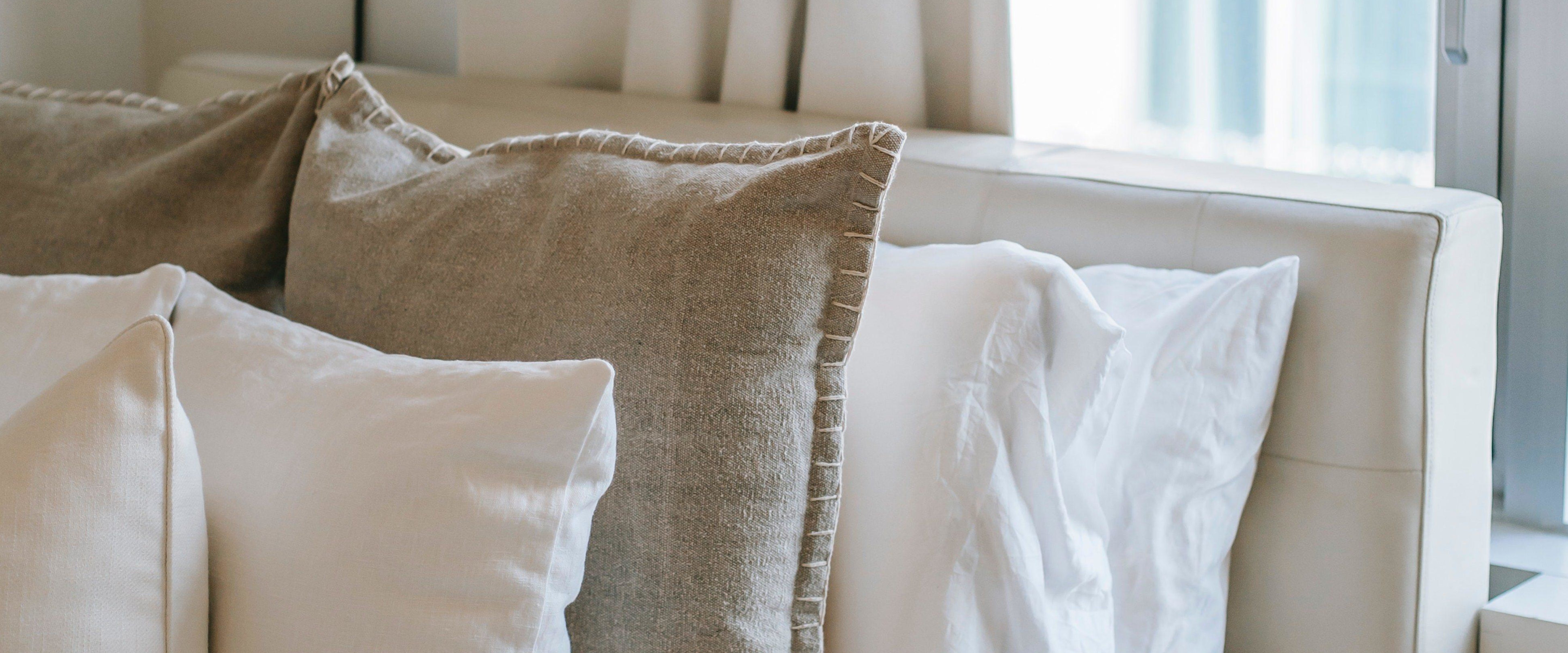
Colors in the Bedroom: How They Affect Your Recovery
Spring! The days are getting brighter, the sun is shining more often, and suddenly even gray streets seem friendlier. No wonder— colors influence how we feel. And not just outside in nature or in our closets, but especially where we let go, unwind, and recharge for the next day: in our homes.
But how much attention should we really pay to the colors in our surroundings? Spoiler: Maybe more than you think.
Colors trigger moods and reactions in us completely subconsciously. Blue calms us. Pink relaxes us. Gray grounds us. White clears our minds. These effects are often subtle—but they’re still there. That’s why it’s worth taking a closer look: What colors surround you as you fall asleep and wake up—and also in your everyday life?
Colors Have an Impact—Even Beyond the Bedroom
Although we spend about a third of our lives in bed, colors are with us around the clock—and influence far more than just our sleep. Wall colors in the living area, colors in the bathroom, or the outfit you pull out of the closet in the morning all have an effect on your well-being.
A fresh shade of green in the entryway can welcome you in the morning, while a warm terracotta in the living room has a calming and grounding effect after a long day. Colors like orange or yellow provide stimulating energy—ideal for rooms where you want to move around, be creative, or get active.
Color also plays a role during workouts: Maybe a bright sports top motivates you more than a neutral shirt. Or you might intuitively reach for your favorite color during yoga because it gives you a sense of lightness or grounding. Especially during routines like fascia or mobility training, where you’re in close contact with your body, the color of your outfit can positively influence your mood and presence.
Bright colors invigorate, signal lightness, and symbolize a fresh start. Dark tones have a grounding effect. So, how do you want to feel?

Soft Tones for a Gentle Fall Asleep
While we’re bombarded with stimuli during the day, the opposite is needed in the evening: winding down. Unwinding. Calming down. And certain colors in the bedroom can help with that:
- Light gray has a neutral and calming effect—perfect for anyone who likes simplicity
- Anthracite creates depth and a sense of security
- Beige or white gently reflect light and create a sense of lightness
- According to color psychology,pink can help reduce stress
- Blue symbolizes calm, clarity, and relaxation—no wonder it’s one of the most popular bedroom colors
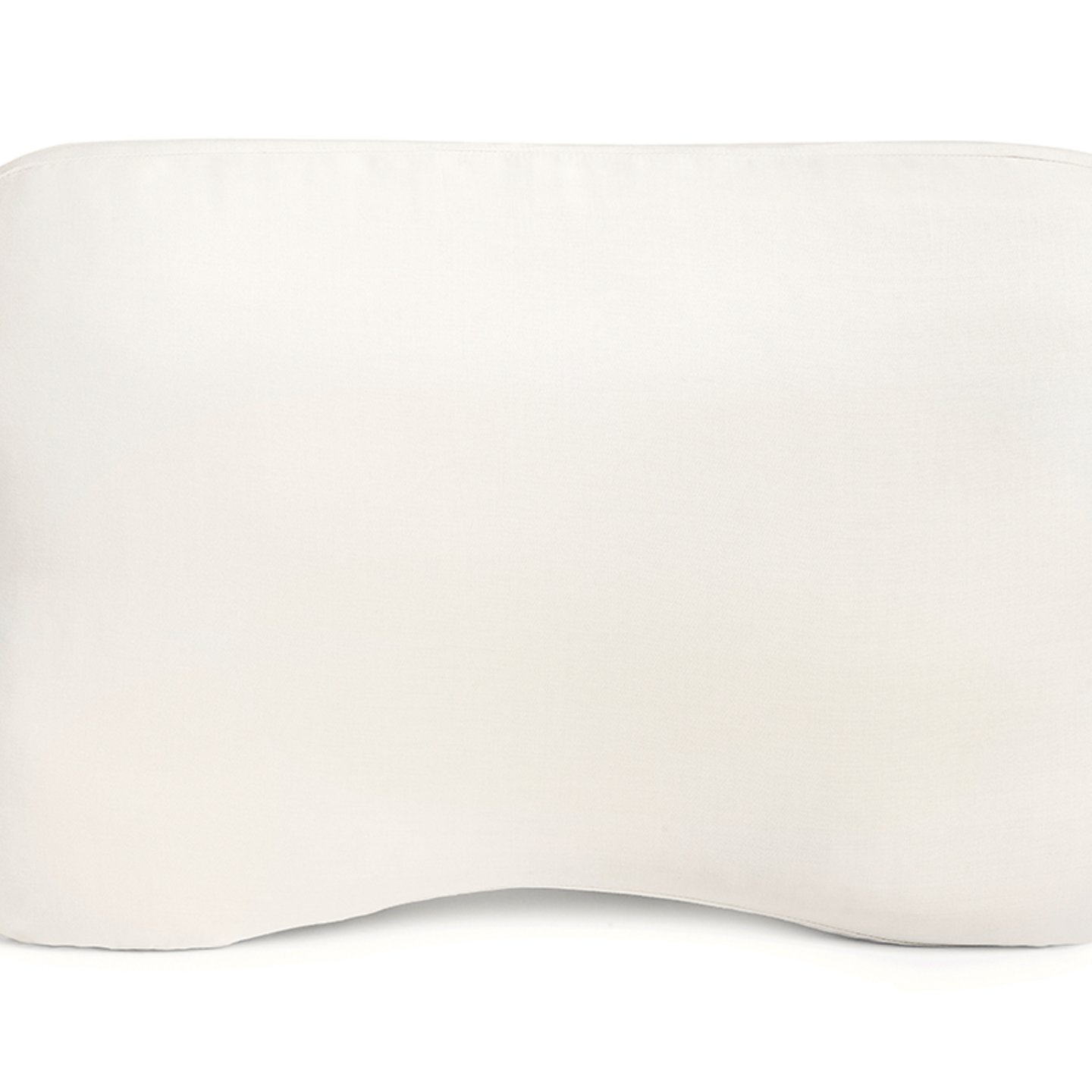
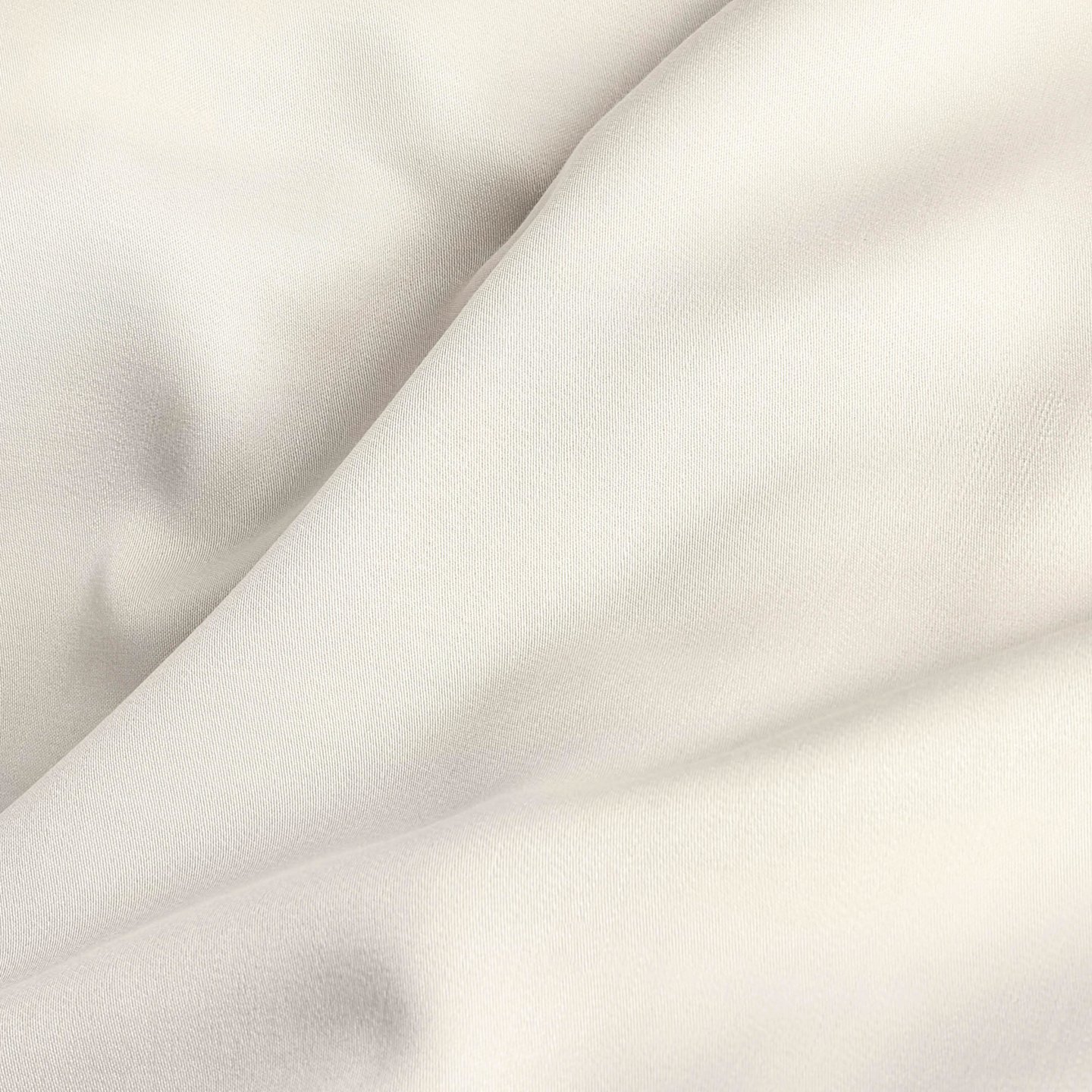
Our cotton pillowcases—the PILLOW CASE JERSEY for the RECOVERY PILLOW —are available in exactly these colors. So you can easily mix and match them depending on your mood, the season, or your personal taste. And in doing so, you’ll positively influence not only your sleep environment but also the atmosphere of your room.
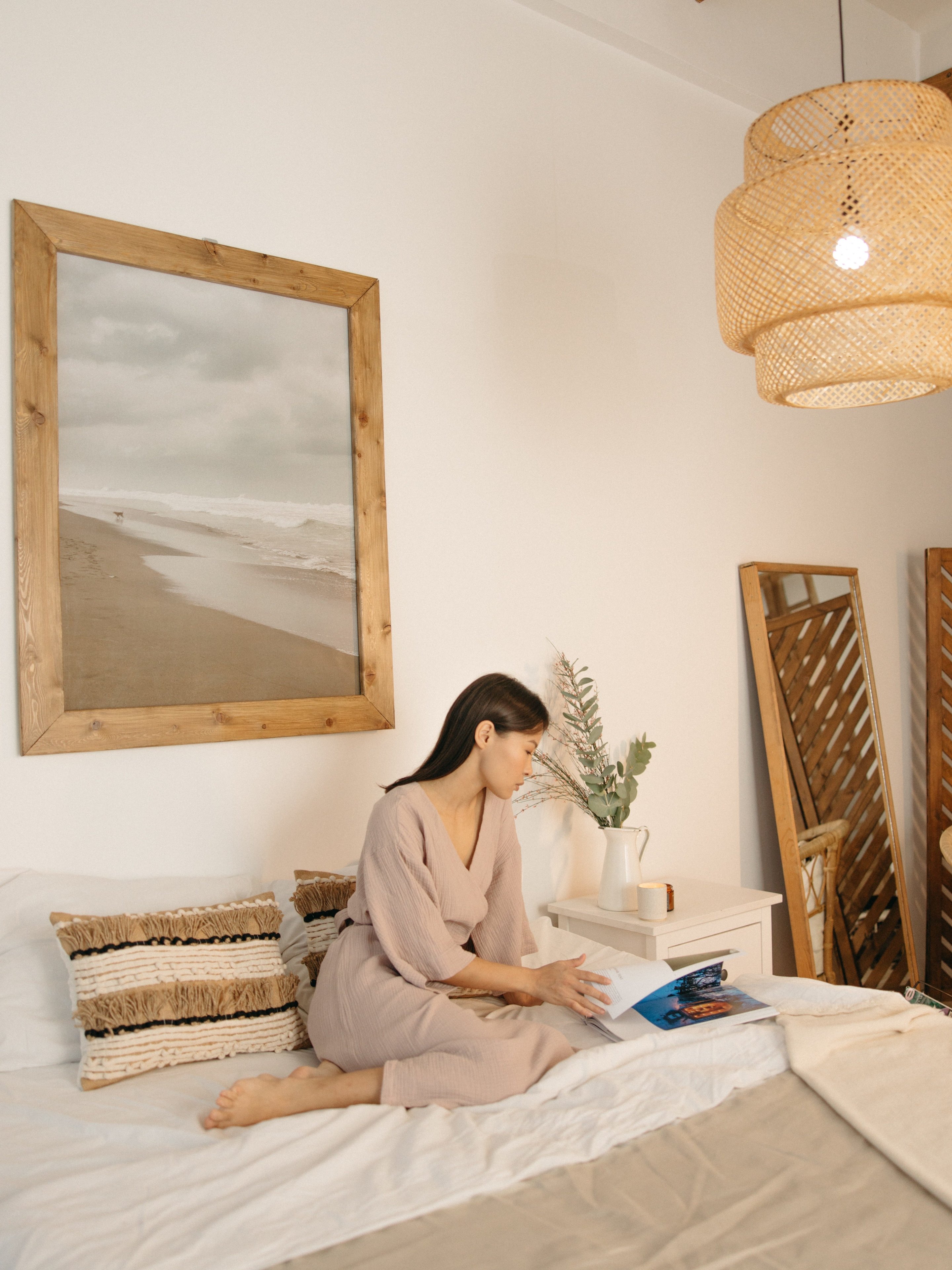
Regeneration starts with the basics
Of course, color alone doesn’t guarantee a good night’s sleep. In the end, one thing matters most: how well your body can truly recover while you sleep. And, as is so often the case, this depends on the interplay of many factors.
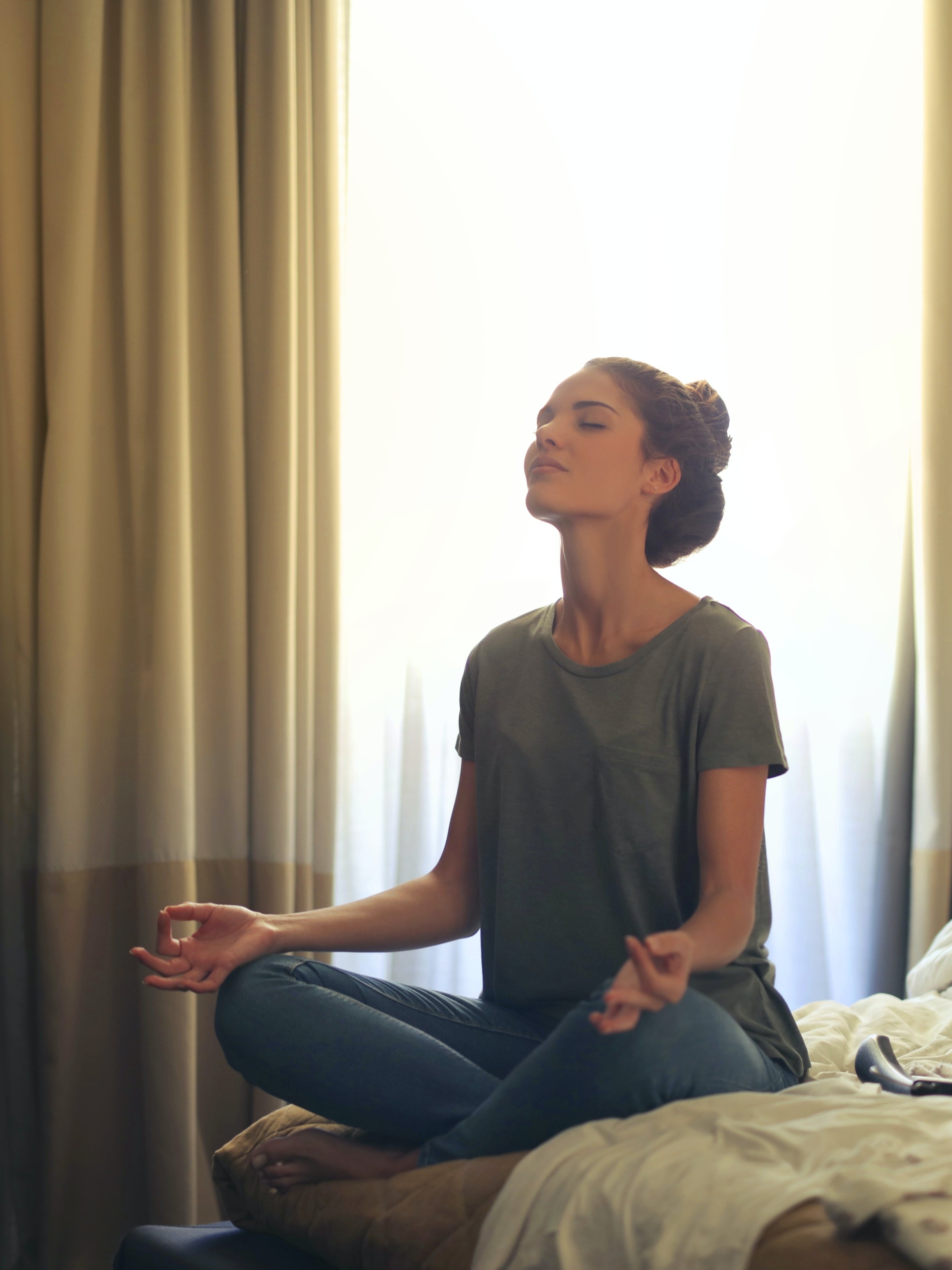
Light, nutrition, exercise, stress levels— all of these influence how deep and restorative your sleep actually is. And that’s exactly why it’s worth taking a holistic approach to the topic. Mindfulness is a key concept here: listening to your own body, allowing yourself to relax, and developing routines. Especially when falling asleep, consistent evening rituals help you wind down and let go of the day’s stress. And of course, rest also requires the right foundation—starting with a high-quality mattress and extending to a comforter and pillows that create a comfortable sleeping environment and support your body’s recovery.
If you’d like to dive even deeper: In our knowledge section on sleep, you’ll find many fascinating articles—from trouble falling asleep to routines that help you wind down. Everything is scientifically grounded and directly applicable to your everyday life.
We believe that good sleep isn’t just about rest—it’s also an act of self-care. After all, a good night’s sleep is essential for staying productive, balanced, and healthy. And you can do something about it every night.
Your Style, Your Sleep
Your sleeping space should be designed so that your body and mind don’t have to work, but can instead unwind. Of course, everyone is different. Maybe you sleep best in dark bedding because it makes you feel secure. Perhaps you need bright colors to help you start your day off right. Or do you have favorite colors that give you a sense of security or lightness?
All of that is okay. Because good sleep is personal. And your sleep environment can be just as individual—both visually and functionally. So the next time you put fresh sheets on your bed, ask yourself: How do I want to feel tonight? And tomorrow morning?
The color of your pillowcase might seem like just a small detail. But sometimes it’s exactly these little things that make all the difference.
Want to become a real pro when it comes to sleep? Then our 21-Day Online Sleep Course might be just the thing for you. In just three weeks, learn effective long-term strategies to get more out of your sleep—flexibly online, with no fixed start date or schedule.