BLACKROLL x everwave = clean rivers
“I’ve never experienced the level of satisfaction that my current job gives me.”
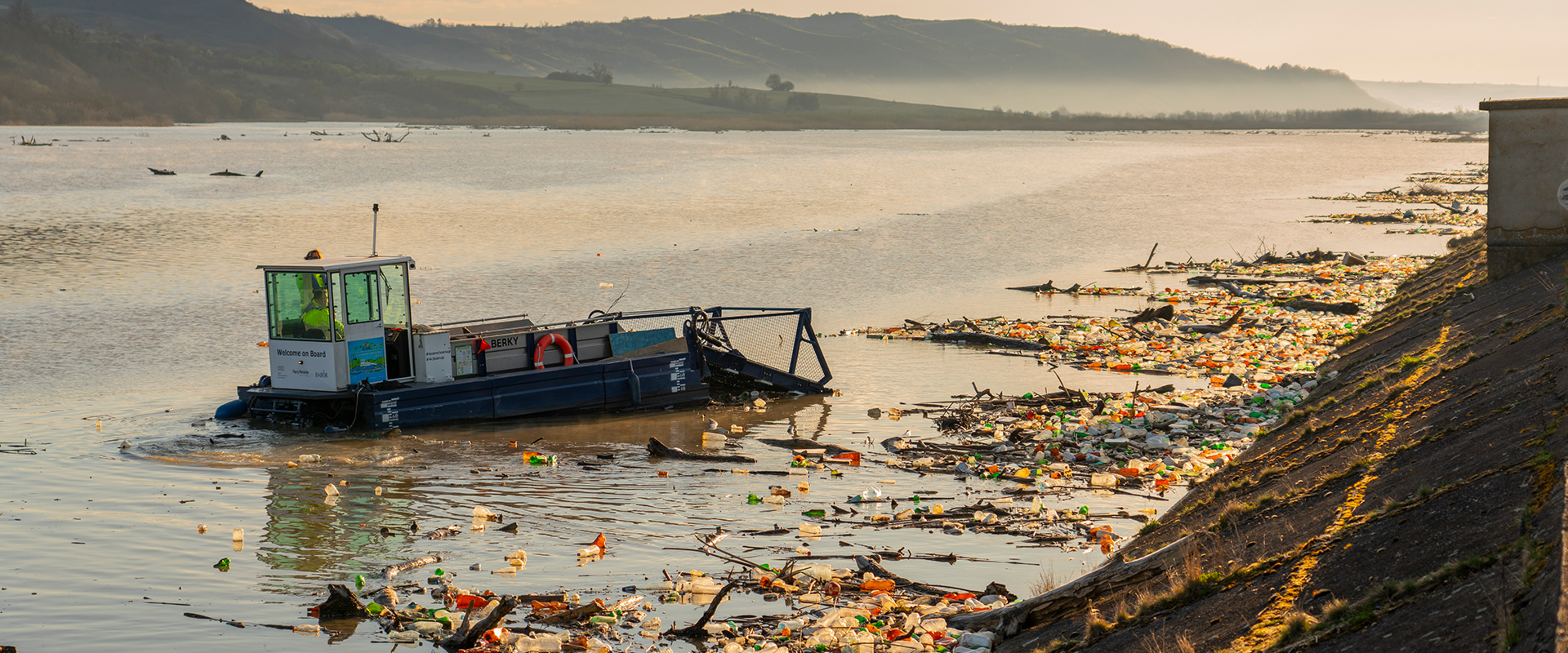
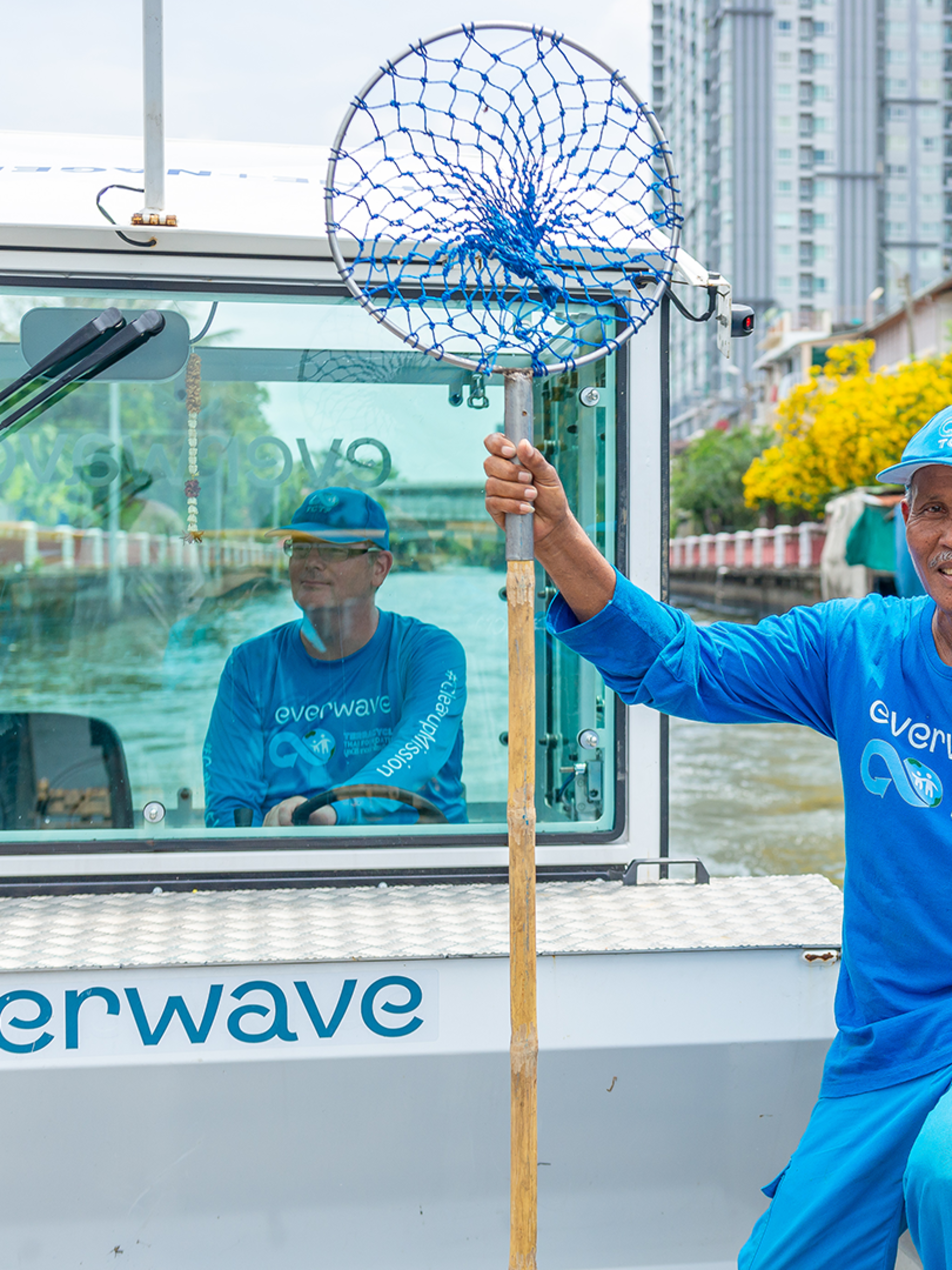
Taking on responsibility as a company isn’t always easy. But we have a duty to do so. And we want to. That’s why BLACKROLL has partnered with everwave, a company dedicated to combating pollution in rivers and oceans. Using boats, local staff, and artificial intelligence, everwave clears waterways of trash so it never reaches the oceans in the first place. We spoke with Clemens Feigl, one of the founders of everwave.
BLACKROLL®: Hi Clemens, what’s it like for you to be interviewed? You actually come from the media industry yourself and were a successful host.
Clemens Feigl: Well , for one thing, it’s really nice because now I get to talk about our own content—everwave’s content. And I stand behind it one hundred percent. I’d also say that my previous work as a journalist helps me contextualize the current state of environmental pollution and respond to certain questions. In short: It’s cool, and it’s fun.
BLACKROLL®: How did you end up hanging up your hosting career and founding everwave in the first place?
Clemens Feigl: I met and interviewed my co-founder, Marcella Hansch, while working as a host for the Ocean Film Tour. She was a guest speaker, and during that five-minute interview, she inspired me to take action for the oceans and their protection. As a passionate water sports enthusiast, it was also clear to me that we have a serious problem when it comes to trash in our waters and on our beaches. We then spent two years bootstrapping the project—that is, looking into the foundational research, considering what made the most sense, and figuring out where it could all lead. In 2018, we decided to start a company.
So, actually, it wasn’t a decision to step away from hosting, but rather a decision to move toward everwave and something that, in my view, is more meaningful. I’ve never experienced the level of satisfaction that my current work gives me. I’ve stood on stage in front of two and a half thousand people before—the applause, the spotlights, and all that—it can be addictive, but for me personally, this is on a whole new level.
We can be proud of every kilo we collect and pull out of the water. And we are.
BLACKROLL®: For everyone who doesn’t know yet, could youexplain exactly what Everwave is and what you do?
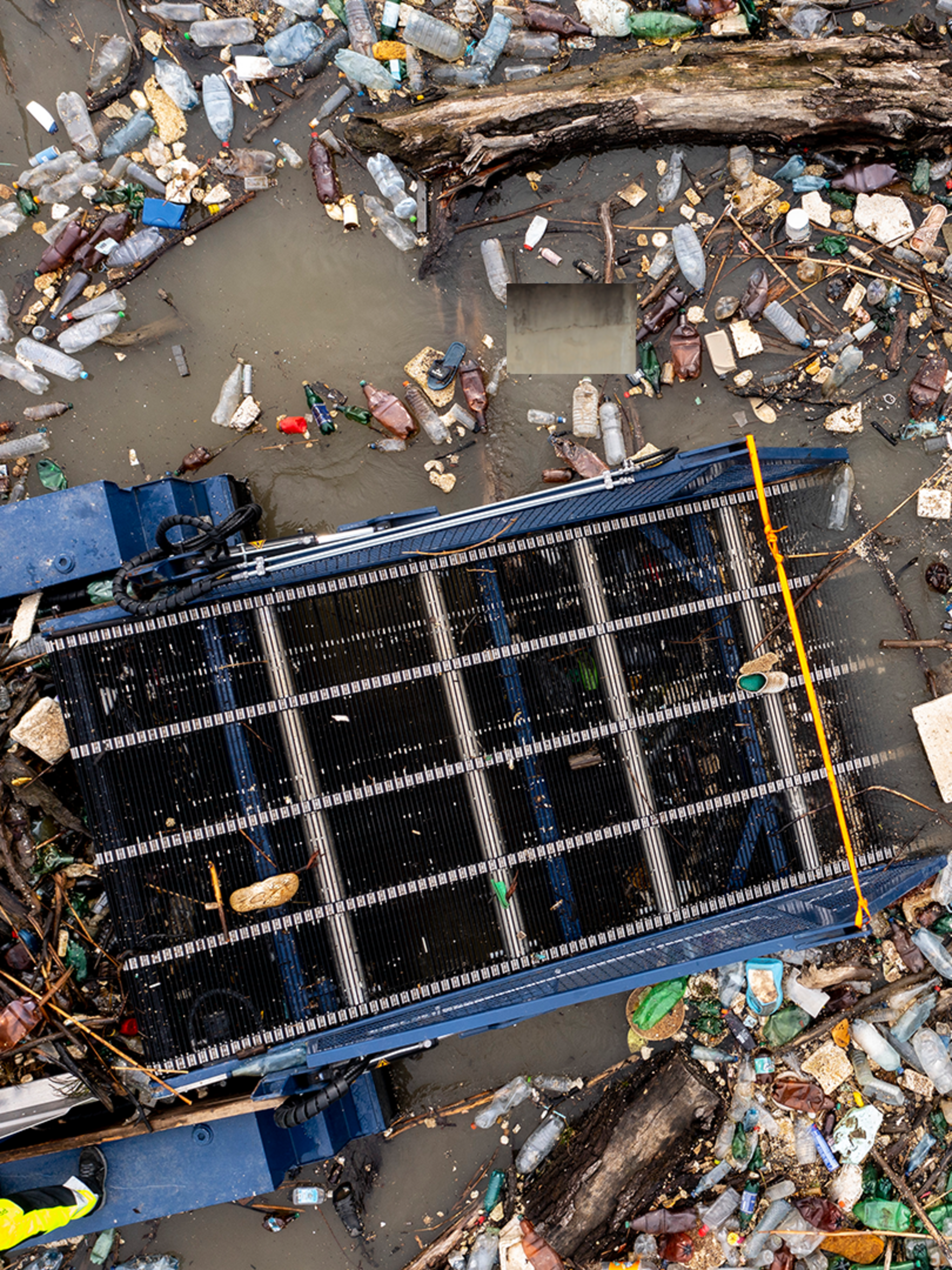
Clemens Feigl: Everwave’s vision is a responsible society for healthy oceans. This means that, as things stand, a huge amount of trash is being produced and is finding its way into the oceans through various channels—such as export or poor waste management systems—primarily via rivers. We’ve made it our mission to develop technologies along these rivers—that is, at strategically important locations—and to establish local recycling infrastructure to stop the flow of waste into the oceans.
BLACKROLL®: Why are you focusing on rivers? After all, the media usually reports on ocean pollution.
Clemens Feigl: Workingon the open ocean makes it difficult to access the waste, and processing the material is nearly impossible. It can no longer be recycled. Plus, the oceans are simply too far away from people. That means we wanted—and still want—to bring the challenge of environmental pollution to the forefront of society. And, of course, companies like BLACKROLL help with this by raising awareness of the issue through their large following and the values they stand for. We want to show that there are solutions. We’re successfully implementing this approach worldwide. We currently have three projects in Cambodia, Thailand, and Bosnia. A fourth project will launch in Albania in April. Every day, we collect more trash. That’s a great thing for us.
BLACKROLL®: Still , you’ll probably never run out of trash, right?
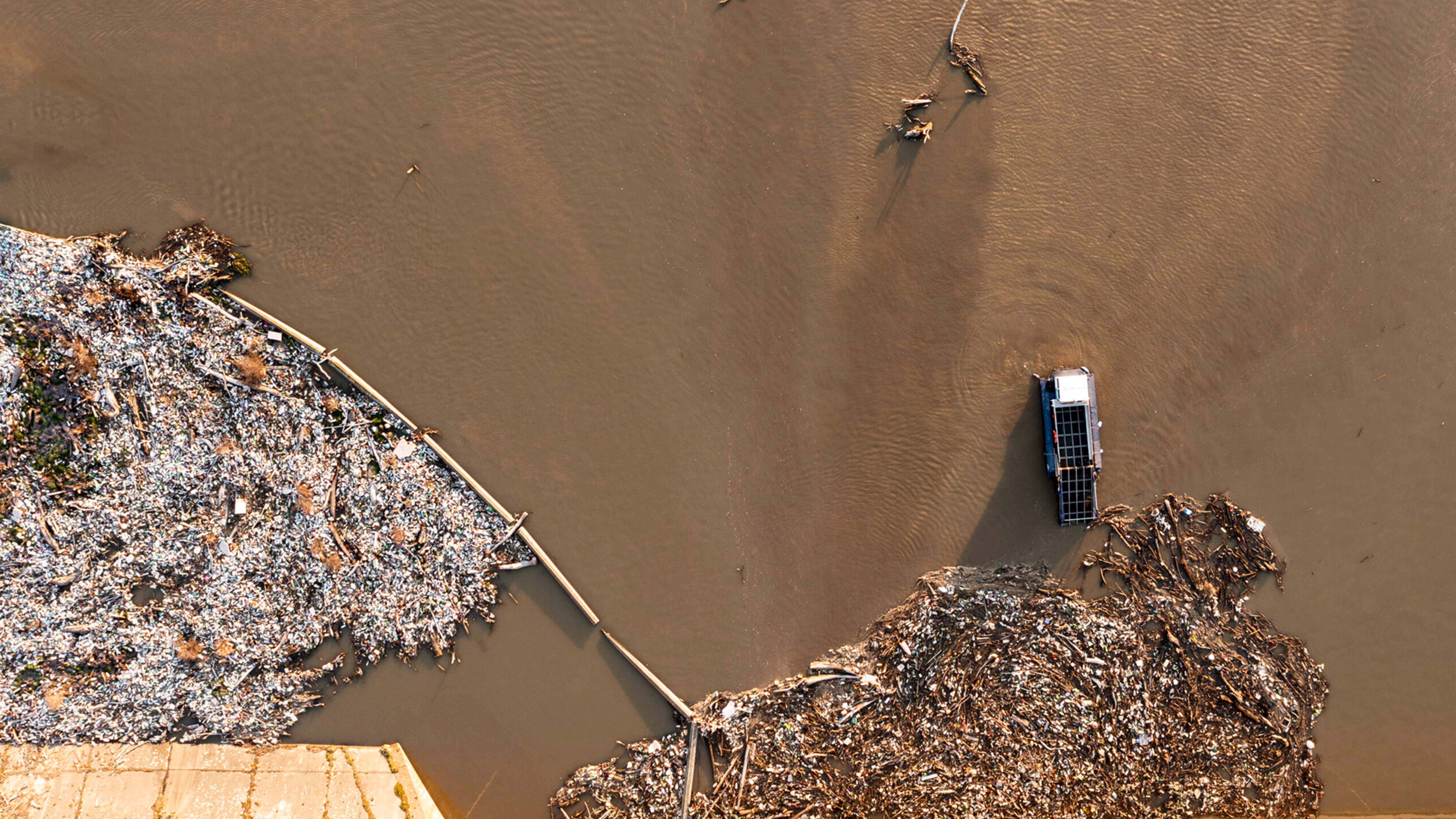
Clemens Feigl: No, we don’t see an end to this in the next 30 to 50 years. This is often due to structural problems. In many countries, it’s not the case that you put your trash out on the street and it gets picked up. On top of that, a large portion of our trash is exported to structurally weak regions, such as Malaysia. There, it ends up in both legal and illegal, unsecured landfills—and then back into the environment.
In other words, trash is similar to CO2—in principle, it knows no borders.
BLACKROLL®: In some cases, you can even trace the filtered-out trash back to its source. Do you have any specific examples of what that reveals?
Clemens Feigl: There are studies on who the world’s largest producers of plastic waste are. That’s no secret. Coca-Cola, Pepsi, Nestlé—those are the big players, and they know it. But we don’t work so much at the producer level as we do at the content level. Using drones and artificial intelligence, we assess the waste situation on the ground and can then say, for example, that we found 100,000 plastic bottles at a particular location. This helps us approach local stakeholders and say: Hey, how about a deposit-return system? How about a different trash bin setup? How about focusing on a specific region where there’s obviously a lot of waste or where many plastic bottles are ending up in the river? So it’s much more about creating a framework and not about pointing a finger at a company and saying, “Hey, you’re the bad guys.” But if companies recognize the problem, they might also be willing to get involved in a positive way. That’s the approach we’re taking, and it’s working quite well.
BLACKROLL®: How can companies get involved in a positive way?
Clemens Feigl: There are two ways to get involved with everwave. First, there are long-term partnerships that can then be incorporated into CSR reports or the upcoming ESG reporting requirements, in which waste will play an important role. In the future, companies will be forced to take action. And that’s where we want to offer solutions that companies can rely on. The second initiative, which we’re also implementing with BLACKROLL, is waste collection through so-called Plastic Credits, which companies can purchase from us. For one euro, we collect and process one kilogram of waste through our projects. The purchase of Plastic Credits can be linked to product sales, special campaigns within the company, or the company’s own waste footprint. The more companies that participate, the more waste we can collect.
BLACKROLL®: As an individual, I can’t directly purchase Plastic Credits. Is there still something I can do in connection with everwave?
Clemens Feigl: Sure —first of all, follow our channels. That really helps us raise awareness about this issue. Right now, many companies are talking almost exclusively about CO2, but with issues like biodiversity loss and plastic waste in the environment, there are so many topics that need more visibility.
In our own little world, these are the many day-to-day decisions we make at the supermarket, at the train station, and while shopping.
On a small scale, the impact is very limited, but when you add it all up, it really does make a difference.
For example, when I go to the bakery, I bring my own cloth bag or my reusable coffee-to-go cup. It’s not rocket science—I can do all of that.
For example, on the weekends—it’s called “plogging”—I can lace up my running shoes, grab a trash bag, and pick up trash while I jog. I do a few squats while picking things up, so I’ve not only exercised but also done something for the environment.
Another very important point is the purchasing decisions we make. Because there are still far too many very, very bad products out there—bad for us as people and bad for the environment. Chips come to mind as an example. In most cases, chip packaging isn’t recyclable because it’s made of mixed plastics.
BLACKROLL®: Are you fundamentally against plastic and synthetic materials?
Clemens Feigl: Of course, plastics also have many applications that are very useful—or for which there are currently no alternatives. For example, in medicine or food safety. BLACKROLL products are also made primarily from plastic, but a roll like that lasts 20 years; it’s not a disposable product and can be recycled afterward.
Our Products. Our Criteria.

BLACKROLL®: Okay , back to the issue of waste. Unfortunately, you won’t be running out of it anytime soon—the real problem is that you lack the funds to collect and recycle it. How do you ensure that for every euro a company spends, one kilogram of waste is actually collected, sorted, and recycled?
Clemens Feigl: At everwave,we have maximum transparency throughout our entire supply chain. That’s what sets us apart from other providers. We sell the product and collect it ourselves through our projects. If I call Cambodia right now, I’ll get exact information on where waste was collected today.
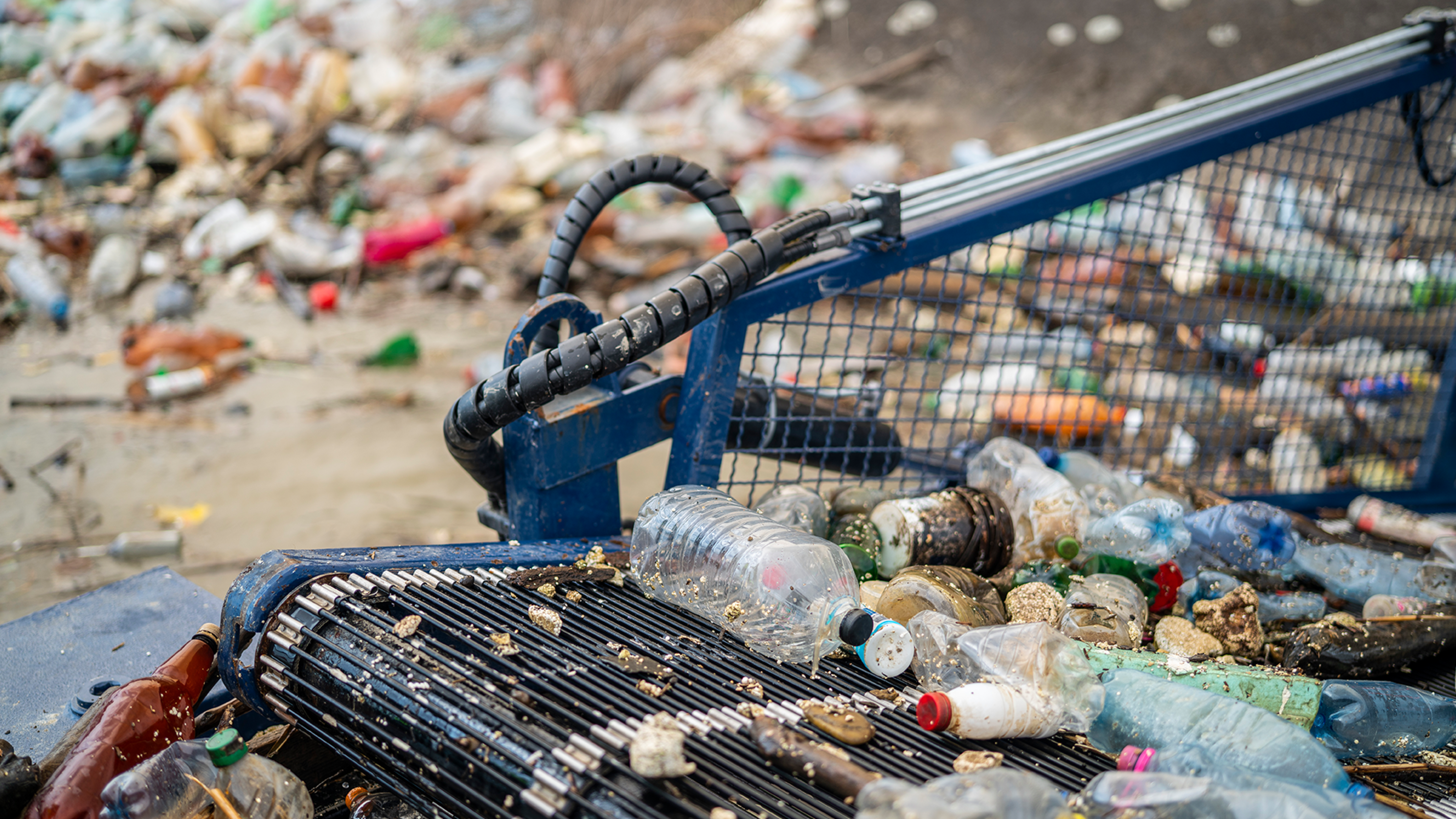
Second, data analysis—specifically artificial intelligence—helps us verify how many bottles or what materials we’re collecting. And the most important factor is the weighing slips we receive on-site. That means our boats collect the waste and deliver it to shore. Then we transport it to our sorting facility. This is where the first weighing takes place; the data is recorded, then the waste is dried, the second weighing takes place, the waste is sorted, and then directed into the various streams. It is weighed a second time. All these steps are documented, and in the final step, we receive proof from an external service provider—that is, the recycler or the incineration plant—of exactly how much weight was actually incinerated. This means we have multiple measuring stations where we can check for irregularities. And: We don’t inspect the measuring stations ourselves; instead, they are inspected by a third-party provider—a company in Berlin that has developed an algorithm capable of detecting data discrepancies and alerting us if necessary.
BLACKROLL®: And what happens if there’s more trash in a river or reservoir than was funded? Do you then shut down the machines and walk away from the project?
Clemens Feigl: No , we don’t stop. As long as we can afford it, we’ll keep collecting. Last year, we collected more than we sold, and that’s always been our approach. We didn’t found everwave to make as much money as possible, but of course we have to cover our costs—otherwise we won’t be around in a few years. Our top priority, however, is always collecting trash, and then we hope we’ll sell enough.
BLACKROLL®: Dear Clemens, thank you very much for giving us a glimpse into the exciting work at everwave. We’re thrilled to be on board.