Shoulder Exercises
The Best Exercises for Healthy Shoulders
Time
- 17 minutes
- 7 exercises
The Best Exercises for Your Shoulders
Do you want flexible, healthy, and pain-free shoulders? Then you’ve come to the right place. Our Master Trainer Stefan shows you here in our exercise routine how to keep your shoulders healthy and fit.
These are the most effective exercises for healthy shoulders—check them out and get started right away:
Shoulder Anatomy and Function
The shoulder is one of the most mobile, yet also one of the most complex, joints in the human body. It allows us an enormous range of motion, but due to its structure, it’s also prone to injury. The shoulder’s main function is to move the arm in various directions—whether to the side, forward, backward, or overhead. To perform these movements safely and stably, bones, muscles, tendons, and ligaments work together in coordination.
Bones:
The shoulder consists of three main bones:
- The shoulder blade (scapula): It forms the base for many important muscles and has a flat articular surface that comes into contact with the head of the humerus.
- The humerus: The upper part of the humerus forms the rounded head that fits into the flat joint socket of the scapula.
- The collarbone (clavicle): It connects the shoulder to the chest and serves as a stabilizer for the joint.
Joints:
The shoulder comprises several joints that work together to enable movement:
- The shoulder joint ( glenohumeral joint): It is a ball-and-socket joint in which the head of the humerus fits into the flat glenoid cavity of the scapula. It offers the greatest range of motion of any joint in the human body, but is also relatively unstable and therefore particularly prone to injury.
- The acromioclavicularjoint : It connects the collarbone to the shoulder blade and contributes to the stability of the shoulder.
- The sternoclavicular joint: It connects the clavicle to the sternum and supports shoulder movement. Strictly speaking, this is not a true joint, as it lacks essential features such as articular cartilage. From a functional perspective, however, it is considered an accessory joint of the shoulder joint.
Muscles:
The stability and mobility of the shoulder are largely ensured by the muscles. The most important muscle groups are:
- The rotator cuff: This consists of four muscles (supraspinatus, infraspinatus, teres minor, and subscapularis) that stabilize the shoulder joint. They are crucial for flexion, abduction, internal rotation, and external rotation of the arm, as well as for stabilizing the humeral head within the glenoid cavity.
- The deltoid muscle (Deltoideus): It surrounds the shoulder and is the largest muscle in the shoulder region. It enables the arm to be raised in various directions and gives the shoulder its characteristic shape.
- The trapezius muscle (Musculus trapezius): It extends across the neck and upper back and stabilizes the scapula while also supporting movements of the shoulder girdle.
Tendons and ligaments:
- Tendons connect muscles to bones and are responsible for transmitting the force required for shoulder movement. The tendons of the rotator cuff are particularly susceptible to overuse and injury.
- Ligaments stabilize the joints by connecting bones to one another. In the shoulder, the ligaments surrounding the glenohumeral joint provide additional stability without restricting mobility.
Function:
Thanks to this complex structure, the shoulder can perform movements in all directions:
- Flexion and extension: Forward and backward movements of the arm.
- Abduction and adduction: Lifting and lowering the arm to the sides.
- Horizontal adduction & abduction
- Rotation: Turning the arm inward (internal rotation) and outward (external rotation).
The function of the shoulder depends heavily on the smooth interaction of all these structures. If any one of these components is compromised—whether due to injury, overuse, or muscle tension—it can restrict mobility and lead to pain. Targeted training to strengthen and mobilize the shoulder muscles is therefore recommended to keep this complex structure healthy and functional.
Warm-up Exercises for the Shoulders
Before you begin your workout or athletic activities, it’s important to warm up your shoulders properly. The shoulder joint is very mobile but also prone to injury, which is why a targeted warm-up can help prevent injuries. Simple mobilization and activation exercises increase blood flow to the muscles and improve joint flexibility. A well-prepared shoulder joint is more resilient and ensures better performance during training.
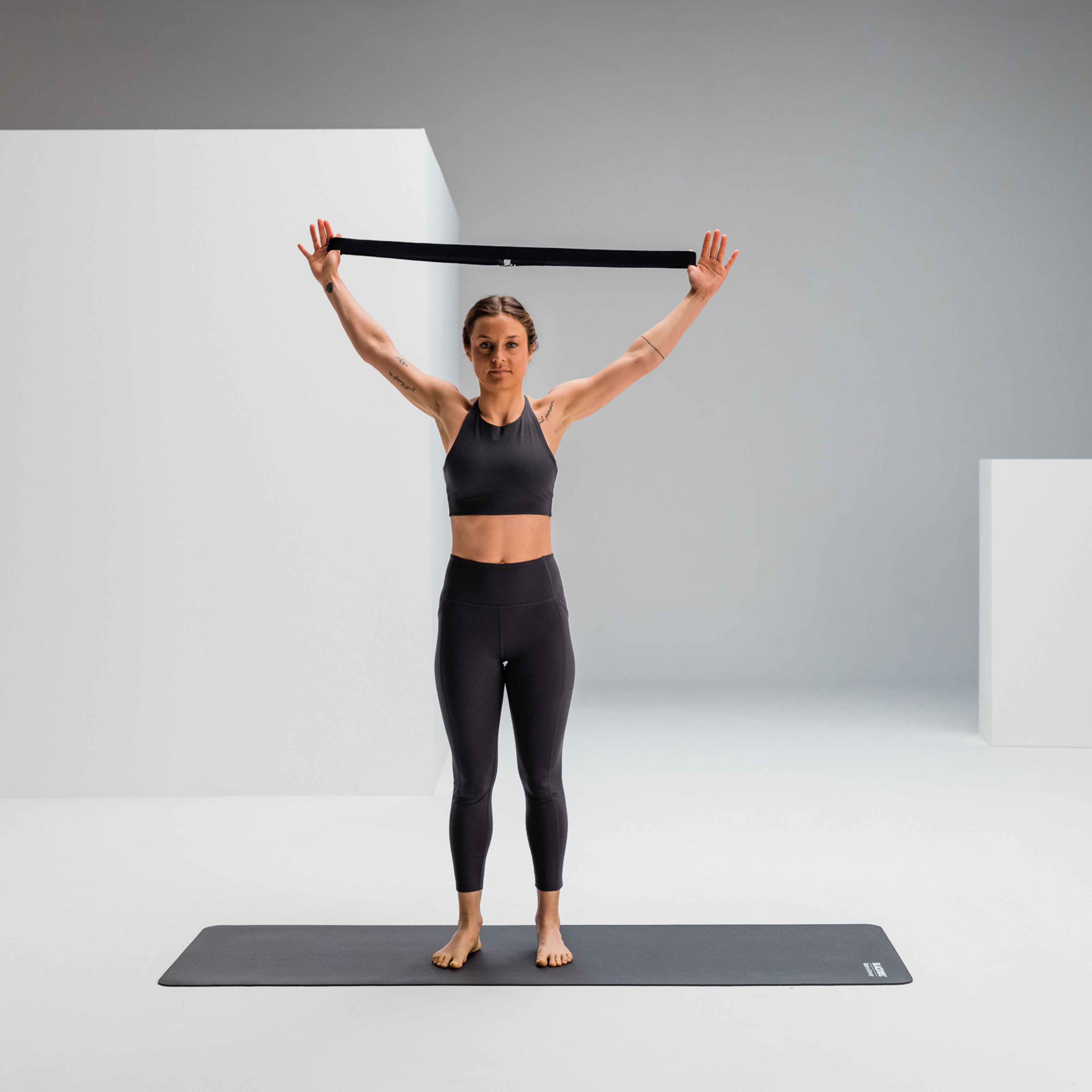
Shoulder Circuit
Stand with your feet hip-width apart. Grab a band in front of your chest. Bring your hands back over your head toward your back. Keep your spine stable. Return to the starting position.
The closer together you grip the band, the more difficult the exercise becomes.
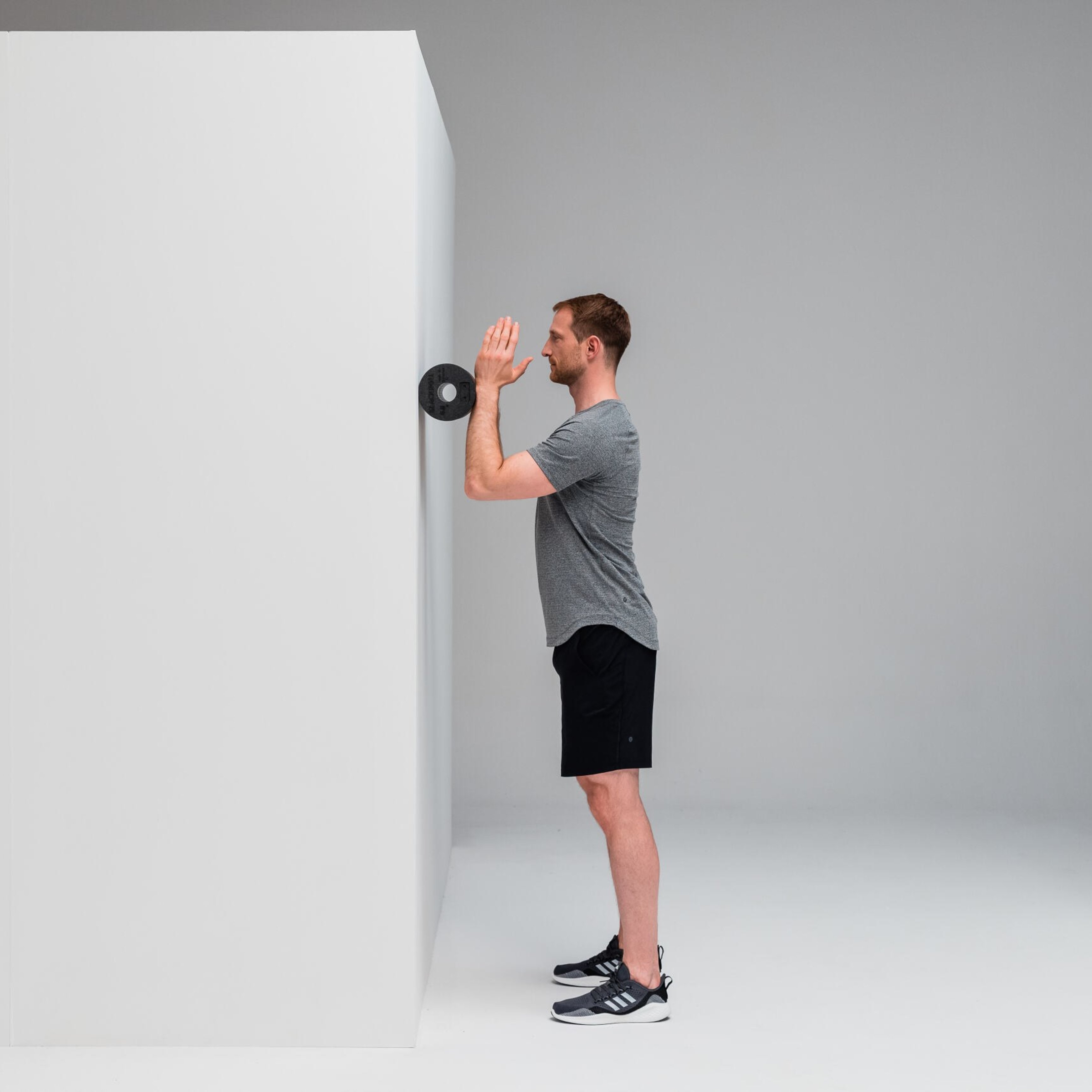
Scapula Push
Start in an upright stance facing a wall. Place the BLACKROLL at neck height. Secure it with your wrists. Apply pressure with your forearms. Let your shoulder blades slide forward as a result. Push the BLACKROLL upwardwhile maintaining the pressure.
Keep your core engaged and your torso straight throughout the entire movement. The movement is generated exclusively from your shoulders and shoulder blades.
Lateral Raise
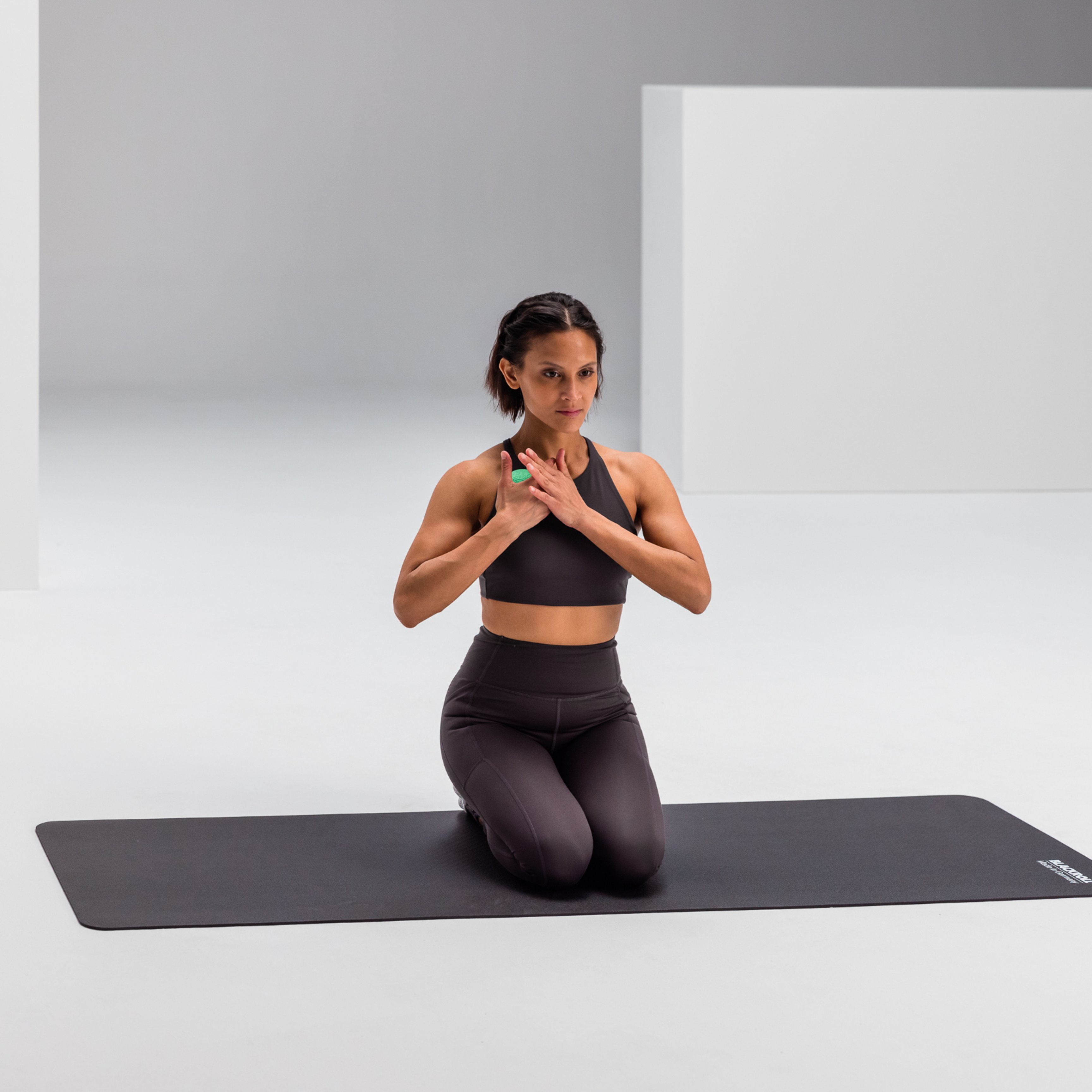
Activating the Chest Muscles
Sit upright. Place the BALL 08 on your chest muscles. Move the ball quickly in circular motions across your chest muscles. You can vary the pressure as desired.
If you are a woman, make sure to roll the ball only over the muscle tissue and avoid the mammary glands.
Mobilization Exercises for the Shoulder
Mobilization exercises are important for maintaining and improving shoulder mobility. Especially with sedentary activities or repetitive movement patterns, the shoulders tend to stiffen and lose their full range of motion. Targeted mobilization exercises gently move the joints, which relieves tension and stimulates the production of synovial fluid. This not only promotes flexibility but also optimally prepares the shoulder for further strain, whether in daily life, during sports, or in training.
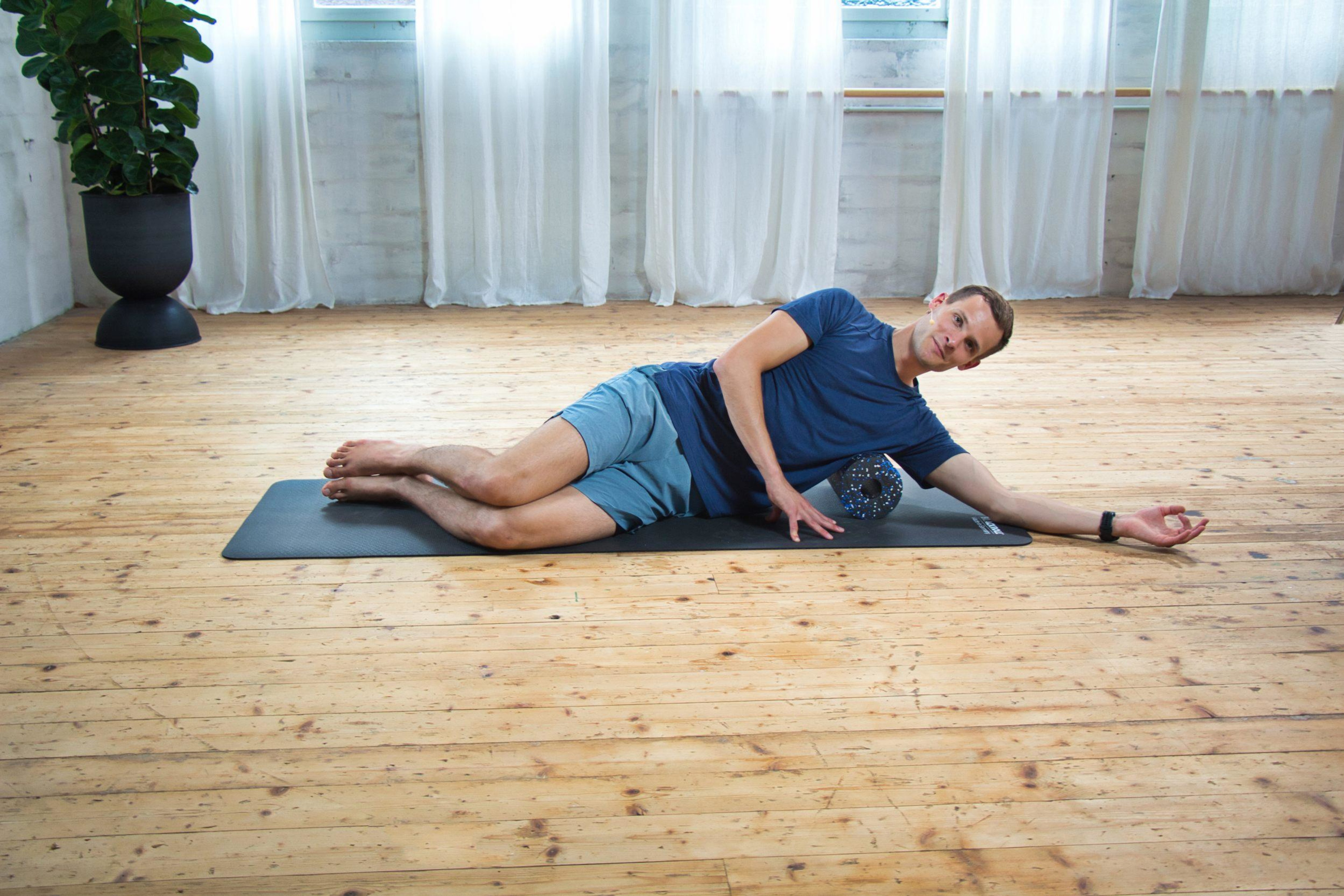
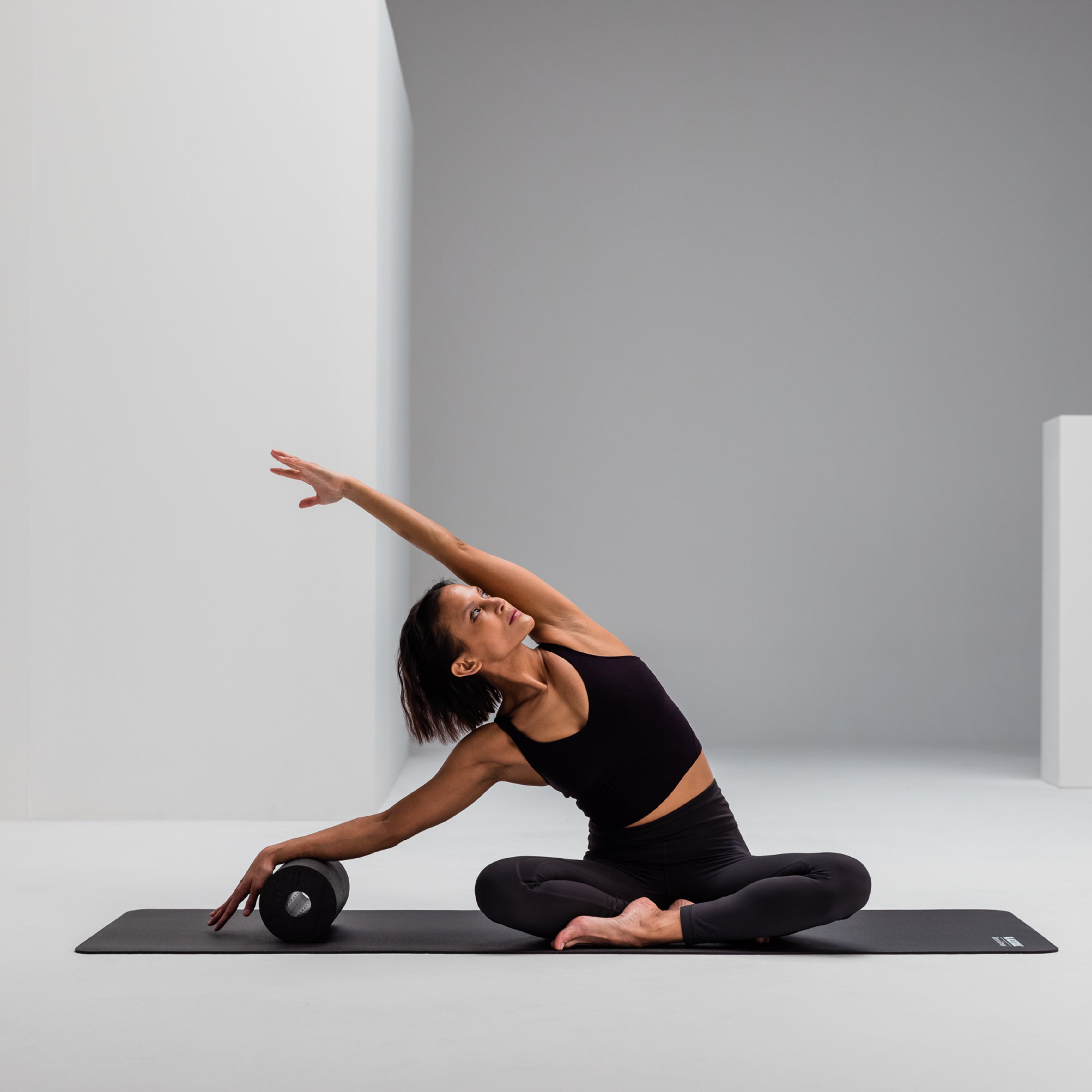
Spinal Mobilization
Start in a cross-legged position. Place the BLACKROLL to your right. Place your right hand on the roll. Extend your left arm over your head while leaning your upper body to the right. Hold this position before switching sides.
Your upper body should only perform a lateral bend during this exercise. Be careful not to tilt forward or backward.
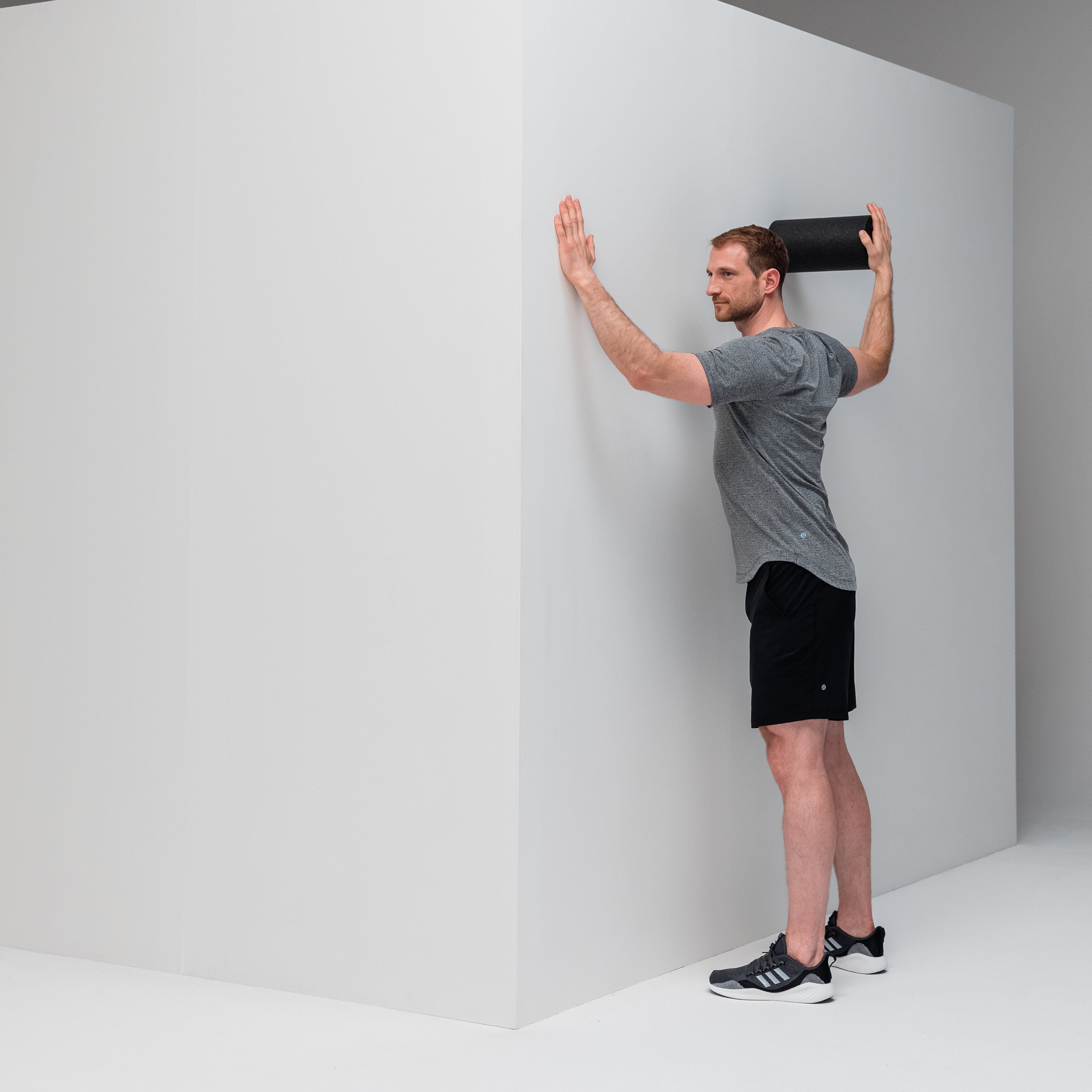
Wall Pectoralis Stretch
Wall Angel
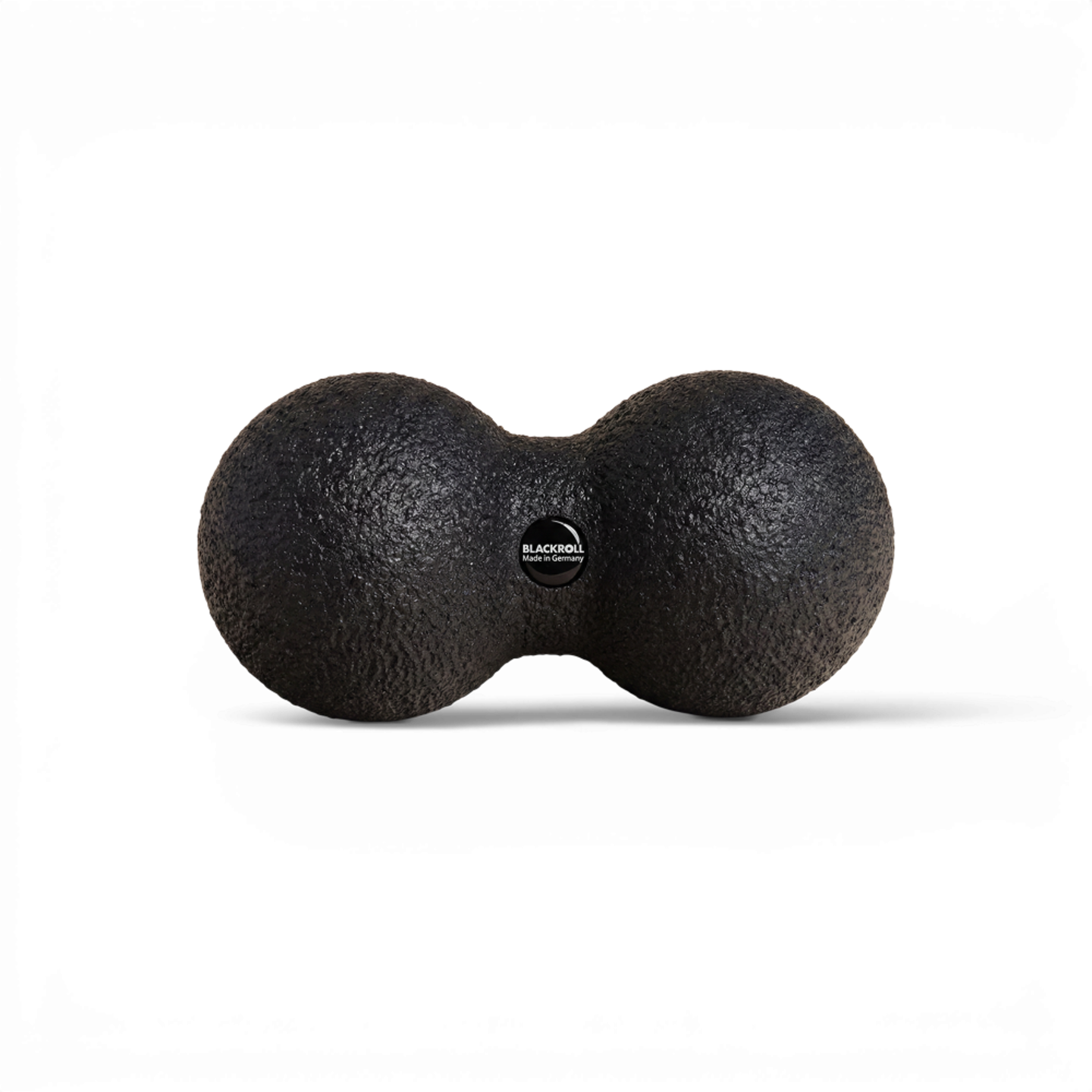
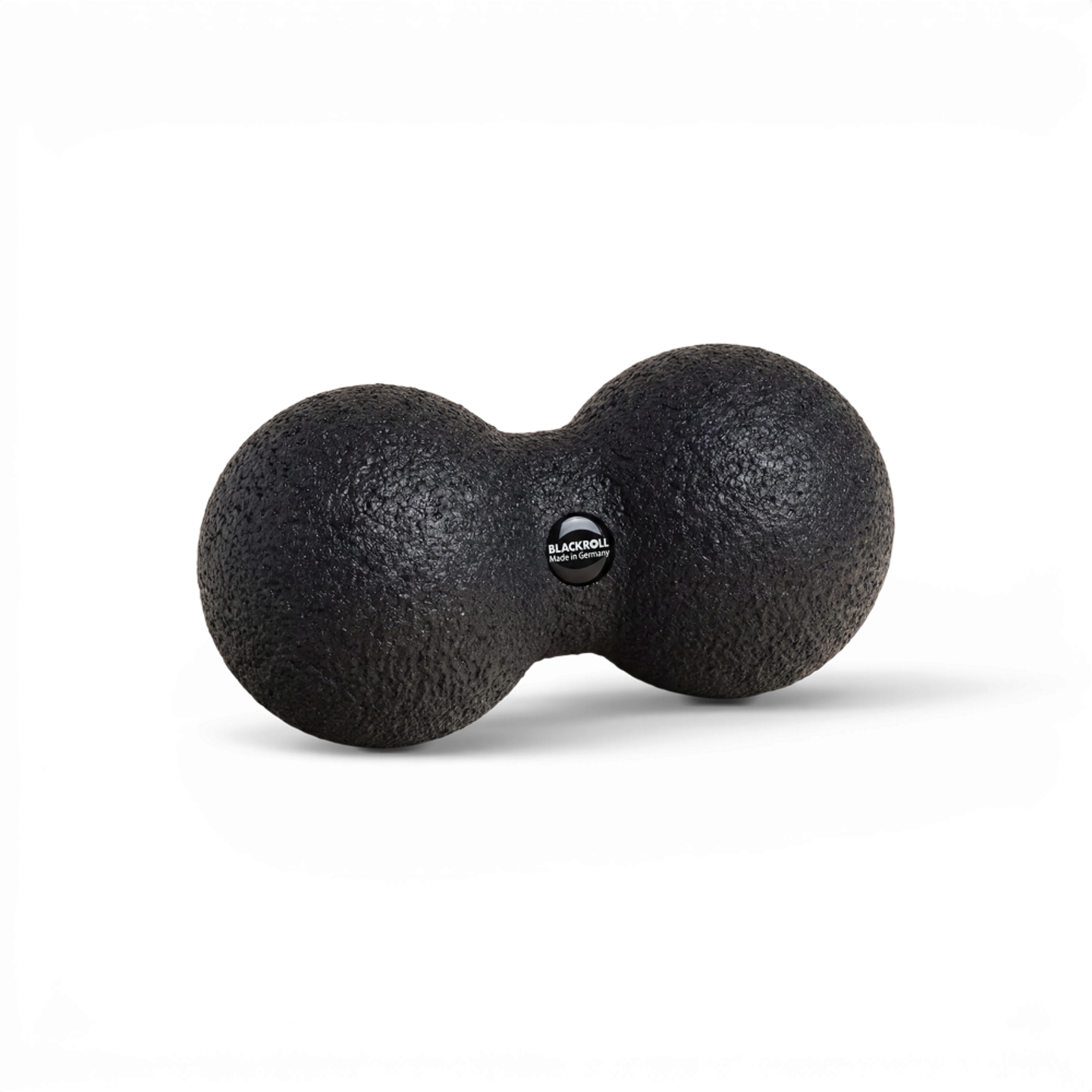
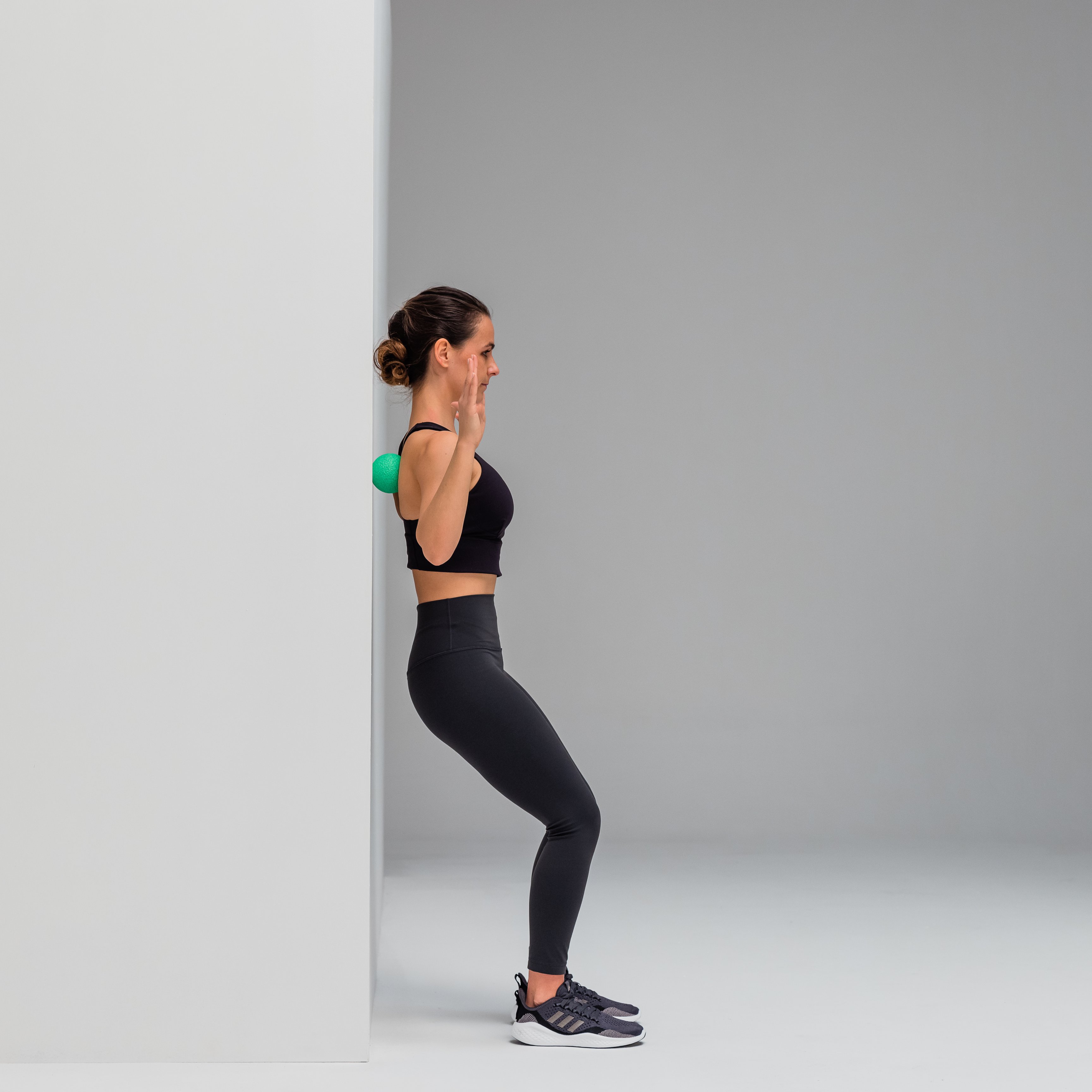
Clampthe DUOBALL between your back and the wall. Slide your arms up and down along the wall.
Shoulder Stretch
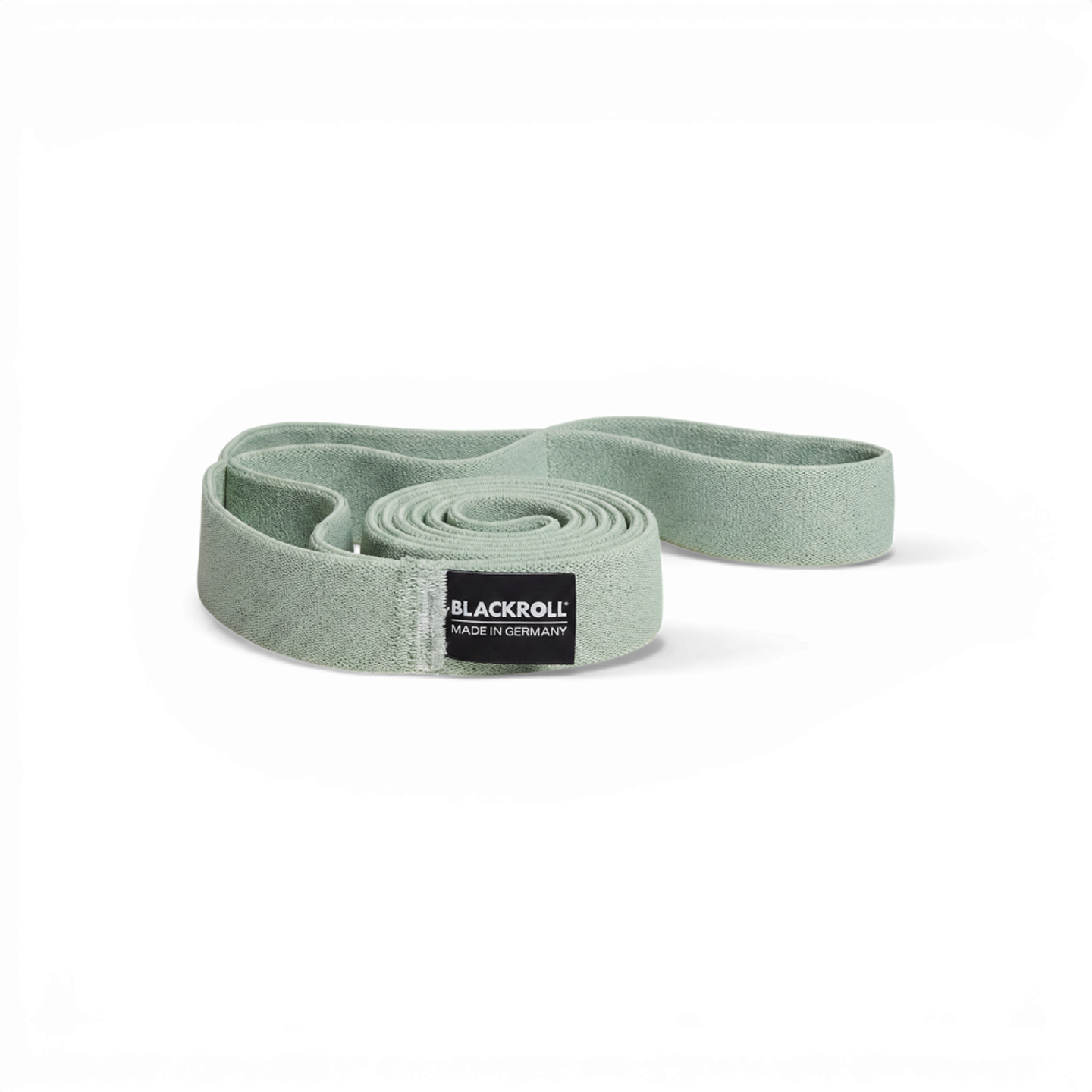
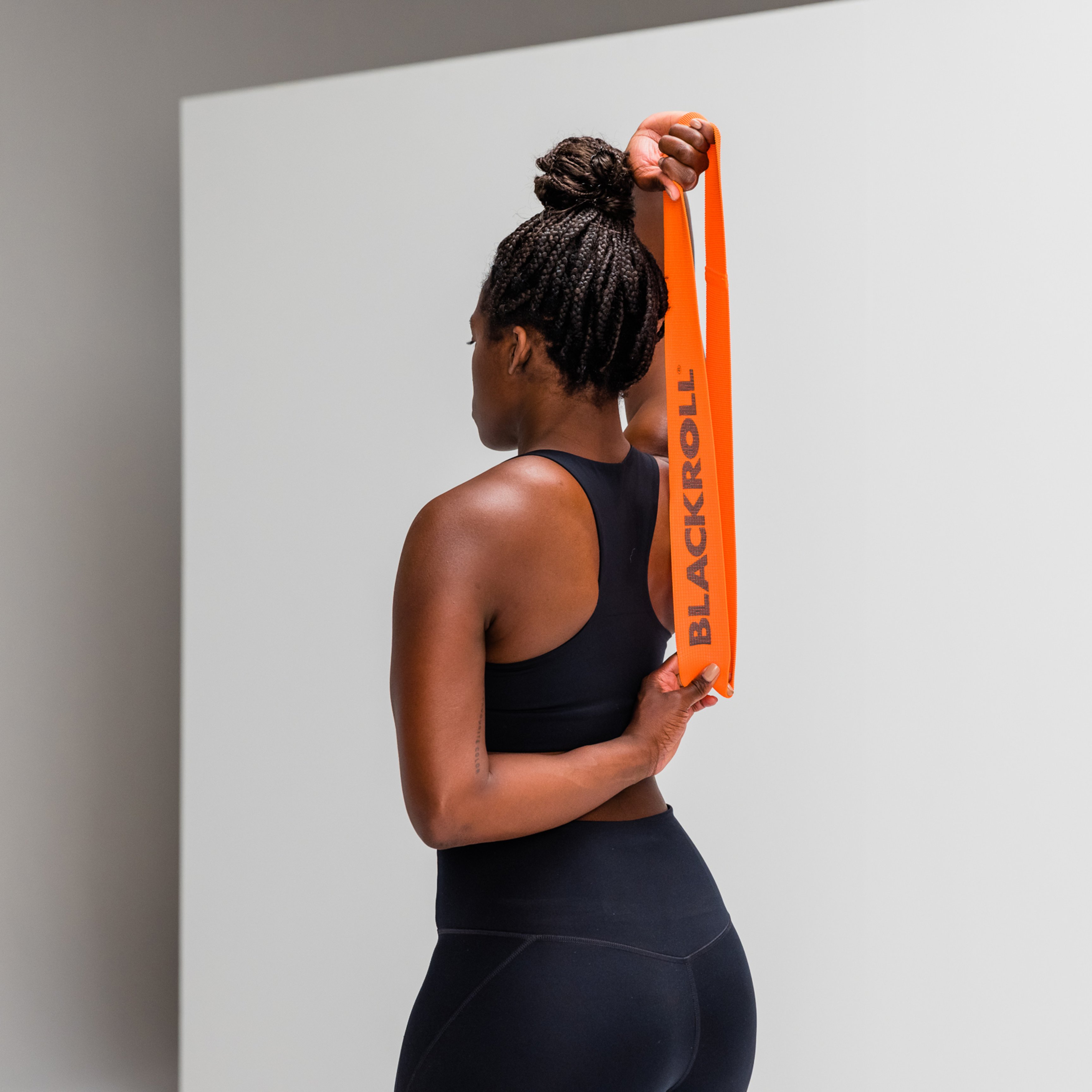
Start in an upright standing position. Grasp the LOOP BAND withboth hands. Raise your right arm in external rotation above your head. Bring your left arm in internal rotation behind your lower back. Pull your right arm upward to increase the stretch on the left side.
To increase mobility, incorporate rotational movements on the side being stretched.
Starfish Back Bend
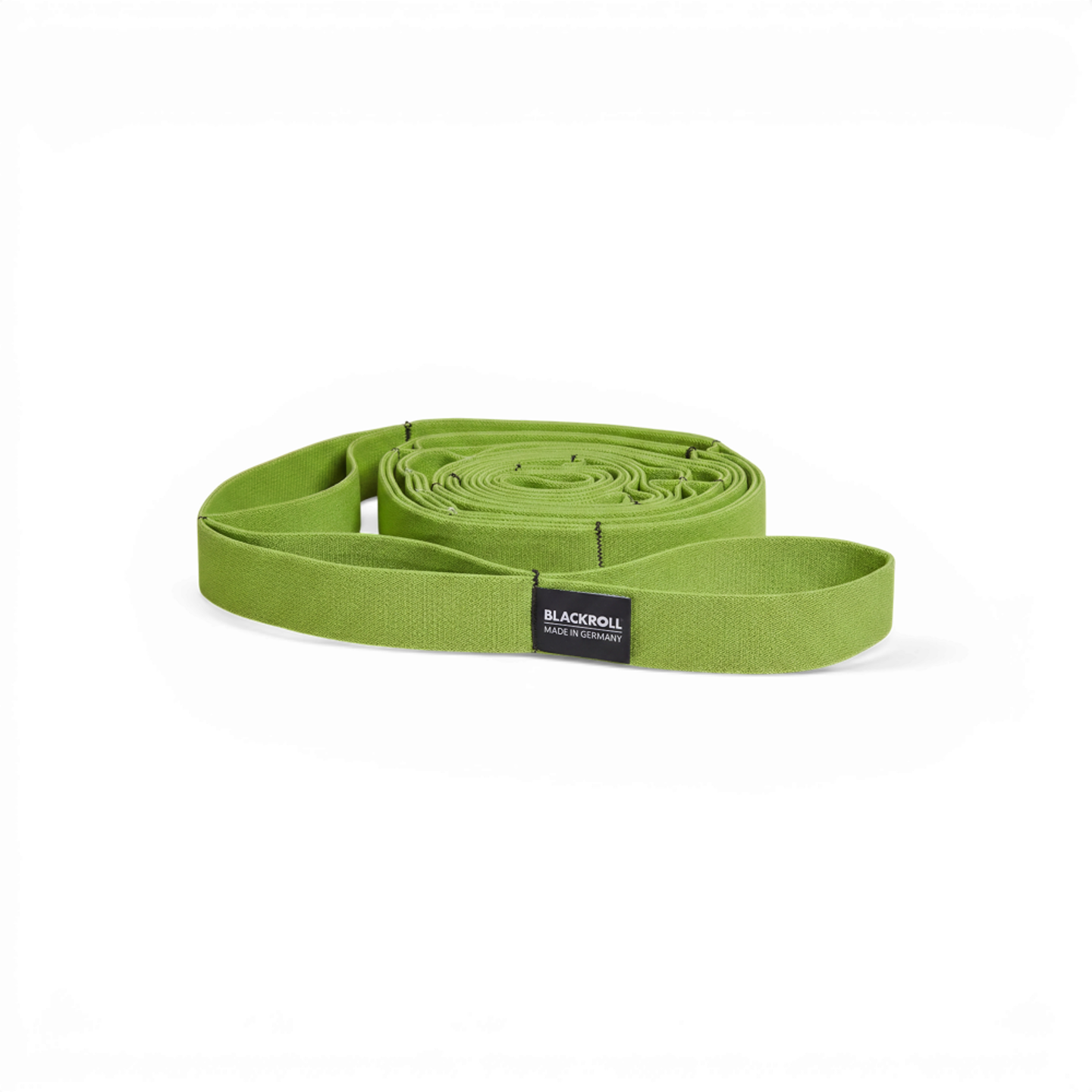
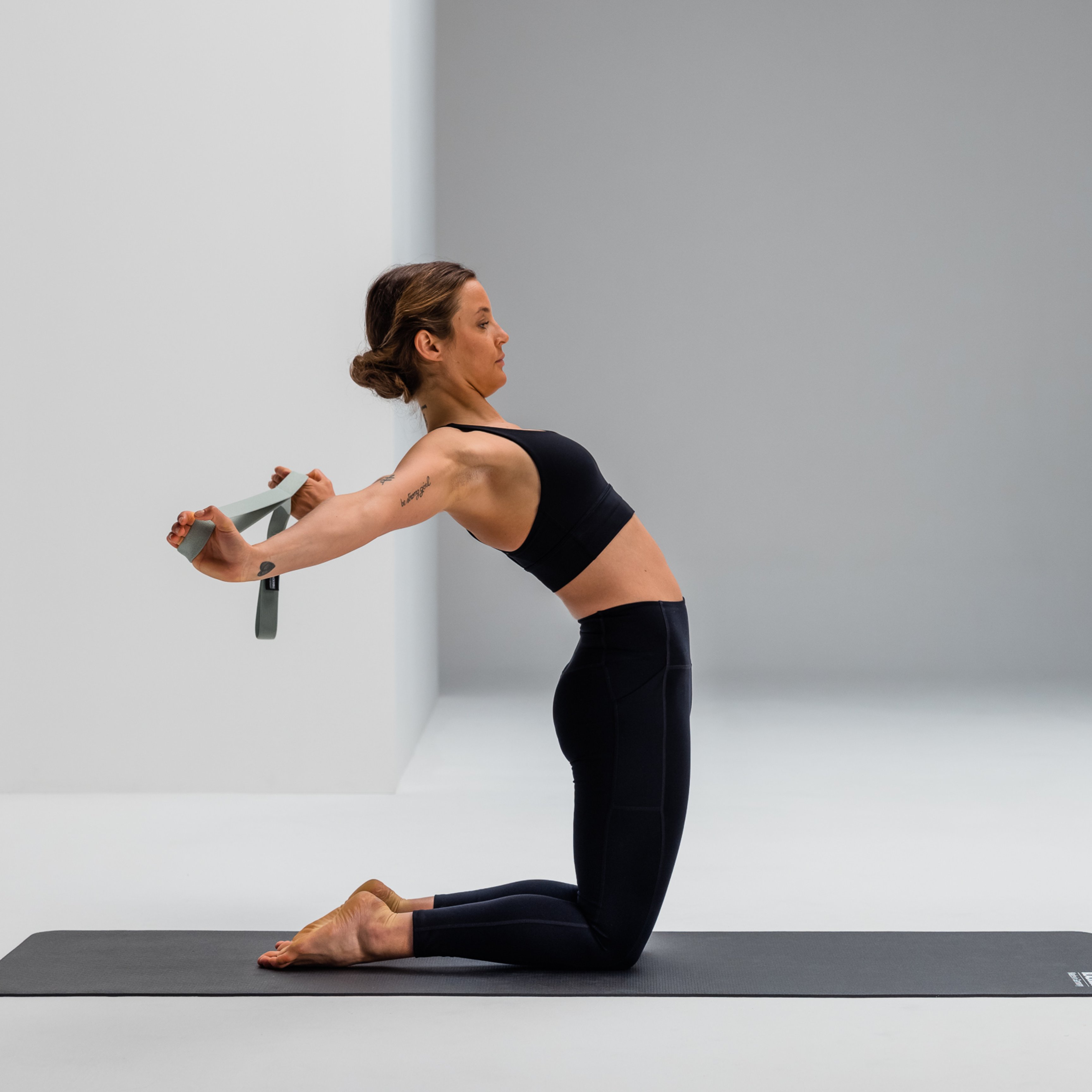
Stand upright. Grasp the STRETCH BAND with your fingertips. Extend your arms and move the band backward over your head. Push your hips forward and your upper body backward. Lift your sternum. Bring your chin to your chest. Hold the position.
Never push past your pain threshold!
Exercises for Shoulder Stabilization
Shoulder stabilization is particularly important for protecting the sensitive shoulder joint from overexertion and injury. Since the shoulder is a highly mobile but also unstable joint, the surrounding muscles and tendons play a crucial role in stabilizing it. Targeted strengthening exercises strengthen the rotator cuff and the entire shoulder musculature, making the shoulder more robust and improving its function in daily life and during sports. Stable shoulders help prevent injuries and promote better posture.
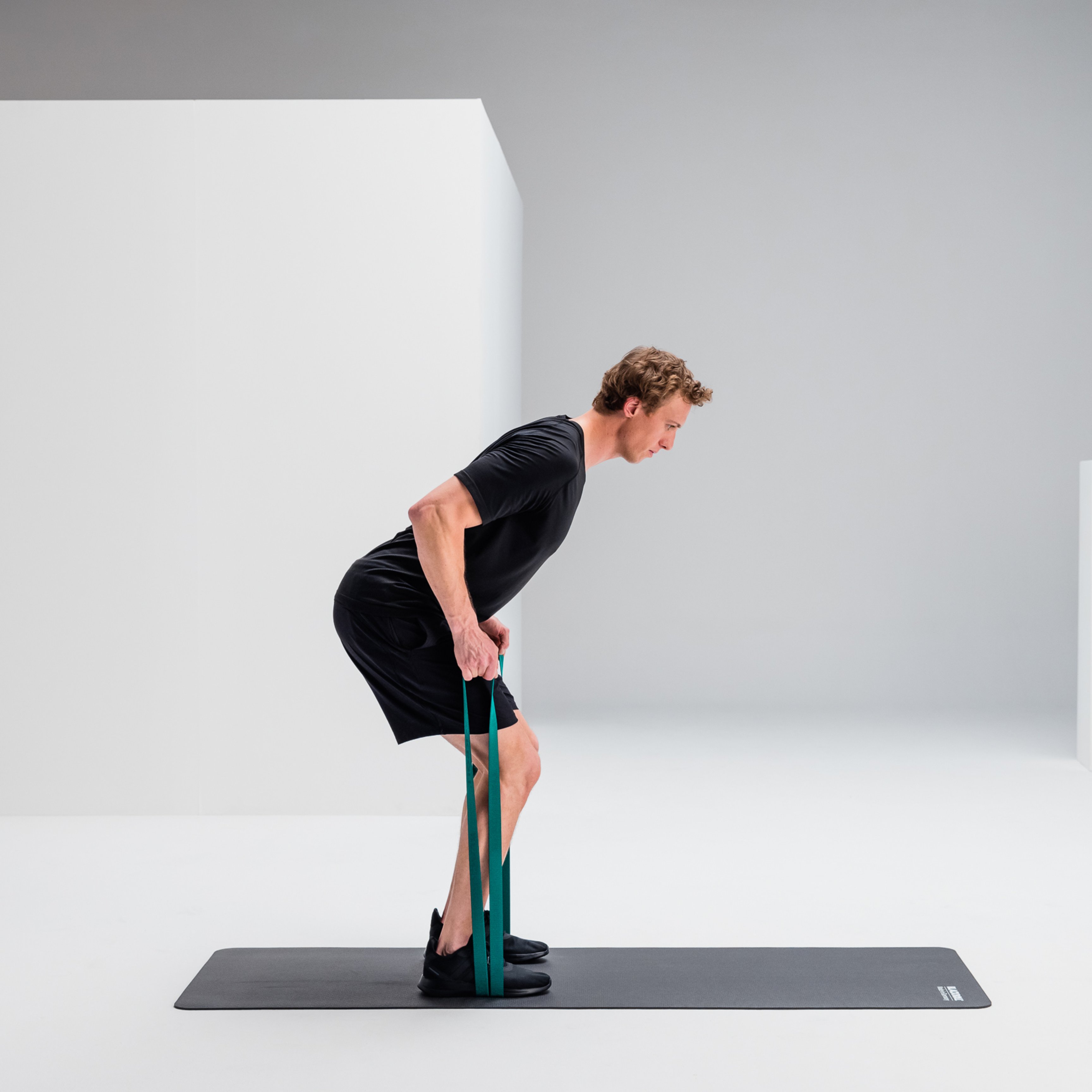
Forward-Bent Rowing
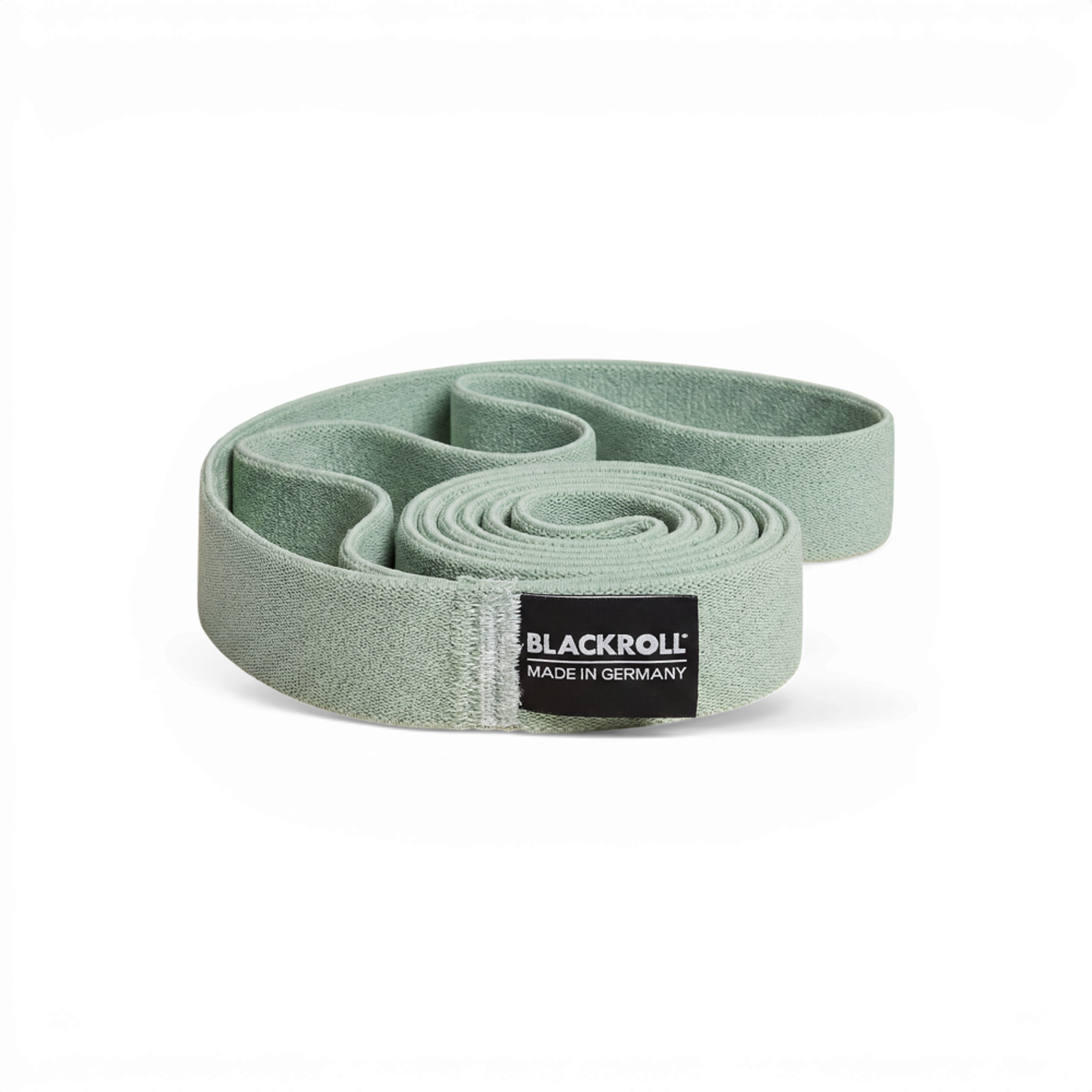
Stand in the center of a SUPER BAND. Bend forward with your back straight. Grasp the ends of the band. Pull it toward your body until it reaches belly height. Extend your arms back to the starting position.
Keep your elbows as close to your body as possible.
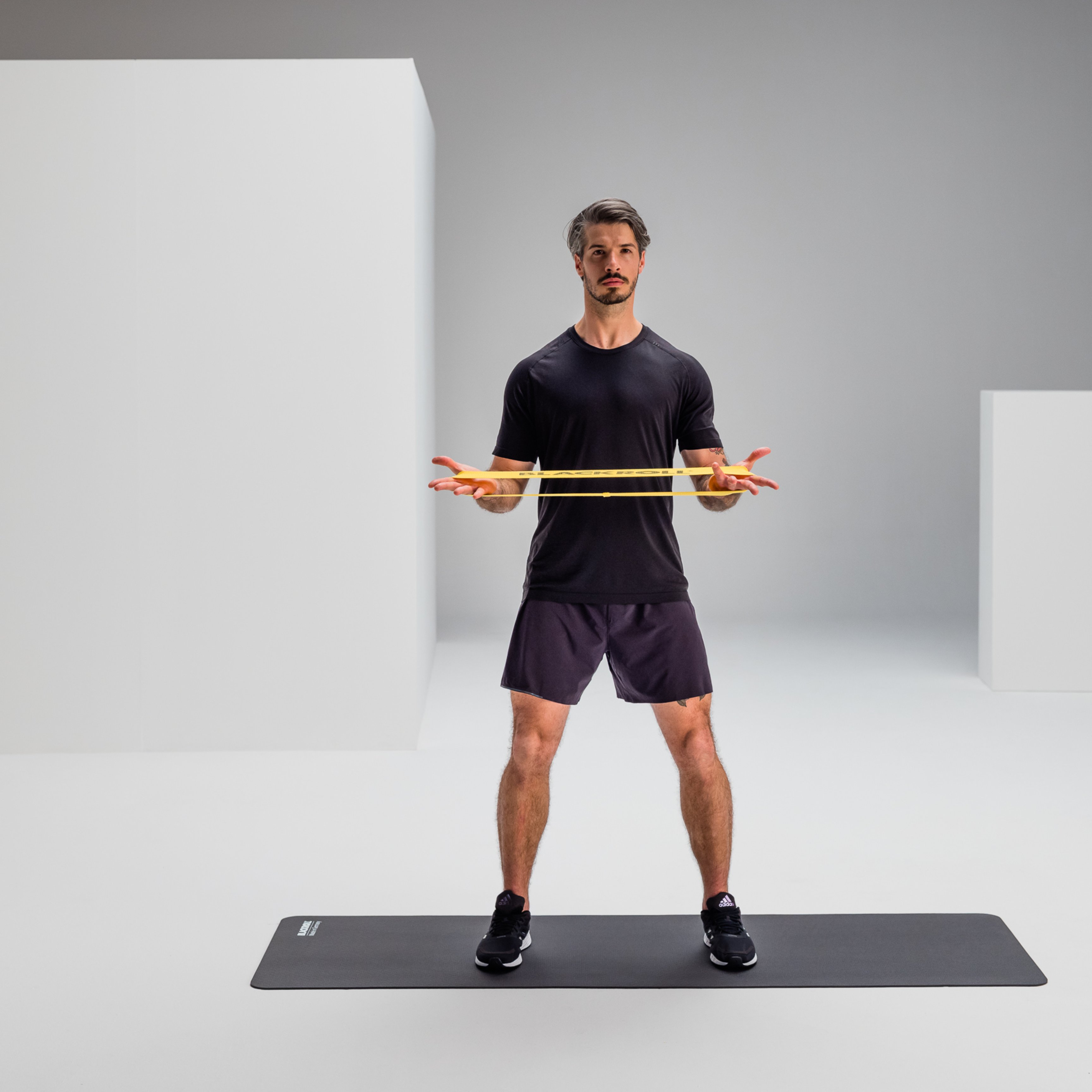
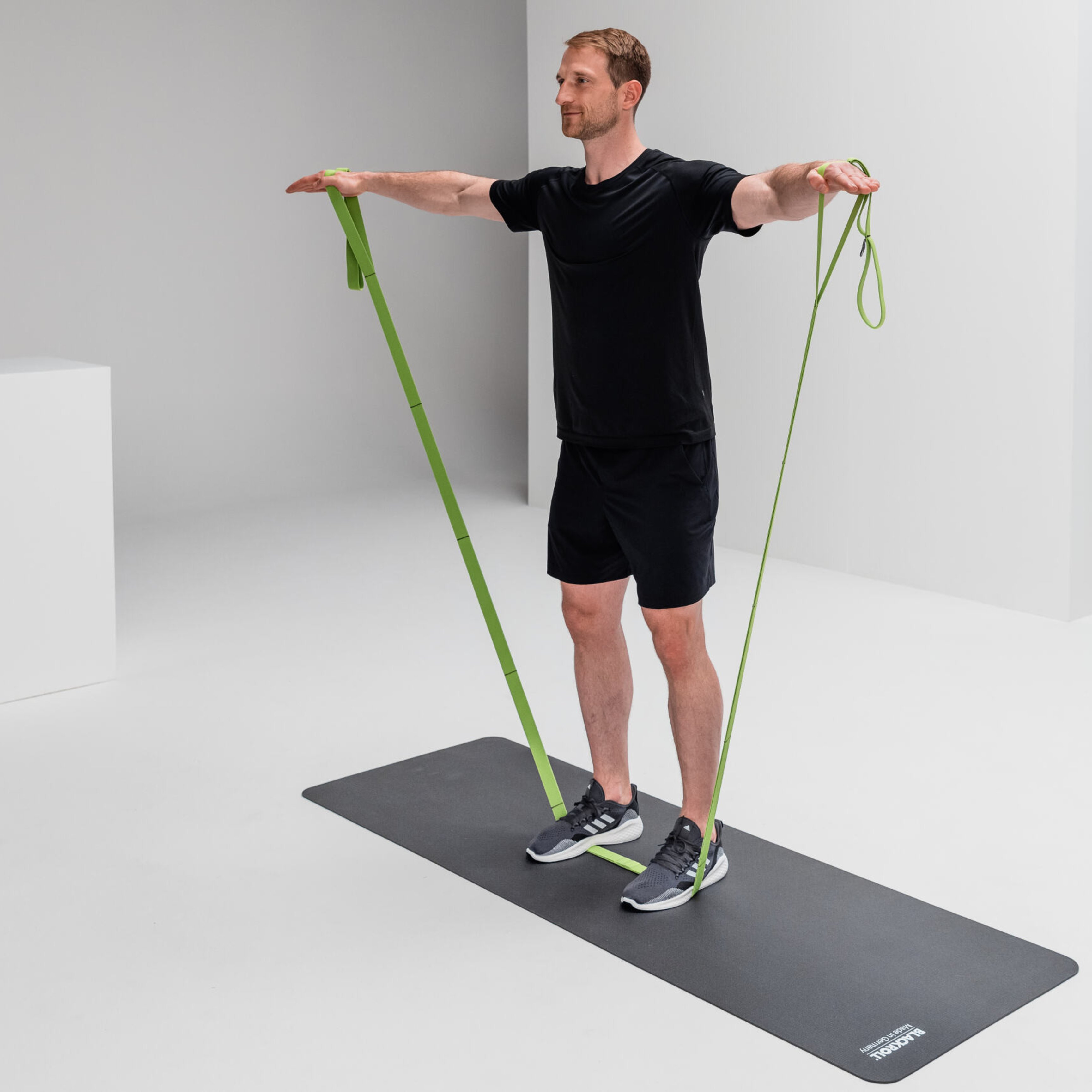
Lateral Raise
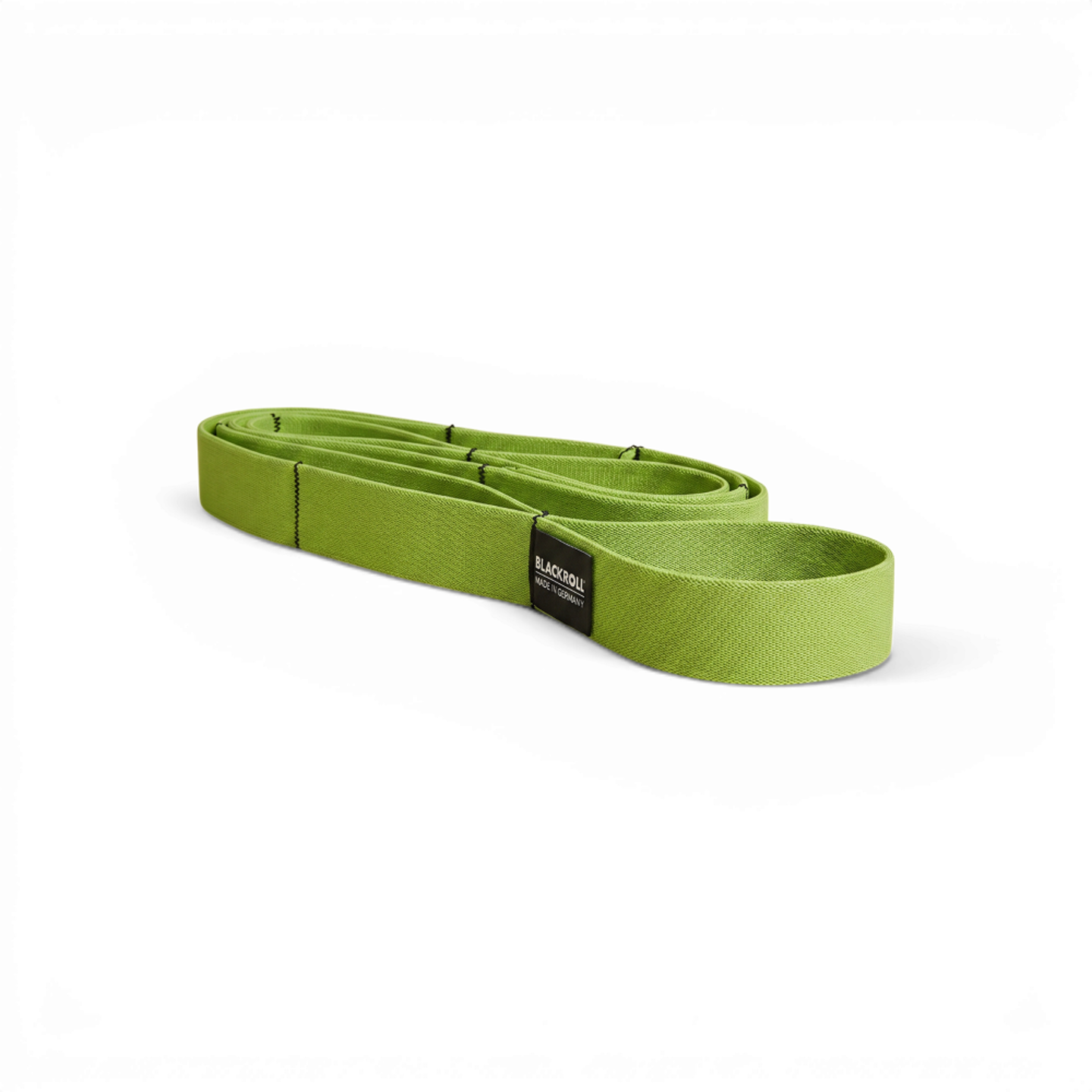
Stand in the center of the MULTI BAND. Grip the loops however you like. Raise your arms to shoulder height.
Keep your arms slightly bent throughout the exercise.
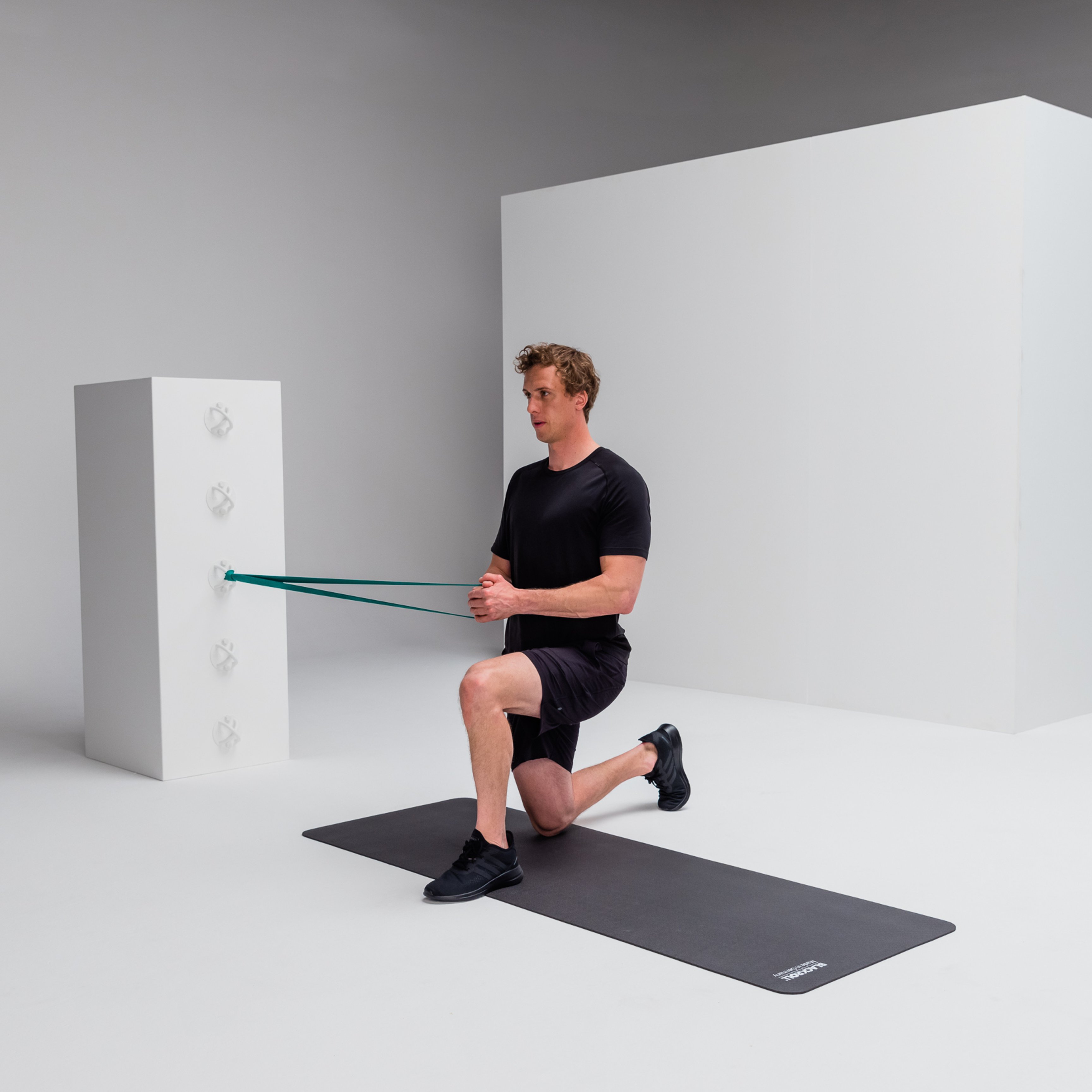
Pallof Press
Attach the SUPER BAND to an object at thigh height. Kneel in a side lunge position next to it. Grab the free end of the band. Move away from the anchor point so that the band is under tension. Push the band forward. Then return to the starting position.
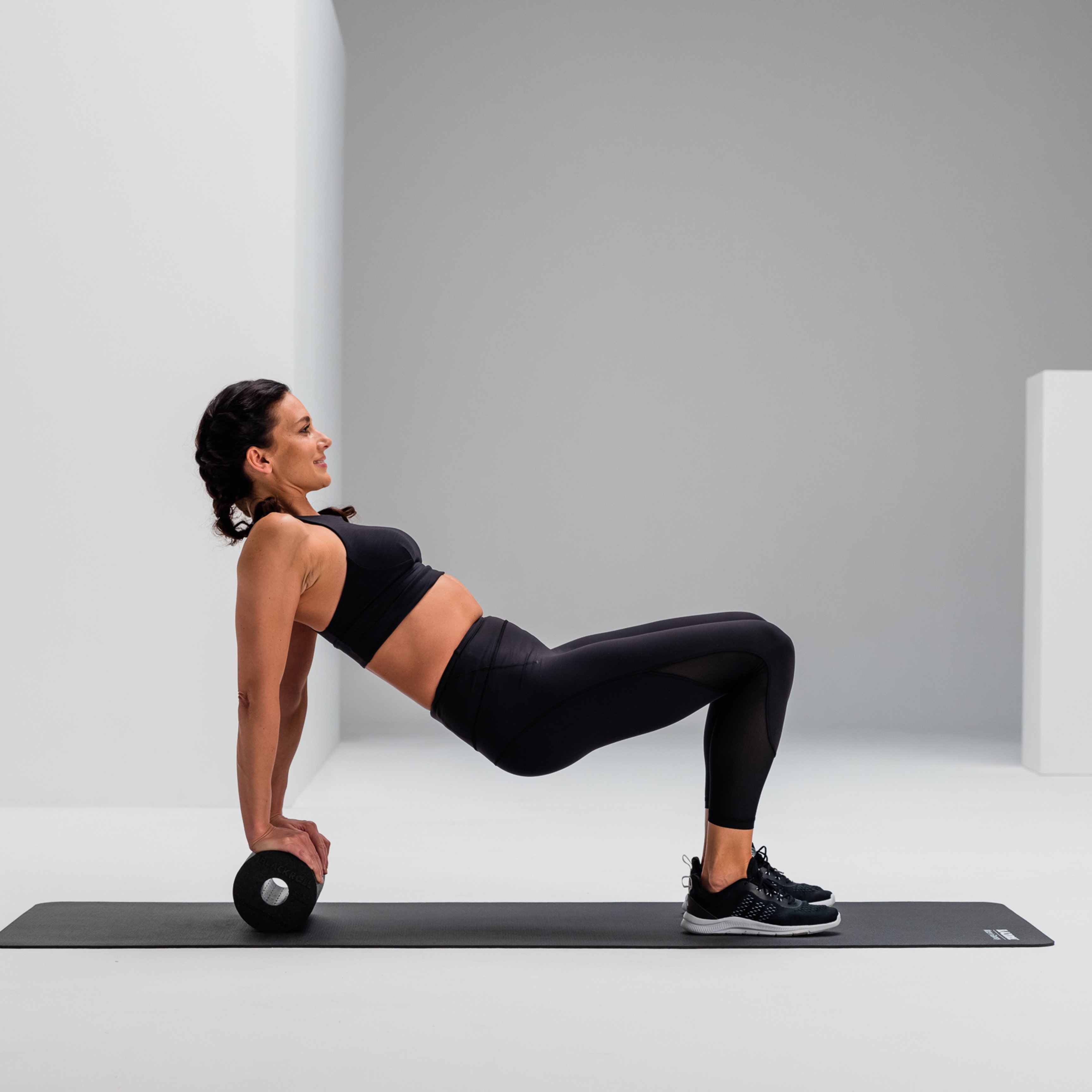
Dips
Start in a supine position on the bench with your hands on the BLACKROLL. Your feet should be directly under your knees and your hands directly under your shoulders. Bend your elbows to lower your upper body toward the floor. Push yourself back up to the starting position.
Make sure the movement comes from your upper arms. Your forearms should remain stable. Do not let your shoulders slump. Maintain tension.
Push-ups
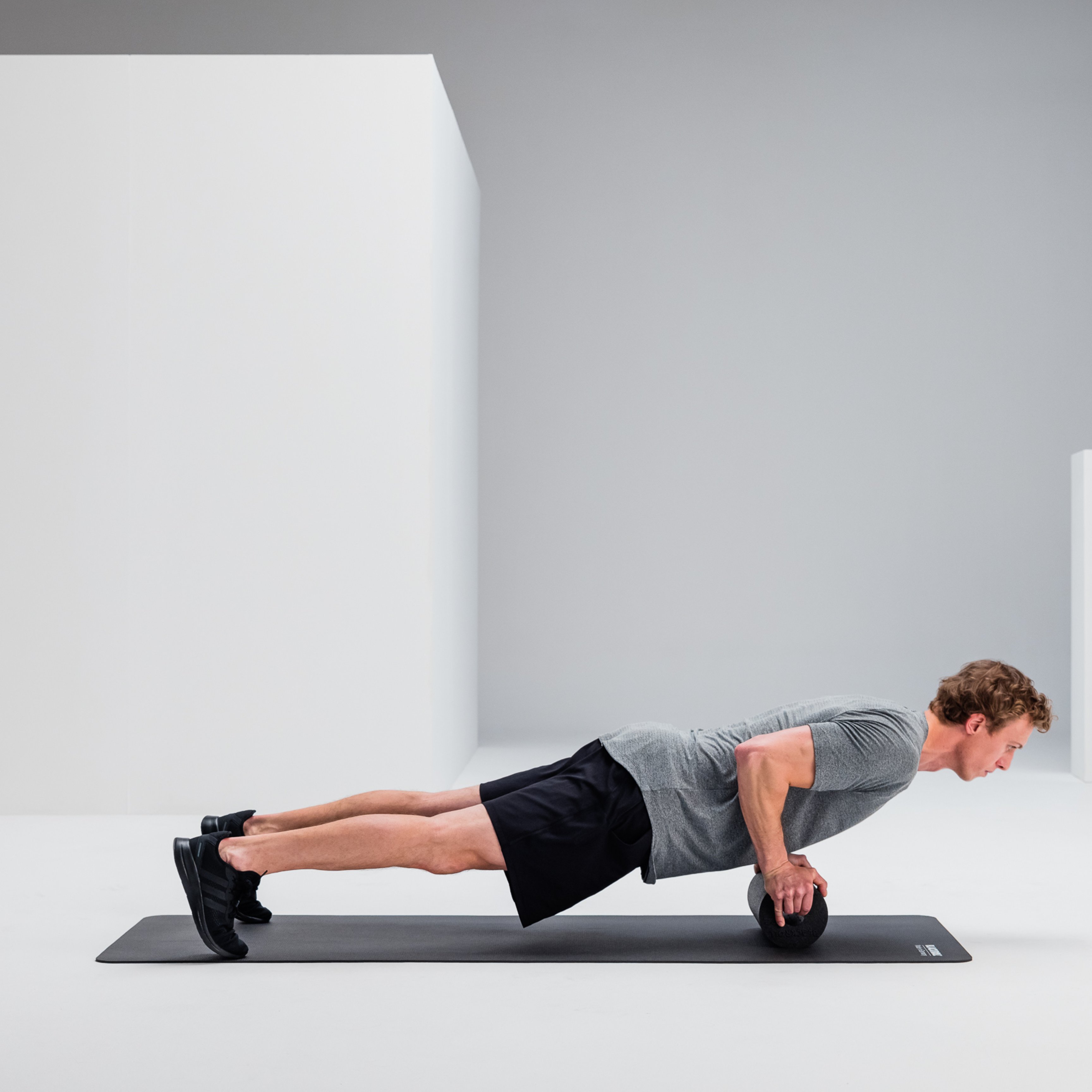
Start in a push-up position with your hands on the BLACKROLL. Keep your core engaged without letting your hips drop. Bend your elbows. Lower your upper body. Push yourself back to the starting position.
To reduce the difficulty, perform the exercise with your knees on the floor.
Tips for Avoiding Injuries
Due to its wide range of motion and complex anatomy, the shoulder is particularly prone to injury. Whether from sports, physical labor, or everyday activities—shoulder injuries can easily occur if the joint isn’t adequately protected or is overused. Here are some tips that can help prevent shoulder injuries and promote long-term shoulder health:
1. Warm up before any activity
A thorough warm-up before exercise or other physical activities is crucial to prepare the shoulder muscles for the upcoming strain. Gentle mobilization exercises such as shoulder circles or arm movements activate the muscles and increase blood flow to the shoulder joints, which reduces the risk of injury.
2. Strengthen your shoulders
Strong muscles stabilize the shoulder and protect against injuries. It’s especially important to strengthen the rotator cuff and the surrounding muscles, such as the deltoid and trapezius. Exercises like lateral raises, face pulls, and external rotations with a BLACKROLL BAND should be regularly incorporated into your workout to strengthen your shoulder muscles.
3. Proper Technique in Sports and Training
Poor form, especially during sports or strength training, can put excessive strain on the shoulder and lead to injuries. Make sure to maintain clean, controlled form during exercises like bench presses, pull-ups, or overhead presses. Avoid using weights that are too heavy if it compromises your form.
4. Avoid Overuse
Injuries often result from overuse of the shoulder. To prevent this, ensure a balanced training load. This means scheduling rest periods between intense training sessions and training the entire upper body—not just the shoulders—in a balanced manner. An overly one-sided load leads to imbalances and can increase the risk of injury.
5. Regular stretching and mobility exercises
Shoulder mobility should not be neglected. Regular stretching and mobilization of the shoulder ensure that the joint remains flexible and help prevent injuries caused by restricted range of motion. Stretching exercises, such as stretching the chest muscles and gentle rotations of the shoulder joint, help relieve tension and promote mobility.
6. Shoulder-Friendly Posture in Everyday Life
Poor posture, especially during sedentary activities, can lead to shoulder problems. An upright posture with relaxed shoulders relieves pressure on the joint and prevents long-term tension. Avoid staying in a rigid position for extended periods of time. Taking breaks to stretch and mobilize your shoulders is especially important if you spend a lot of time working at a desk.
7. Treat Injuries Early
If you notice the first signs of shoulder pain or discomfort, don’t hesitate to take them seriously. Early treatment—such as rest, icing, stretching, and, if necessary, physical therapy—can prevent a minor injury from developing into a more serious problem.
8. Train your core stability
Shoulder stability depends heavily on the core muscles. A strong core helps stabilize the shoulder joints during movement. Exercises for the abdominal and back muscles therefore indirectly contribute to shoulder health.
9. Ergonomic Workplace Design
Make sure your workspace is set up ergonomically. Repetitive movements or poor sitting posture can lead to shoulder problems over time. Setting your desk and monitor at the right height and maintaining a well-supported sitting posture can reduce strain on your shoulders.
10. Proper Lifting and Carrying
When lifting heavy objects, you should always use your legs rather than your back or shoulders.
By incorporating these tips into your daily routine and your workout, you can significantly reduce the risk of shoulder injuries and maintain the health and function of your shoulders in the long term.
BLACKROLL Products for the Exercises
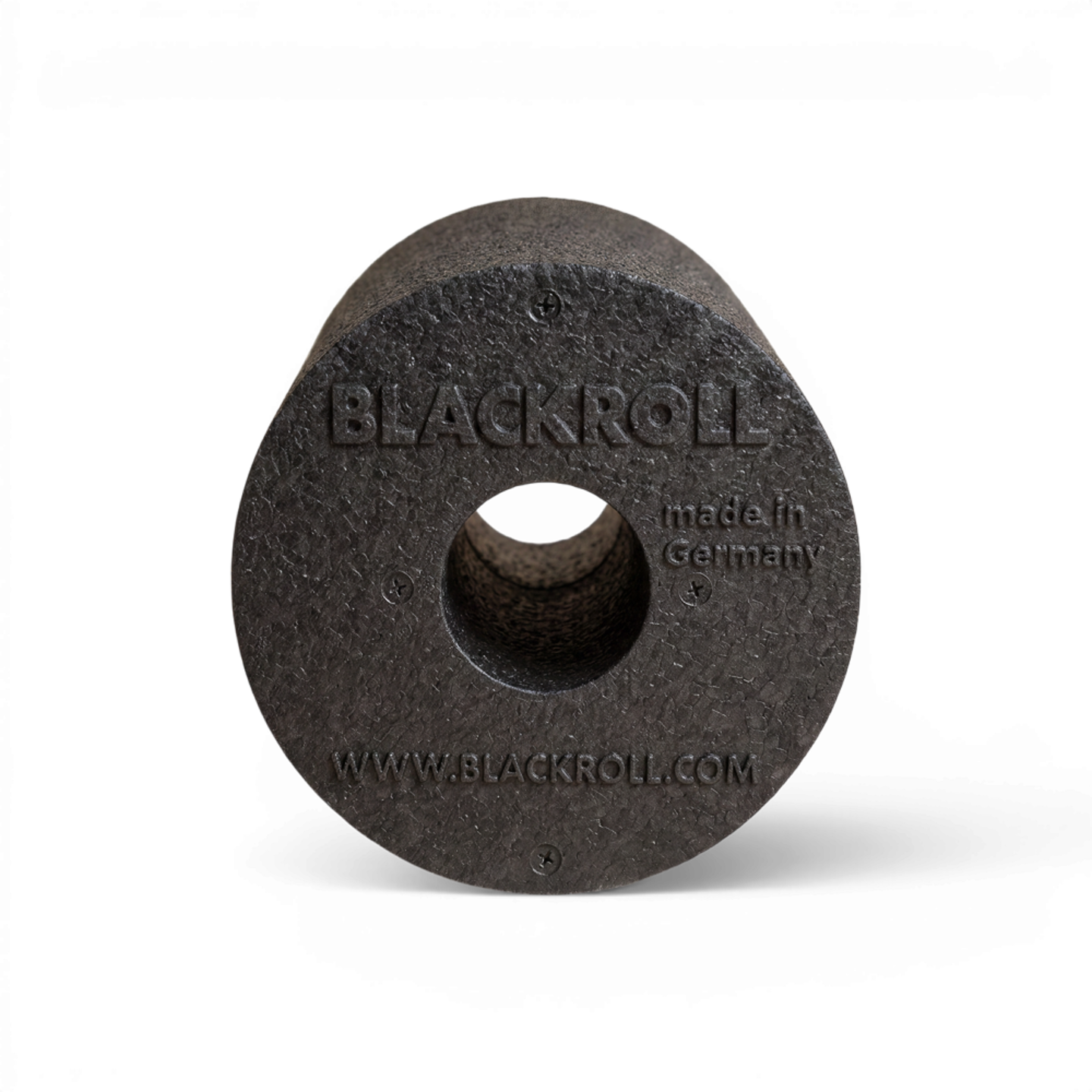
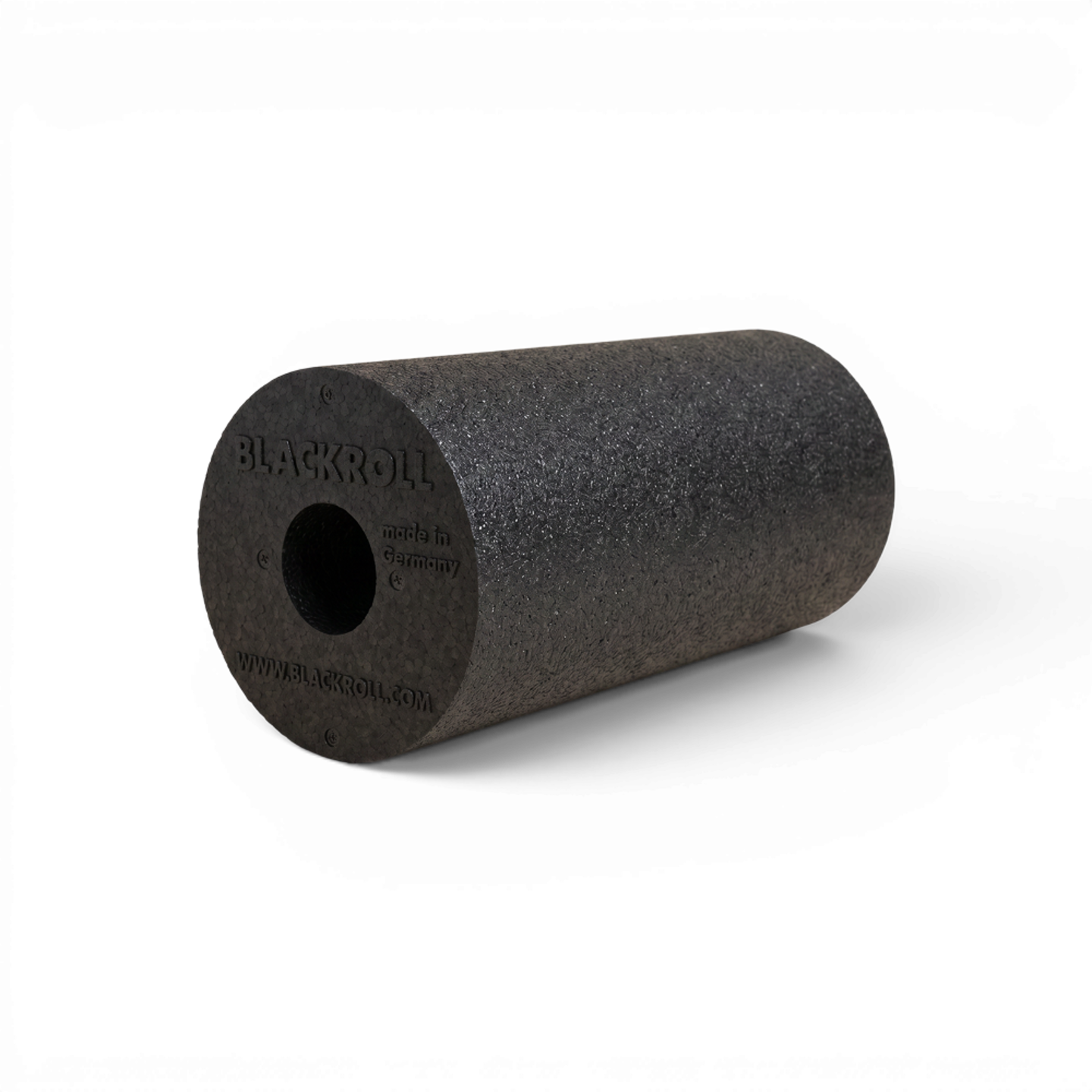
Standard
Available in multiple variants
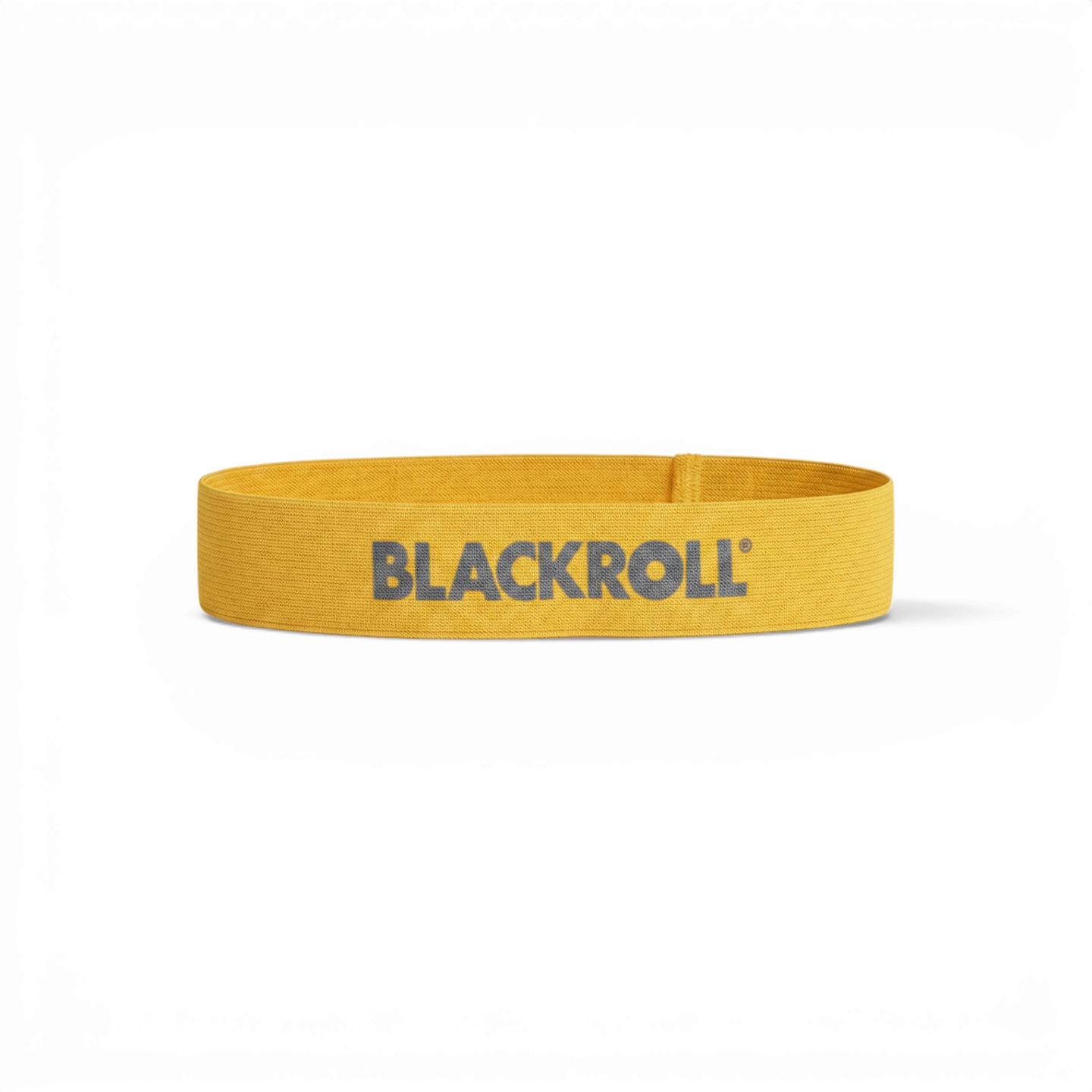
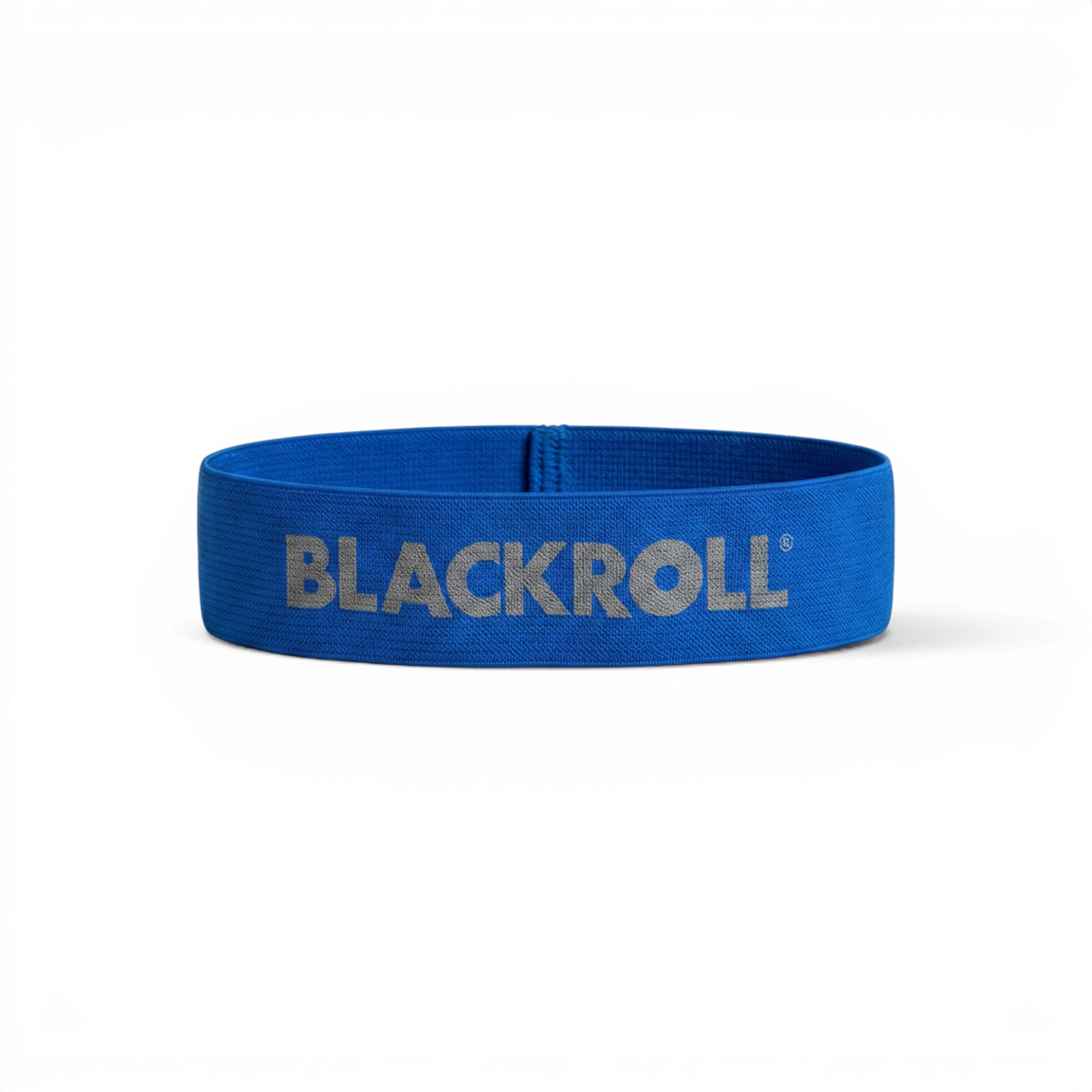
Loop Band
Available in multiple variants
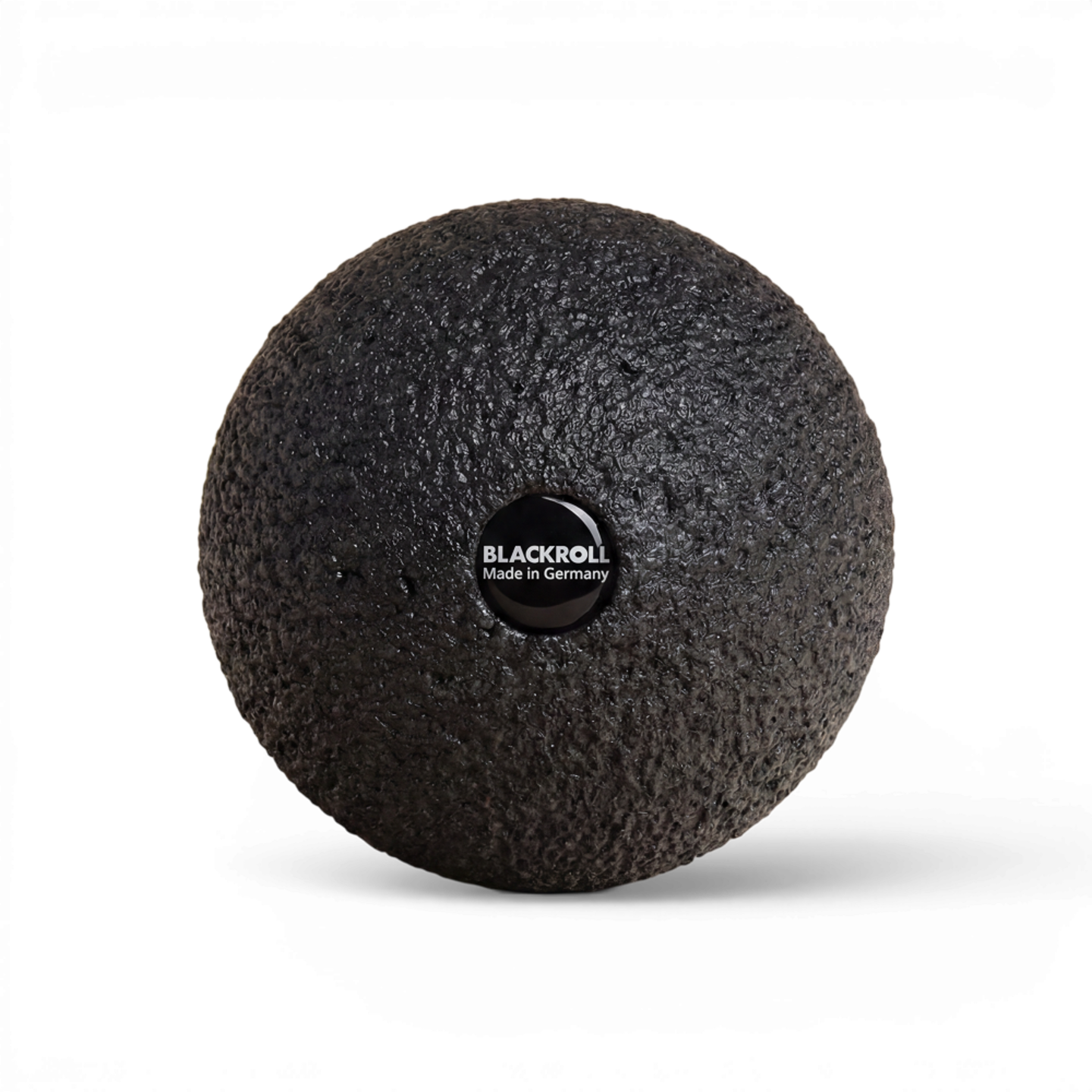

Ball 08
Available in multiple variants
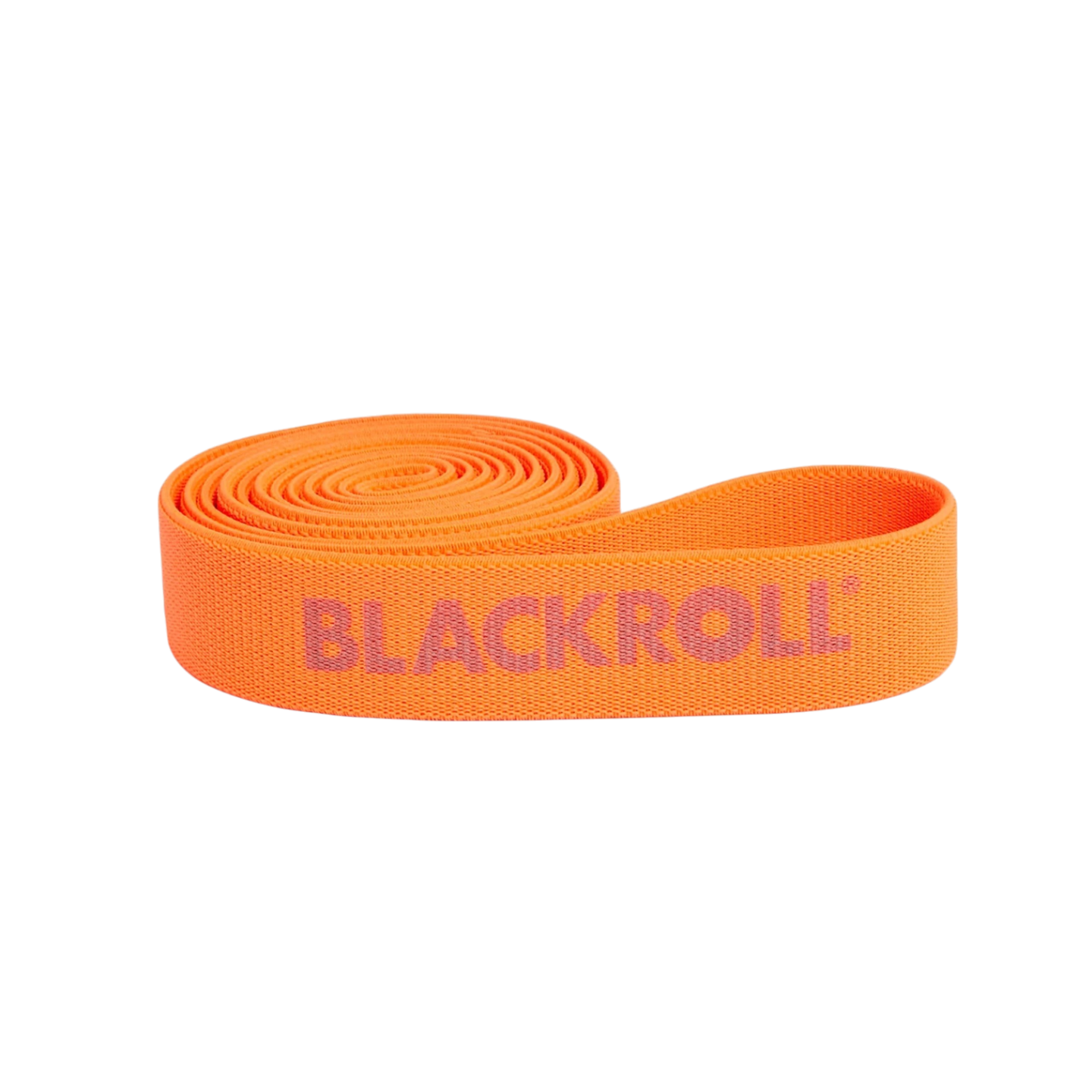
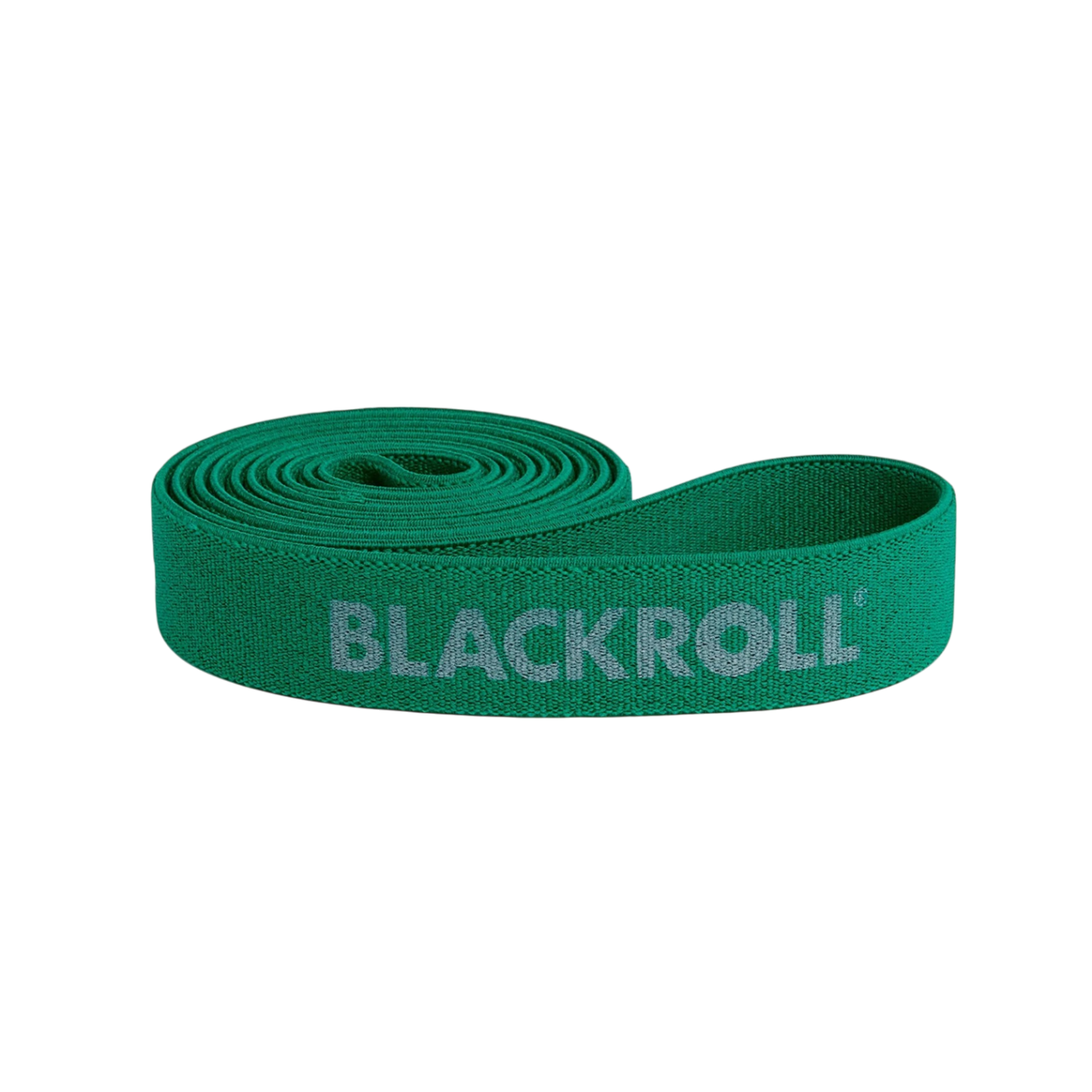
Super Band
Available in multiple variants