Rotator Cuff Exercises
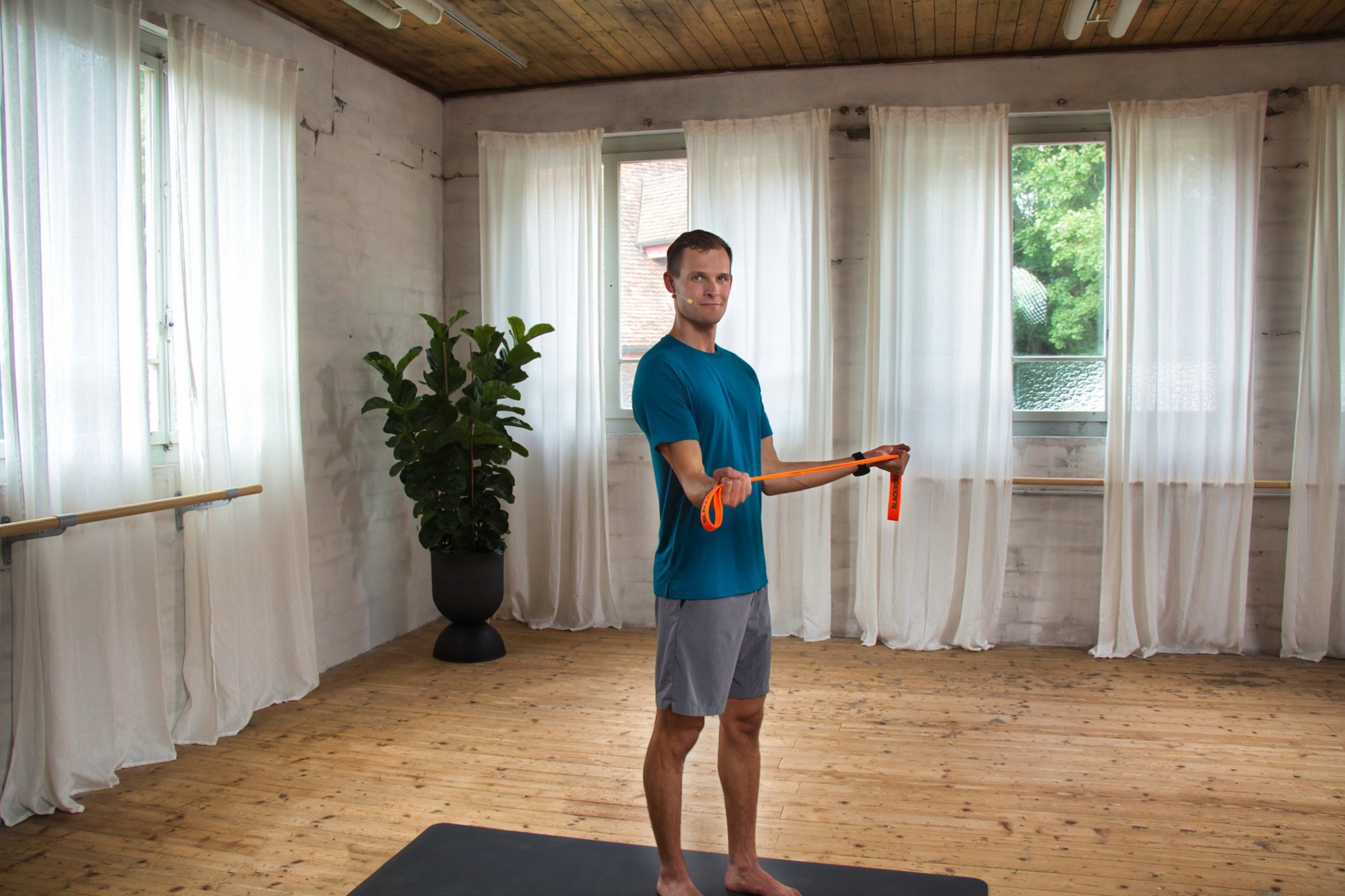
The Best Exercises for Strong Shoulders
Time
- 7 minutes
- 3 exercises
Exercises for the Rotator Cuff
The rotator cuff is essential for the stability and mobility of the shoulder joint, which is why targeted exercises to strengthen and mobilize this muscle group are particularly important. In this video, our Master Trainer Stefan shows you effective exercises that will help you strengthen your rotator cuff, prevent injuries, and improve the mobility of your shoulders.
Whether you want to become more active in sports or prevent discomfort—these exercises will help you promote the long-term health of your shoulders.
So grab your exercise mat and equipment and get started right away. Have fun!
Anatomy of the Rotator Cuff
The rotator cuff consists of four muscles that surround the shoulder joint and ensure the stability and mobility of the arm.
1. Supraspinatus
- Origin: Upper part of the shoulder blade (fossa supraspinata).
- Insertion: Upper surface of the humerus (tuberculum majus).
- Function: Responsible for abduction (moving the arm away from the body), particularly during the first 15 degrees of movement.
2. Infraspinatus
- Origin: Below the supraspinatus tendon in the scapula (fossa infraspinata).
- Insertion: Humerus (tuberculum majus).
- Function: Enables external rotation of the arm and helps stabilize the shoulder joint.
3. Teres minor
- Origin: Lateral margin of the scapula (margo lateralis scapulae).
- Insertion: Humerus (tuberculum majus, posterior portion).
- Function: Also responsible for external rotation of the arm and stabilizes the shoulder joint.
4. Subscapularis
- Origin: Anterior surface of the scapula (fossa subscapularis).
- Insertion: Front of the humerus (tuberculum minus).
- Function: Performs internal rotation of the arm and contributes to the stability of the shoulder joint by holding the head of the humerus in the glenoid cavity.
These four muscles work closely together to stabilize the shoulder joint during all movements and protect it from injury.
Warm-up Exercises for the Shoulder
A good warm-up is important to prepare your shoulders for upcoming physical demands and prevent injuries. The shoulder is one of the most mobile yet most sensitive joints in the body, which is why targeted warm-up exercises activate the muscles and promote blood flow to the affected structures. Warming up your shoulders prepares not only the muscles but also the tendons and ligaments for movement and physical stress. A thorough warm-up helps improve flexibility and support the full range of motion in your shoulders, which is especially important for sports activities or intense workouts. Here are three simple warm-up exercises for you and your shoulders:
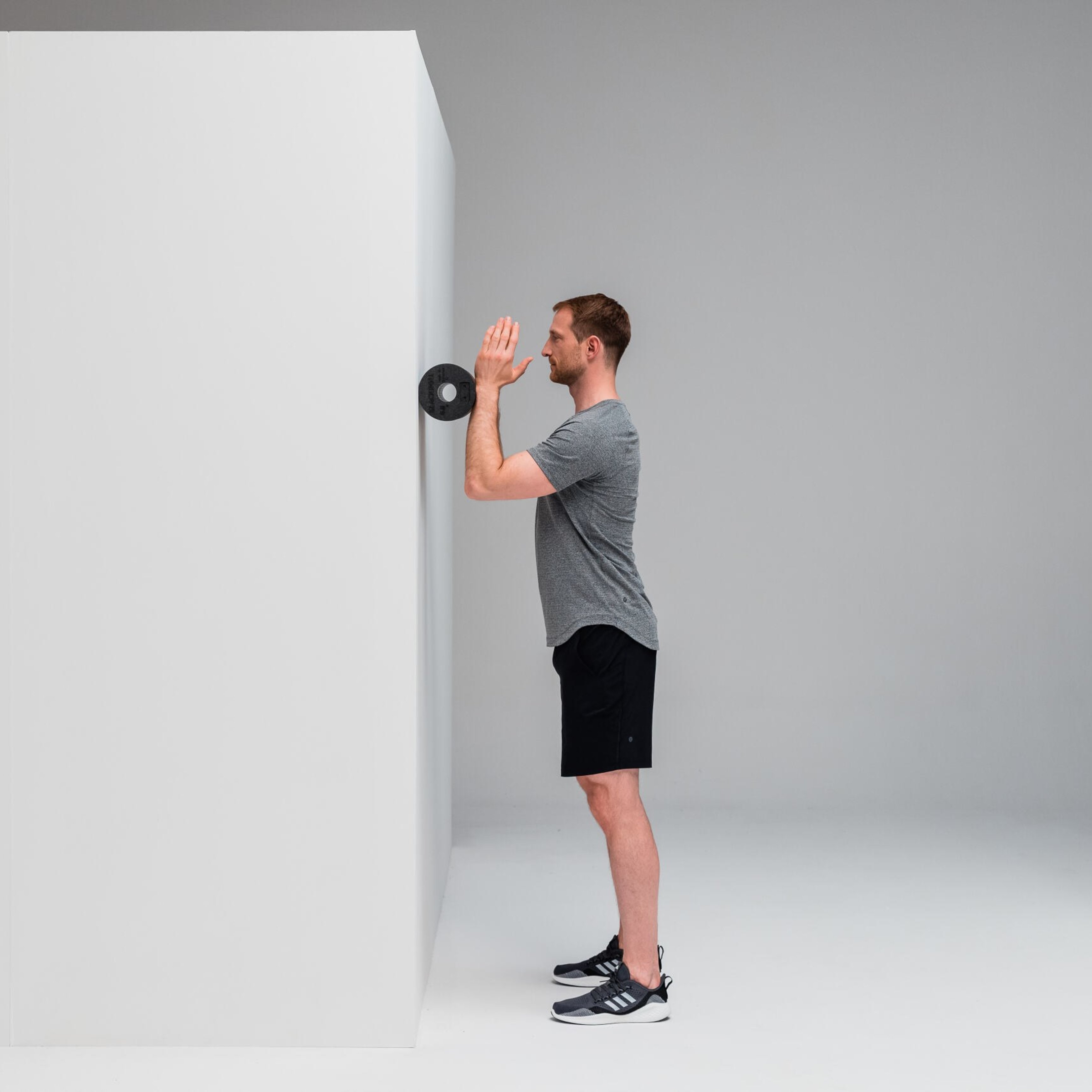
Scapula Push
Start by standing upright in front of a wall. Place the BLACKROLL atneck height. Secure it with your wrists. Apply pressure with your forearms. Let your shoulder blades glide forward as a result. Push the BLACKROLL upwardwhile maintaining the pressure.
Keep your core engaged and your torso straight throughout the entire movement. The movement should come exclusively from your shoulders and shoulder blades.
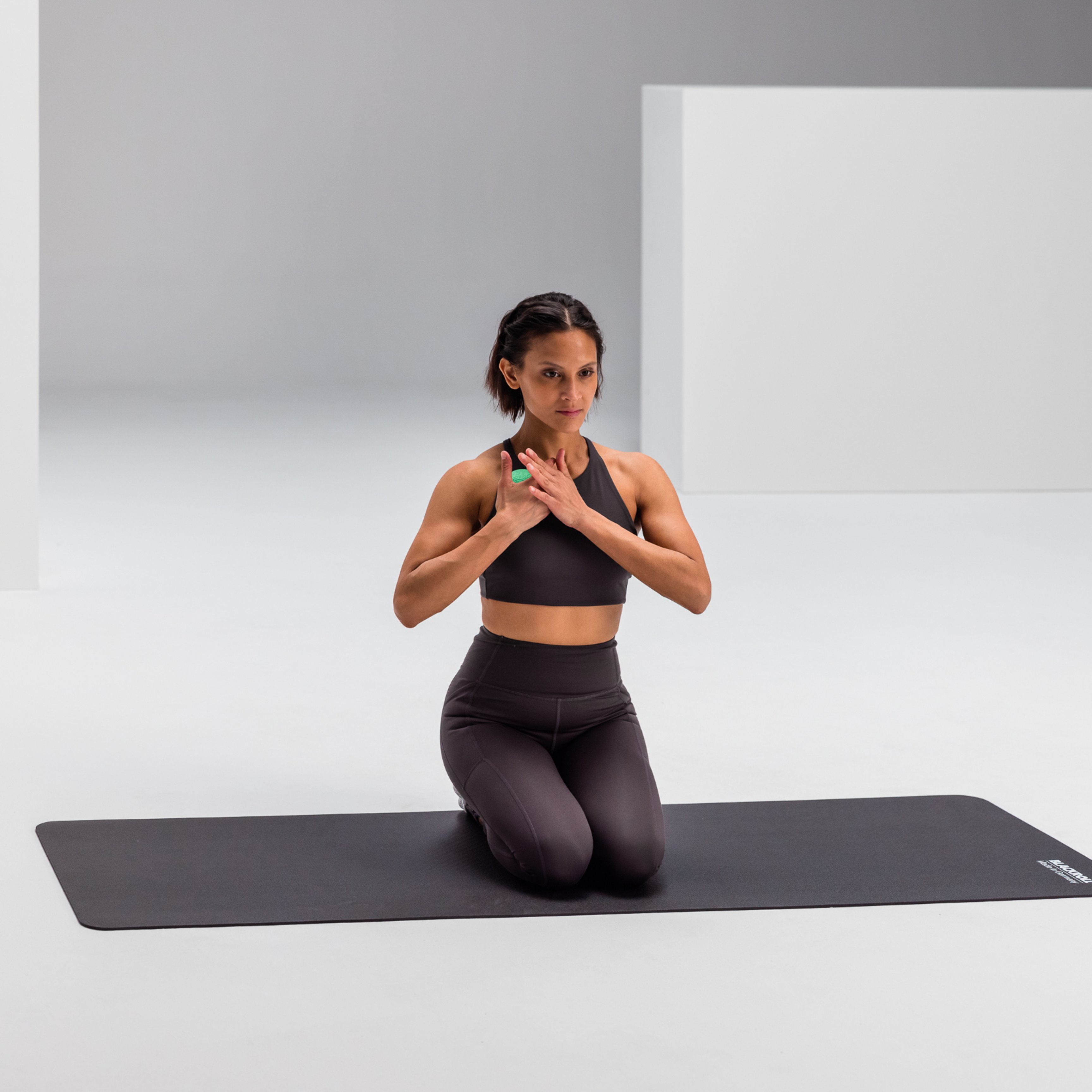
Activating the Chest Muscles
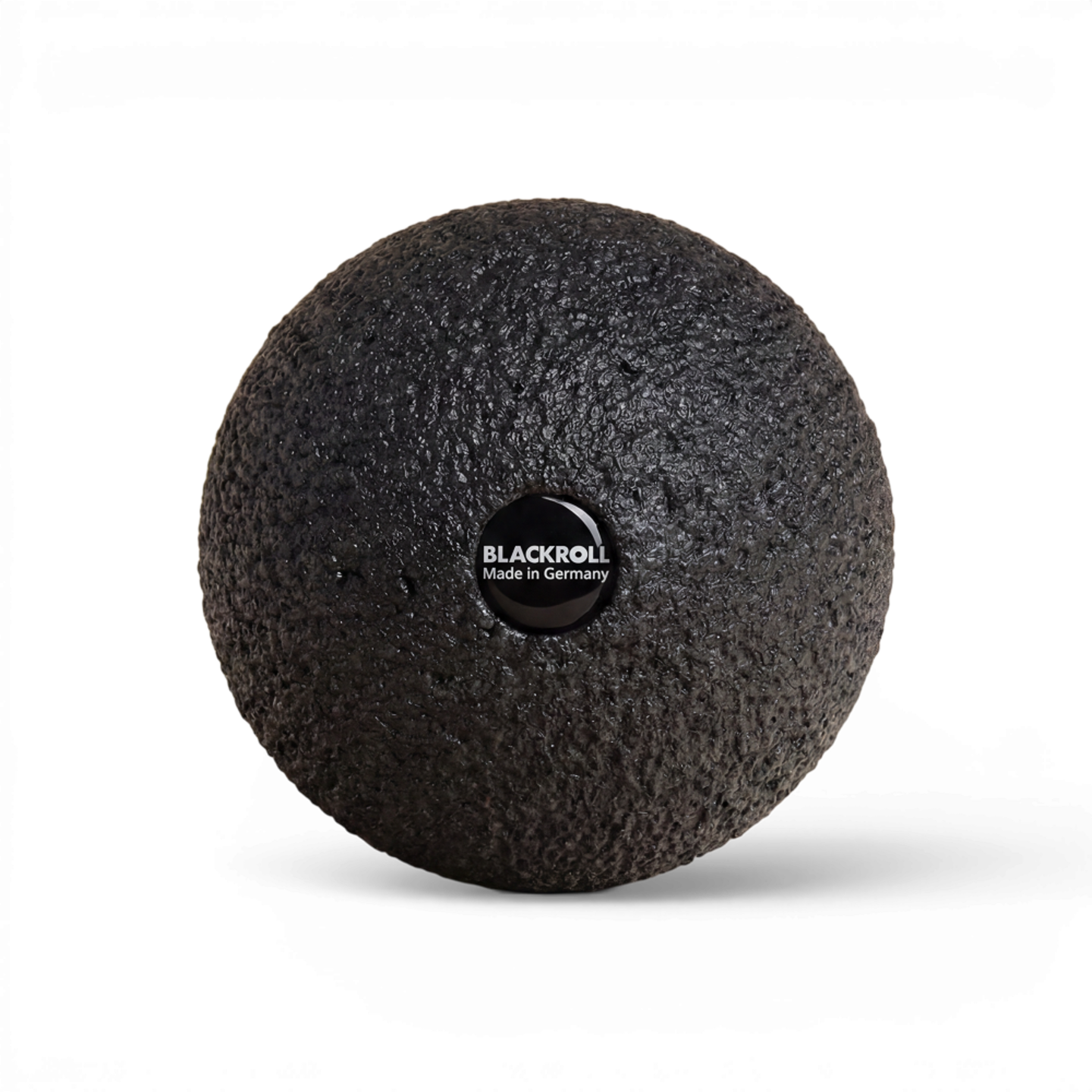
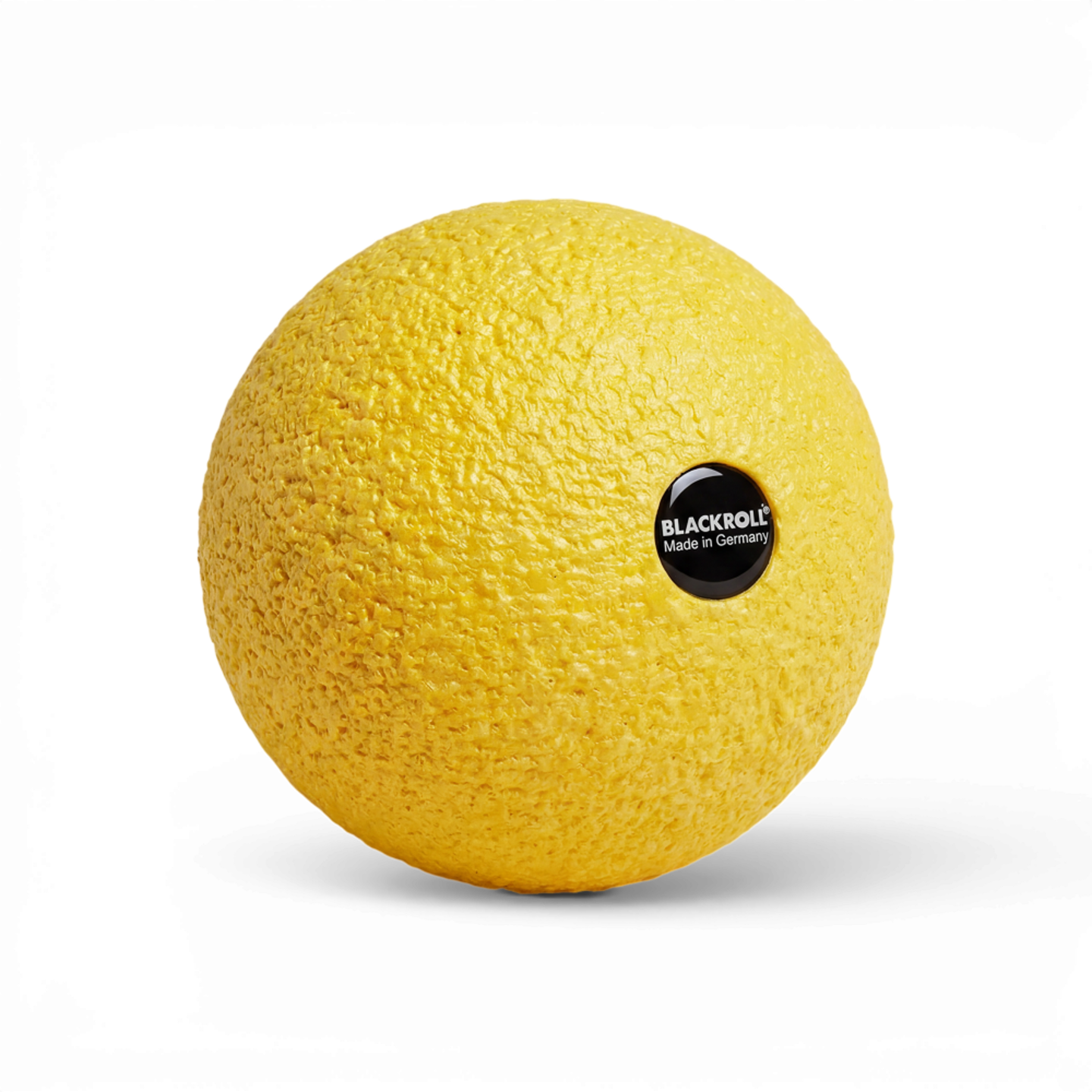
Sit upright. Place the BALL 08 on your chest muscle. Move the ball quickly in circular motions across your chest muscles. You can vary the pressure as desired.
If you are a woman, make sure to roll only over the muscles and avoid the mammary glands.
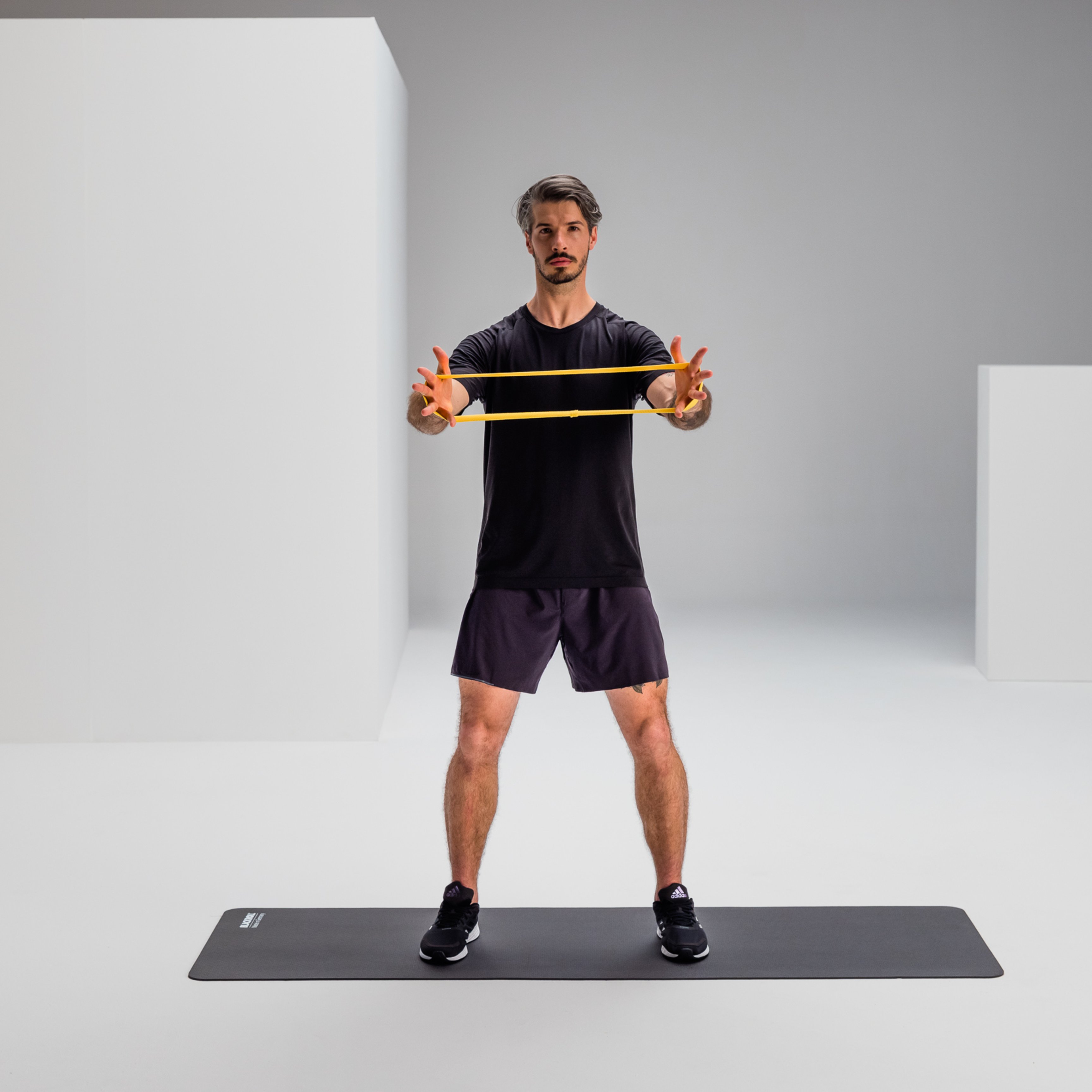
External shoulder rotation
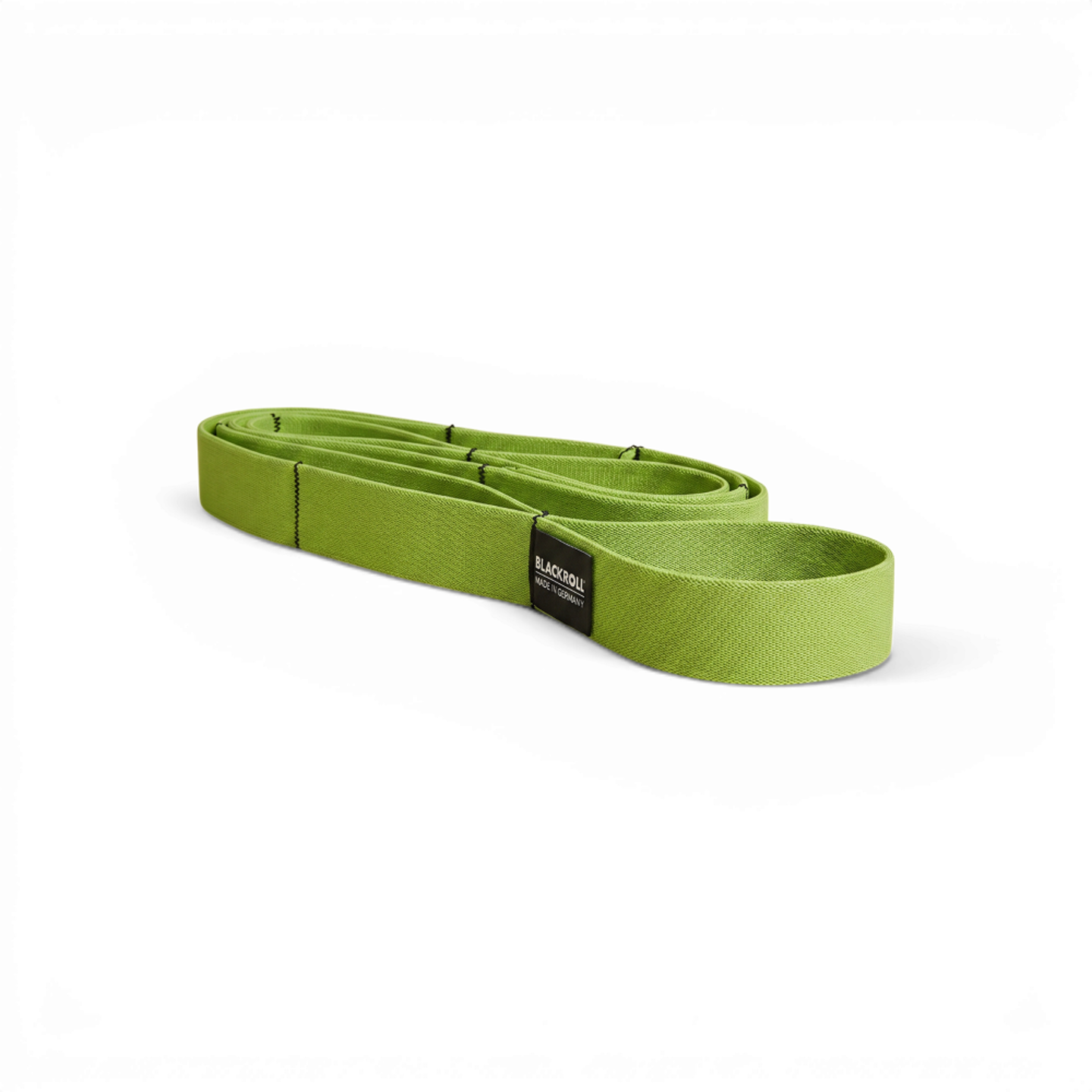
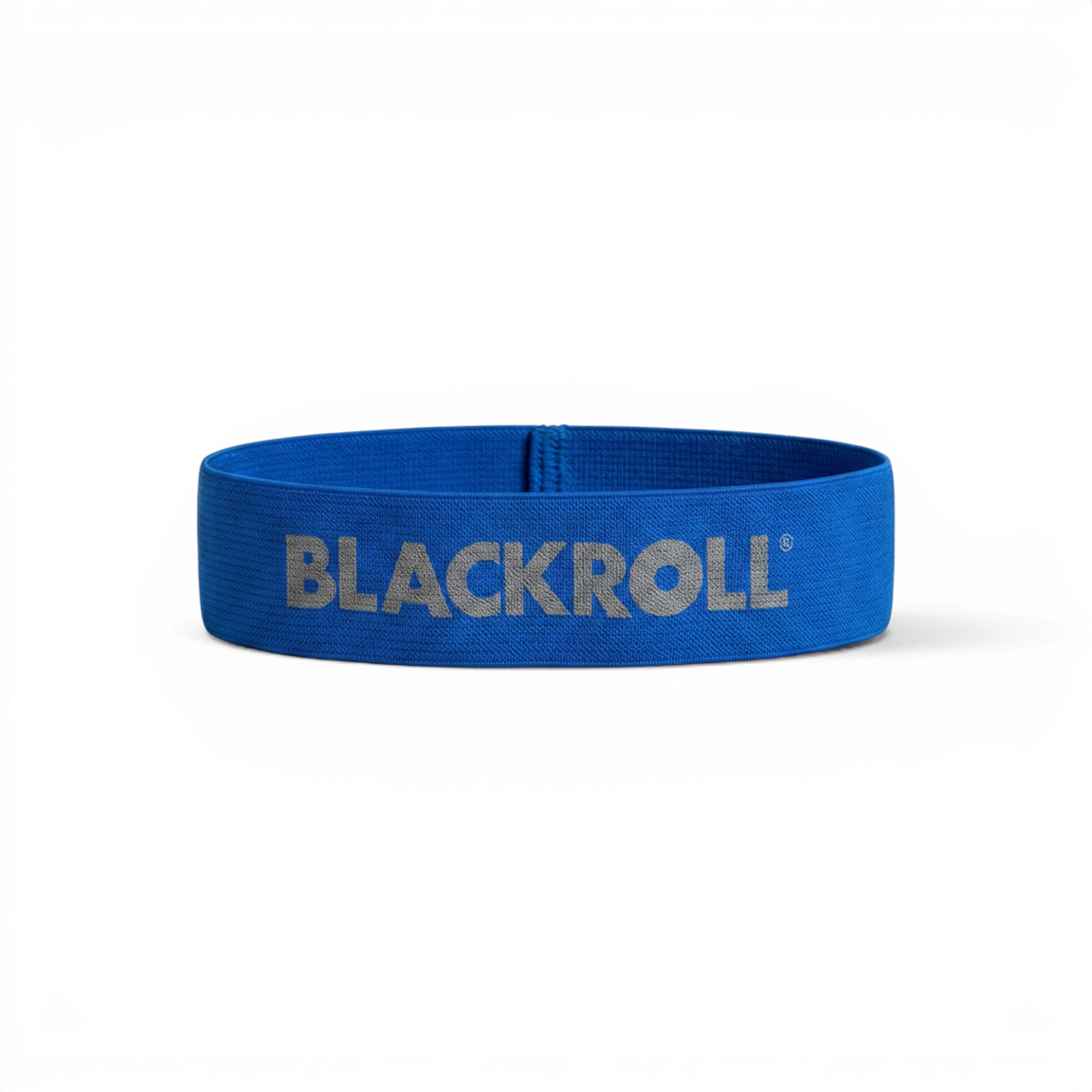
Graspthe LOOP BAND with both hands. Apply light tension to it. Pull it apart by rotating your arms outward at the shoulders as far as possible. Hold this position for a moment. Return to the starting position.
Make sure your elbows stay close to your torso at all times.
Strengthening Exercises with Resistance Bands
Strengthening exercises with resistance bands are an excellent way to build muscle strength while being gentle on the joints. The variable resistance provided by the bands promotes muscle activity throughout the entire movement, leading to effective strengthening. These exercises are suitable for all fitness levels, as the intensity can be easily adjusted. Resistance bands are also lightweight and portable, making them ideal for working out at home or on the go.
You can expand your routine with the following exercises:
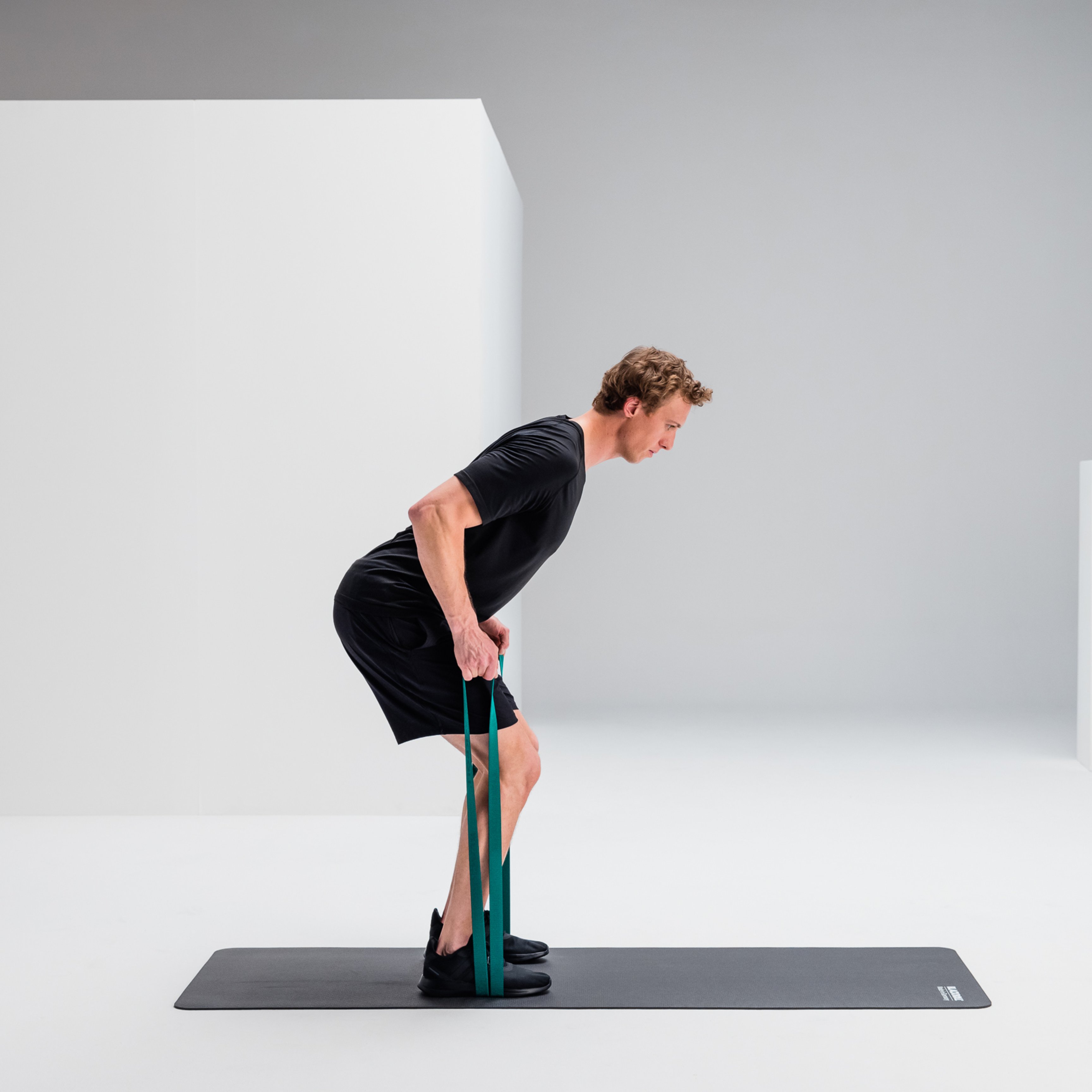
Forward Bend Row
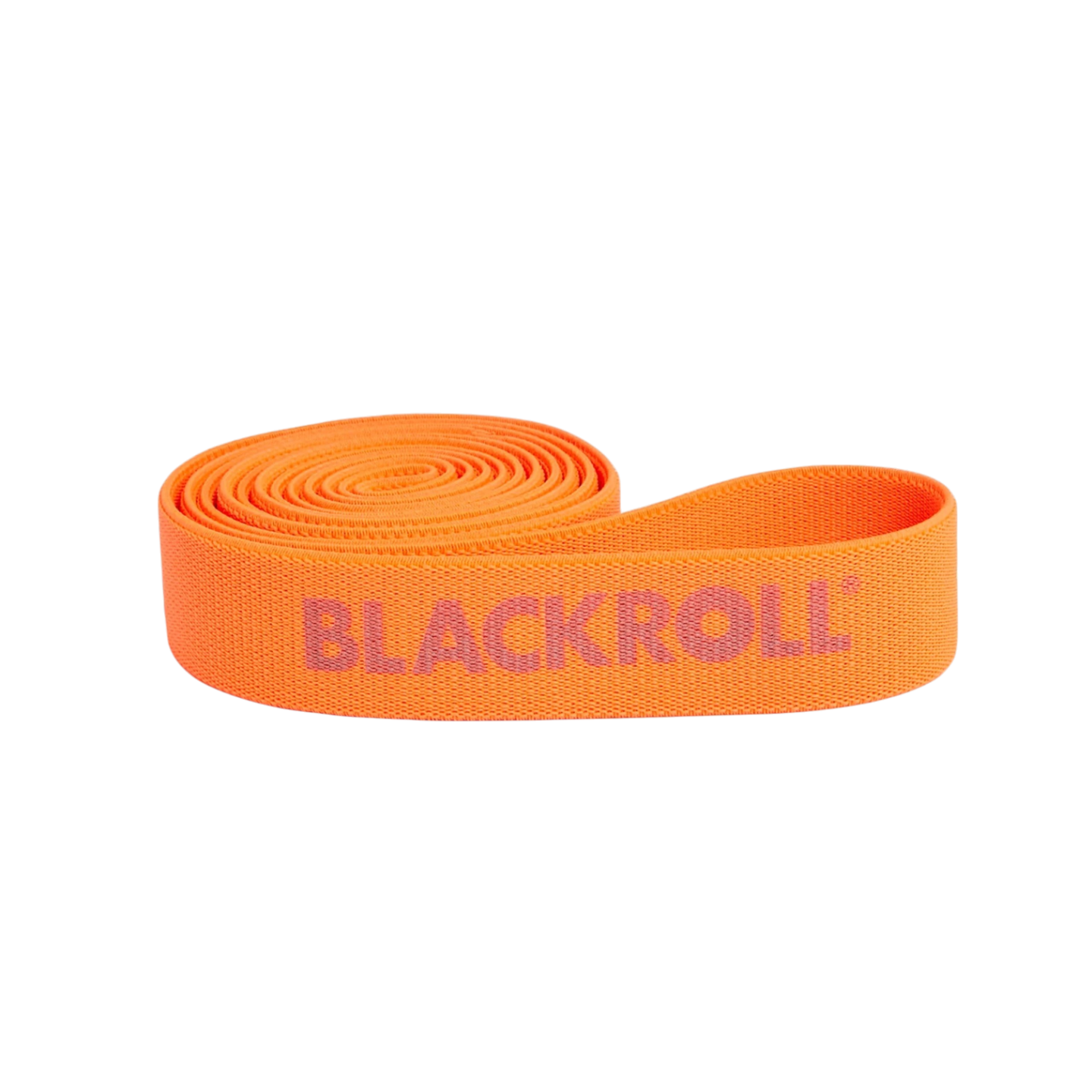
Stand in the center of a SUPER BAND. Bend forward with your back straight. Grab the ends of the band. Pull it toward your body until it reaches belly height. Extend your arms back to the starting position.
Keep your elbows as close to your body as possible.
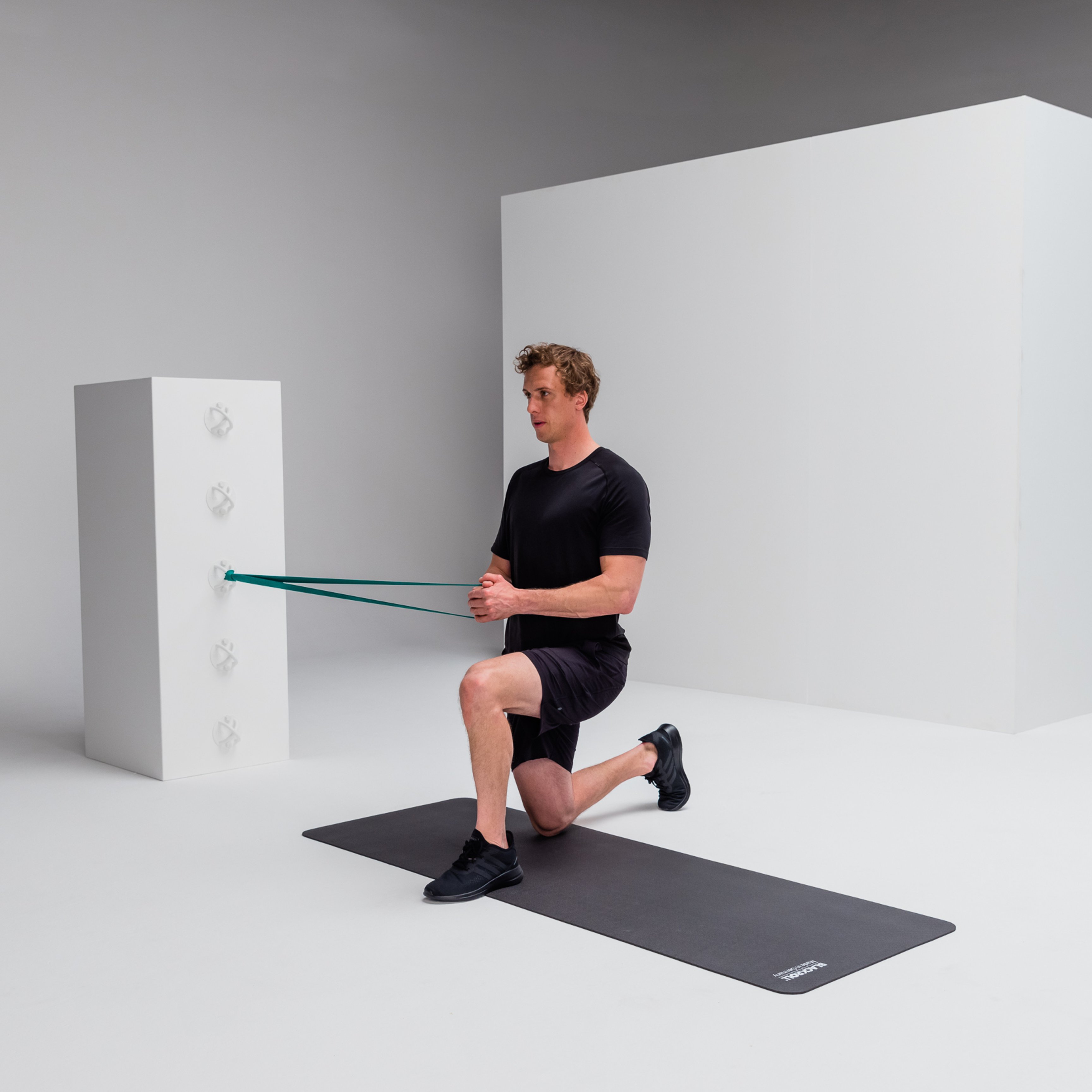
Pallof Press
Attach the SUPER BAND to an object at thigh height. Kneel in a side lunge position next to it. Grab the free end of the band. Move away from the anchor point so that the band is under tension. Push the band forward. Then return to the starting position.
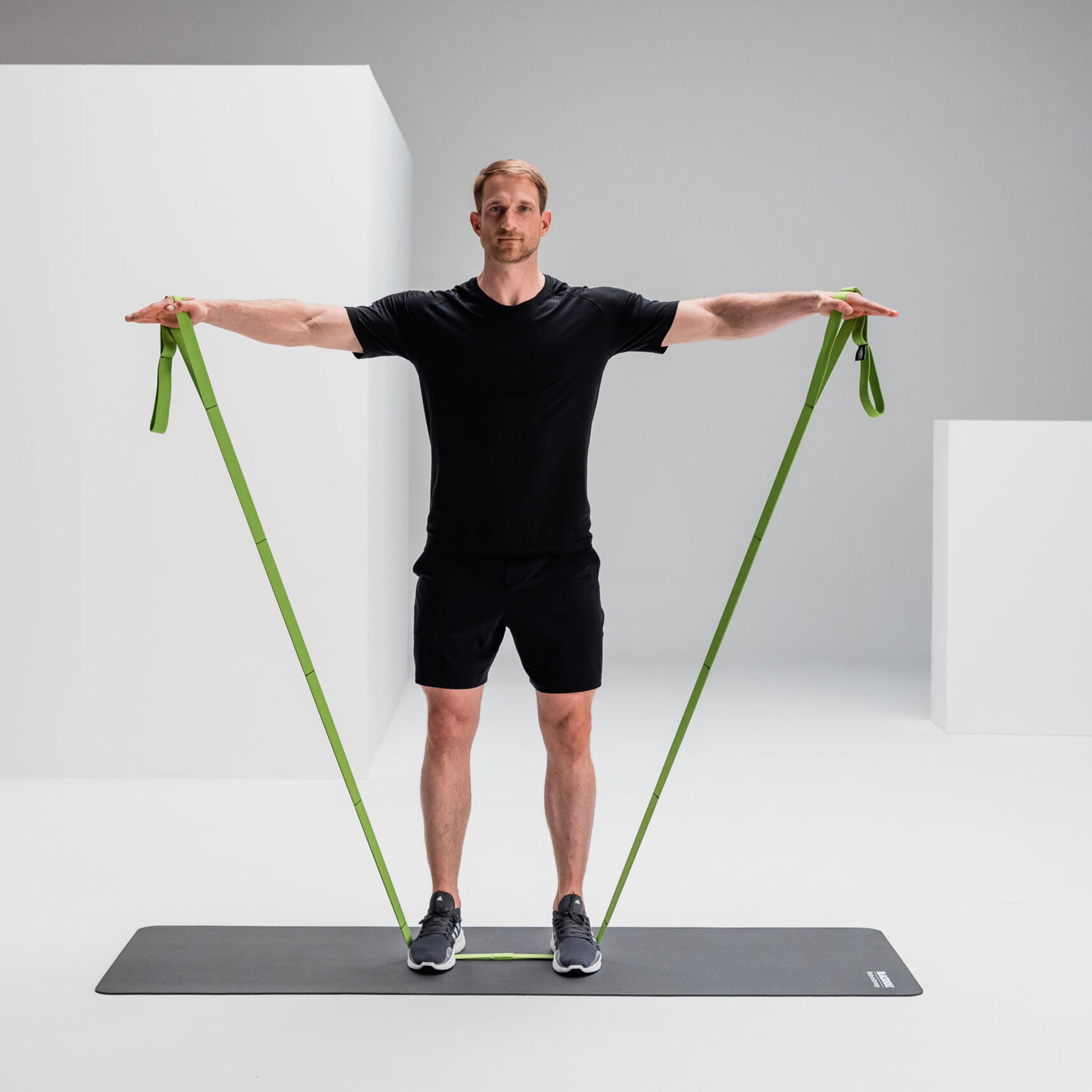
Lateral Raise
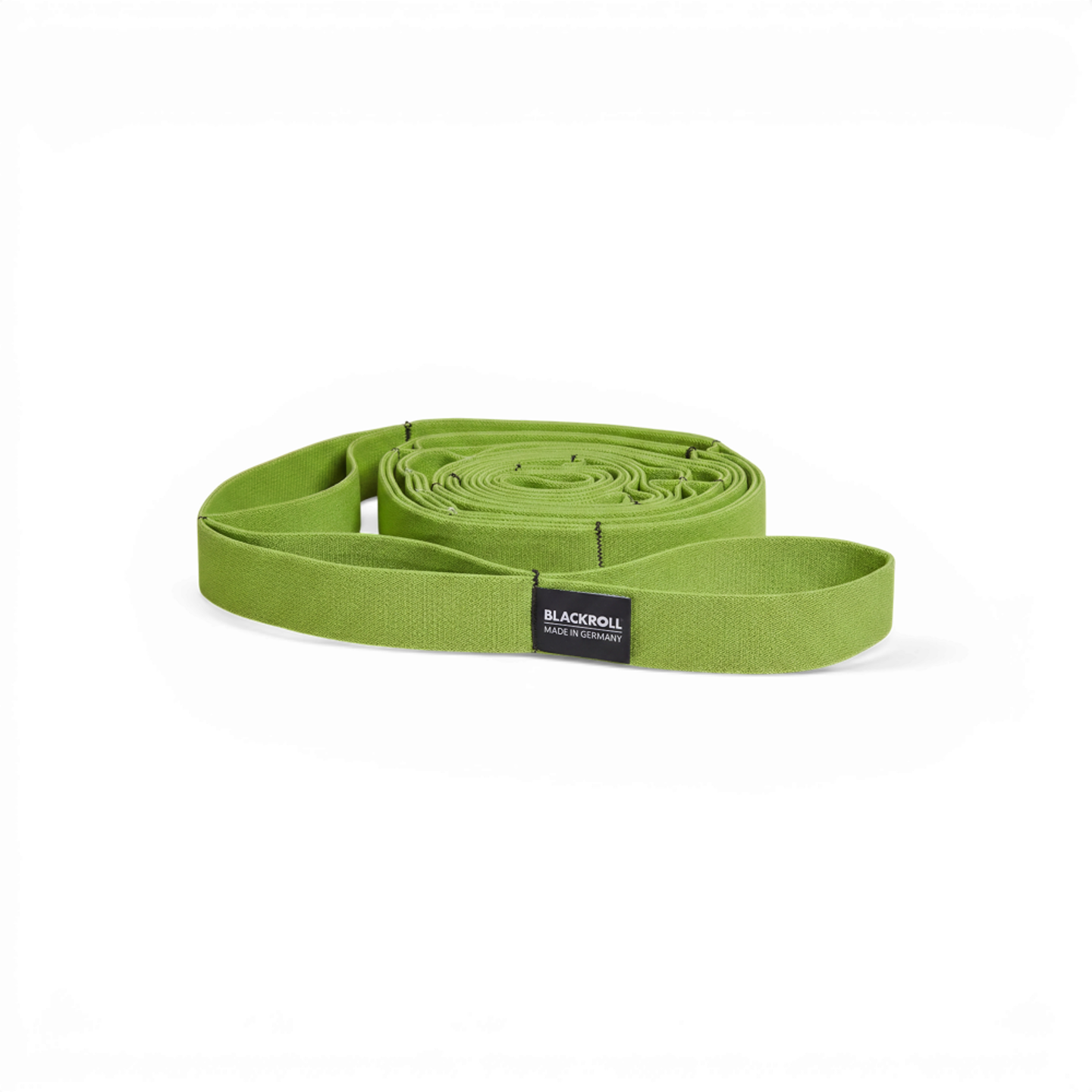
Stand in the center of the MULTI BAND. Grip the loops however you like. Raise your arms to shoulder height.
Keep your arms slightly bent throughout the movement.
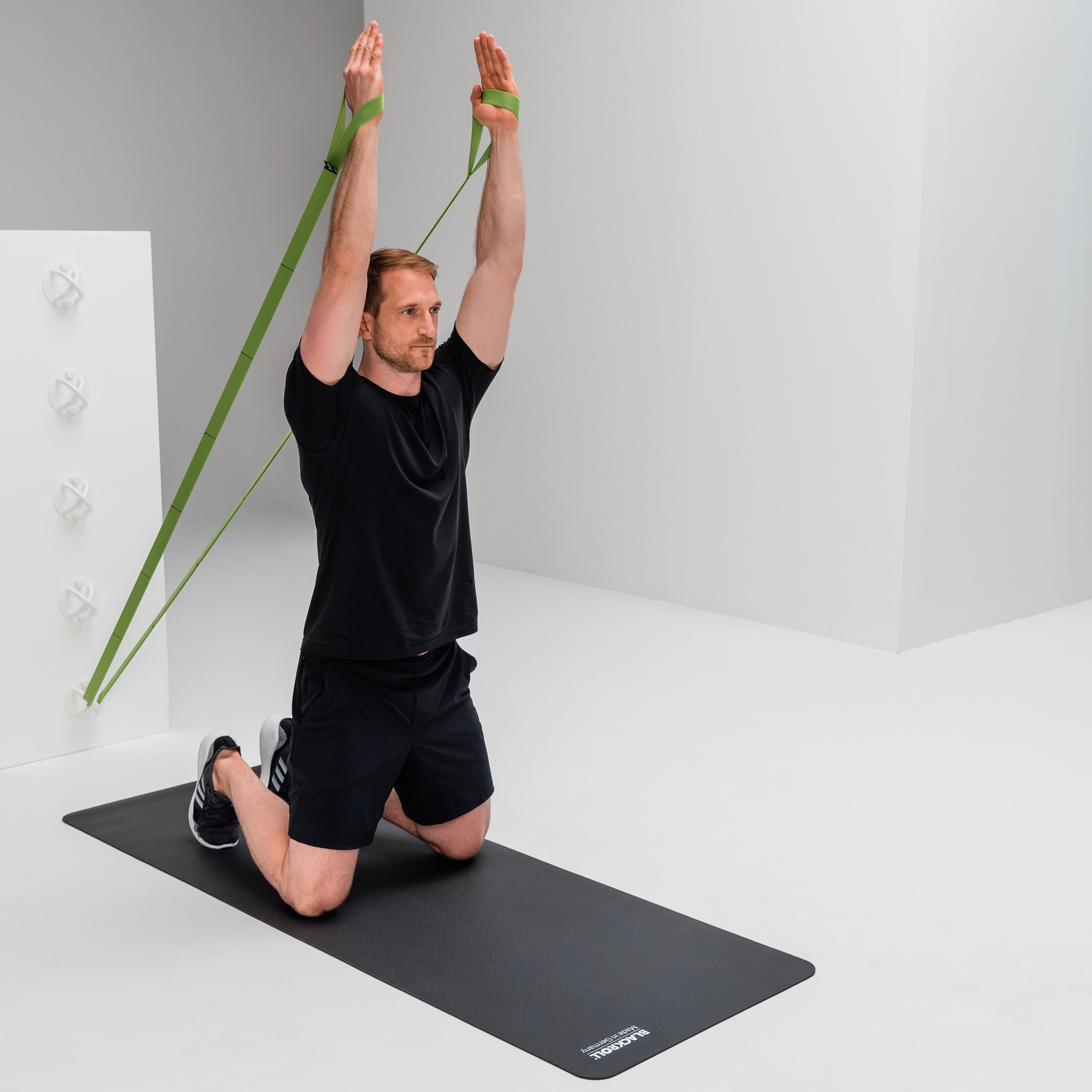
Overhead Push
Attach the band at floor level. Get into a kneeling position. The MULTI BAND is behind you. Grasp both ends with one hand each. Bring your hands up to about shoulder height. Slowly raise your hands upward and slowly return to the starting position.
As you perform the movement, rotate your arms so that your palms face backward—or at least toward each other—at the top of the range of motion.
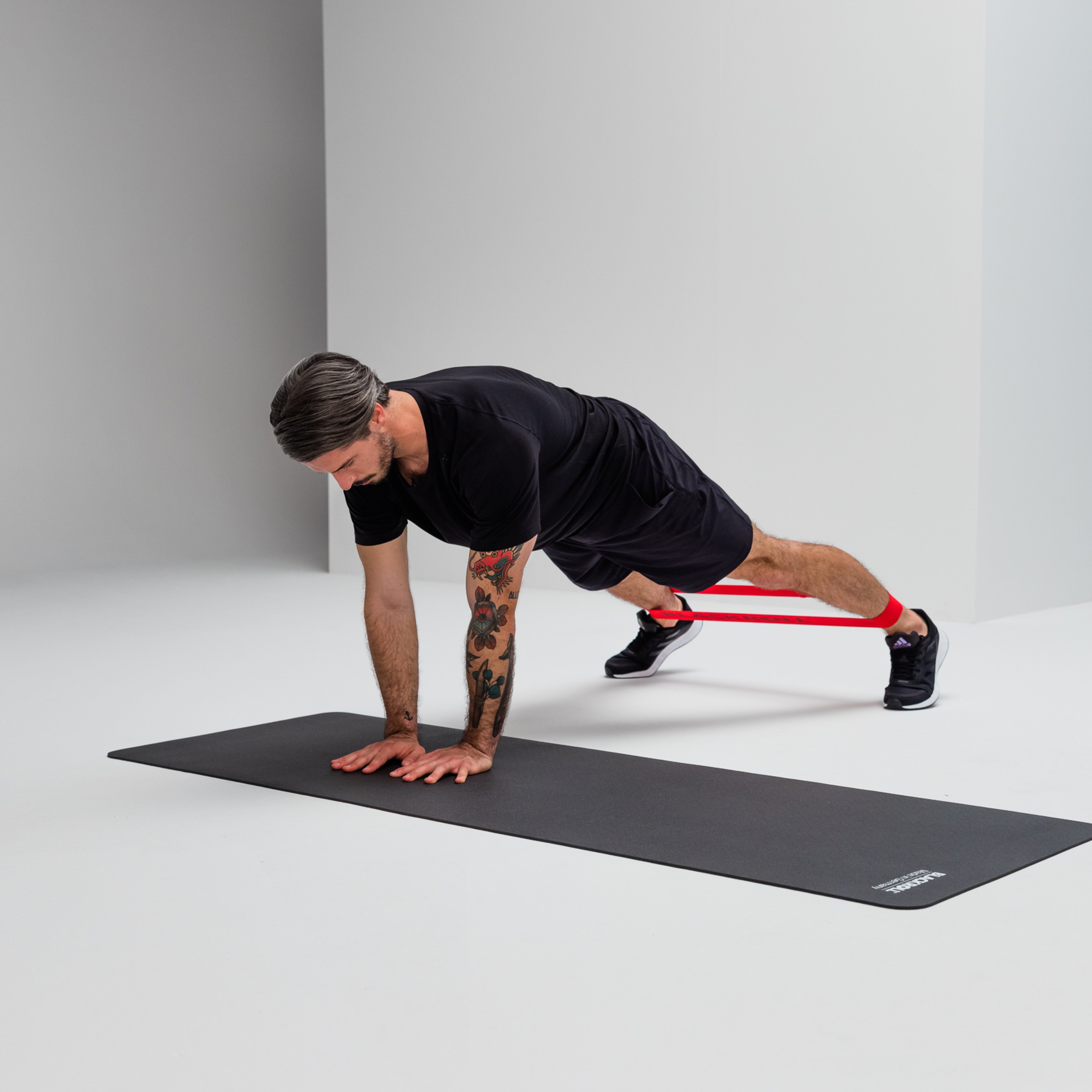
Push-Up Walk
Get into a push-up position. Place your feet close together. Wrap the BLACKROLL LOOP BAND around your ankles. Move sideways by alternating steps with your arms and legs.
Rotator Cuff Exercises for Pain
Rotator cuff pain can severely limit shoulder mobility and make everyday activities difficult. However, with targeted exercises, you can gently mobilize and strengthen the muscles around the shoulder joint to relieve pain and prevent it in the long term. Here are a few exercises designed to relieve pressure on the shoulder, promote blood flow, and restore joint stability.
It’s important to perform the exercises in a controlled manner and take your time to support recovery and gradually improve the function of the rotator cuff.
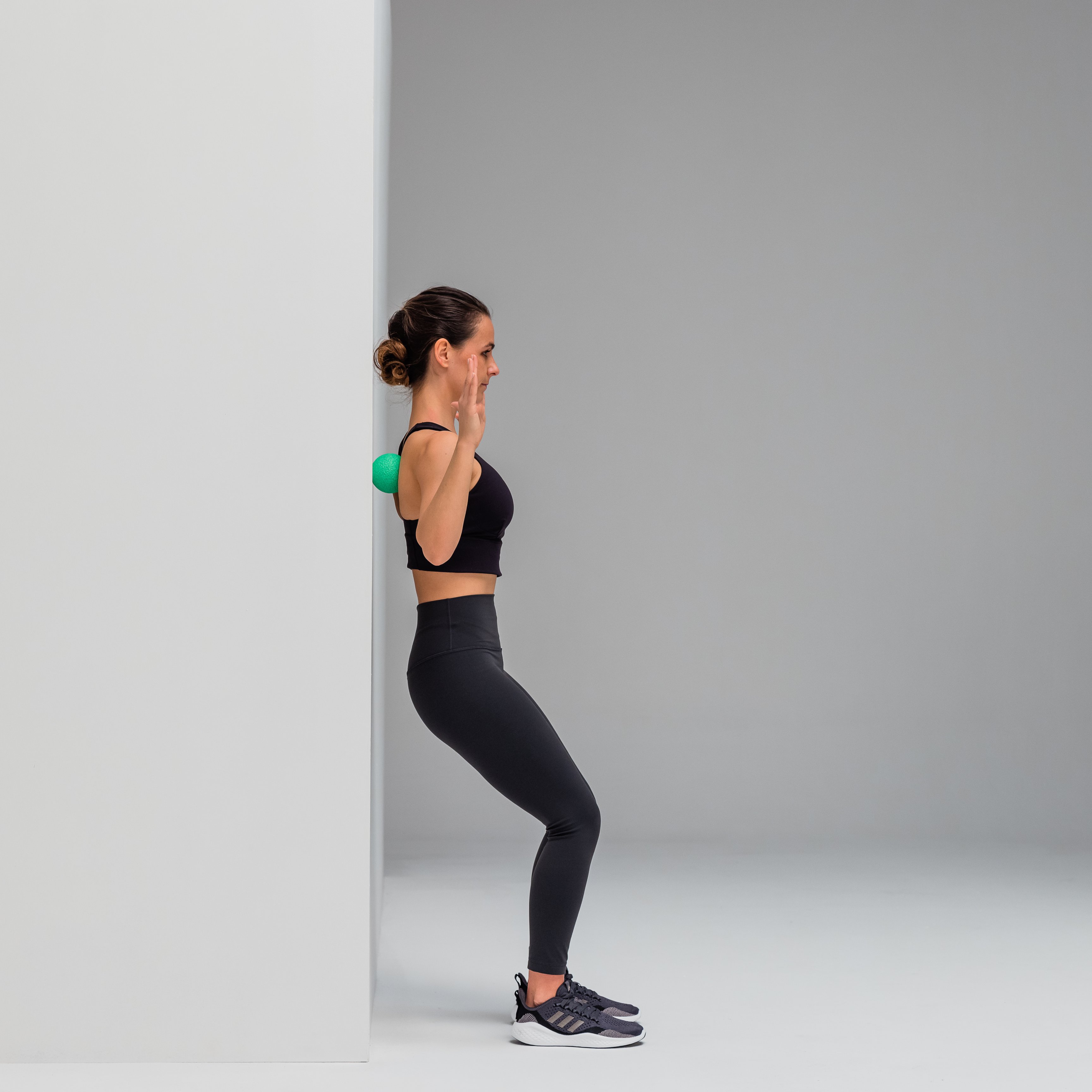
Wall Angel
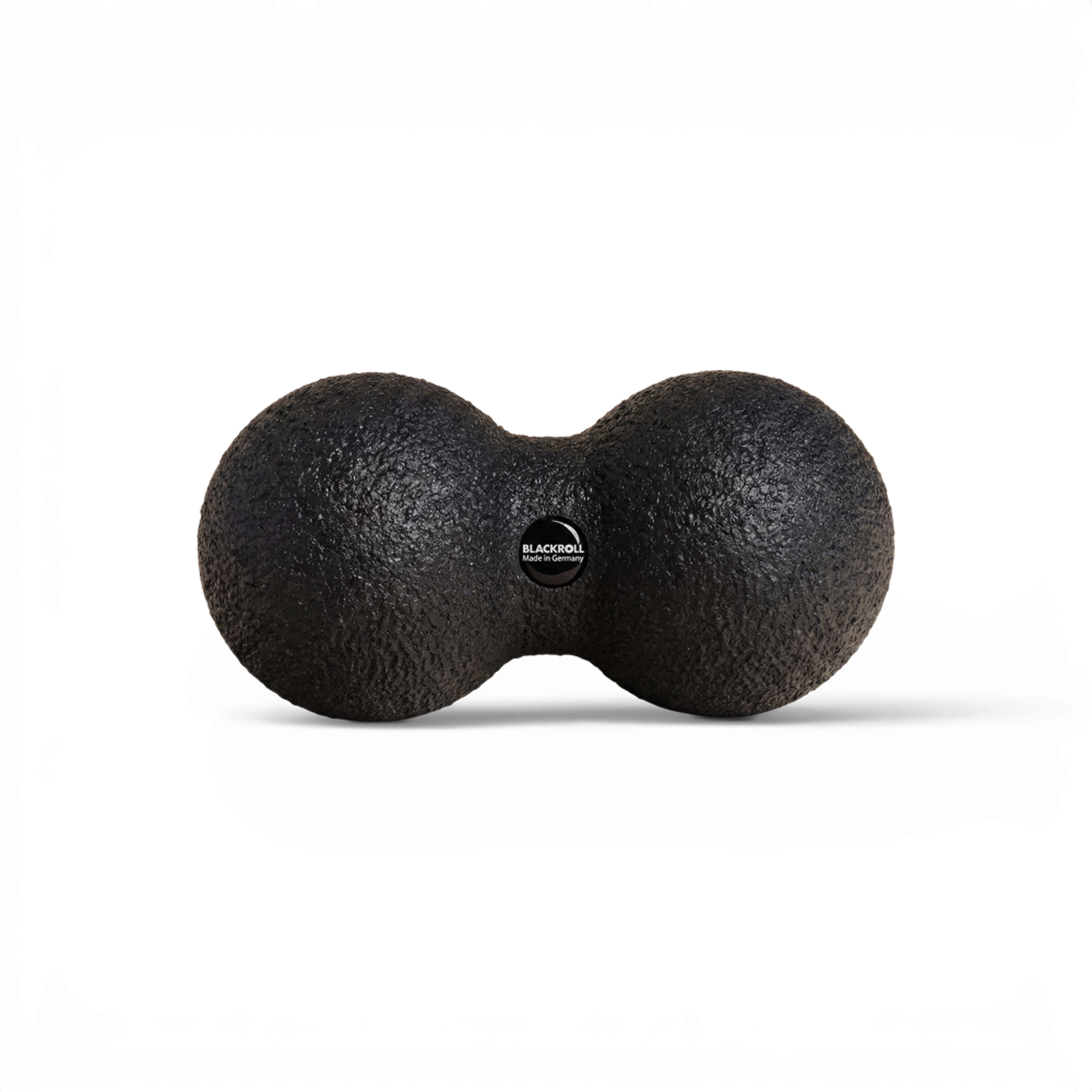
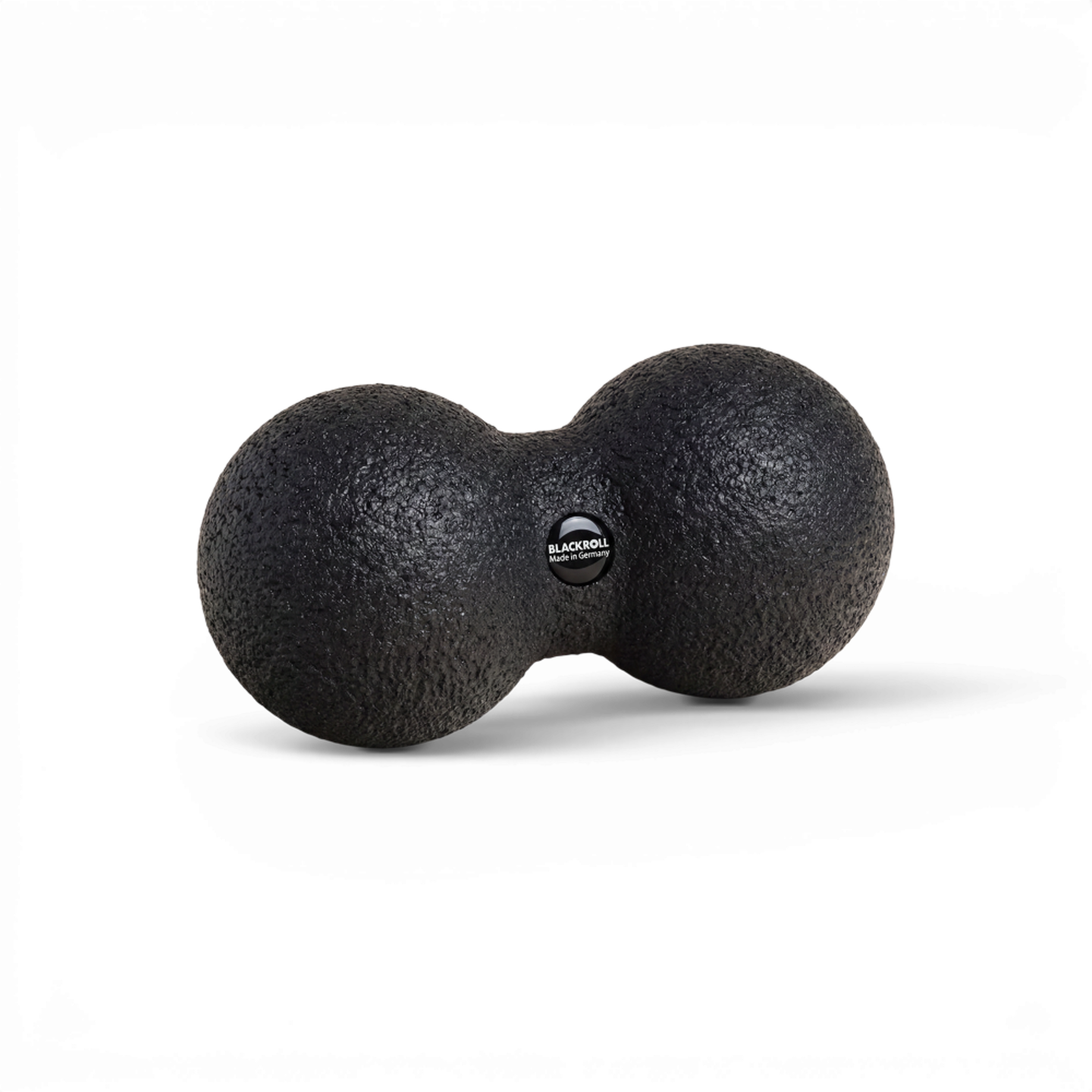
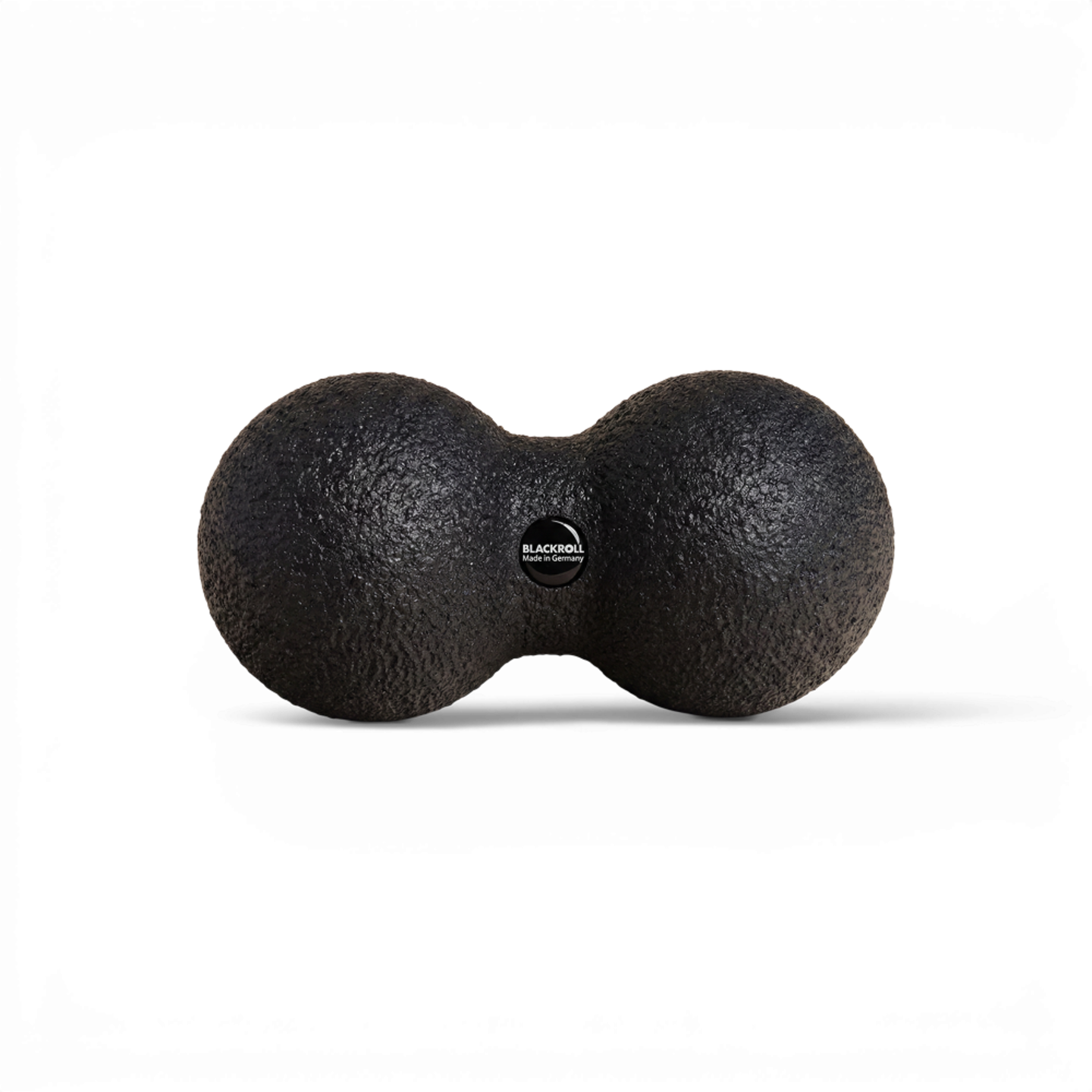
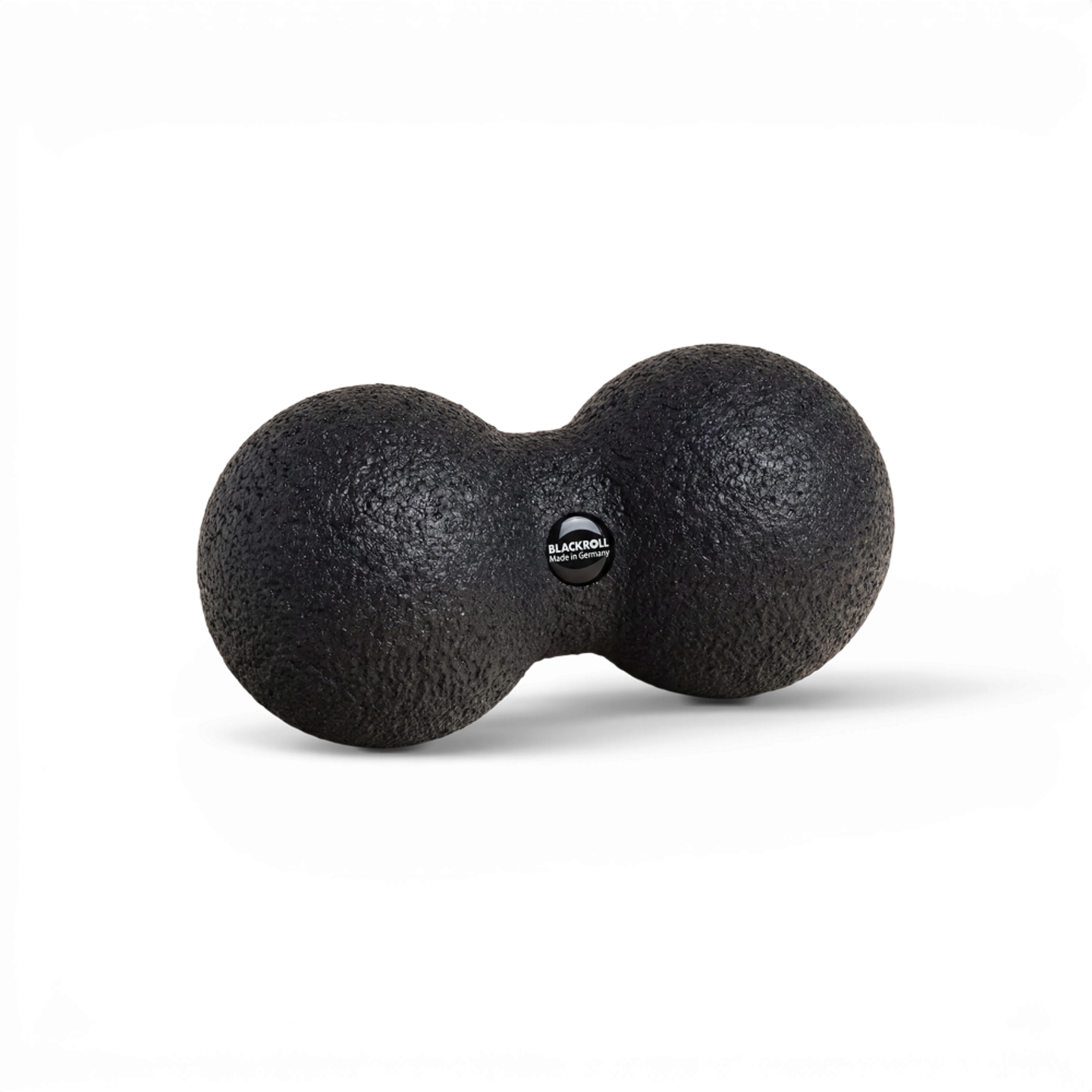
Clampthe DUOBALL between your back and the wall. Slide your arms up and down along the wall.
You can also perform this exercise with the BALL 08
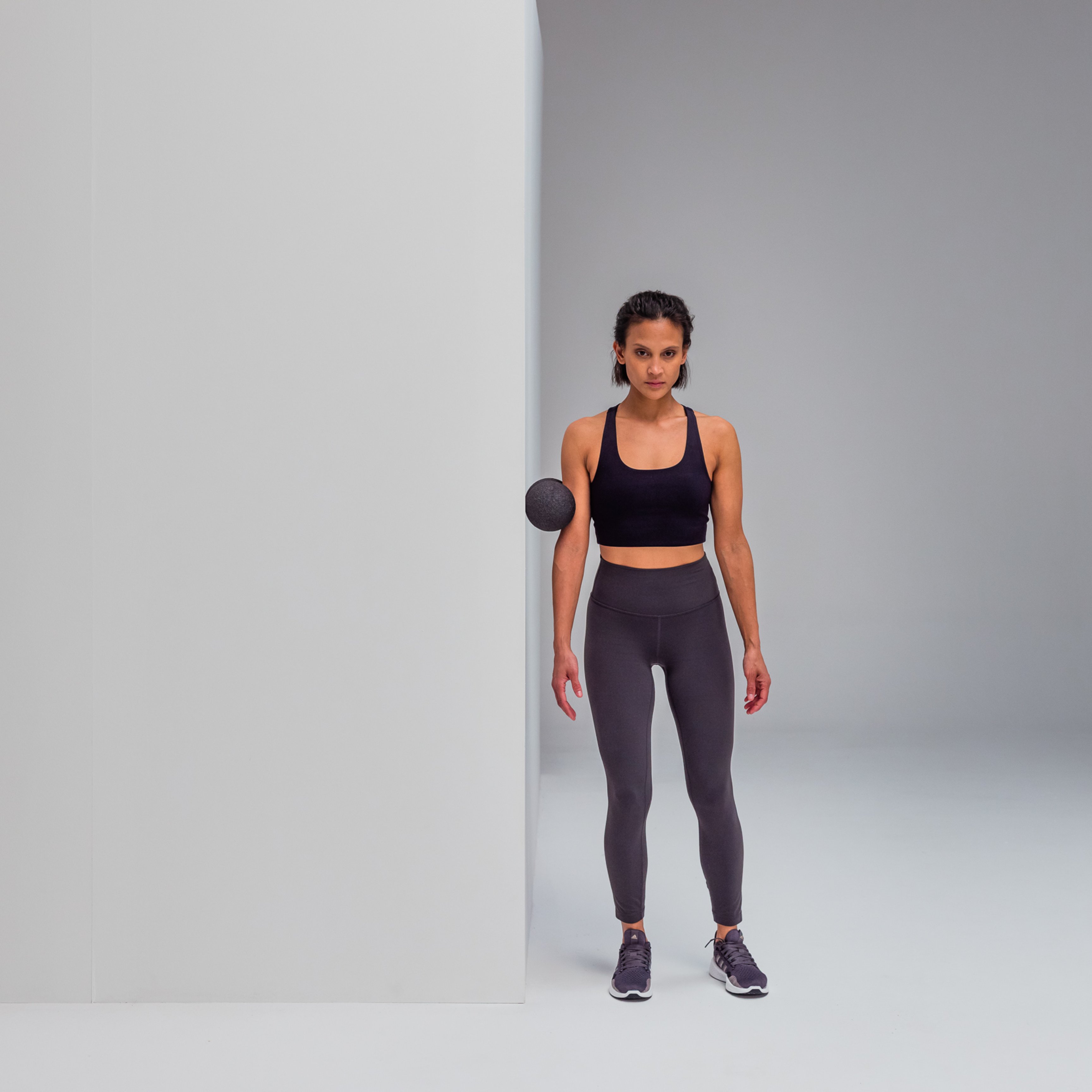
Upper Arm Massage
While standing, placethe DUOBALL against the wall. Lean your upper arm against it. Roll the DUOBALL slowly up and down by bending and straightening your knees.
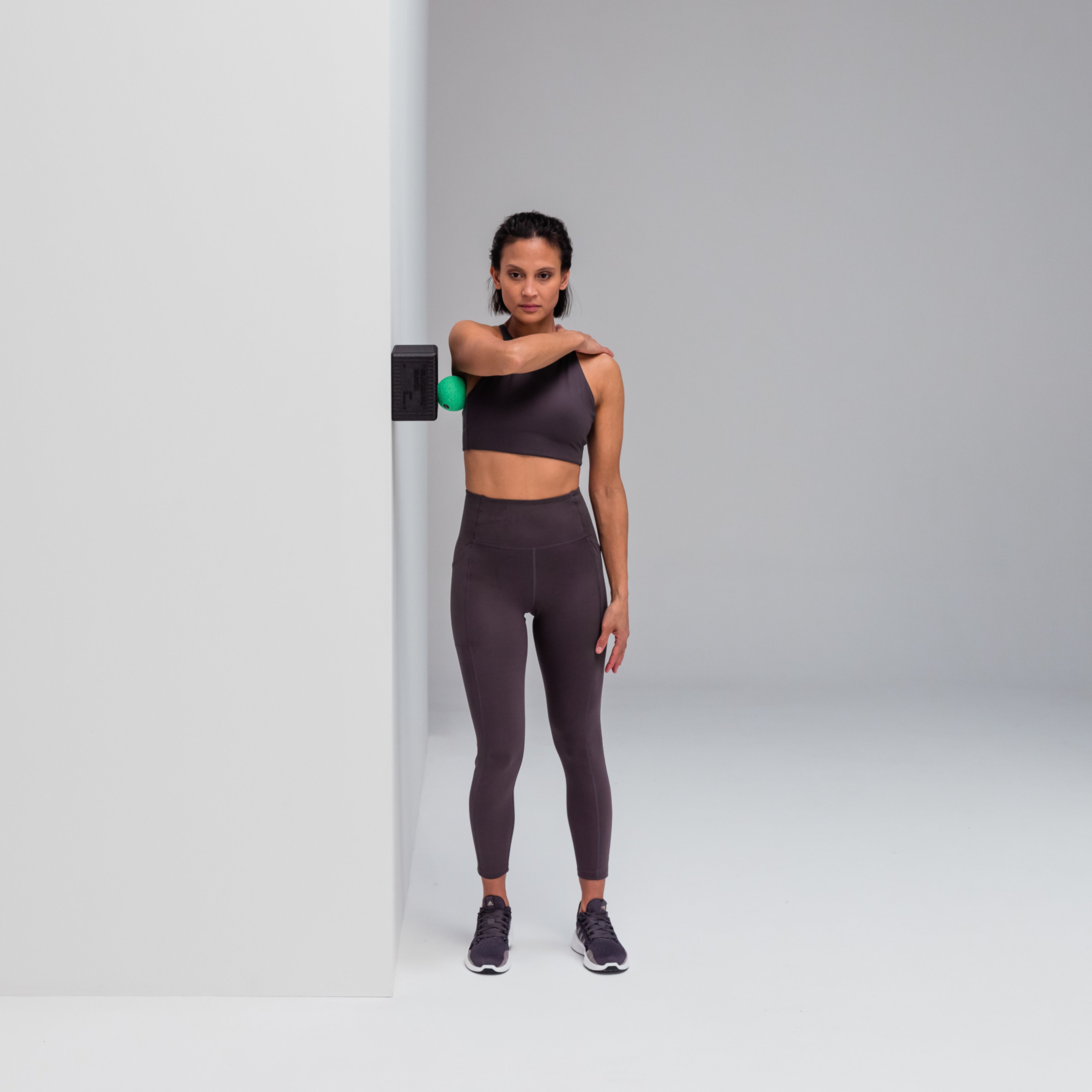
Subscapularis Massage
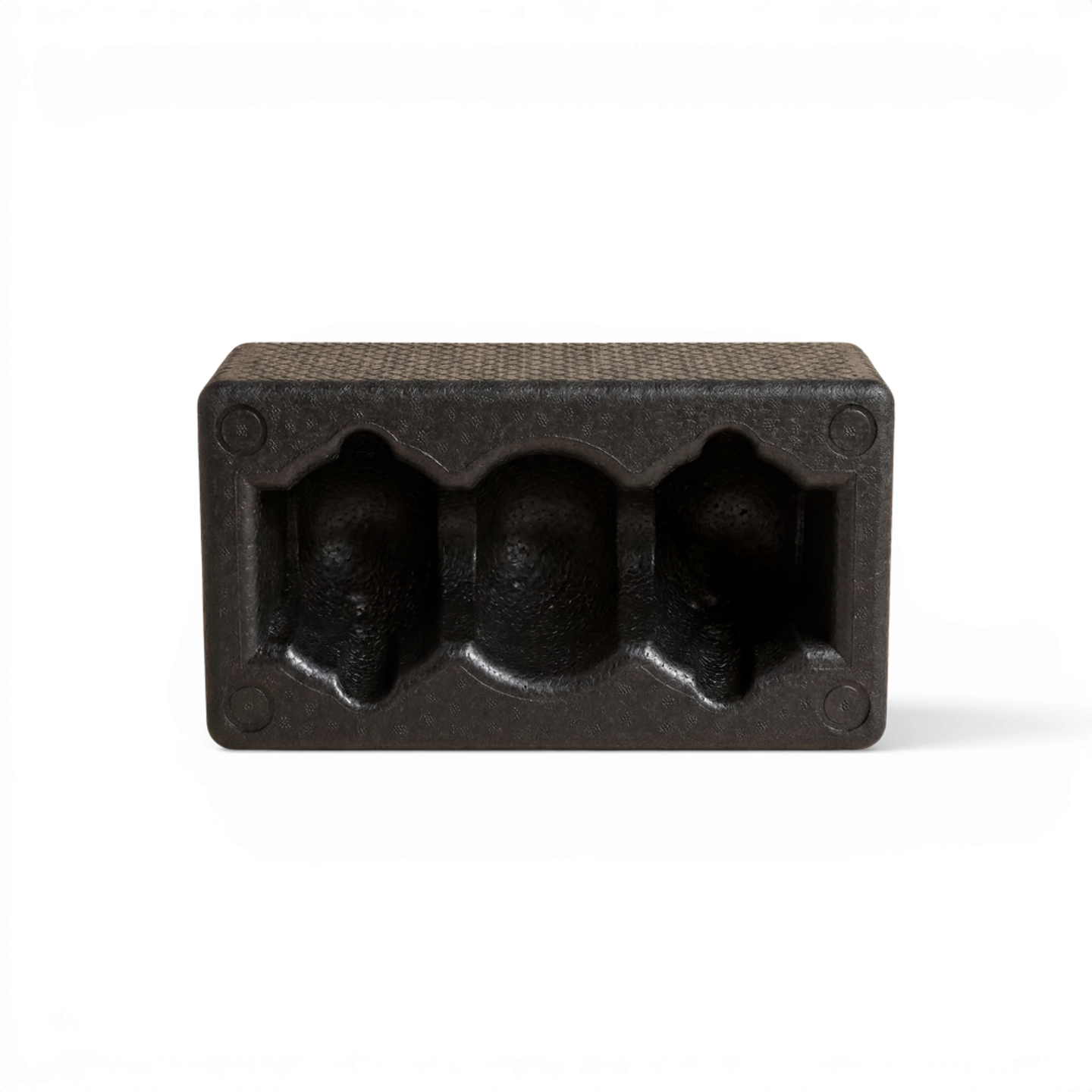
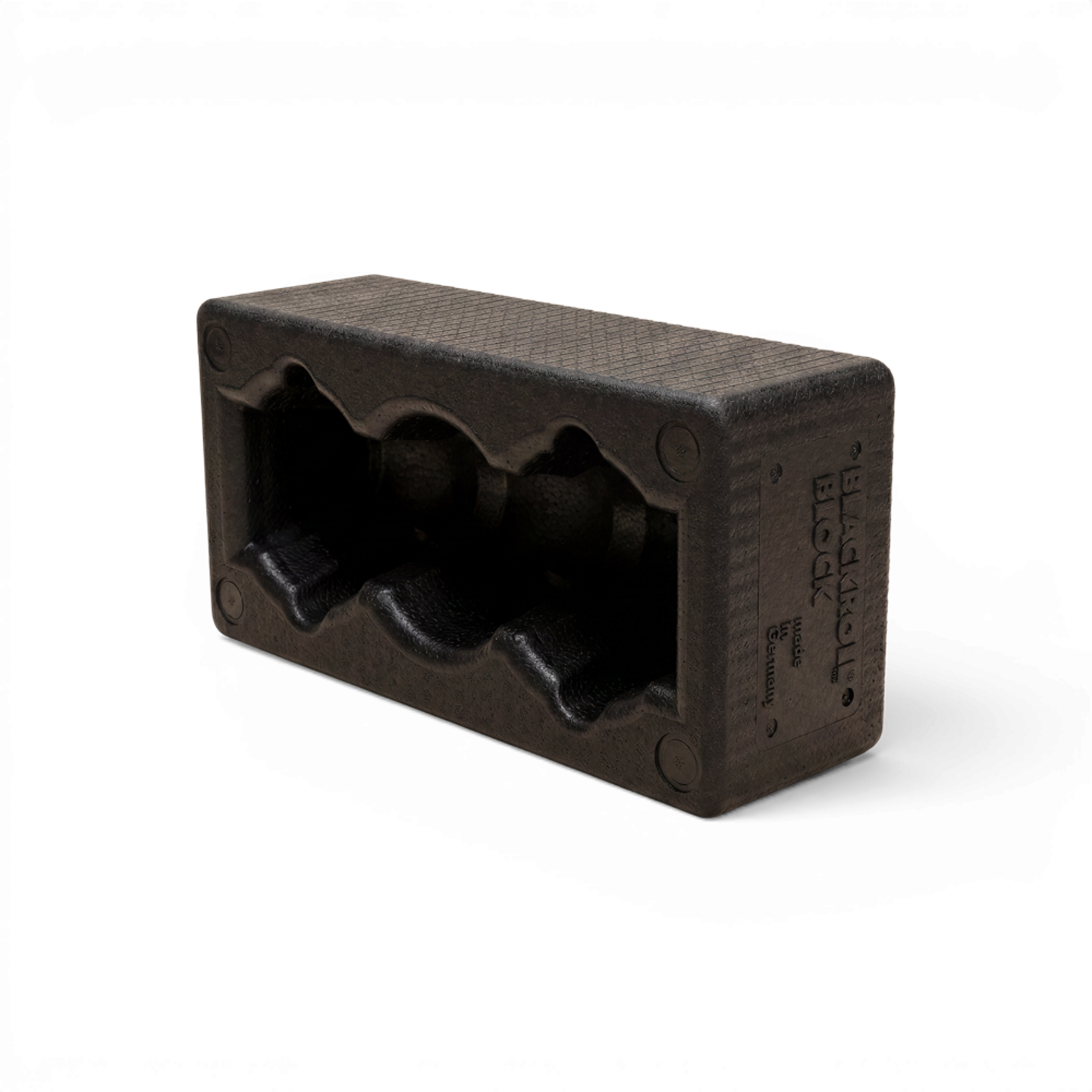
Position the BLOCK horizontally at shoulder height against a wall. Stand to the side of it. Placethe BALL in the lower part of your armpit. Press it horizontally backward into the tissue.
Hold this position for as long as you like. Try to relax even more deeply with each breath.
This exercise also works without the BLOCK
Shoulder Massage
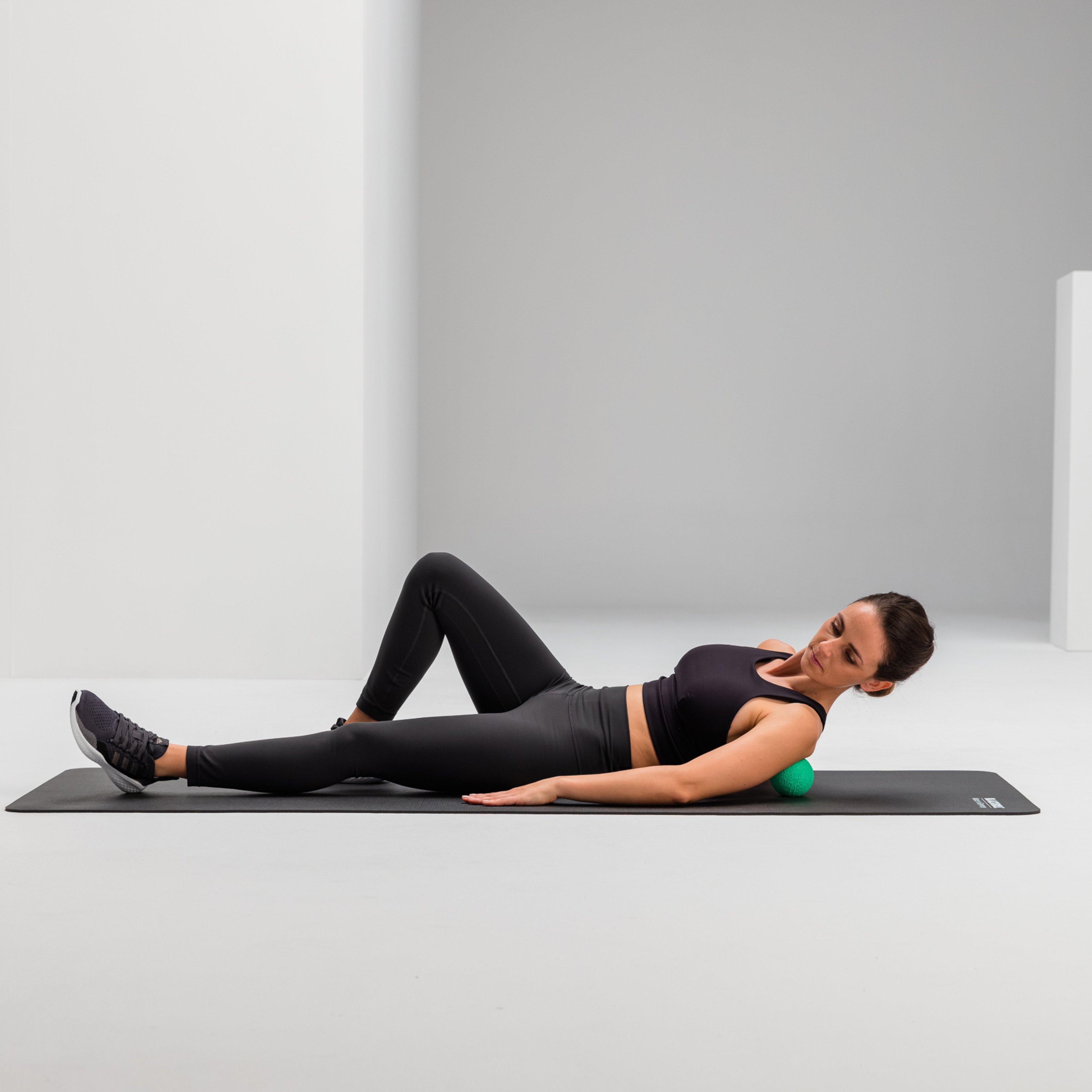
Start by lying on your back. Place the BALL under your shoulder. Lift your legs. Slowly move your upper body back and forth to massage your shoulder.
Tips for Preventing Injuries
These simple tips can help prevent injuries, especially in the shoulder area and the rotator cuff:
- Warm-up: Before any physical activity, you should prepare your muscles and joints with a targeted warm-up routine. This promotes blood flow and prepares your body for the upcoming exertion.
- Proper Technique: Pay attention to correct form during athletic movements, especially when lifting weights. Incorrect technique significantly increases the risk of injury.
- Controlled movements: Avoid fast and uncontrolled movements, as they can overburden the joints and ligaments. Perform exercises slowly and precisely.
- Regular Strength Training: Strong muscles protect the joints and prevent overuse. Specific strength training for the rotator cuff stabilizes the shoulder and prevents injuries.
- Avoid overuse: Training that is too intense or increasing the workload too quickly can lead to overuse injuries. Increase your training intensity gradually and allow yourself sufficient rest periods for recovery.
By incorporating these tips into your workout routine, you can significantly reduce the risk of injury and benefit from healthy shoulder function in the long term.
BLACKROLL products for the exercises
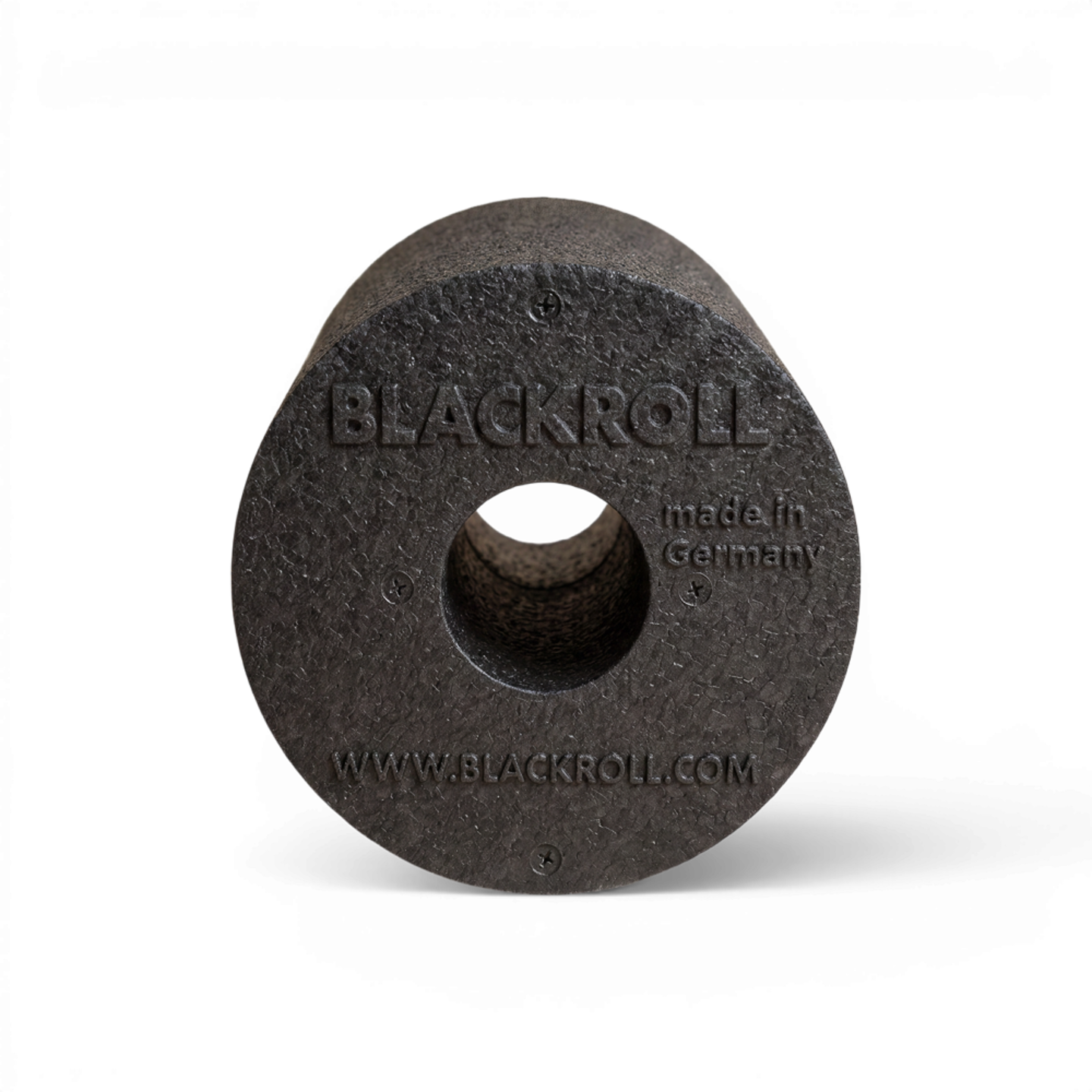
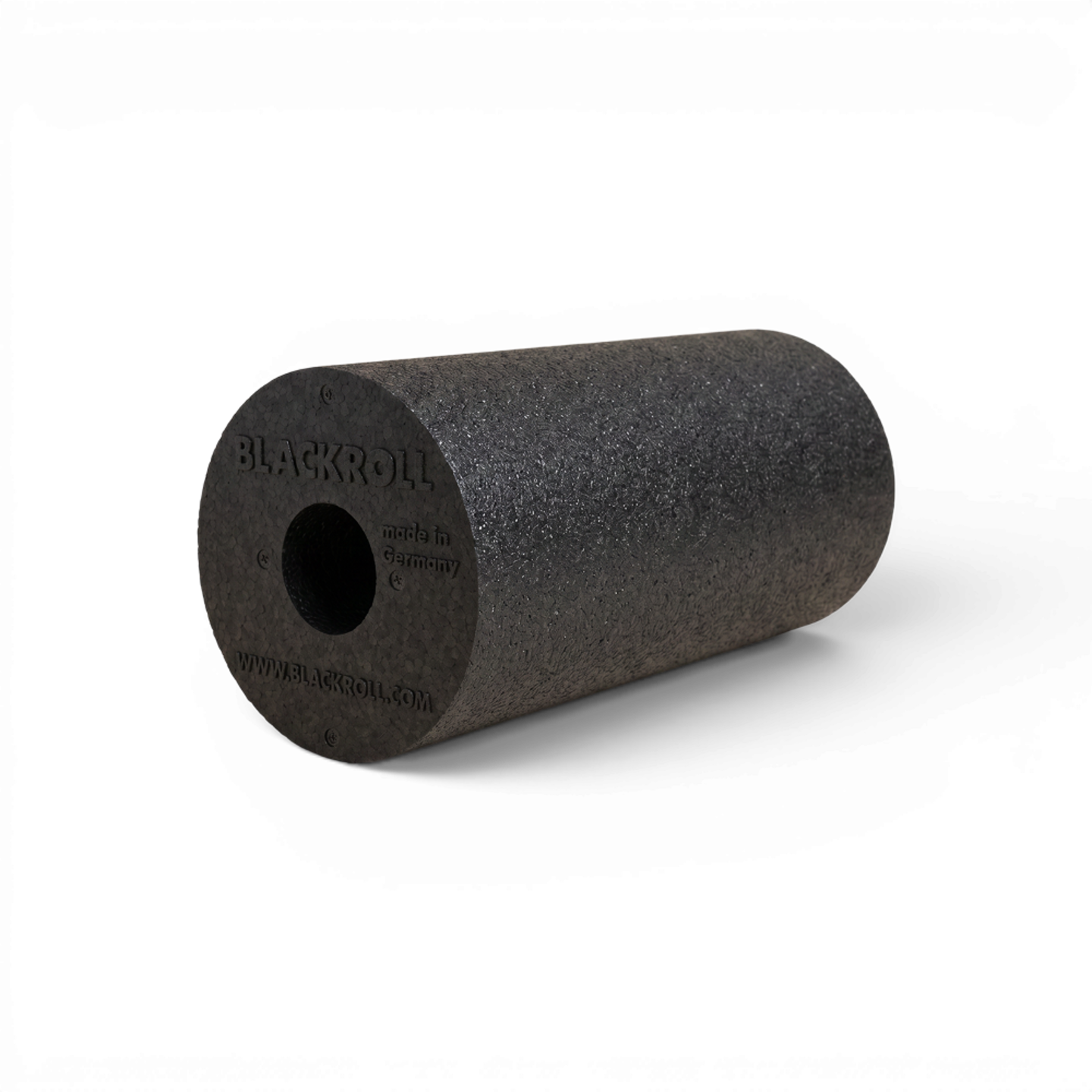
Standard
Available in multiple variants
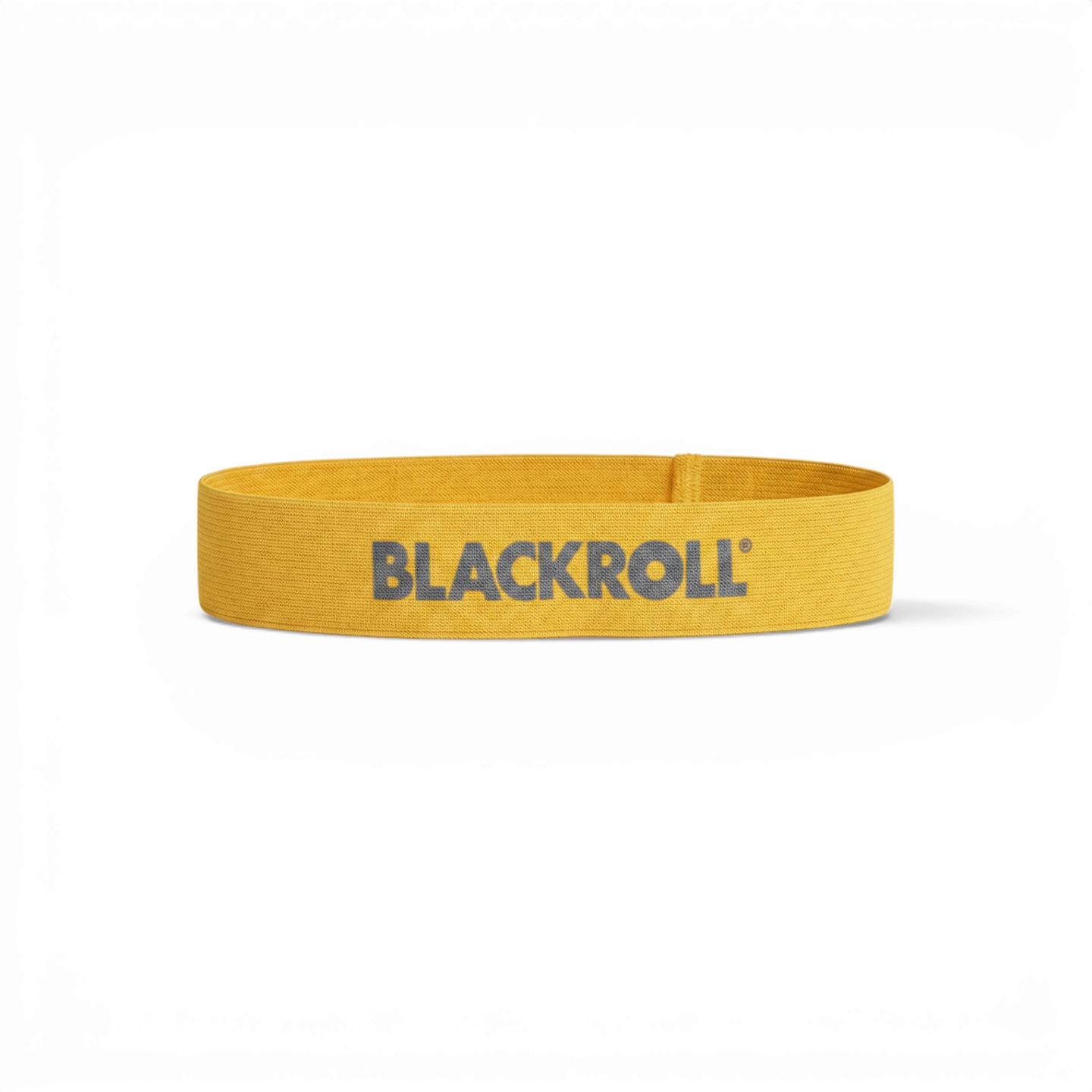
Loop Band
Available in multiple variants
Ball 08
Available in multiple variants
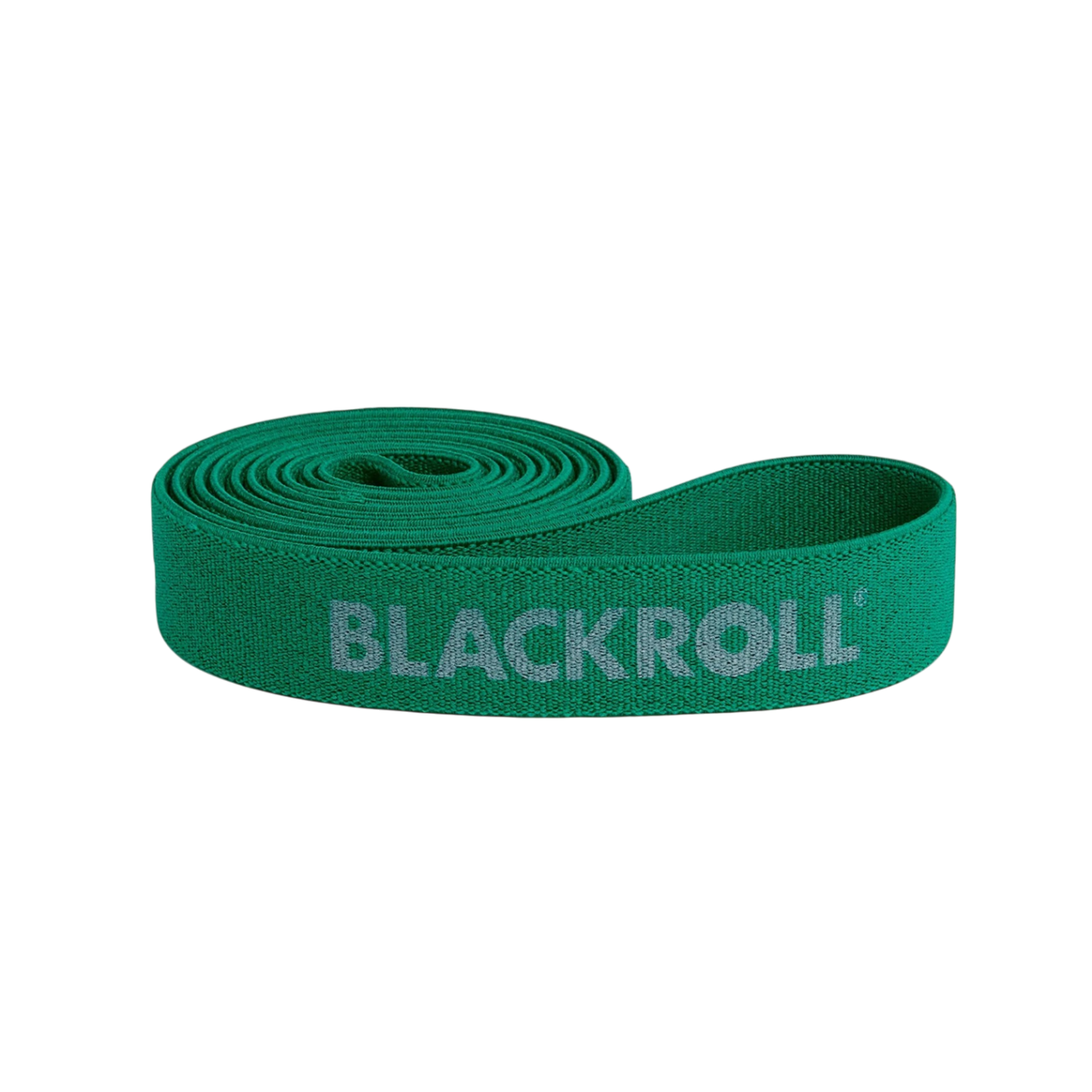
Super Band
Available in multiple variants