Fascia Ball Exercises
Fascia Ball Exercises: Simple Exercises You Should Know!
Time
- 25 minutes
- 8 exercises
The Most Effective Exercises with the Ball
Do you have a fascia ball at home but have never really used it because you don’t know how?
Then we have just the right exercise routine for you. Our Master Trainer & yoga instructor Stefan will show you how to use the BALL correctly and relieve tension with simple exercises!
Grab your BALL, your EXERCISE MAT, and watch this video:
Benefits of Exercising with a Myofascial Ball
1. Releasing Tension and Adhesions
The fascia ball is an effective tool for releasing adhesions in connective tissue, or fascia. These adhesions often result from stress, lack of exercise, or repetitive strain. By applying targeted pressure to tense areas, the fascia ball helps restore the tissue’s elasticity and relieve pain.
2. Improved Mobility and Flexibility
Regular use of the fascia ball improves the body’s flexibility. By working on adhesions in the fascia, it increases range of motion and joint mobility, which has a positive effect on overall posture.
3. Pain Relief for Muscle Tension
Especially for muscle tension—such as in the neck, back, or shoulders—the fascia ball can help reduce muscle tension and alleviate associated pain through targeted pressure and massage.
4. Promoting blood circulation and recovery
Using the fascia ball promotes blood circulation in the targeted muscle groups. This leads to a better supply of oxygen and nutrients to the tissues, which accelerates recovery and supports the healing process following injuries or intense training sessions.
5. Improving body awareness
Working with the fascia ball trains mindfulness and body awareness. By focusing on specific muscle groups and paying attention to the pressure of the ball, you become more aware of your own tension. This helps you recognize poor posture and improve movement patterns.
6. Stress Relief and Relaxation
Self-massage with a fascia ball is not only physically beneficial but also mentally relaxing. Targeted pressure on tense muscle areas helps calm the body and reduce stress, which has a positive effect on overall well-being.
7. Injury Prevention
Regular fascia ball exercises can maintain or even improve tissue elasticity. Flexible fascia reduces the risk of injuries, especially during sports, as the body becomes more resilient and adaptable to sudden movements.
8. Ease of Use and Versatility
The fascia ball is a compact and easily accessible tool that can be used anywhere—whether at home, in the office, or at the gym. It is suitable for a wide range of muscle groups and can be customized to suit individual needs.
The Best Exercises for Your Back
Back pain and tension are among the most common complaints caused by prolonged sitting, poor posture, or stress. The BALL 08 is an ideal tool for targeting specific tension points in the back and loosening the connective tissue. With the right exercises, you can effectively relieve pressure on your back, improve mobility, and release muscle tension. Here, we’ll show you the best exercises for your back that you can easily do at home or in the office.
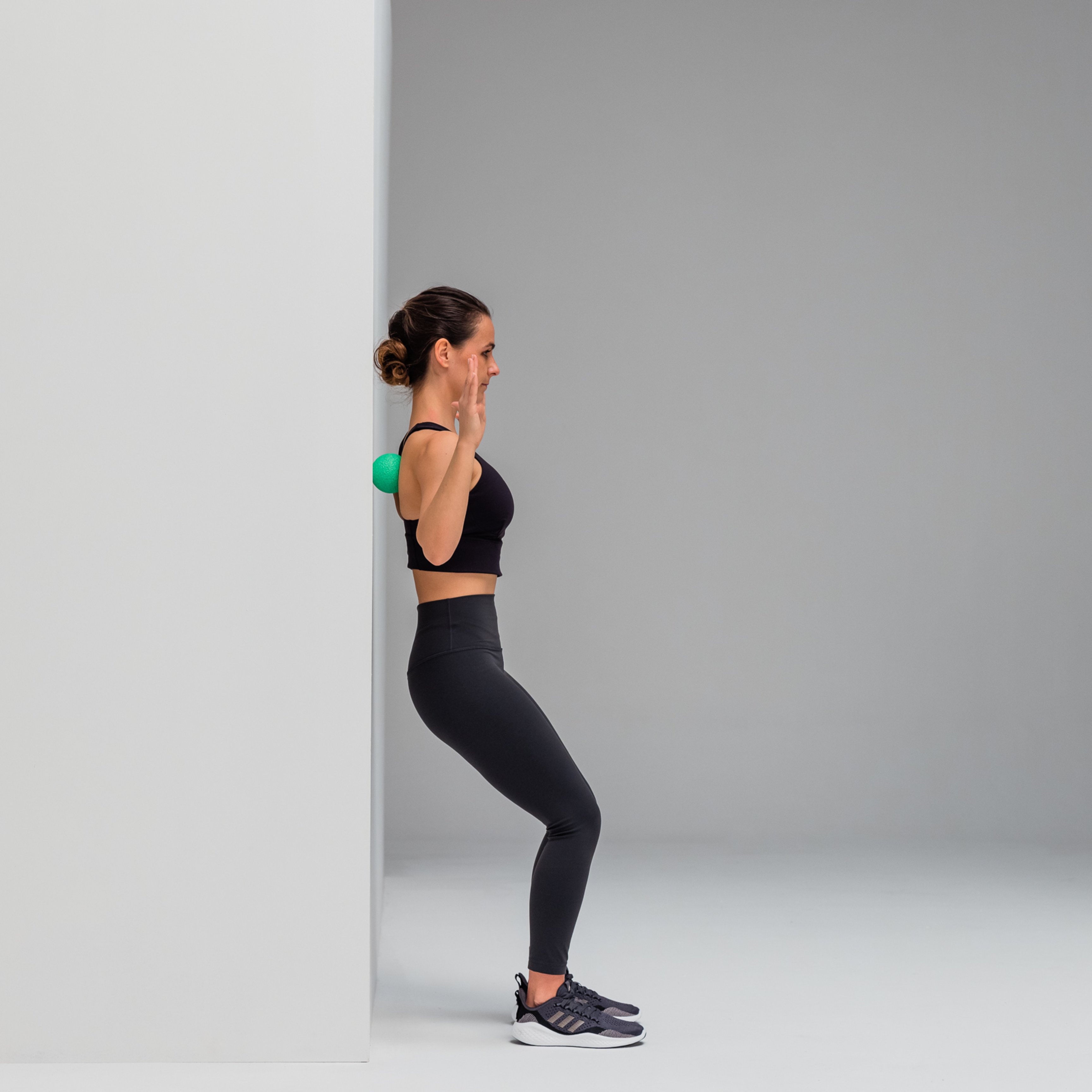
Wall Angel
Stand against a wall. Place the BALL between your upper back and the wall. Now raise your arms above your head. Return to the starting position.
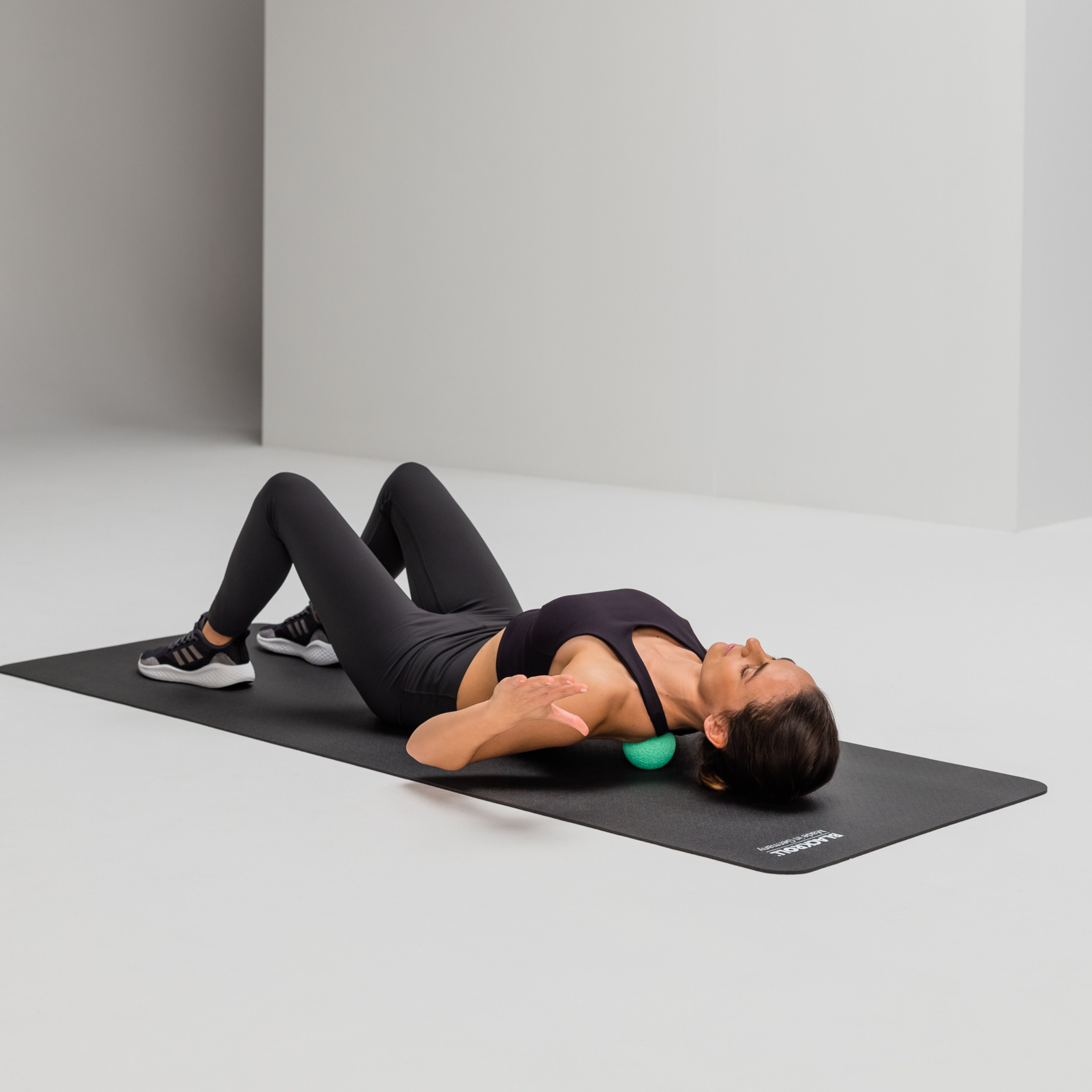
Back Mobilization
While lying on your back, place the BALL 08 under your upper back. Move your straight arm up and down.
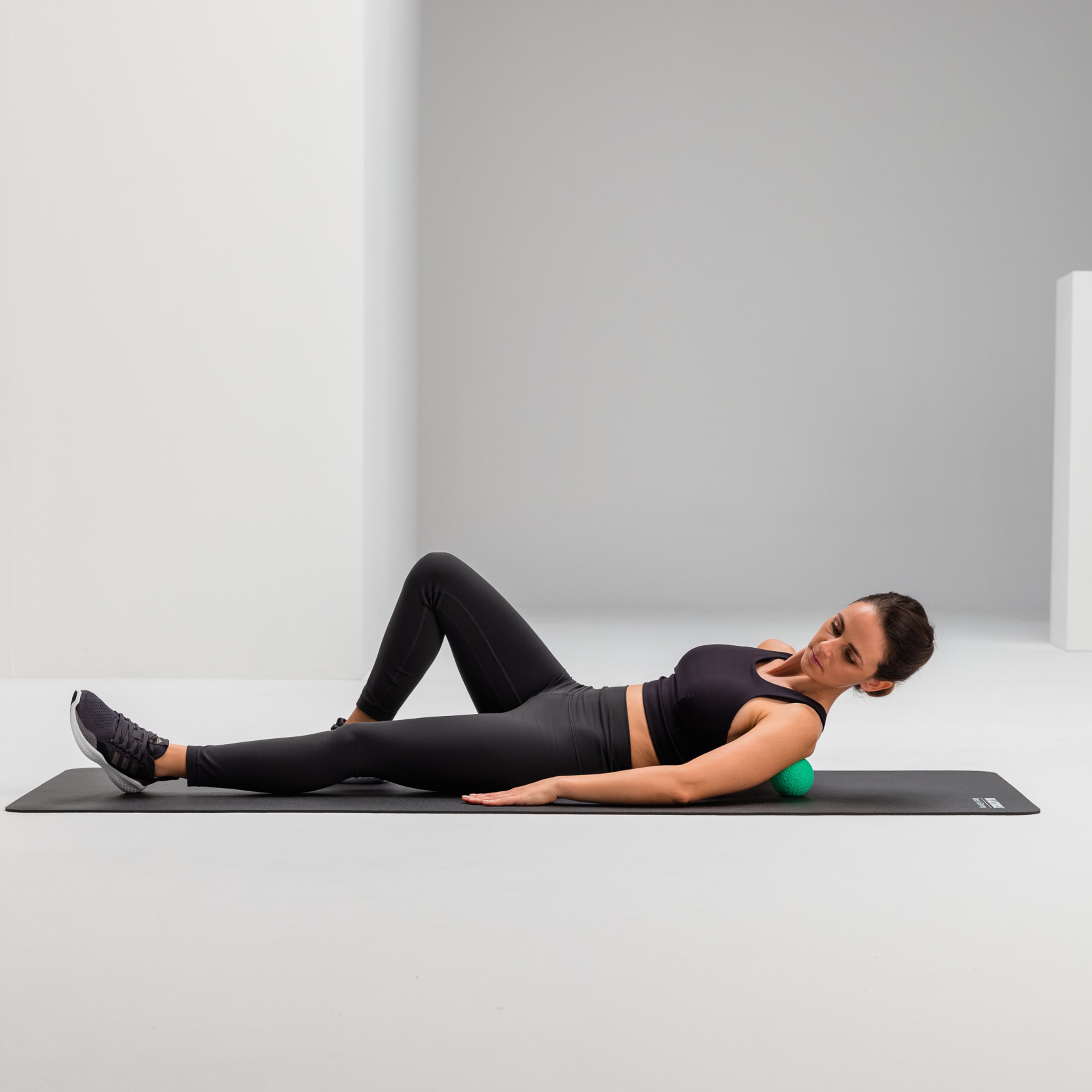
Targeted Back Massage
While lying on your back, place BALL 08 under your upper back. Secure it under a tender spot. Focus on your breathing while doing this.
As soon as the pain subsides, move your outstretched arm from top to bottom. Then locate another pain point and repeat the process.
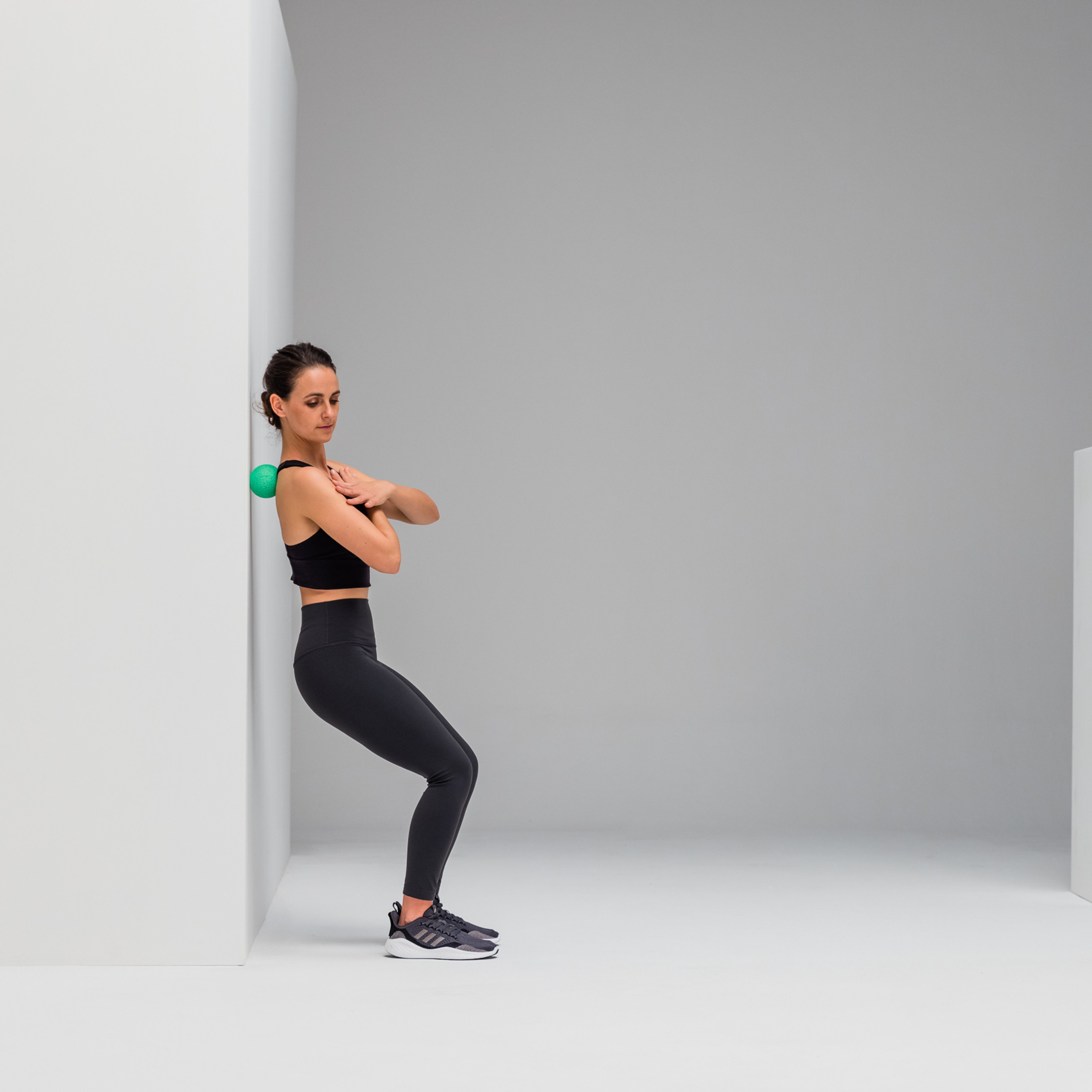
Back massage
Stand against the wall. Placethe BALL between your upper back and the wall. Bend and straighten your knees to slowly roll up and down.
Rotate your upper body slightly to the right and left so that you target all areas of the muscles. You can adjust the pressure as desired.
Fascia Ball Exercises for the Legs
Tired and tense legs are often the result of standing for long periods, intense workouts, or a lack of exercise. With targeted fascia ball exercises, you can release adhesions in the connective tissue of your legs, promote blood circulation, and reduce muscle tension. Whether after a strenuous day or to recover after a workout—the following exercises will help you relax your legs and improve their flexibility.
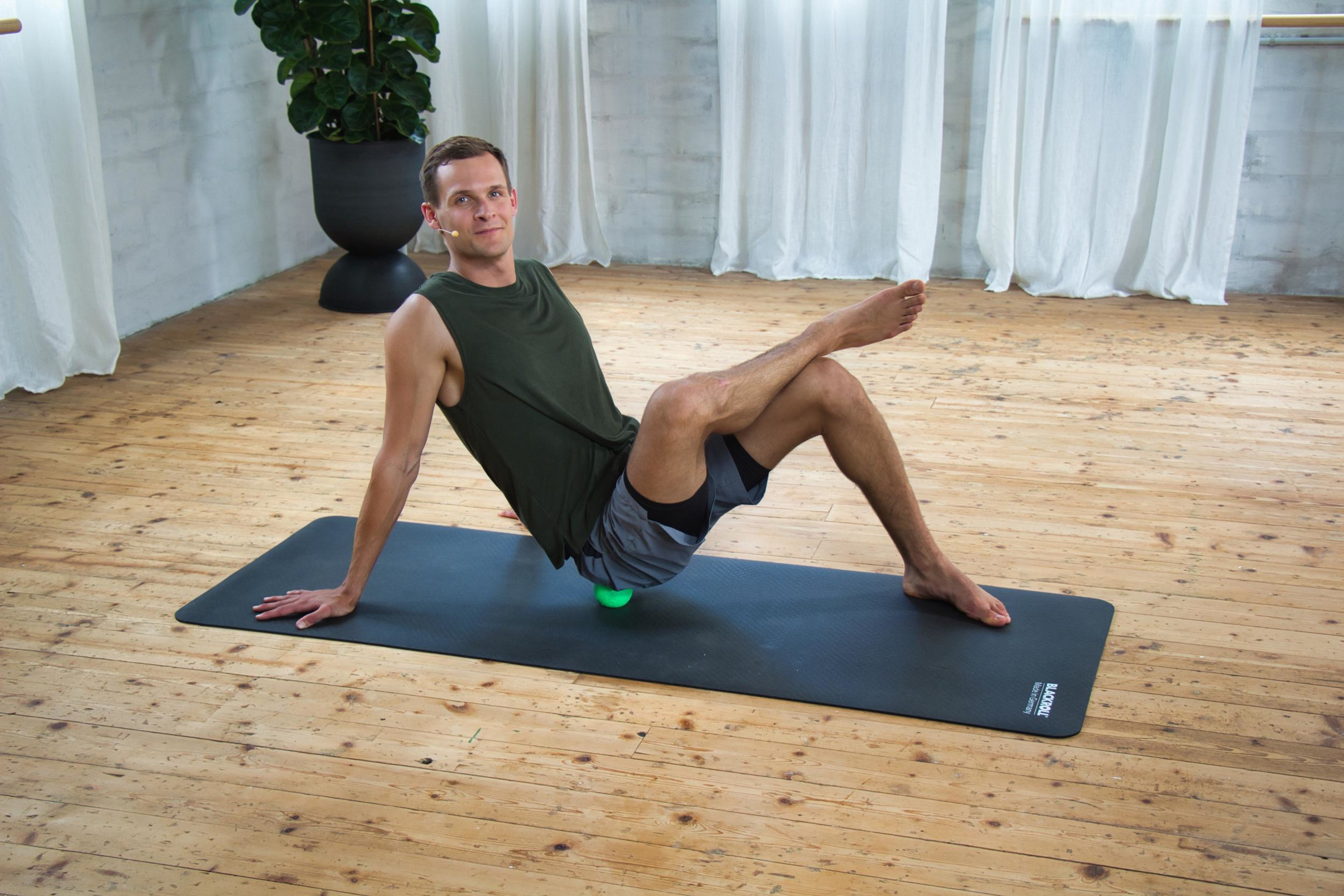
Triggering the Back of the Thigh
While sitting, place your thigh on the BALL 08. Look for a tender spot. Hold this position. Focus on your breathing while doing so.
As soon as the pain subsides, bend and straighten your knee.
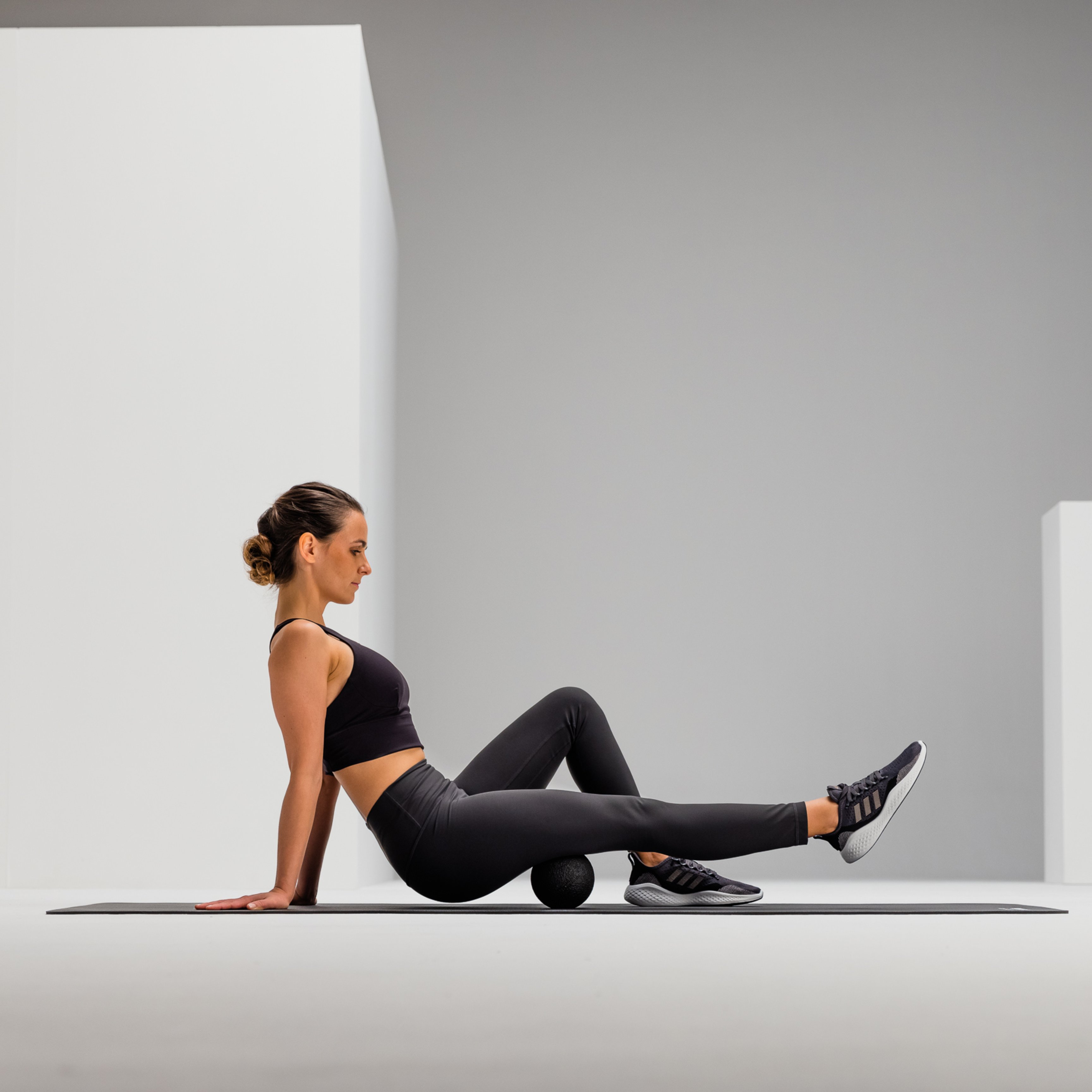
Targeted massage of the front of the thigh
Place the BALL in the forearm support under your thigh. Find a tender spot. Hold this position. Focus on your breath.
As soon as the pain subsides, bend and straighten your knee.
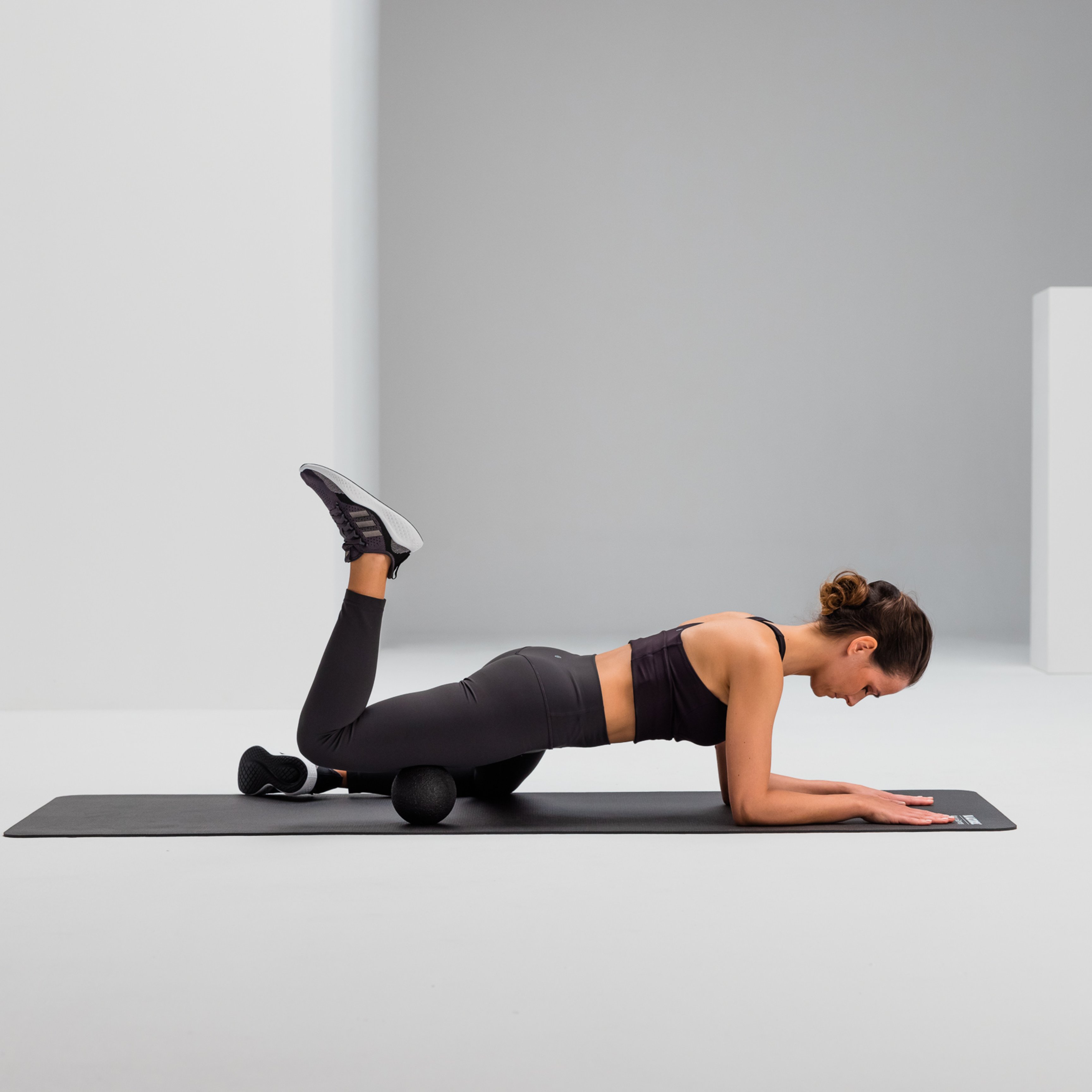
Back of the knee massage
Sit on a chair. Bring the leg you want to work on toward you. Place a BALL 08 between your thigh and lower leg. Use your arms to pull your lower leg toward your body to target pain points.
To mobilize the tissue, start with circular movements in your ankle joint.
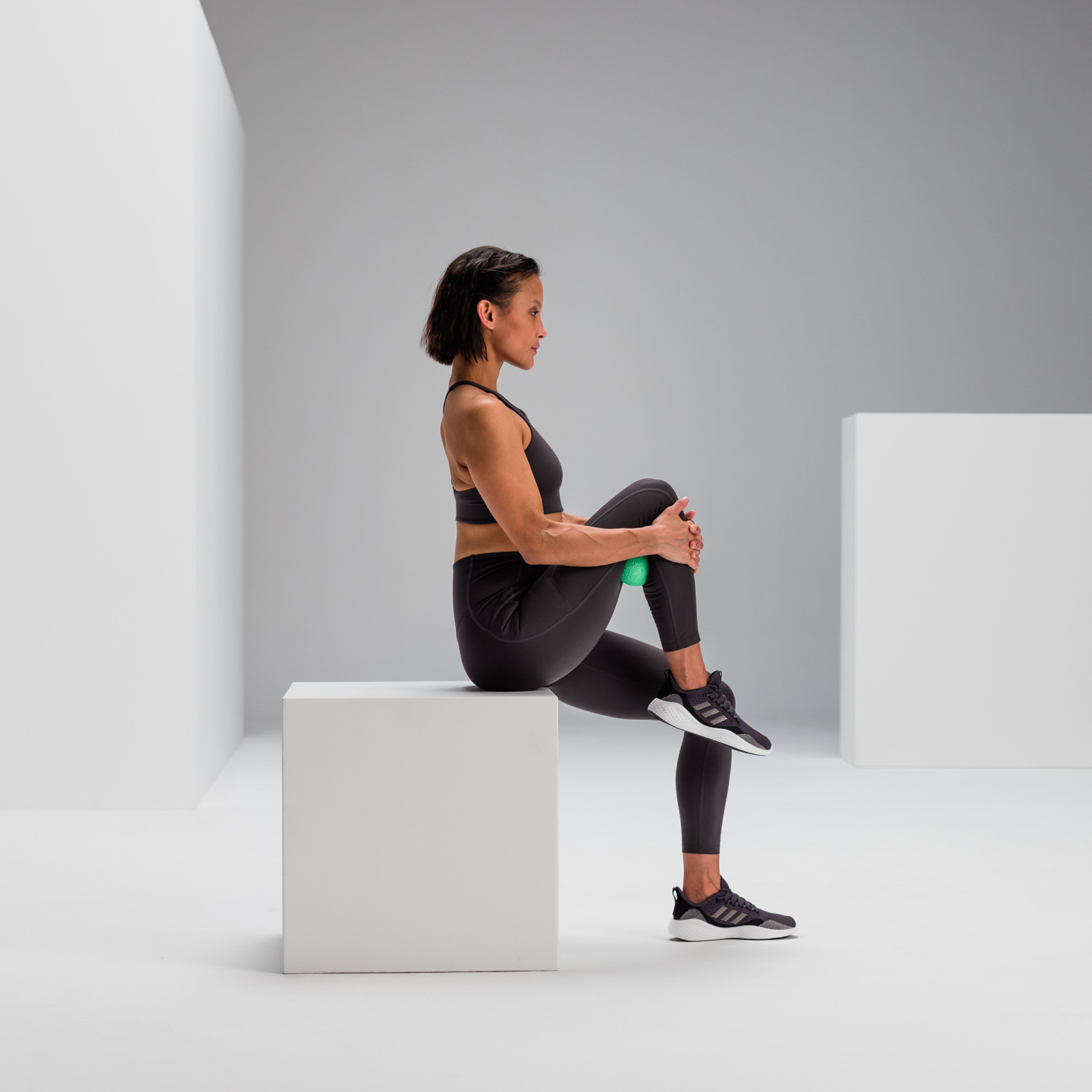
Treatments for the Shoulders and Neck
Many people suffer from tension in the neck and shoulder area, which can be caused by stress, poor posture, or long hours working at a desk. The fascia ball is an effective tool for applying targeted pressure to tense muscle areas in these regions and releasing the fascia. With some very simple exercises, you can improve your mobility, relieve pain, and relax the muscles in this area. The following exercises show you how to use the fascia ball effectively for your shoulders and neck:
Triggering the Chest Muscles
Start by lying on your stomach. Place the BALL under your chest. Look for a tender spot. Hold this position. Focus on your breathing while doing so.
As soon as the pain subsides, raise and lower your arm.
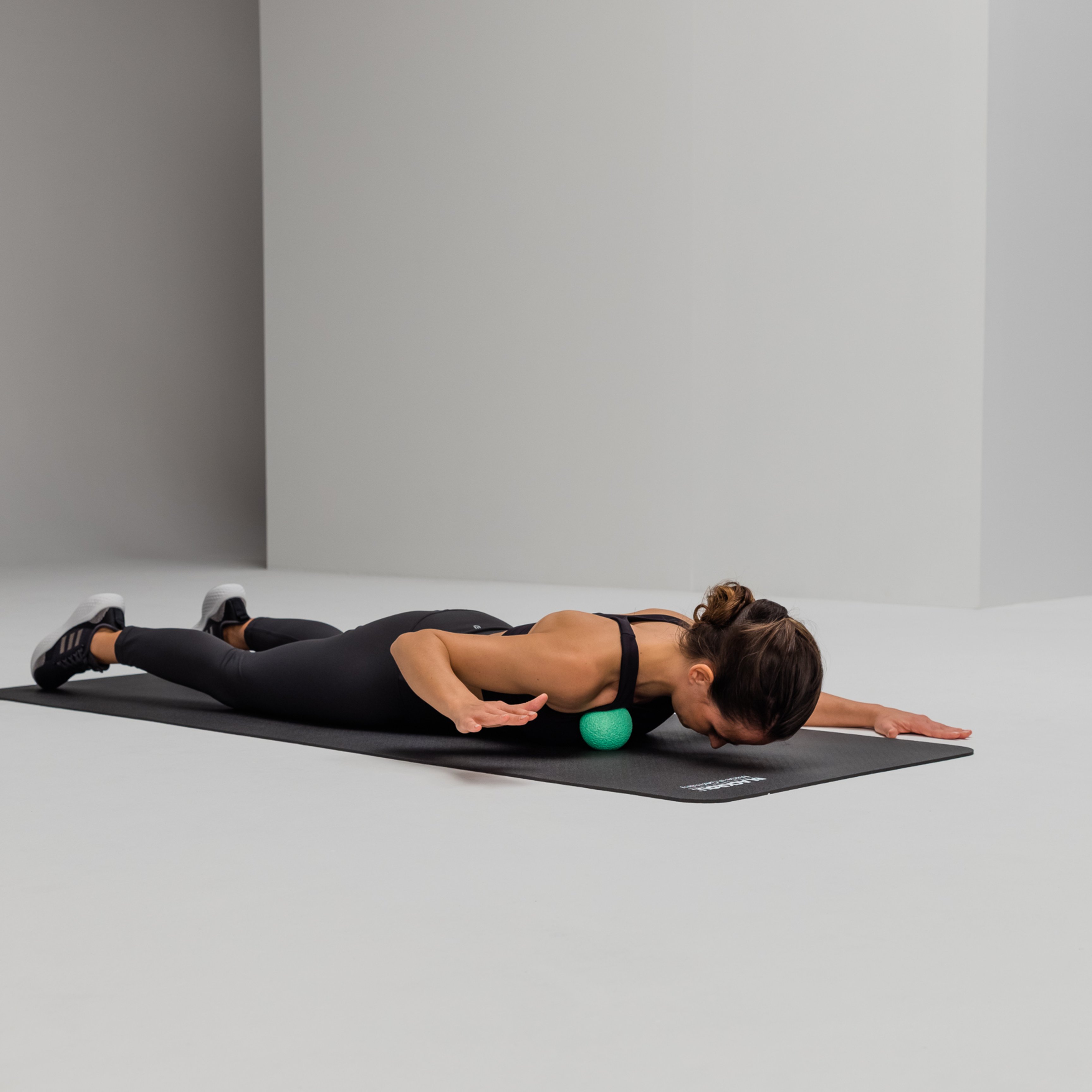
Posterior deltoid massage
Lie on your side on the floor. Extend your lower arm. Position the BALL08 under your shoulder. Tilt your body very slightly backward. Find a tender spot. Stay on that spot.
The ball must not rest in your armpit. As soon as the initial pain has subsided slightly, raise your forearm. Move your forearm forward and backward.
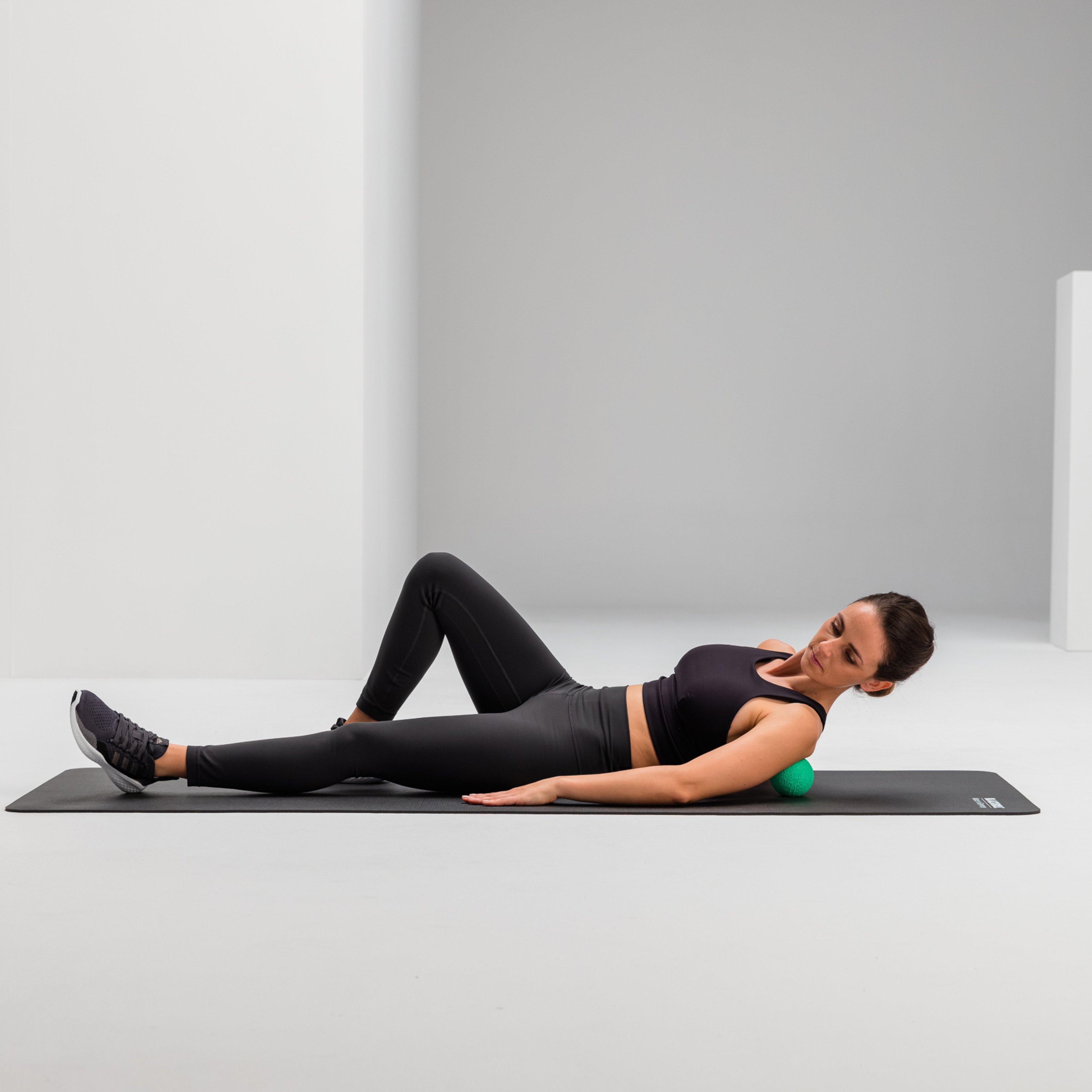
Subscapularis Massage
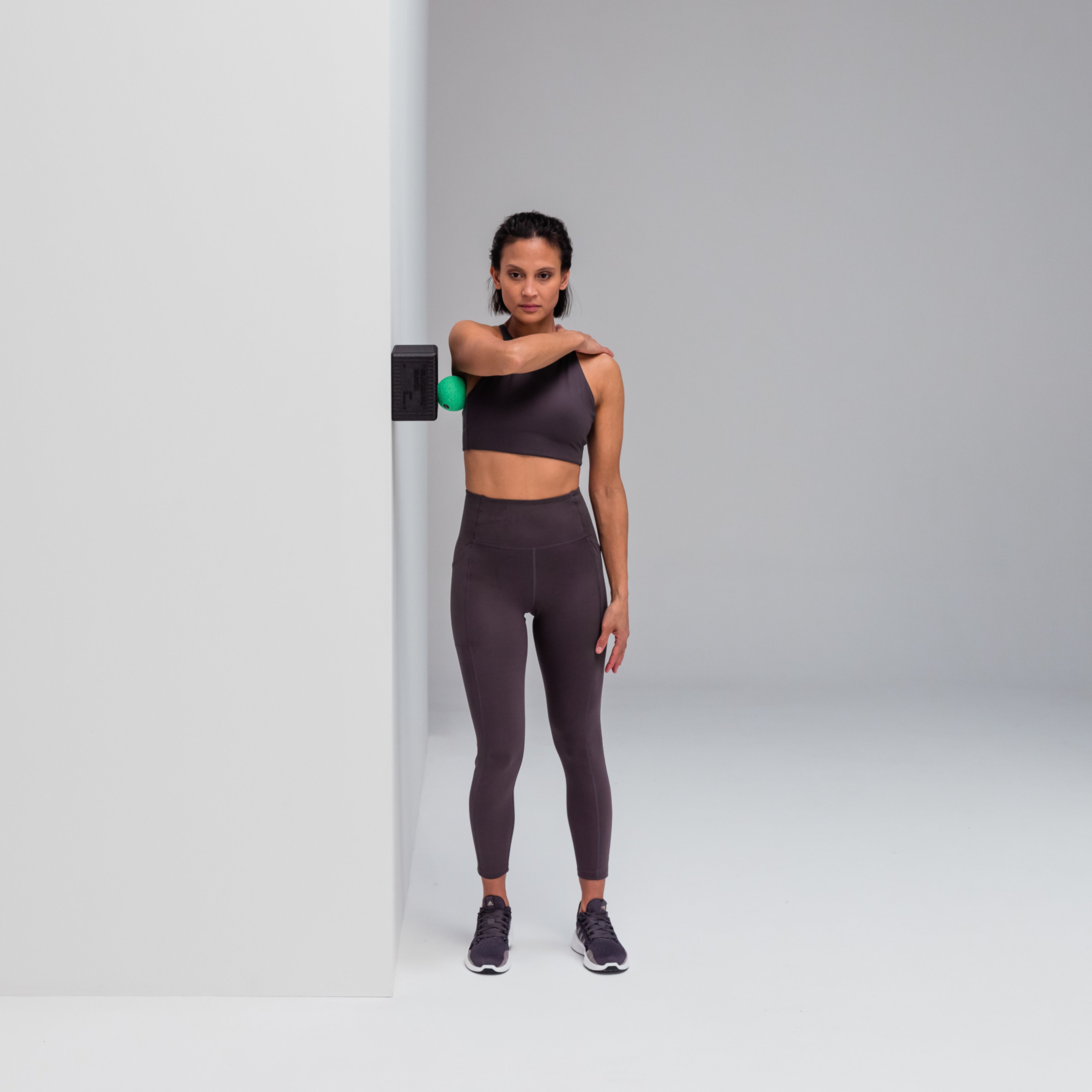
Upper Trapezius Massage
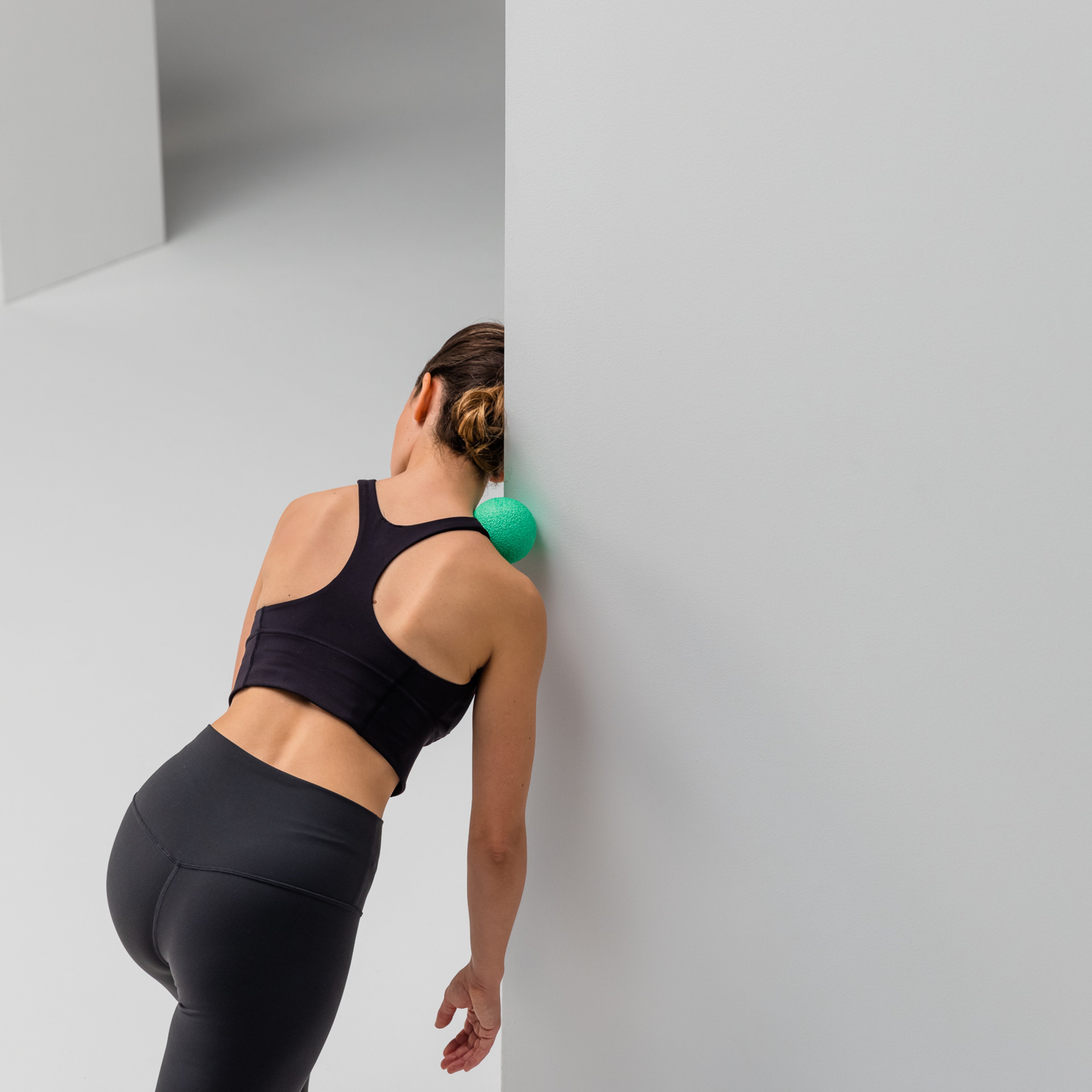
Stand next to a doorframe. Place the BALL to the side of the doorframe. Step into a lunge. Lean your upper body forward so that the BALL is wedged between the junction of your neck and shoulder and the doorframe. Work your trapezius muscle this way.
Your head should be in line with your spine. Let your arms hang loosely at your sides. Hold the position on any tender spots for about 15 seconds. While doing so, try to slowly move your head toward the opposite side.
The 10 Best Tips for Using a Foam Roller Correctly
Have you always been at a loss as to exactly what to do with your fascia ball? Thanks to our routine, you won’t be anymore. To help you get started safely with your fascia training, we’ve put together the 10 best tips for you here:
Start Slowly
Always start with gentle pressure and gradually increase the intensity. Your body needs time to get used to the pressure, and applying too much pressure at the beginning could cause pain or irritate the tissue. A gentle start allows the tissue to adjust gradually.
Apply targeted pressure
Focus on tense or painful areas, but avoid applying pressure directly to bones or joints. The fascia ball should only be used on soft tissue areas like muscles to maximize benefits and prevent injuries.
Breathe deeply and calmly
Pay attention to your breathing during the exercises. Deep, steady breaths help relax the body and make the fascia work more effective. Focus on breathing into the painful or tense areas to release the tension.
Pay attention to painful spots (trigger points)
If you come across a particularly painful spot, hold the pressure there for about 20–30 seconds. Stay calm, breathe deeply, and let the pain gradually subside. This can help release tension and adhesions.
Don’t overdo it
It’s important to listen to your body’s signals. If the pain becomes too intense or the muscle feels tense after the exercise, you should reduce the pressure. The exercises should be challenging but not excessively painful. If you’re unsure, it’s best to lower the intensity.
Consistency Over Intensity
Instead of doing very intense sessions infrequently, you should use the fascia ball regularly in short sessions. This promotes a lasting improvement in flexibility and muscle relaxation.
Incorporate a Warm-up and Cool-down
Fascia ball exercises are particularly effective when integrated into a workout. A light warm-up before use ensures that the muscles are better supplied with blood and more receptive to the massage. A final stretch after use supports the long-term relaxation of the tissue.
Combine with stretching exercises
Combine fascia ball use with stretching exercises. After working with the fascia ball, the tissue may be more flexible and receptive to stretching. This combination can further promote mobility and relax the muscles over the long term.
Choose the Right Ball
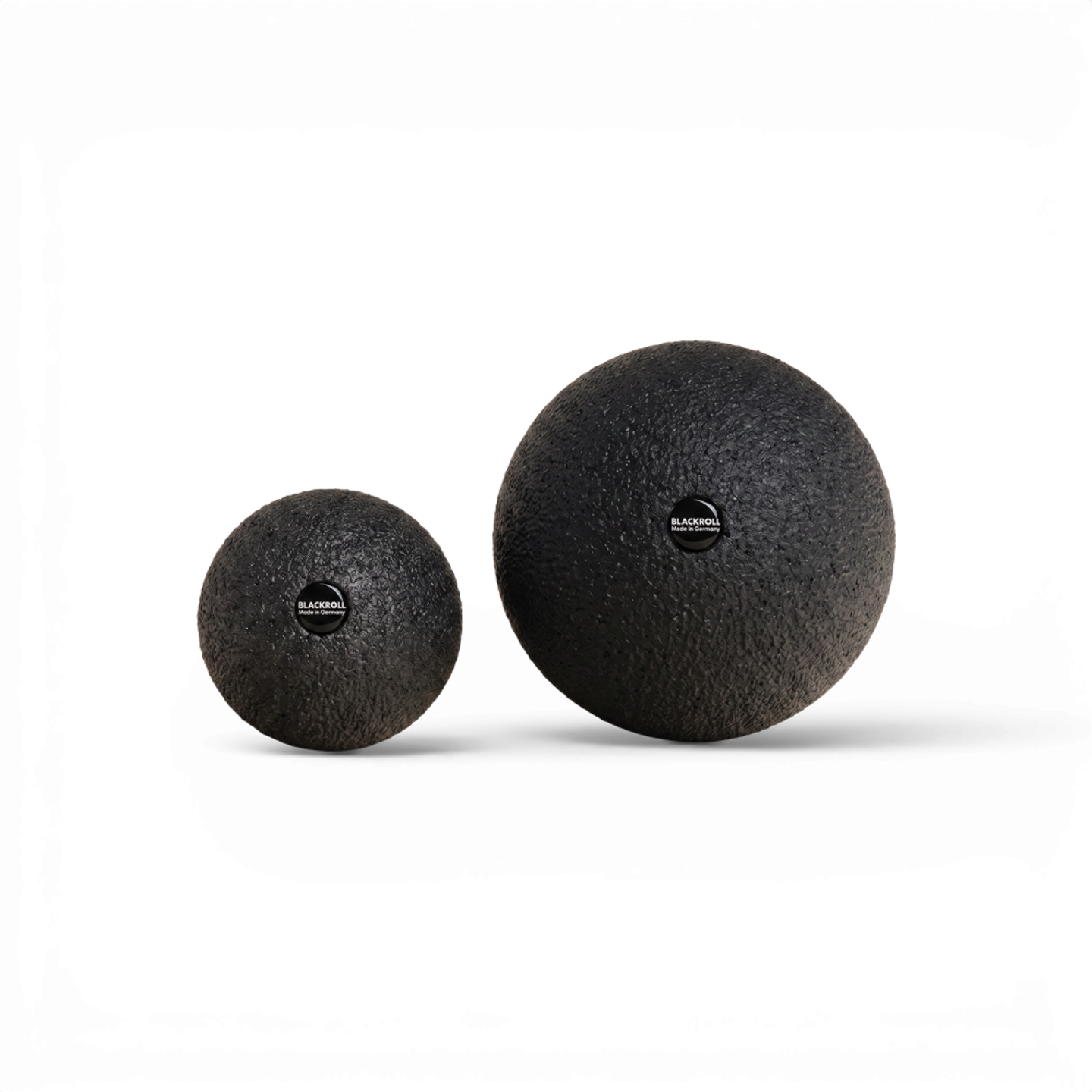
There are various fascia balls available in different sizes. Depending on the body area and your personal pain tolerance, you should choose the appropriate ball.
Here are the balls to choose from:
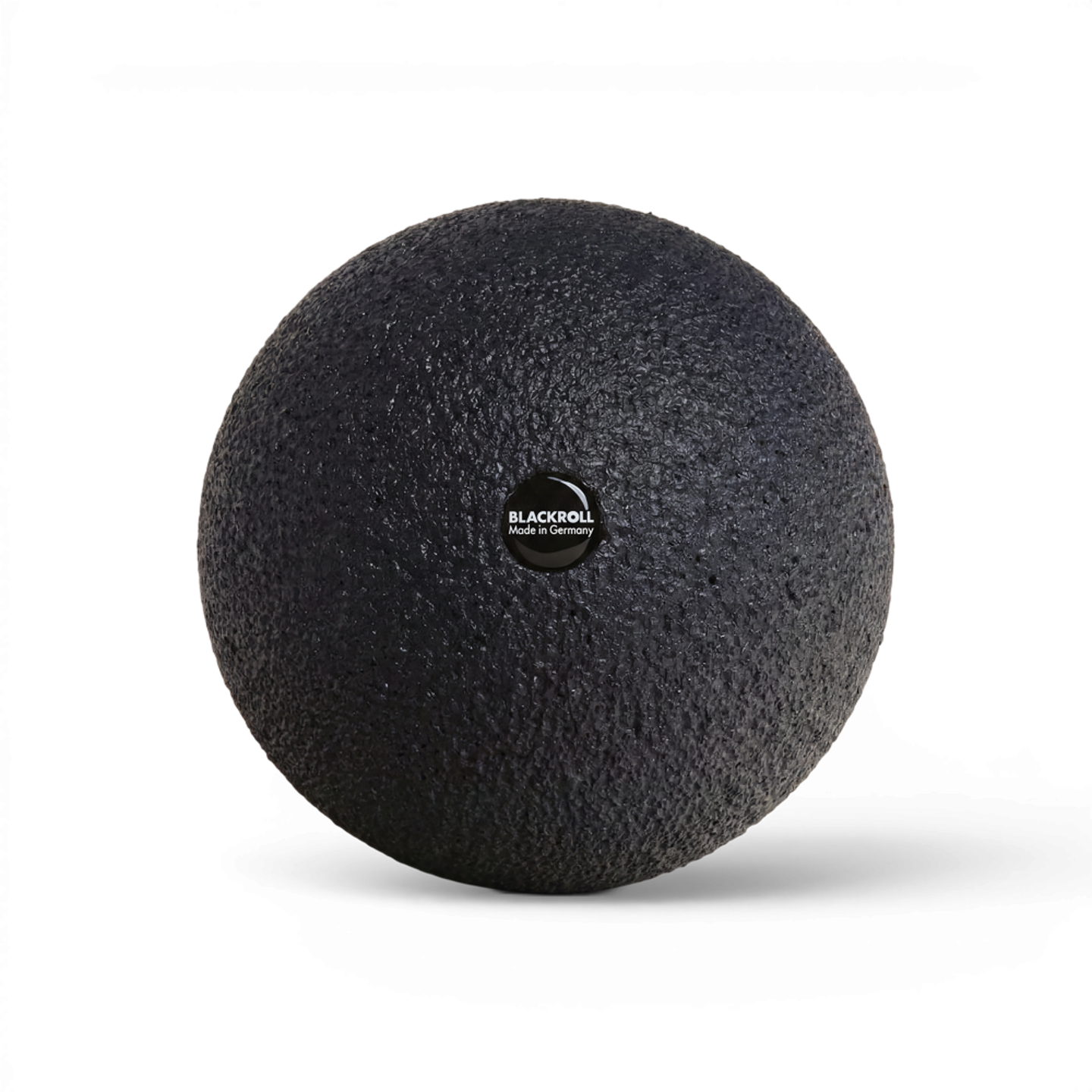
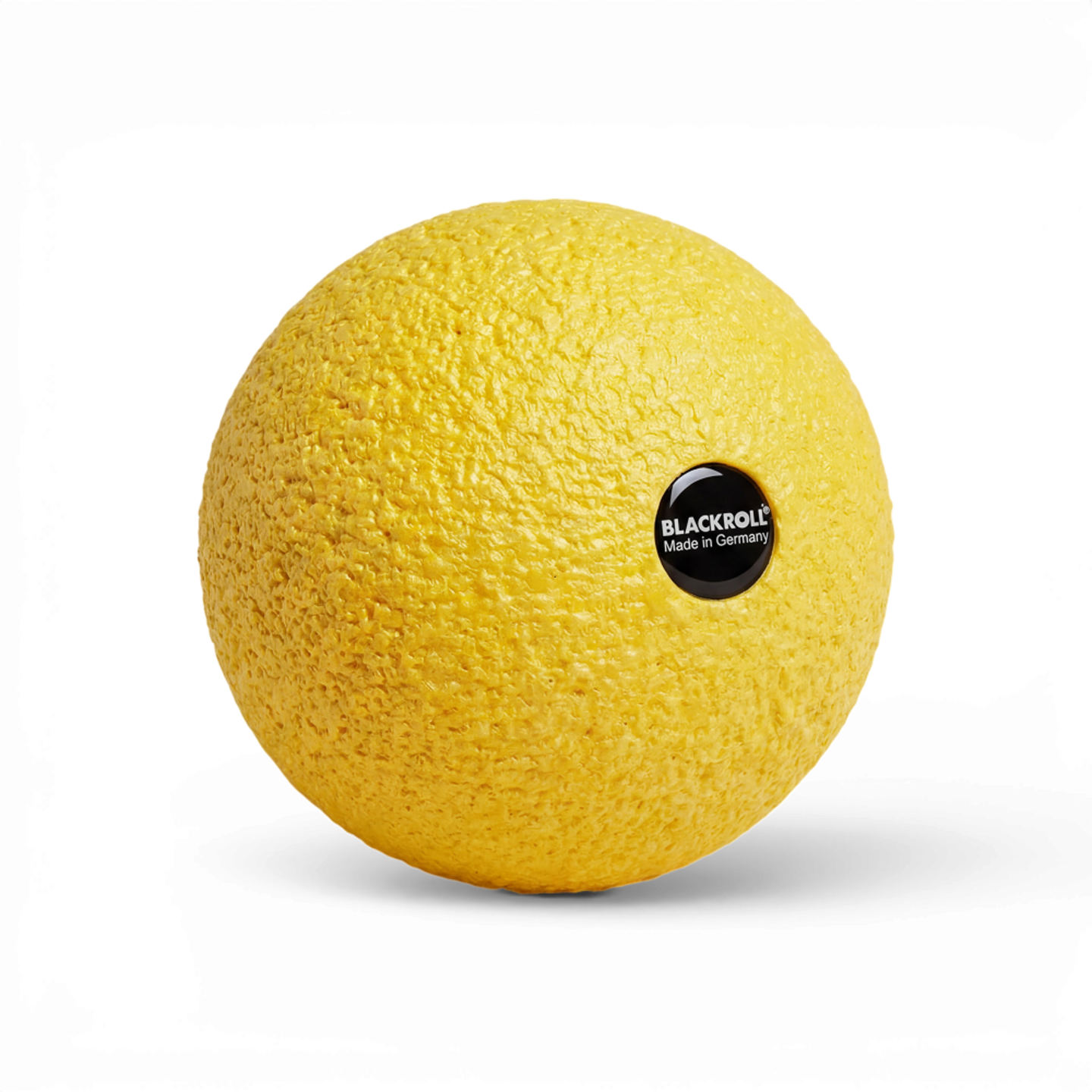
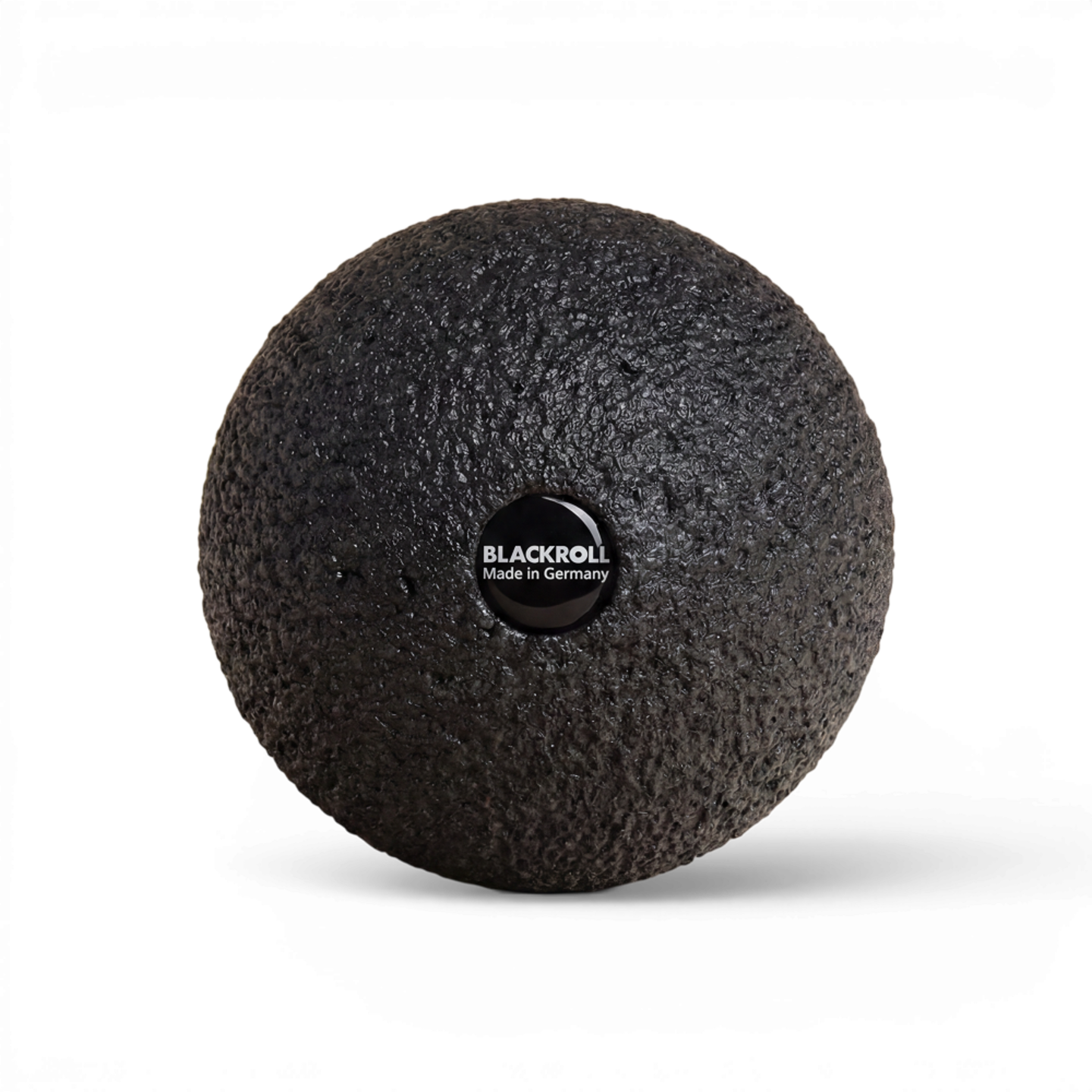
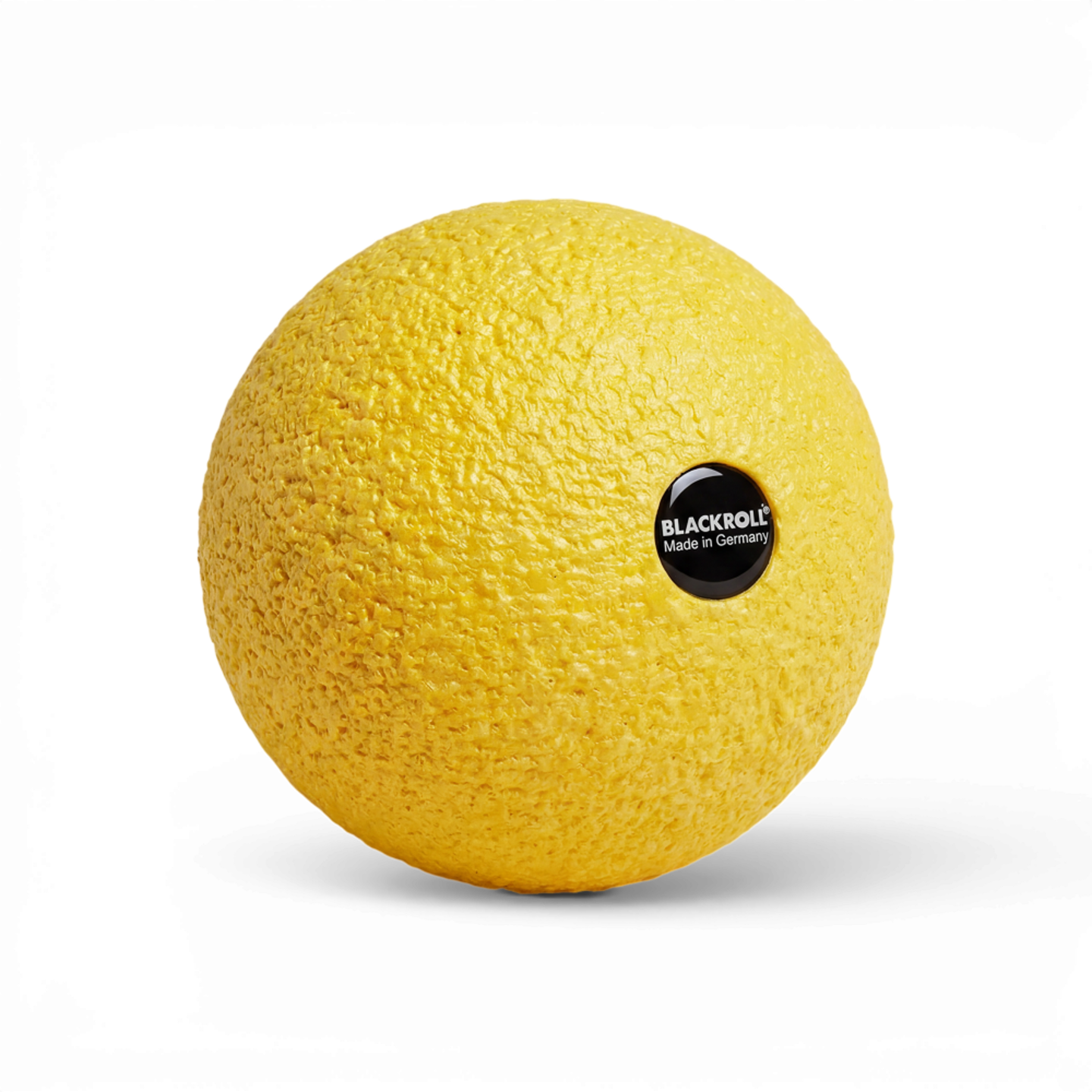
BALL 08: Intensive and precise relief for pain & tightness
BALL 12: Targeted relief for pain and tightness
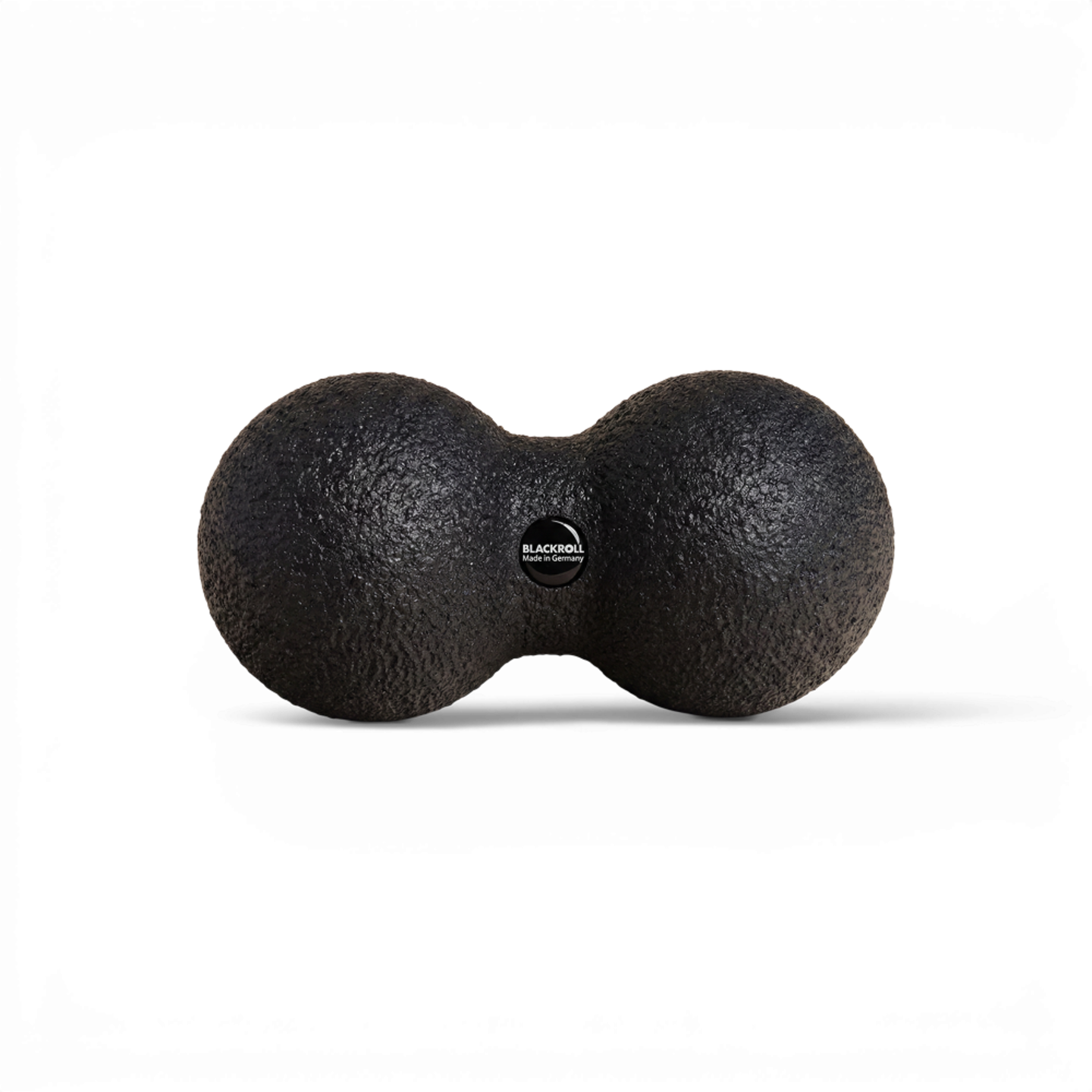
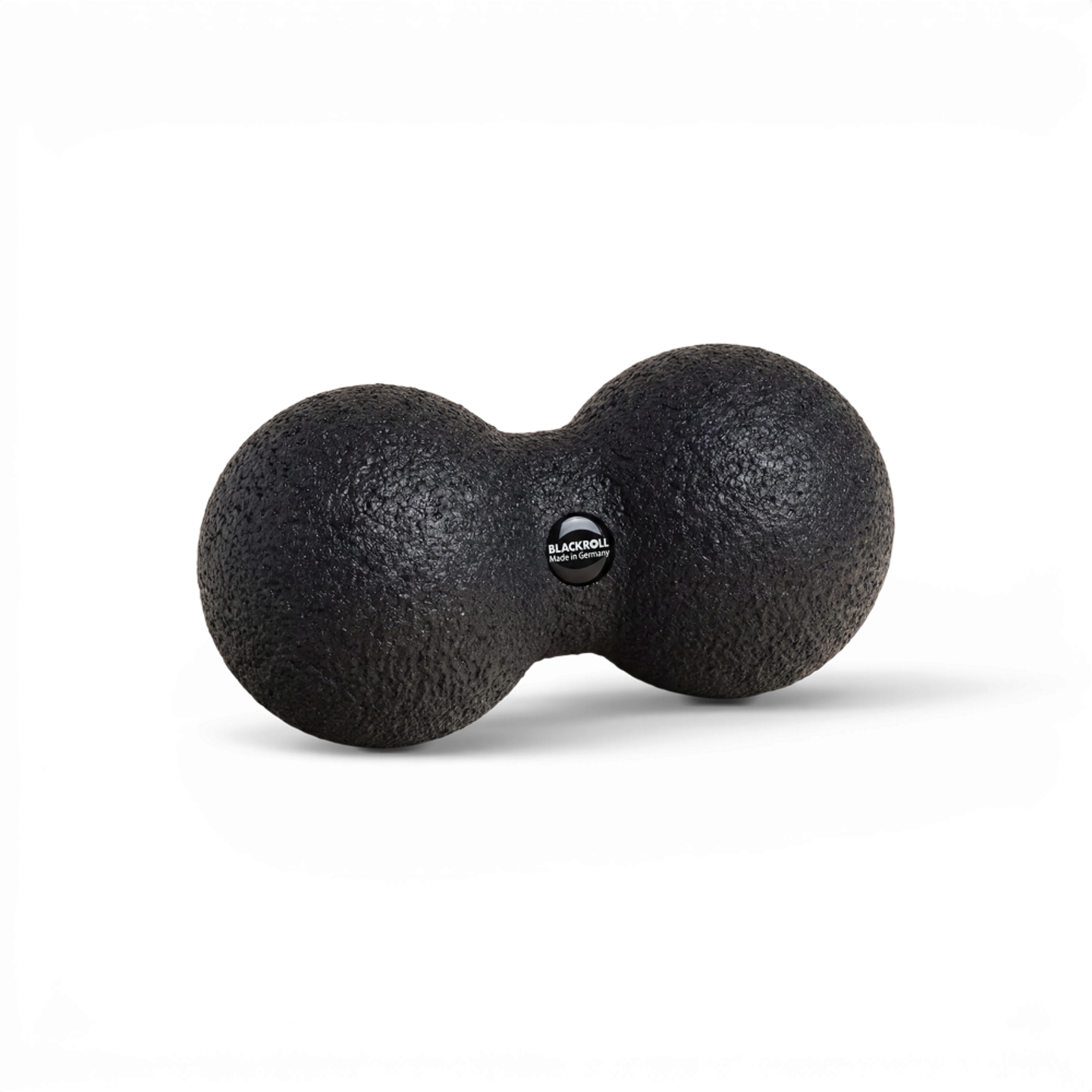
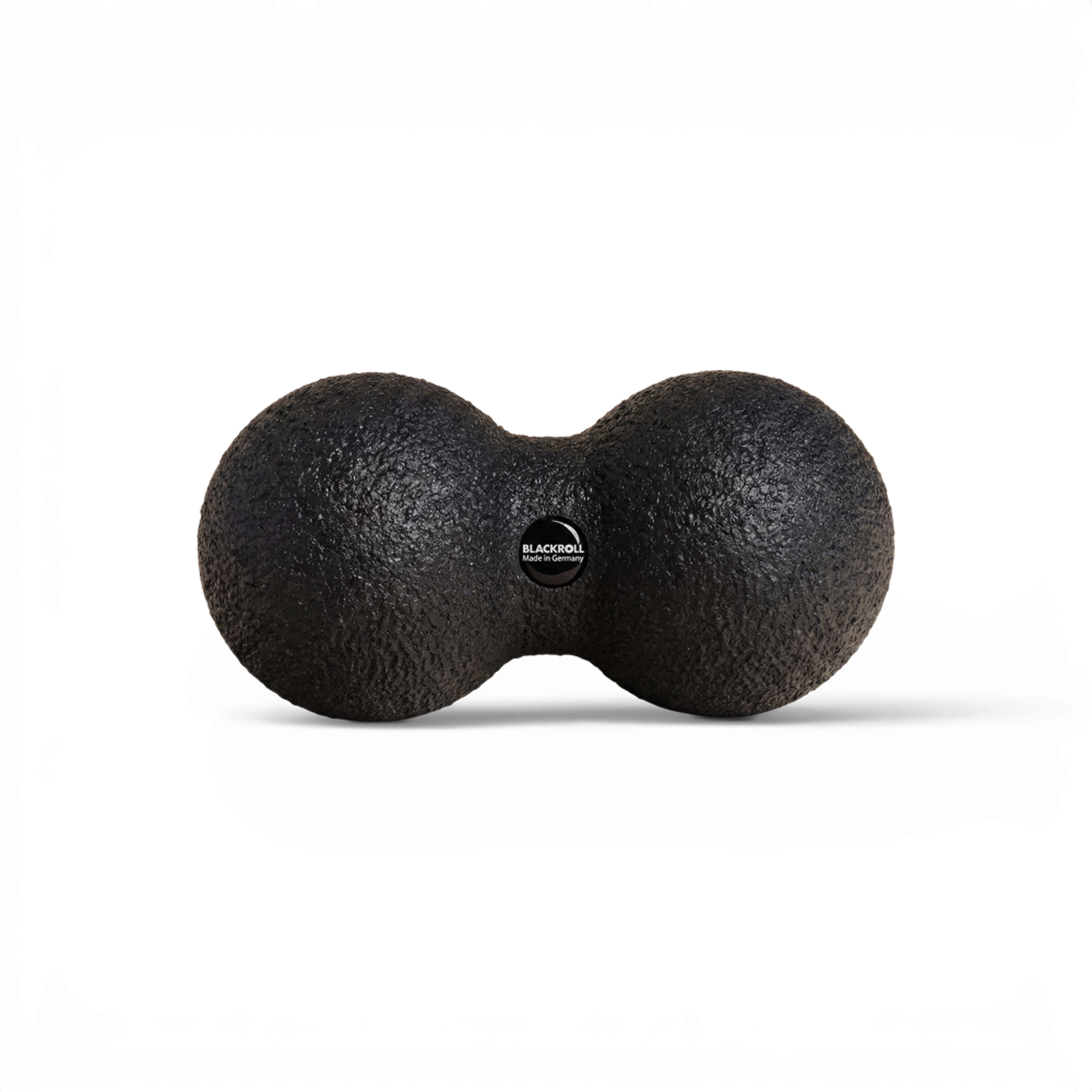
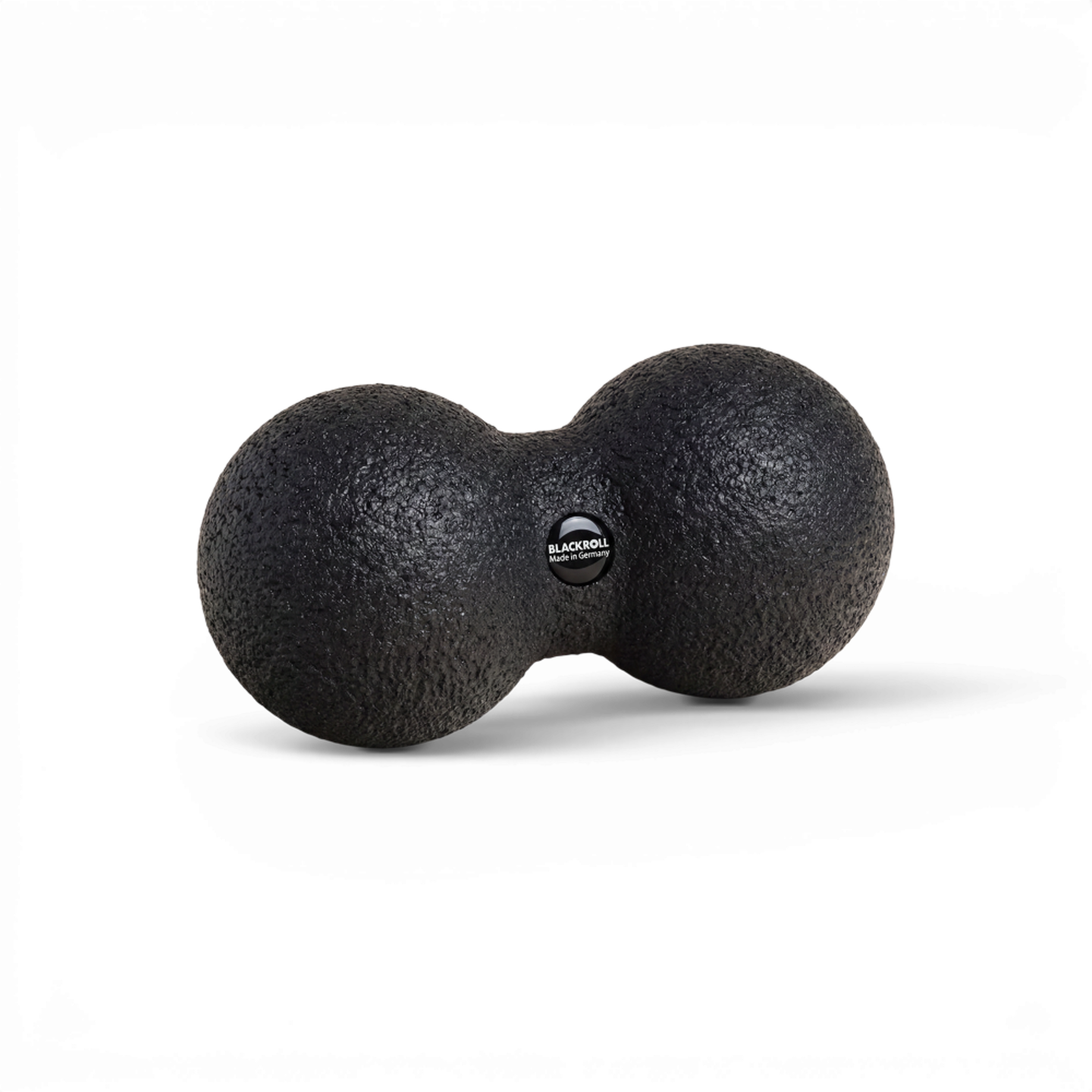
DUOBALL 08: Targeted massage for the neck, back, and shoulders
DUOBALL 12: Like a massage with two fists.
We hope you have a lot of fun working out 😊