
Clean Eating: How Healthy Is a Diet Based on Unprocessed Foods?

The clean eating concept is a dietary trend that focuses entirely on eating unprocessed foods. In an age of fast food and tempting but unhealthy snacks, it’s certainly a good idea to prioritize a natural diet. But there are also some drawbacks to treating certain foods as off-limits. What exactly do we mean by processed and unprocessed foods, and to what extent can clean eating truly promote health and longevity?
In this article, you’ll learn:
- What “clean eating” means: definition , origins, and the key principles of a diet consisting primarily of unprocessed foods.
- How foods are categorized: An overview of processing levels (NOVA classification) and examples ranging from “clean” to highly processed.
- Which benefits are scientifically proven: Impact on health, energy levels, and potential effects on longevity.
- Criticism and potential risks: Why an overly strict approach can be problematic—from nutrient deficiencies to orthorexia.
- How to incorporate clean eating into your daily life: Practical tips, simple recipes, and why a flexible approach makes more sense in the long run.
What Is Clean Eating? – Definition and Basic Principles
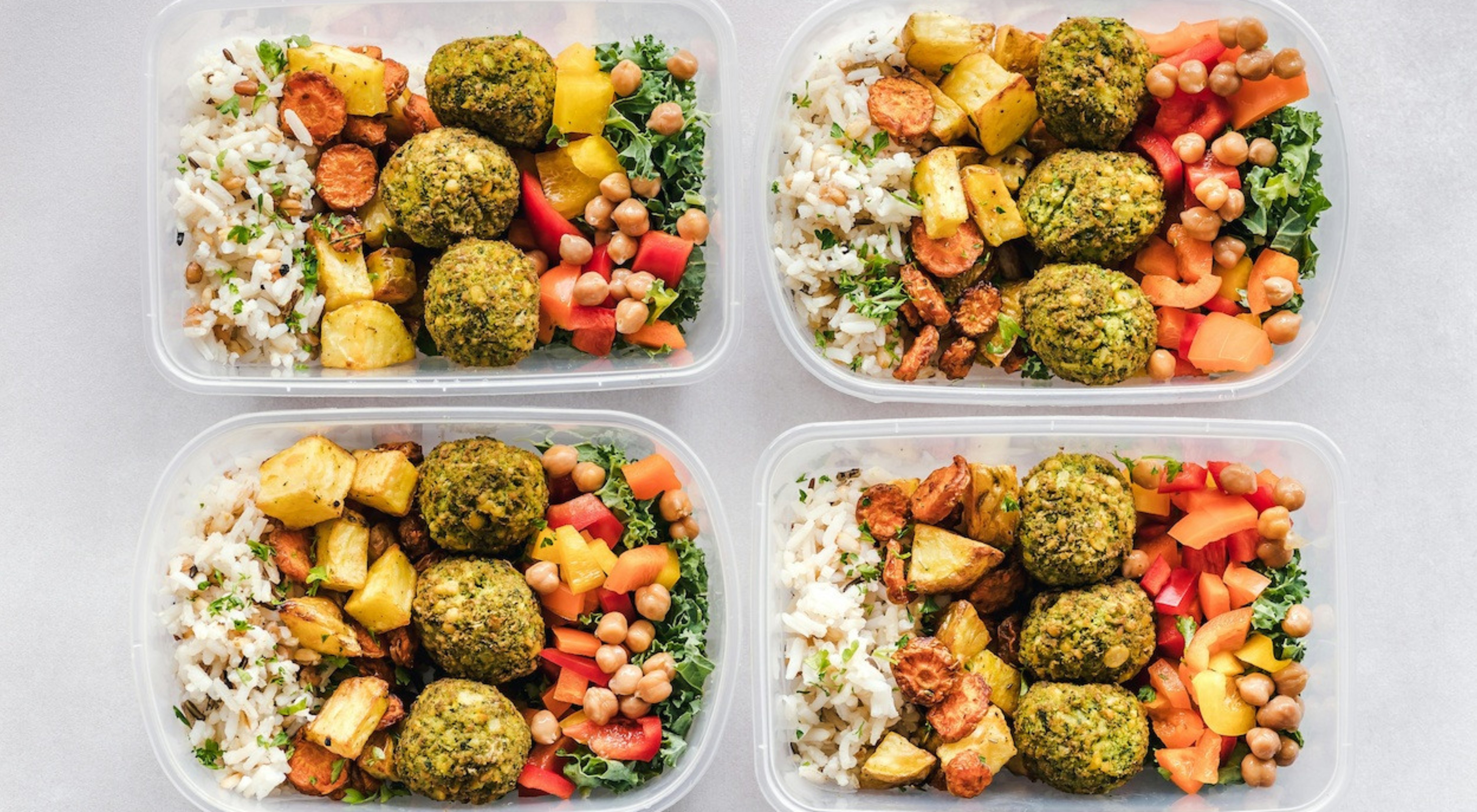
Clean eating means eating fresh foods that are as unprocessed as possible and in their natural form.
Clean eating originated in the U.S., where the trend first emerged in the 1990s within the fitness and bodybuilding community. Through numerous books, guides, and recipes, clean eating has increasingly become a lifestyle for many.
There are no universally agreed-upon rules for clean eating; details may vary depending on the source. The basic principles are:
- Prioritize unprocessed foods
- Avoid additives
- Cooking from scratch instead of using ready-made products
- Use only a few ingredients per meal
Recommended foods include fruits, vegetables, whole grains, legumes, nuts, and high-quality proteins with as few additives as possible. In clean eating, “off-limits” foods are primarily industrially processed foods that contain a lot of sugar, trans fats, and artificial additives, as well as sugary soft drinks.
What Are Unprocessed Foods? – Categories and Examples
Food can be processed in various ways—not all of which are unhealthy. When discussing this in the context of clean eating, the term usually refers to industrial processing involving numerous steps and additives. There are several ways to classify the degree of food processing. The best-known model is the four-level NOVA classification:
- Level 1: Unprocessed foods
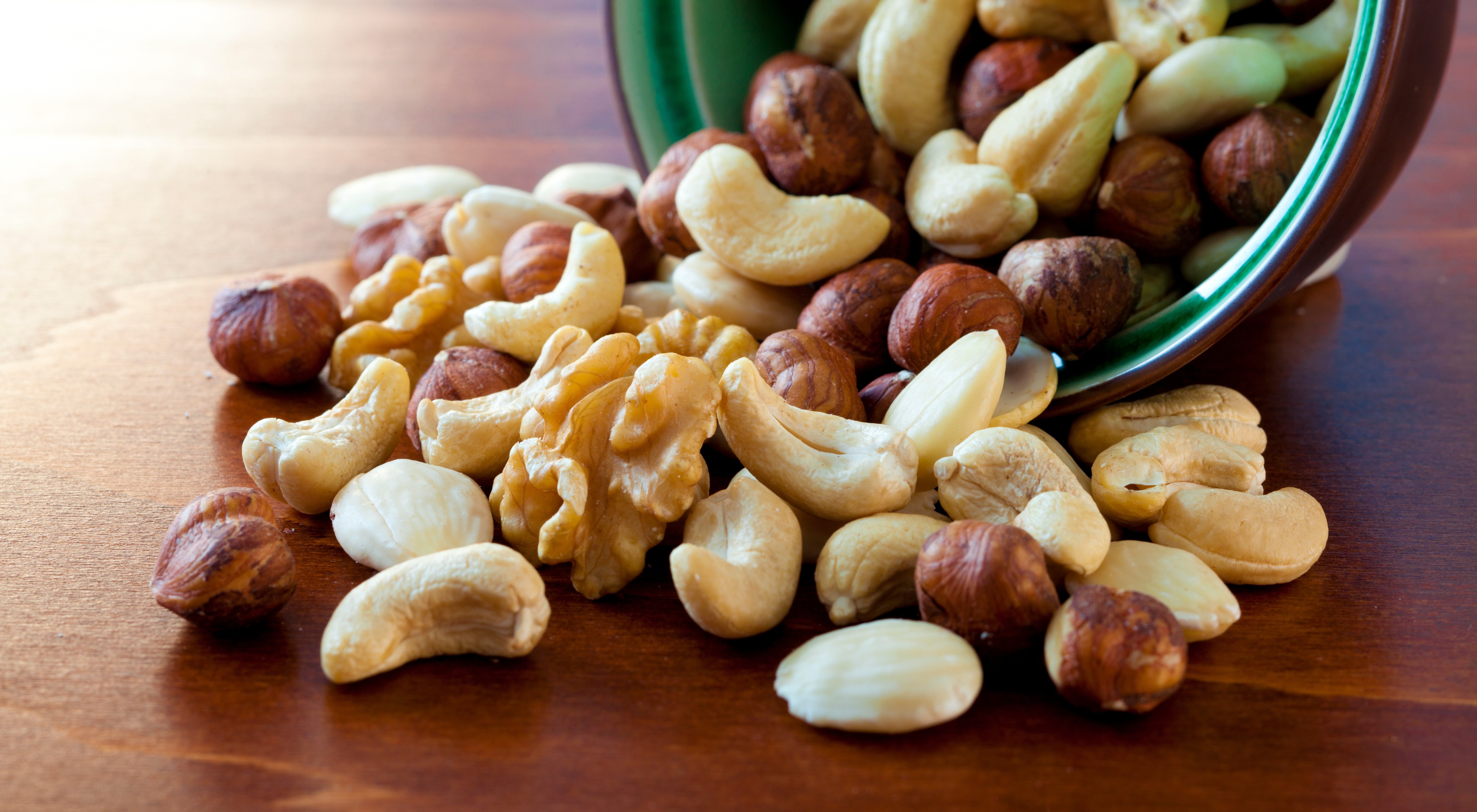
Fruits, vegetables, nuts, legumes, as well as animal products such as meat, eggs, and milk. Minimal processing, such as drying, grinding, cooking, and pickling, is still permitted here.
- Level: Processed ingredients
Foods that are preserved through refining, grinding, or pressing and are typically used only in combination as cooking ingredients, e.g., butter, sugar, salt, and oils.
- Level: Processed Foods
Foods made from a few ingredients from the first two levels, such as bread, cheese, plain yogurt, and canned goods.
- Level: Highly Processed Foods
According to the classification, these include ready-to-eat products, snacks, and soft drinks, which are typically industrially produced and made more palatable and longer-lasting with additives. Meat products such as sausage and frozen meals are also included.


Benefits of Clean Eating – What Does the Science Say?
It is well established that a diet consisting mainly of unprocessed and fresh foods is beneficial to health. If you want to eat healthily, eat as many fresh vegetables, fruits, legumes, and nuts as possible, and consume fewer—but higher-quality—animal proteins.
According to recent studies, your longevity—that is, healthy longevity—can also be positively influenced by a diet based on these nutrients.
Conversely, there are many studies showing that a diet high in highly processed foods increases health risks, including cardiovascular disease, diabetes, and cancer. However, it’s important to note that “highly processed” doesn’t automatically mean “unhealthy.” Snacks and fast food are generally fine as long as they’re part of a balanced diet.


Drawbacks of Clean Eating – Criticism and the Risk of Orthorexia
The clean eating trend has not only been welcomed by experts but has also been criticized. Negative consequences can arise, especially when advocates view clean eating as a dogmatic lifestyle.
While a diet consisting mainly of fresh, plant-based foods and high-quality animal proteins is generally healthy, those who become too rigid in following the rules can certainly harm themselves. The most commonly cited points of criticism are:
- Risk of orthorexia: Orthorexia refers to an excessive or compulsive preoccupation with healthy eating. Those affected tend to draw too sharp a distinction between “pure” and “impure” ingredients.
- Nutrient deficiencies: Those who limit themselves to certain food groups and categorically exclude others can easily develop deficiency symptoms.
- Susceptibility to pseudoscience: Many self-proclaimed experts and influencers spread unsubstantiated and unscientific myths that generally demonize processed foods or certain types of food. Claims that “clean eating” can cure certain diseases are often baseless and misleading, as has been proven.
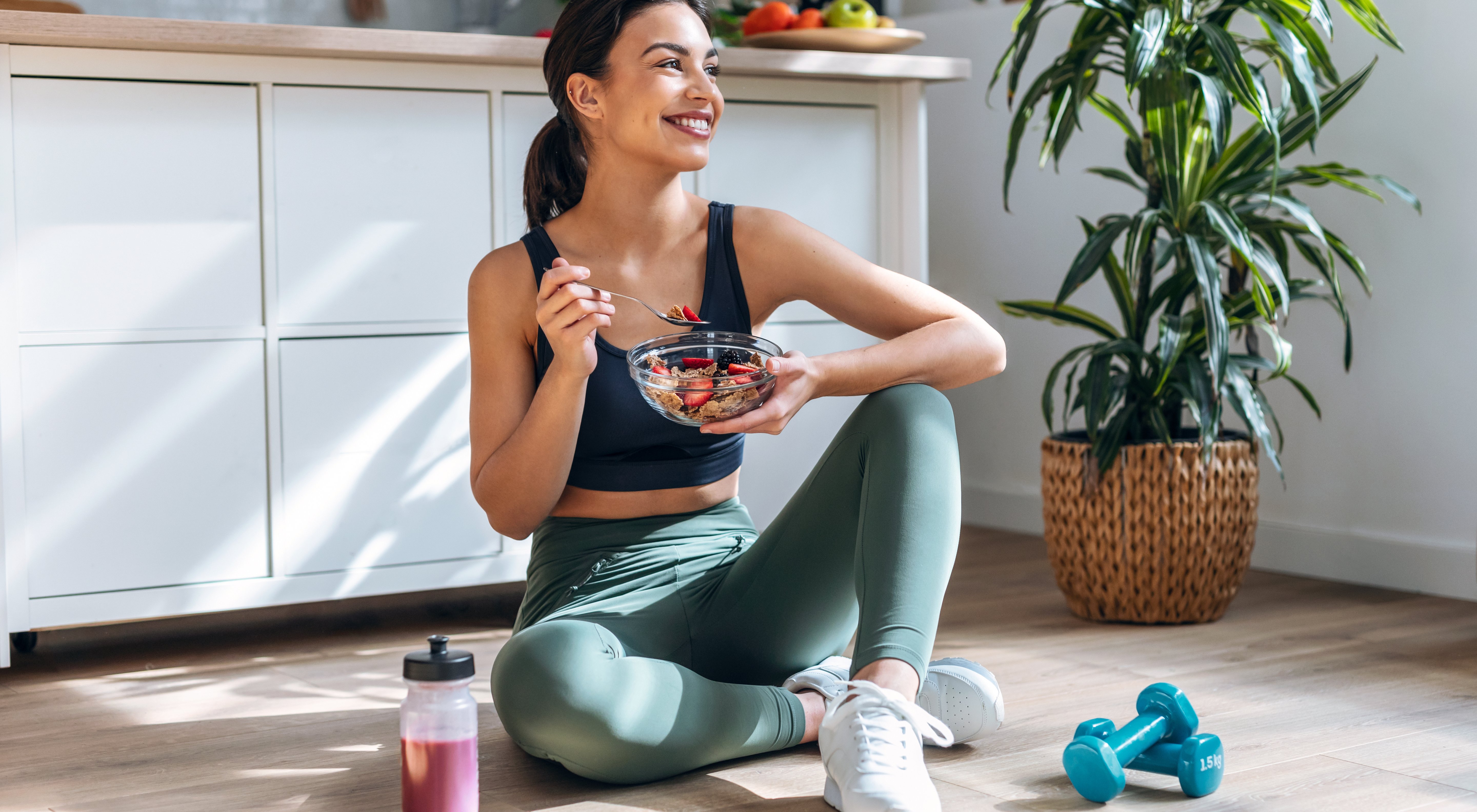

Clean Eating in Practice – Getting Started and Everyday Tips
It can be helpful to follow clean eating guidelines if you take a step-by-step approach and don’t put too much pressure on yourself. The bestway to get started is with small, sustainable changes rather than a radical overhaul.
Make Conscious Choices When Shopping
Take the time to read ingredient lists. If a product contains more than five to seven ingredients or the list of artificial additives is much too long, opt for an alternative instead. Stock up on staples: legumes (dried or canned), rolled oats, nuts, whole-grain rice, and quinoa have a long shelf life and form the basis of many clean eating recipes. For daily freshness, you’ll need eggs, plain yogurt, and seasonal fruits and vegetables. Drink two to three liters of water daily and opt for unsweetened teas or coffee instead of soft drinks and energy drinks.
Meal Prep Saves Time
One challenge with clean eating is the time and effort required for meal preparation. The solution here is meal prep—that is, preparing meals on a weekly basis. Cook larger batches once or twice a week—soups, roasted vegetables, or whole-grain rice are easy to portion out and reheat. This way, you’ll always have something healthy on hand, even when your day gets hectic.
Start small and stay realistic
If you try to change your diet overnight, setbacks and guilt are inevitable. So it’s better to take it step by step and plan for the long term. If you often reach for processed foods, try replacing them gradually with healthier alternatives. The 80/20 rule can help you stay relaxed: 80 percent unprocessed foods, 20 percent flexibility for social occasions or mindful indulgence.
Simple Clean Eating Recipe Ideas for Every Day
- Breakfast: Oatmeal with berries and nuts, whole-grain bread with avocado and an egg
- Lunch: Buddha bowl with quinoa, roasted vegetables, and chickpeas; lentil soup with whole-grain bread
- Dinner: Roasted vegetables with salmon, whole-grain risotto with mushrooms
- Snacks: A handful of nuts, vegetable sticks with hummus, an apple with nut butter
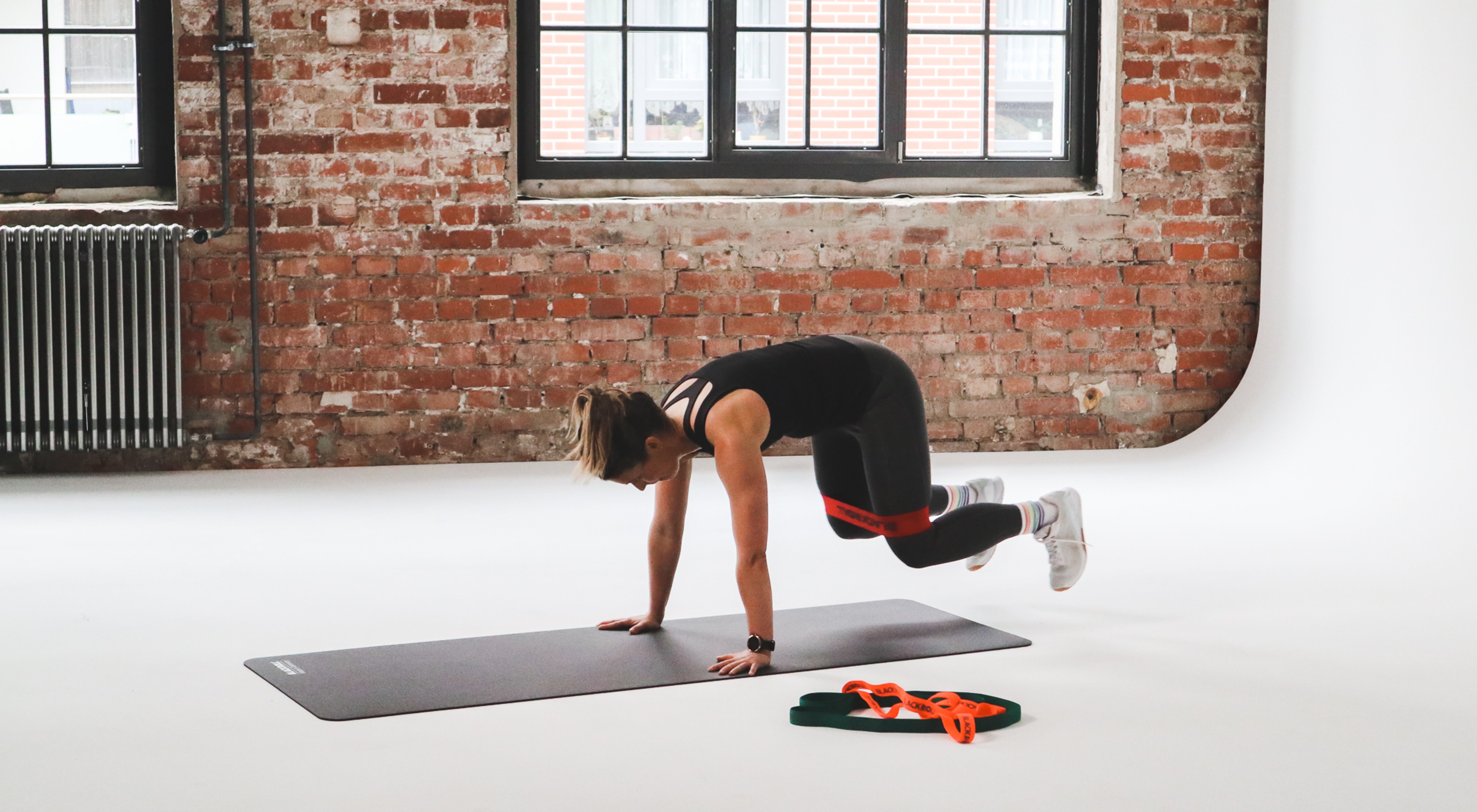

Combine a clean eating diet with healthy exercise
If you want to align your diet more closely with clean eating principles, you shouldn’t neglect your physical fitness. Your diet provides the building blocks: nutrients, vitamins,and energy. Through training and exercise, you make the most of these building blocks—for muscle building, recovery, and a strong immune system.
With regular fascia training, you can also help improve your blood circulation and ensure you’re optimally supplied with nutrients.

Fascia Training with BLACKROLL
BLACKROLL Exercises for All Body Areas

Conclusion: Approach clean eating as a recommendation, not as a dogma
- The principles of clean eating are easy to understand: Eat fresh, unprocessed foods as much as possible and avoid processed foods with excessive amounts of sugar, fat, and additives. As a guideline for a healthy diet, this is highly recommended.
- However, don’t forget that everyone has individual needs and there is no single, universally applicable diet. So don’t stress yourself out too much with strict rules and dietary guidelines—take small steps instead of making radical changes. It’s much more important to focus on a balanced, varied diet—that way, you can occasionally “indulge” and enjoy your food mindfully.
- And: Even the healthiest diet works best when you stay physically fit and active. So make sure to get enough exercise and focus on conscious recovery after strenuous activity.


FAQ – The Most Important Questions About Clean Eating
Clean eating refers to a diet consisting primarily of unprocessed, fresh foods, such as fruits, vegetables, whole grains, legumes, and high-quality protein. It is not a diet, but rather a long-term way of eating that avoids highly processed foods containing additives and refined sugar.
Clean eating includes: fresh fruits and vegetables, whole grains (oats, quinoa), legumes (lentils, chickpeas), nuts, seeds, eggs, fish, high-quality meat, plain yogurt, and extra virgin olive oil. The shorter the ingredient list and the closer the food is to its natural state, the “cleaner” it is.
A diet consisting primarily of unprocessed foods is scientifically proven to promote good health and can reduce the risk of chronic diseases such as diabetes, cardiovascular disease, and obesity. However, balance is important—extreme forms of the diet that unnecessarily exclude certain food groups can lead to nutrient deficiencies.
Benefits include better nutrient intake, stable blood sugar levels, more energy, improved satiety, healthier digestion, and a lower risk of chronic diseases. In the long term, clean eating can contribute to healthy aging.
No, natural sweeteners like fresh fruit, dates, or honey (in moderation) are allowed. The 80/20 rule helps: 80 percent unprocessed foods, 20 percent flexibility for mindful indulgence—reduce refined sugar in your daily diet, but don’t cut it out entirely.
More interesting articles




Sources & Studies